 Preview
 Send
Send Share
Share
 Details

 Download
 Similars
 X-Ray
X-Ray Diaporama
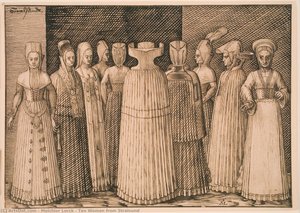
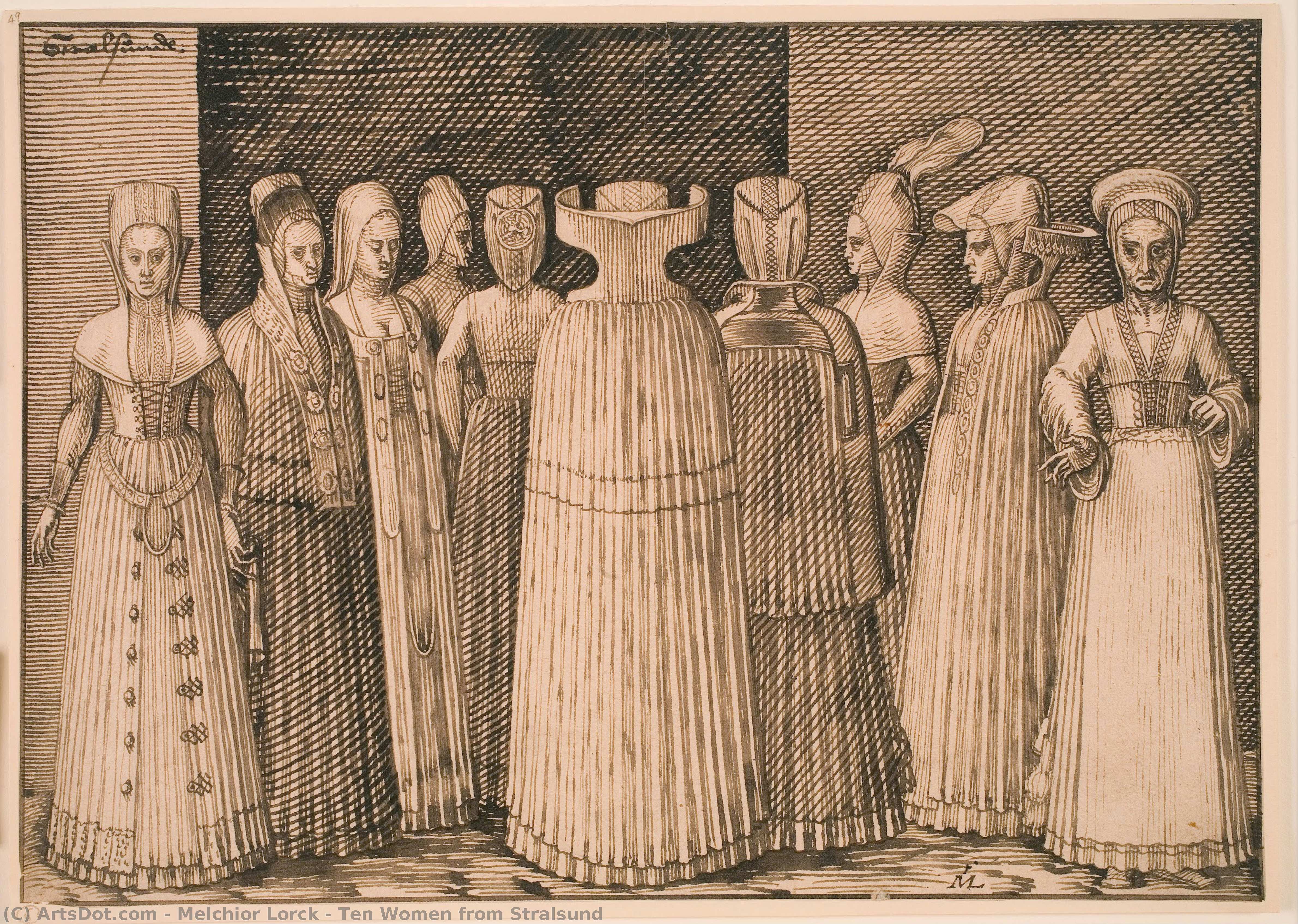
Ten Women from Stralsund
 Engraving
- Baroque
 1571
1571- Renaissance
 31.0 x 22.0 cm
 National Gallery of Denmark
 Read More
Hand Made Oil Reproduction
Hand-painted oil on canvas in your size and frame, made to order by our artists. ( Buy Print Buy Image)




P118B $10

P118H $10

P118W $10

P438Z $10

P508JH $12

P508YH $12

P805H $10

P805Z $10

P919BZ $10

P919G $10

P919XJ $10

P959ZH $10

P968JZ $12

W106C $8

W218G $10

W218JH $8

W218Y $10

W307PJ $10

W316G $10

W316PJ $8

W316Y $10

W398PJ $8

W4111J $10

W500HY $15

W500JH $15

W692G $12

W849H $8

W940BG $15

W953PJ $8




Pick from our preset sizes that match the artwork's original proportions.

You may enter your own dimensions to fit a specific frame or space. If your selected size does not match the original image's proportions, we will either crop the artwork or extend the painting with additional hand-painted elements. A digital mockup will be sent for your approval before production begins.
Please note that the on-screen preview does not reflect the actual cropping or extension. Only the mockup will accurately show the final composition.
While custom sizes are available, we recommend selecting a dimension from the predefined list to preserve the original proportions.
After order, ArtsDot.com team will email client for instructions and provide a mockup preview
Worldwide Delivery () in 3/4 weeks instead of standard 5 weeks. (17 August). No compromise on quality.

Free Worldwide Express Shipping

High-Quality Linen Canvas

Full Shipping Insurance

Customs Tax Refund Guarantee

True Color Matching Guarantee

60-Day Return Policy (Defects Only)

100% Money-Back Guarantee

Bulk Discount Offer
 Glass option is only available in size under 110 CM

Ten Women from Stralsund
Reproduction Medium
Reproduction Size
-


Total Price
$ 263
Artwork Description
Ten Women from Stralsund: A Window into Sixteenth-Century Fashion and Artistic Innovation
Melchior Lorck’s “Ten Women from Stralsund,” executed in 1571, is more than just a meticulously rendered depiction of ten women; it's a captivating snapshot of fashion, a testament to the burgeoning artistic techniques of the Renaissance, and a poignant reflection of a pivotal moment in European history. Created during a period of intense cultural exchange – Lorck’s travels took him from the courts of Denmark and the Holy Roman Empire to the exotic world of Ottoman Turkey – this drawing offers a rare glimpse into the sartorial elegance and social customs of 16th-century Stralsund, a bustling port city on the Baltic Sea. The work's enduring appeal lies not only in its technical brilliance but also in its ability to transport us back to a time when art served as both documentation and inspiration.
- Subject Matter: The central focus is undeniably the women themselves, presented with remarkable attention to detail. Their attire, representative of the period’s fashion trends, showcases luxurious fabrics, intricate embroidery, and elaborate headwear – a visual feast for the discerning eye.
- Composition & Rhythm: Lorck masterfully employs compositional techniques, arranging the figures in two rows to create a dynamic rhythm that draws the viewer's attention across the entire sheet. Each woman’s unique pose contributes to this sense of movement and vitality.
- Technical Mastery: Executed with precise pen and brown ink, the drawing demonstrates Lorck’s exceptional draughtsmanship. The level of detail – from the folds of the fabric to the delicate features of the women – is astonishing for its time.
The drawing's significance extends beyond its aesthetic qualities. It was conceived as a study for woodcuts, suggesting a practical purpose alongside its artistic merit. This reveals Lorck’s role as a keen observer and recorder of his surroundings, documenting the evolving styles of clothing with an artist’s eye. The fact that it was later exhibited and acquired by the English Evelyn Collection underscores its importance within the art historical canon.
The Artist: Melchior Lorck – A Renaissance Polymath
Melchior Lorck (1527-1564), a Danish-German artist, stands as a fascinating figure at the intersection of Renaissance artistic trends and encounters with the Ottoman Empire. Born in Flensburg, Germany, his early life was shaped by the Reformation movement, providing him with a unique perspective on religious and social change. His royal stipend from King Christian III afforded him an unparalleled opportunity to travel extensively throughout Europe, immersing himself in diverse artistic traditions.
- Early Influences: Lorck’s training likely began with apprenticeship as a goldsmith in Lübeck, equipping him with technical skills and an appreciation for intricate detail.
- Dürer & Cranach: He was profoundly influenced by the works of Albrecht Dürer and Lucas Cranach, evident in his early engravings which demonstrate a deep understanding of perspective, shading, and figure drawing.
- The Ottoman Connection: His most remarkable contribution came from his time spent with the Imperial embassy to Sultan Suleiman the Magnificent, where he meticulously documented the sights, sounds, and customs of Constantinople – a city brimming with exotic beauty and cultural richness. This experience profoundly shaped his artistic vision and led to some of his most celebrated works.
Style & Technique: A Legacy of Renaissance Precision
“Ten Women from Stralsund” exemplifies the meticulous style characteristic of Renaissance artists, particularly those working in Germany during this period. Lorck’s use of pen and ink demonstrates a mastery of line drawing – a technique valued for its clarity, precision, and ability to capture subtle nuances of form and texture. The drawing's monochrome palette enhances the dramatic effect, emphasizing the contours of the figures and their clothing. The influence of Dürer is particularly evident in the careful rendering of drapery folds and the use of linear perspective to create a sense of depth.
Furthermore, the drawing’s creation reflects the broader trend of artists utilizing drawings as preliminary studies for larger-scale works, such as woodcuts and copperplate engravings. This practice allowed artists to refine their compositions, experiment with different techniques, and ultimately produce more polished and impactful artworks. The work's legacy extends through its translation into woodcuts and copperplates, ensuring Lorck’s artistic vision reached a wider audience.
Collecting & Displaying: A Timeless Masterpiece
This hand-painted reproduction of “Ten Women from Stralsund” offers an exceptional opportunity to own a piece of art history. Measuring 31 x 22 cm, this artwork is perfectly suited for display in a variety of settings – from private residences to corporate offices. Its timeless appeal and historical significance make it a valuable addition to any collection. The meticulous detail and masterful technique employed by Melchior Lorck ensure that this drawing will continue to captivate viewers for generations to come.
Related Artworks
Artist Biography
Melchior Lorck: A Life Bridging Renaissance Art and Ottoman Encounters
- Born: Flensburg, Germany (1526/27)
- Died: Copenhagen, Denmark (1583)
- Nationality: Danish-German
- Known For: Renaissance painter, draughtsman, and printmaker; detailed visual record of 16th-century Turkey.
Early Life and Training
- Born in Flensburg, Schleswig (present-day Germany), Lorck came from a family with ties to the Reformation movement.
- Around 1549, he received a four-year travel stipend from King Christian III of Denmark, enabling him to study art across Europe.
- Early training likely involved apprenticeship with a goldsmith in Lübeck.
- During his travels, Lorck demonstrated early artistic skill, producing engravings influenced by artists like Heinrich Aldegrever and paying homage to Albrecht Dürer.
The Ottoman Experience: A Unique Visual Record
- In 1555, Lorck joined the Imperial embassy led by Ogier Gheselin Busbecq to the court of Sultan Suleiman the Magnificent in Constantinople (Istanbul).
- This pivotal experience shaped his career and legacy. He spent approximately one and a half years within the Ottoman capital.
- Lorck meticulously documented Turkish life, customs, architecture, military practices, and portraits of key figures like Sultan Suleiman and Isma'il, the Persian envoy.
- His drawings and engravings provide an unparalleled visual record of 16th-century Ottoman society, a unique source for historians and art scholars.
- Notable works from this period include the monumental "Prospect of Constantinople," a detailed panoramic view of the city, and the series of prints known as “The Turkish Publication.”
Artistic Style and Influences
- Lorck's style reflects the influence of the Northern Renaissance, particularly German masters like Dürer.
- His work demonstrates a keen observational skill and attention to detail, evident in his precise renderings of architecture, costumes, and portraits.
- He skillfully employed engraving techniques, creating intricate and expressive prints.
- Lorck's topographic drawings, such as the "Prospect of Constantinople," foreshadowed later developments in landscape art and cartography.
Later Career and Legacy
- After returning to Europe in 1559, Lorck worked in Vienna, producing engravings of antique monuments and portraits.
- He served briefly as a cartographer for the Hamburg city council, creating a large-scale map of the Elbe River.
- Lorck's "Turkish Publication," though not published during his lifetime, was eventually released in 1626, showcasing his extensive documentation of Ottoman life.
- He is considered the first Danish artist with a substantial biography and body of work attributable to him.
- His detailed visual record of Turkey remains invaluable for understanding 16th-century Ottoman culture and represents a significant contribution to Renaissance art and cartography. He is recognized as a precursor to later traveling artists and visual reporters.
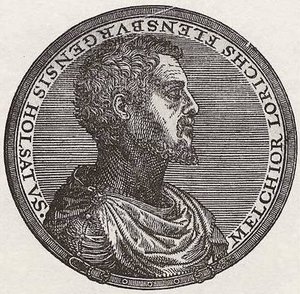
Melchior Lorck
1527 - 1564 , Germany
Quick Facts
- Artistic Movement Or Style: Renaissance
- Artists Or Movements Influenced By This Artist:
- Wenzel Hollar
- Cornelis de Bruijn
- Artists Who Influenced This Artist:
- Heinrich Aldegrever
- Albrecht Dürer
- Date Of Birth: 1526/27
- Date Of Death: 1583
- Full Name: Melchior Lorck
- Nationality: Danish-German
- Notable Artworks:
- Constantinople Prospect
- The Turkish Publication
- Place Of Birth: Flensburg, Germany
Related Articles
The Nuances of Graphite: Exploring Emotional Depth & Technical Mastery in Pencil Drawing
Explore the captivating world of graphite drawing! Discover its rich history, master essential techniques like chiaroscuro, and learn how artists evoke emotion through this timeless medium. Expert insights for art enthusiasts.
The Enduring Muse: Women as Subject & Symbol in Art History
Explore the rich history of women in art – from iconic muses to groundbreaking artists. Discover feminist movements, global perspectives & reclaim female narratives with ArtsDot.
The Enduring Muse: Women as Subject & Symbol in Art History
Explore the rich history of women in art – from archetypal representations to contemporary voices challenging norms. Discover iconic artists & movements, and learn about reclaiming female narratives through painting and beyond.
Portrayals of Power & Perception: A Historical Survey of Women in Art
Explore the rich history of women in art – from iconic muses to groundbreaking artists. Discover feminist movements & reclaim female narratives with ArtsDot. Expert insights for discerning collectors.

The Enduring Power of Line: Exploring Themes & Techniques in Drawing Across Art History
Explore the rich history of drawing! Discover key techniques like linear perspective & iconic artists from the Renaissance to modern times. Enhance your art appreciation with ArtsDot.