 Preview
 Send
Send Share
Share
 Details

 Download
 Similars
 X-Ray
X-Ray Diaporama
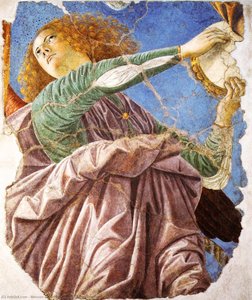
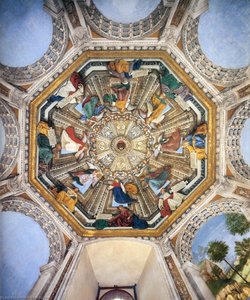
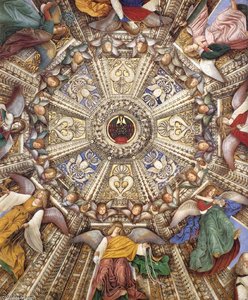
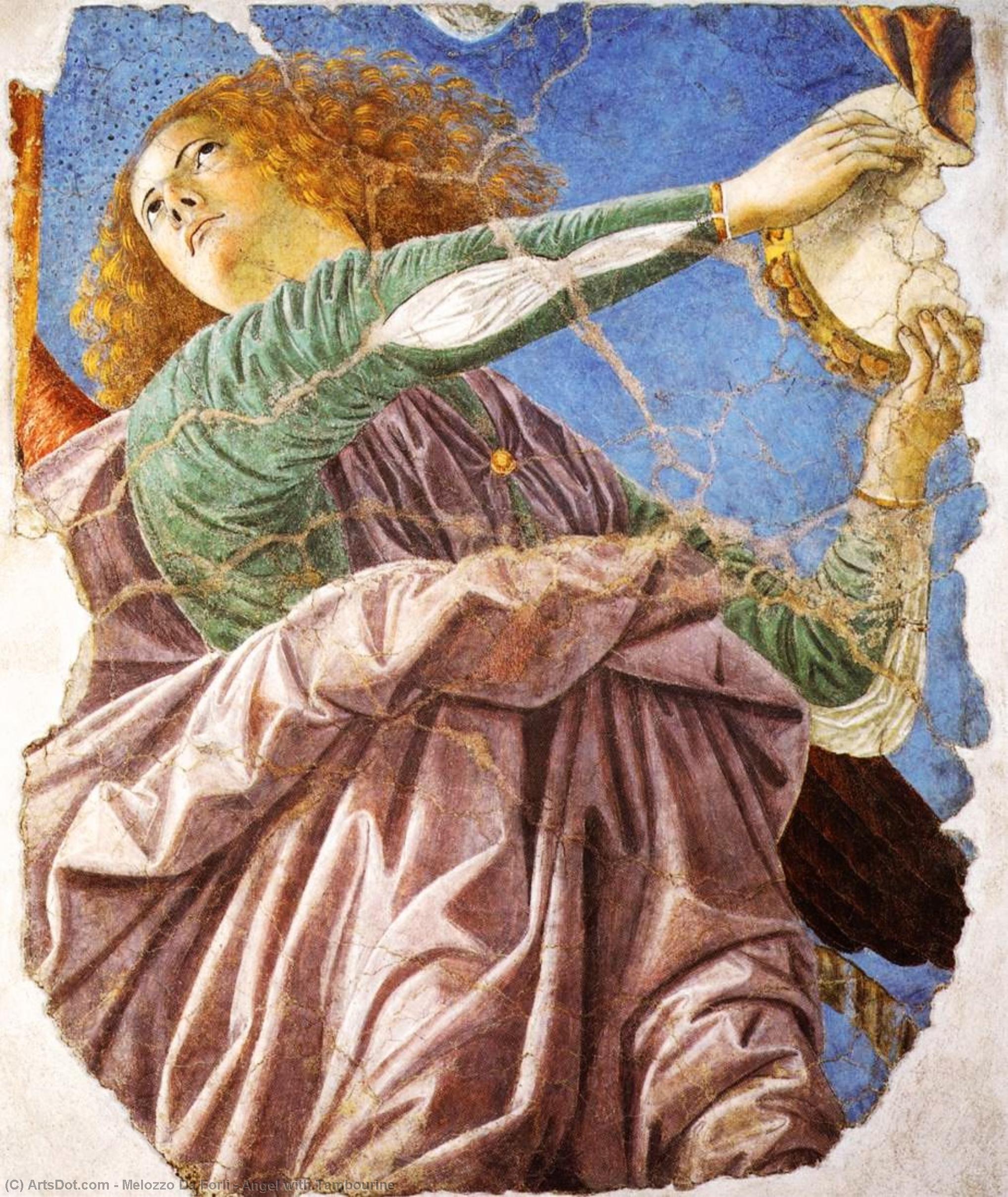
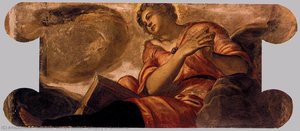
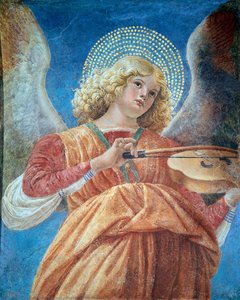
Angel with Tambourine


 Read More
Hand Made Oil Reproduction
Hand-painted oil on canvas in your size and frame, made to order by our artists. ( Buy Print Buy Image)




P118B $10

P118H $10

P118W $10

P438Z $10

P508JH $12

P508YH $12

P805H $10

P805Z $10

P919BZ $10

P919G $10

P919XJ $10

P959ZH $10

P968JZ $12

W106C $8

W218G $10

W218JH $8

W218Y $10

W307PJ $10

W316G $10

W316PJ $8

W316Y $10

W398PJ $8

W4111J $10

W500HY $15

W500JH $15

W692G $12

W849H $8

W940BG $15

W953PJ $8




Pick from our preset sizes that match the artwork's original proportions.

You may enter your own dimensions to fit a specific frame or space. If your selected size does not match the original image's proportions, we will either crop the artwork or extend the painting with additional hand-painted elements. A digital mockup will be sent for your approval before production begins.
Please note that the on-screen preview does not reflect the actual cropping or extension. Only the mockup will accurately show the final composition.
While custom sizes are available, we recommend selecting a dimension from the predefined list to preserve the original proportions.
After order, ArtsDot.com team will email client for instructions and provide a mockup preview
Worldwide Delivery () in 3/4 weeks instead of standard 5 weeks. (17 August). No compromise on quality.

Free Worldwide Express Shipping

High-Quality Linen Canvas

Full Shipping Insurance

Customs Tax Refund Guarantee

True Color Matching Guarantee

60-Day Return Policy (Defects Only)

100% Money-Back Guarantee

Bulk Discount Offer
 Glass option is only available in size under 110 CM

Angel with Tambourine
Reproduction Medium
Reproduction Size
-


Total Price
$ 263
Artwork Description
The Enigmatic Visionary of Forlì: Melozzo da Forlì and the Dawn of Renaissance Perspective
Melozzo da Forlì, born around 1438 in the vibrant Italian city of Forlì, remains a somewhat elusive figure within the pantheon of Renaissance masters. Though his life spanned only fifty-six years, ending in November 1494, his impact on the development of perspective and fresco technique was profound, influencing generations of artists including Raphael and Andrea Mantegna. Details surrounding his early life are scarce; it is believed he hailed from a prosperous family named Ambrosi, and likely received his initial artistic training within the Forlivese school, absorbing the stylistic currents shaped by figures like Ansuino da Forlì—himself touched by the powerful influence of Andrea Mantegna. Some accounts even suggest humble beginnings as a journeyman and color-grinder, honing his craft through practical experience before ascending to prominence. Documented appearances in Forlì in 1460 and 1464 cemented his reputation as a skilled artist deeply rooted in the artistic traditions of his time.A Fresco Master: “Angel with Tambourine” – A Window into Renaissance Innovation
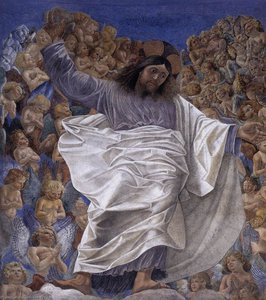
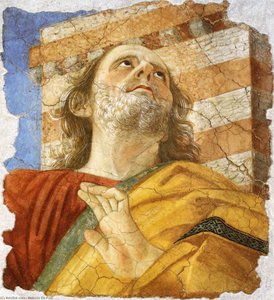
“Angel with Tambourine,” painted circa 1480 by Melozzo da Forlì, stands as a testament to the burgeoning fascination with linear perspective during the High Renaissance. Commissioned by Cardinal Giuliano della Rovere for the apse of the Santi Apostoli basilica in Rome—a project later overseen by Pope Julius II—the fresco embodies the ambition and intellectual fervor characteristic of the era. It’s housed within Vatican City, Italy, ensuring its preservation as a cornerstone of artistic heritage. The artwork isn't merely aesthetically pleasing; it represents a pivotal moment in art history, demonstrating how artists were actively experimenting with techniques to create illusions of depth and space—a radical departure from earlier pictorial conventions.Symbolism and Composition: Celestial Grace Embodied
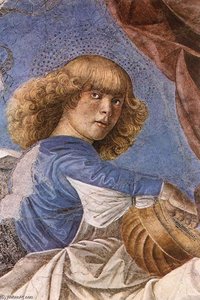
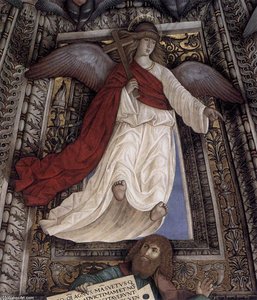
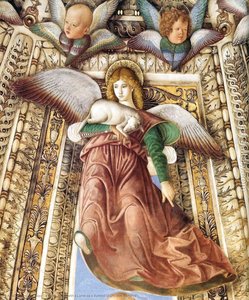
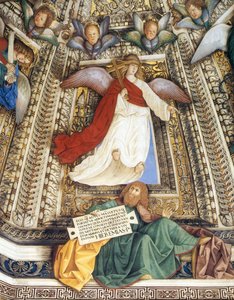
The fresco’s composition is meticulously crafted to convey spiritual significance. At its core resides an angel, depicted holding a tambourine – a symbol of joy and divine music – poised in dynamic movement against a backdrop of azure sky speckled with shimmering stars. The angel's robe, rendered in verdant hues accented by gold trim, exudes regal splendor and underscores his elevated status as a messenger of God. Melozzo’s masterful use of color—particularly the luminous blues and golds—creates an ethereal atmosphere that elevates the scene beyond mere representation, inviting contemplation on themes of faith, grace, and divine harmony. The angel's flowing hair contributes to the impression of movement and vitality, mirroring the celestial realm it embodies.Technique: Fresco – A Durable Legacy of Renaissance Craftsmanship
Melozzo da Forlì’s technique—fresco—is itself remarkable for its longevity and artistic sophistication. This method involves applying pigment onto wet plaster, allowing it to fuse chemically with the substrate over time, resulting in a surface that is incredibly resistant to weathering and degradation. Unlike tempera or oil paint, fresco requires painstaking preparation of the wall surface and careful layering of colors to achieve optimal luminosity and tonal accuracy. The artist’s meticulous attention to detail—evident in the rendering of textures and contours—further enhances the realism of the scene, demonstrating the mastery of Renaissance craftsmen who sought to capture the beauty and grandeur of the natural world with unprecedented precision.Emotional Resonance: Inspiring Reverence and Artistic Wonder
“Angel with Tambourine” transcends mere visual description; it evokes a profound emotional response in viewers. The serene countenance of the angel, combined with the radiant colors and captivating perspective, inspires feelings of awe and reverence—a reflection of the spiritual aspirations prevalent during the Renaissance. It serves as an enduring reminder of humanity’s capacity for artistic creativity and its yearning to express transcendent ideals. Reproductions of this masterpiece continue to captivate audiences today, offering a glimpse into the artistic spirit of a bygone era and reaffirming the timeless beauty of classical art.Related Artworks
![Scrovegni - [52] - Inconstancy — Giotto Di Bondone, Gothic Art](/media/artworks/images/thumbnails/31/45/3145a276bd8f4ca7929d47b665b07b4c.jpg)
Artist Biography
The Enigmatic Visionary of Forlì: Melozzo da Forlì and the Dawn of Renaissance Perspective
Melozzo da Forlì, born around 1438 in the vibrant Italian city of Forlì, remains a somewhat elusive figure within the pantheon of Renaissance masters. Though his life spanned only fifty-six years, ending in November 1494, his impact on the development of perspective and fresco technique was profound, influencing generations of artists including Raphael and Andrea Mantegna. Details surrounding his early life are scarce; it is believed he hailed from a prosperous family named Ambrosi, and likely received his initial artistic training within the Forlivese school, absorbing the stylistic currents shaped by figures like Ansuino da Forlì—himself touched by the powerful influence of Andrea Mantegna. Some accounts even suggest humble beginnings as a journeyman and color-grinder, honing his craft through practical experience before ascending to prominence. Documented appearances in Forlì in 1460 and 1464 mark the earliest traces of his artistic activity, hinting at a gradual emergence onto the burgeoning Renaissance scene.Rome, Urbino, and the Mastery of Illusion
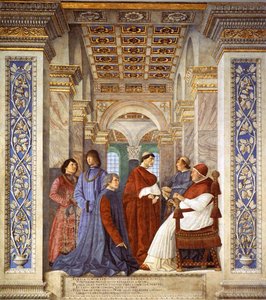
Around 1472-1474, Melozzo’s career took him to Rome, where he collaborated with Antoniazzo Romano on the frescoes within the Bessarione Chapel in the Basilica dei Santi Apostoli. This commission proved pivotal, exposing him to the artistic ferment of the papal city and solidifying his reputation. However, it was a sojourn to Urbino, likely between 1465 and 1474, that truly ignited his artistic evolution. There, under the patronage of Duke Federico da Montefeltro—a renowned humanist and art collector—Melozzo encountered the groundbreaking work of Piero della Francesca. The meticulous perspective, serene compositions, and luminous color palettes of Piero left an indelible mark on Melozzo’s style. He also immersed himself in architectural studies alongside Bramante, and observed the techniques employed by Flemish painters working for the Duke, broadening his artistic horizons. This period saw a blossoming of his talent, culminating in key Roman works such as *Sixtus IV Appointing Platina as Librarian* (c. 1477), now housed in the Pinacoteca Vaticana, and designs for the Palazzo Altemps, commissioned by Girolamo Riario. His participation in the newly founded Academy of St Luke in 1478 further cemented his position within Rome’s artistic elite. It was during this time that Melozzo began to demonstrate a remarkable mastery of *foreshortening*, a technique that would become his signature, most notably showcased in the now fragmented Ascension of Christ fresco at the Basilica dei Santi Apostoli—a work that captivated contemporaries and profoundly influenced subsequent generations.Loreto, Influence, and Late Roman Commissions
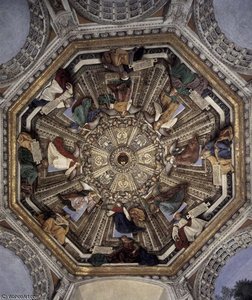
Following the death of Sixtus IV in 1484, Melozzo relocated to Loreto, where he undertook a commission for the cupola of the sacristy of San Marco within the Basilica della Santa Casa. This work is arguably his most celebrated achievement—a breathtaking display of illusionistic perspective and architectural detail that significantly impacted artists like Pietro da Cortona and even Andrea Mantegna’s famed *Camera degli Sposi* in Mantua. The dynamic composition, with its soaring figures and convincing spatial depth, demonstrated a level of technical skill rarely seen at the time. In 1489, Melozzo returned to Rome, engaged in creating cartoons for mosaics within the Chapel of St Helena. His artistic versatility extended beyond religious subjects; his only known secular work, the “Pestapepe” fresco in Forlì—depicting a grocer—reveals a keen eye for realism and characterization. During his final years, he returned to Forlì, collaborating with Marco Palmezzano on the decoration of the Feo Chapel before his untimely death in November 1494.A Legacy Defined by Perspective and Innovation
Melozzo da Forlì’s artistic significance lies primarily in his pioneering use of perspective, particularly foreshortening, which imbued his frescoes with an unprecedented sense of depth and realism. He wasn't merely replicating reality; he was constructing it anew on the wall, drawing the viewer into the scene with masterful illusionism. His influence extended to some of the most celebrated artists of the High Renaissance—Raphael and Donato Bramante both studied his work intently, absorbing his techniques and incorporating them into their own masterpieces. The stylistic connections between Melozzo and Andrea Mantegna are also undeniable, reflecting a shared artistic lineage within the Italian Renaissance. Furthermore, as a mentor to Marco Palmezzano, he ensured that his innovative style continued to flourish after his death. Melozzo’s contributions to fresco painting were not simply technical; they were transformative, pushing the boundaries of what was possible and paving the way for the artistic achievements of the coming centuries. He remains a testament to the power of observation, innovation, and the enduring legacy of Renaissance artistry—a visionary whose work continues to captivate and inspire.
Melozzo da Forlì
1438 - 1494 , Italy
Quick Facts
- Artistic Movement Or Style: Early Renaissance
- Artists Or Movements Influenced By This Artist:
- Raphael
- Marco Palmezzano
- Andrea Mantegna
- Artists Who Influenced This Artist:
- Andrea Mantegna
- Piero della Francesca
- Date Of Birth: c. 1438
- Date Of Death: 1494
- Full Name: Melozzo da Forlì
- Nationality: Italian
- Notable Artworks:
- Sixtus IV Appointing Platina
- View of the Sacristy of St Mark
- Pestapepe
- Place Of Birth: Forlì, Italy
Related Articles

Leonardo da Vinci's Masterpieces: Explore 25 Iconic Artworks for Your Home | ArtsDot
Journey through Leonardo da Vinci's genius with our curated selection of 25 iconic artworks. Explore the stories behind Mona Lisa, The Last Supper & more Renaissance masterpieces. Find museum-quality art reproductions for your home at ArtsDot.com.

The Fresco as Family Legacy: Preserving Heritage Through Wall Art
Explore the rich history & enduring legacy of fresco painting. Discover how to preserve family heritage through stunning wall art. Expert insights & restoration guidance.
Celestial Messengers: A Comprehensive Exploration of Angelic Representation in Art History
Explore the captivating history of angels in art! Discover symbolism, iconic Renaissance masterpieces & renowned artists. Expert insights for art lovers & collectors at ArtsDot.
Celestial Messengers: Angels in Painting – A Historical & Artistic Exploration
Explore the captivating history of angels in painting! Discover symbolism, iconic Renaissance & Byzantine masterpieces, and renowned artists. Expert insights for art lovers & collectors at ArtsDot.

The Enduring Legacy of Fresco Painting: Techniques, History & Contemporary Relevance
Explore the rich history & enduring artistry of fresco painting – from Giotto to Michelangelo! Discover techniques, conservation efforts, & modern applications. Learn how ArtsDot brings this timeless art form to your home.