 Preview
 Send
Send Share
Share
 Details

 Download
 Similars
 X-Ray
X-Ray Diaporama
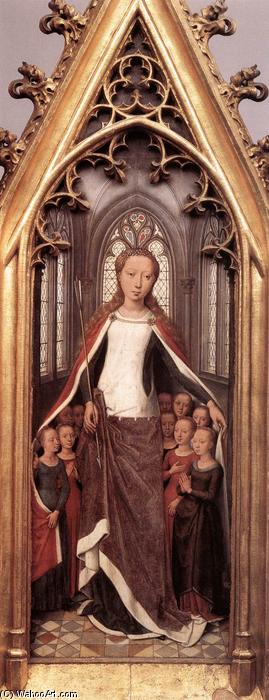
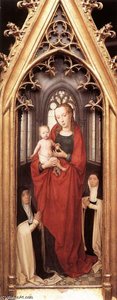
St Ursula Shrine: St Ursula and the Holy Virgins
 Early Netherlandish Painting
 1489
1489 91.0 x 41.0 cm
 Memling Museum - Sint Jans Hospital
 Read More
Giclée / Art Print
Museum-quality giclée or canvas print with fast production and flexible finish options. ( Buy Hand Made Painting Buy Image)




P118B $10

P118H $10

P118W $10

P438Z $10

P508JH $12

P508YH $12

P805H $10

P805Z $10

P919BZ $10

P919G $10

P919XJ $10

P959ZH $10

P968JZ $12

W106C $8

W218G $10

W218JH $8

W218Y $10

W307PJ $10

W316G $10

W316PJ $8

W316Y $10

W398PJ $8

W4111J $10

W500HY $15

W500JH $15

W692G $12

W849H $8

W940BG $15

W953PJ $8




Pick from our preset sizes that match the artwork's original proportions.

You may enter your own dimensions to fit a specific frame or space. If your selected size does not match the original image's proportions, we will either crop the artwork or extend the image with a mirrored or solid-fill edge. A digital mockup will be sent for your approval before production begins.
Please note that the on-screen preview does not reflect the actual cropping or extension. Only the mockup will accurately show the final composition.
While custom sizes are available, we recommend selecting a dimension from the predefined list to preserve the original proportions.
Worldwide Delivery () in 2 weeks instead of standard 4/5 weeks. (25 August)

Free Worldwide Express Shipping

High-Quality Linen Canvas

Full Shipping Insurance

Customs Tax Refund Guarantee

True Color Matching Guarantee

60-Day Return Policy (Defects Only)

100% Money-Back Guarantee

Bulk Discount Offer
 Glass option is only available in size under 110 CM

St Ursula Shrine: St Ursula and the Holy Virgins
Giclée / Art Print
Reproduction Size
-


Total Price
$ 63
Collectible Description
A Vision of Faith and Devotion: Hans Memling’s *St Ursula Shrine: St Ursula and the Holy Virgins*
This exquisite panel painting, created in 1489 by the masterful hand of Hans Memling, is a jewel of Early Netherlandish art. Currently residing within the historic walls of the Memling Museum - Sint Jans Hospital in Bruges, Belgium, this shrine isn’t merely a religious depiction; it's a testament to artistic skill, devotional fervor, and the rich cultural landscape of 15th-century Flanders.Subject and Composition: A Gathering of Saints
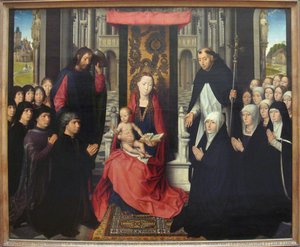
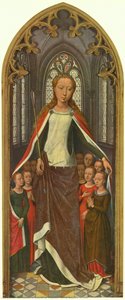
The artwork centers on St. Ursula, a beloved Christian saint whose legend captivated medieval Europe. She is portrayed holding a cross, surrounded by the eleven thousand virgins who accompanied her on a pilgrimage to Rome. Memling masterfully arranges these figures within an architectural setting reminiscent of a Gothic chapel – a deliberate choice that enhances the sacred atmosphere. The composition isn’t chaotic despite the numerous figures; instead, it conveys a sense of serene unity and focused devotion directed towards St. Ursula. The inclusion of arched windows in the background subtly expands the space, offering depth and hinting at a world beyond the confines of the shrine itself.Artistic Technique: Precision and Luminosity
Memling’s signature style is brilliantly showcased here. He was renowned for his meticulous attention to detail and remarkably realistic depictions. Executed in oil on wood, the painting benefits from the medium's capacity for layering and blending, resulting in a luminous quality that brings the figures to life. The artist employed glazing techniques – applying thin, transparent layers of paint – to achieve subtle gradations of light and shadow, creating an almost ethereal glow around the saints. The precision in rendering fabrics, facial features, and even individual strands of hair is breathtaking.Historical Context: Bruges and the Burgundian Court
The late 15th century was a golden age for Bruges, a thriving center of commerce and artistic patronage under the rule of the Dukes of Burgundy. Memling flourished in this environment, attracting commissions from wealthy merchants, nobles, and religious institutions like the Sint-Janshospitaal – the very hospital that commissioned this shrine. The work reflects the piety and affluence of Bruges society, as well as the growing emphasis on personal devotion within the Church. The shrine itself was designed to house relics of St. Ursula, making it an object of veneration for pilgrims and local worshippers alike.Symbolism and Meaning: Purity, Pilgrimage, and Protection
The painting is rich in symbolism. St. Ursula represents Christian virtue, chastity, and unwavering faith. The eleven thousand virgins symbolize the countless souls dedicated to God. The pilgrimage motif speaks to the spiritual journey of life, fraught with challenges but ultimately leading to salvation. Memling’s inclusion of detailed architectural elements and everyday objects grounds the scene in a recognizable reality, making the religious narrative more relatable and impactful for viewers. The shrine's very form – resembling a miniature chapel – reinforces its sacred purpose.Emotional Impact: Serenity and Spiritual Reflection
*St Ursula Shrine: St Ursula and the Holy Virgins* evokes a sense of profound serenity and spiritual contemplation. The gentle expressions on the faces of the saints, the harmonious composition, and the soft lighting all contribute to an atmosphere of peace and reverence. The painting invites viewers to pause, reflect, and connect with their own faith or spirituality. It’s a work that transcends its historical context, offering a timeless message of hope, devotion, and the enduring power of belief.- For Collectors: A rare opportunity to acquire a reproduction of a masterpiece by one of the most important Early Netherlandish painters.
- For Interior Designers: The painting’s refined aesthetic and serene palette make it an ideal focal point for traditional or transitional interiors, adding a touch of elegance and historical depth.
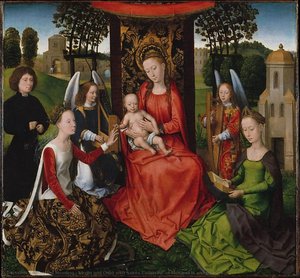
- Further Exploration: Discover other works by Hans Memling, including the *St John Altarpiece* and the *Virgin and Child with Saints Catherine of Alexandria and Barbara*, to fully appreciate his artistic genius.
Related Artworks
Artist Biography
Hans Memling: The Bruges Master of Detail and Patronage
Hans Memling (c. 1430 – August 11, 1494), born in Seligenstadt, Germany, stands as a pivotal figure in Early Netherlandish painting—a movement characterized by exquisite realism, meticulous observation of nature, and profound spiritual contemplation. Though his formative years were spent primarily within the Rhineland’s artistic milieu, Memling's trajectory ultimately led him to Bruges, Belgium, where he established himself as one of the foremost artists of his time and cultivated a prolific workshop that disseminated his distinctive style across Europe.- Early Life & Apprenticeship: Precise biographical details surrounding Memling’s birth remain elusive, yet scholarly consensus suggests he emerged from Mainz around 1430. His artistic education commenced under the tutelage of Rogier van der Weyden, a titan of Flemish painting whose mastery of oil paint and sculptural modeling profoundly shaped Memling's technique. This apprenticeship instilled in him an unwavering dedication to detail—a hallmark that would define his oeuvre.
- Bruges & The Workshop: By 1465, Memling secured citizenship in Bruges, a burgeoning commercial hub and artistic epicenter. Recognizing the potential for collaborative creativity, he founded a workshop staffed by numerous assistants, fostering an environment of innovation and stylistic consistency. This workshop became renowned for producing stunning reproductions of masterpieces—a testament to Memling’s skill as both artist and pedagogue.
A Style Defined by Precision & Patronage
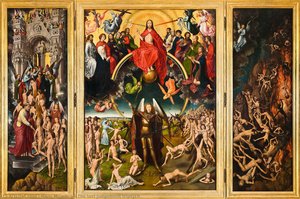
Memling's artistic style is instantly recognizable: characterized by luminous color palettes, delicately rendered drapery folds, and an astonishing level of anatomical accuracy. He meticulously studied human anatomy—drawing inspiration from classical sculpture—to achieve unparalleled realism in his portraits and religious scenes alike. Unlike many contemporaries who favored expressive brushstrokes, Memling prioritized meticulous observation and painstaking execution, resulting in images imbued with serene beauty and profound spiritual depth.- Religious Commissions: Memling’s reputation soared thanks to lucrative commissions from wealthy patrons—primarily clergymen and aristocratic families—who sought depictions of saints and biblical narratives that resonated with piety and prestige. Notable examples include “The Last Judgment” at St John's Hospital in Bruges, a monumental fresco showcasing Memling’s masterful compositional skills and dramatic use of color.
- Portraiture: Memling excelled as a portraitist, capturing the likenesses of prominent figures with remarkable sensitivity and psychological insight. His portraits—such as “Portrait of a Man with an Arrow”—demonstrate his ability to convey character through subtle gestures and facial expressions—a skill that cemented his place among the greatest artists of his era.
Influence & Legacy
Memling’s artistic legacy extends far beyond his own lifetime. His workshop produced a vast array of paintings—many bearing stylistic similarities to his original works—that propagated Memling's distinctive aesthetic across Flanders and beyond. Furthermore, Memling’s meticulous technique served as an inspiration for subsequent generations of artists—particularly Quentin Massys, who established the Antwerp School—solidifying Memling’s position as a cornerstone of Flemish Renaissance art.Rediscovery & Enduring Popularity
Memling's artistic achievements were largely forgotten until the 19th century when scholars rediscovered his paintings and championed his genius. Today, Memling’s works—particularly “The Last Judgment”—continue to captivate audiences worldwide, serving as enduring symbols of artistic excellence and spiritual contemplation. His meticulous attention to detail and profound understanding of human psychology remain remarkably relevant in our contemporary appreciation of art history.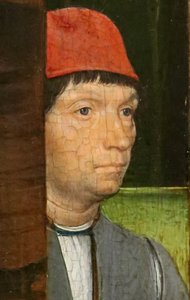
memling, hans
Germany
Quick Facts
- Artistic Movement Or Style: Early Netherlandish Painting
- Artists Or Movements Influenced By This Artist: ['Flemish Primitive']
- Artists Who Influenced This Artist: ['Rogier van der Weyden']
- Date Of Birth: c. 1430
- Date Of Death: 11 august 1494
- Full Name: Hans Memling
- Nationality: German-Flemish
- Notable Artworks:
- St Johns Hospital
- The Last Judgement
- Scenes from the Passion
- Place Of Birth: Seligenstadt, Germany
Related Articles
Illuminating Realism: Early Netherlandish Painting (15th-16th Centuries)
Explore the captivating world of Early Netherlandish painting! Discover Jan van Eyck, Hans Memling & more. Uncover symbolism, techniques & the legacy of these Flemish masters. A comprehensive guide for art enthusiasts.

El Greco's Masterpieces: Explore 25 Iconic Paintings & Spiritual Visions | ArtsDot
Journey through El Greco's 25 most iconic paintings! Explore the spiritual depth & dramatic beauty of this Spanish Renaissance master. Discover art history, techniques & find museum-quality reproductions for your home at ArtsDot.com.

Early Netherlandish Masters: 10 Paintings That Revolutionized Art & Decor
Journey into the world of Early Netherlandish painting! Explore 10 masterpieces by Jan van Eyck, Rogier van der Weyden & more. Discover stunning detail, symbolism & Renaissance art for your home decor. Find museum-quality reproductions on ArtsDot.com
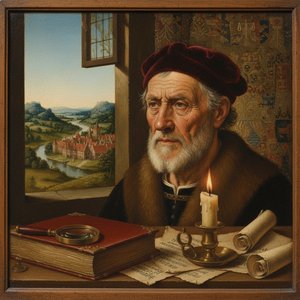
Illuminating Realism: Early Netherlandish Painting (15th-16th Centuries)
Explore the captivating world of Early Netherlandish painting (15th-16th centuries). Discover Jan van Eyck, Hans Memling & more. Uncover revolutionary techniques and hidden symbolism in this definitive guide.
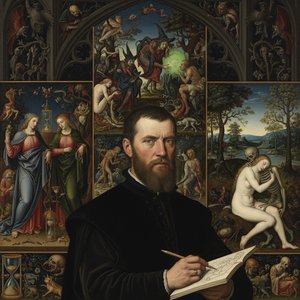
Hans Baldung Grien: A Renaissance Master of Allegory, Innovation & the Grotesque
Explore the captivating world of Hans Baldung Grien, a Renaissance master renowned for his allegorical paintings, striking woodcuts & unique depictions of mythology and the grotesque. Discover his life, works & legacy with ArtsDot.