 Preview
 Send
Send Share
Share
 Details

 Download
 Similars
 X-Ray
X-Ray Diaporama
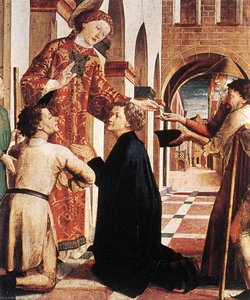
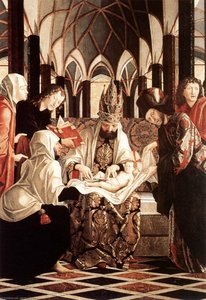
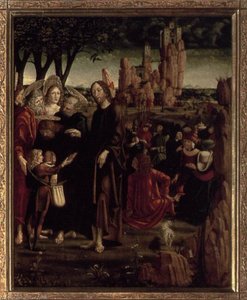
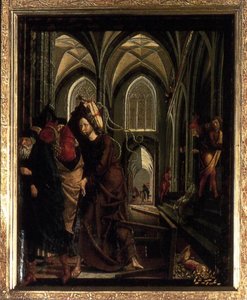
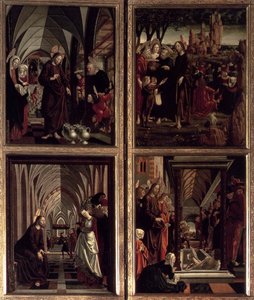
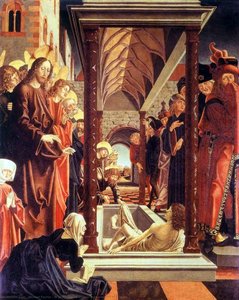
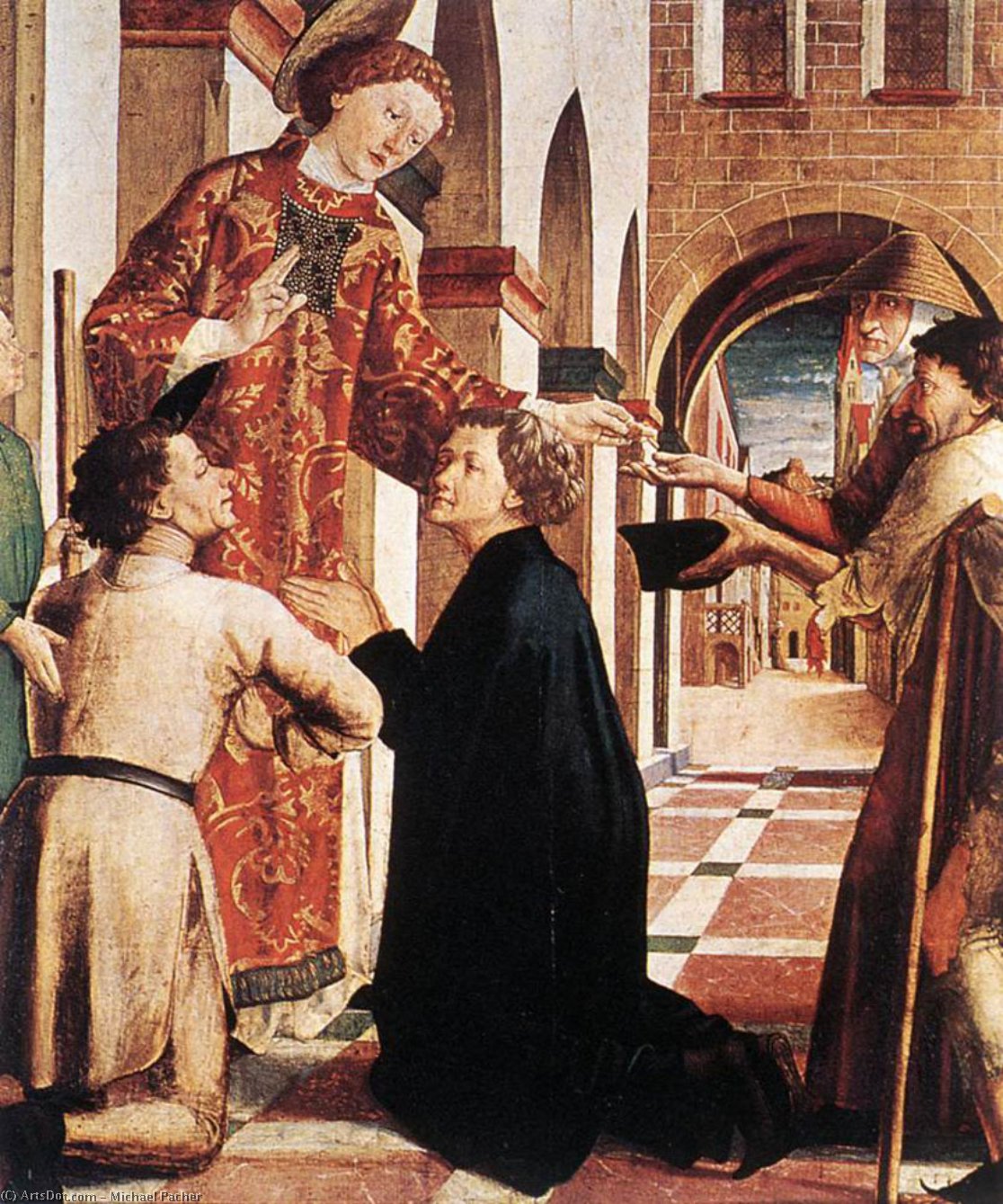
St Lawrence Distributing the Alms
 Oil On Canvas
- WallArt
- Early Renaissance
 1465
1465 100.0 x 97.0 cm
 Alte Pinakothek
 Read More
Hand Made Oil Reproduction
Hand-painted oil on canvas in your size and frame, made to order by our artists. ( Buy Print Buy Image)




P118B $10

P118H $10

P118W $10

P438Z $10

P508JH $12

P508YH $12

P805H $10

P805Z $10

P919BZ $10

P919G $10

P919XJ $10

P959ZH $10

P968JZ $12

W106C $8

W218G $10

W218JH $8

W218Y $10

W307PJ $10

W316G $10

W316PJ $8

W316Y $10

W398PJ $8

W4111J $10

W500HY $15

W500JH $15

W692G $12

W849H $8

W940BG $15

W953PJ $8




Pick from our preset sizes that match the artwork's original proportions.

You may enter your own dimensions to fit a specific frame or space. If your selected size does not match the original image's proportions, we will either crop the artwork or extend the painting with additional hand-painted elements. A digital mockup will be sent for your approval before production begins.
Please note that the on-screen preview does not reflect the actual cropping or extension. Only the mockup will accurately show the final composition.
While custom sizes are available, we recommend selecting a dimension from the predefined list to preserve the original proportions.
After order, ArtsDot.com team will email client for instructions and provide a mockup preview
Worldwide Delivery () in 3/4 weeks instead of standard 5 weeks. (17 August). No compromise on quality.

Free Worldwide Express Shipping

High-Quality Linen Canvas

Full Shipping Insurance

Customs Tax Refund Guarantee

True Color Matching Guarantee

60-Day Return Policy (Defects Only)

100% Money-Back Guarantee

Bulk Discount Offer
 Glass option is only available in size under 110 CM

St Lawrence Distributing the Alms
Reproduction Medium
Reproduction Size
-


Total Price
$ 263
Artwork Description
The Alms of Saint Lawrence: A Window into Renaissance Tyrol
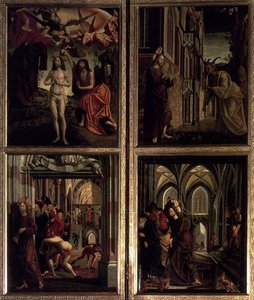
Michael Pacher’s “St Lawrence Distributing the Alms,” painted in 1465-70, isn't merely a depiction of a biblical scene; it’s a meticulously crafted microcosm of late medieval society and a testament to the burgeoning artistic currents flowing through the Alpine region of Tyrol. This polyptych panel, now housed within the Alte Pinakothek in Munich, offers a rare glimpse into the world of a 15th-century nobleman's chapel – a space designed not just for worship but also as a powerful statement of civic virtue and familial piety. Pacher’s genius lies in his ability to seamlessly blend the formal elegance of Italian Renaissance influences with the deeply rooted traditions of Northern European art, creating an image that is both strikingly modern and profoundly resonant.
The scene itself unfolds within a meticulously rendered architectural setting – a church dominated by a towering Gothic spire. At its center stands Saint Lawrence, depicted not as a heroic figure of martyrdom, but as a humble servant distributing alms to the impoverished inhabitants of the town. The figures kneeling before him are remarkably individualized, reflecting the growing trend in art towards naturalistic representation and psychological depth. Note the subtle variations in their clothing, gestures, and expressions – each conveying a distinct sense of need and gratitude. This level of detail was revolutionary for its time, demonstrating Pacher’s mastery of observation and his commitment to portraying human experience with remarkable sensitivity.
The Influence of Mantegna: Perspective and Spatial Drama
Pacher's journey to Padua in Italy proved transformative, profoundly shaping the trajectory of his artistic development. His encounter with Andrea Mantegna’s frescoes ignited a passion for perspective and spatial composition – elements that would become hallmarks of Pacher’s distinctive style. Mantegna’s innovative use of linear perspective, creating an illusion of depth on a flat surface, is evident in “St Lawrence Distributing the Alms.” The receding lines of the church walls, the carefully arranged figures within the foreground, and the subtle modeling of forms all contribute to a convincing sense of three-dimensionality. This technique was relatively new in Northern Europe at the time, and Pacher’s adoption of it marked a significant step towards embracing Renaissance artistic principles.
However, Pacher doesn't simply mimic Mantegna; he adapts these innovations to his own regional context. The overall composition retains a distinctly Gothic sensibility – the monumental scale of the church, the elaborate ornamentation, and the stylized figures all reflect the enduring influence of Northern European traditions. This synthesis of Italian Renaissance innovation and Northern Gothic style is what makes Pacher’s work so unique and compelling.
Symbolism and Civic Virtue
Beyond its technical brilliance, “St Lawrence Distributing the Alms” is rich in symbolic meaning. Saint Lawrence himself was a Roman martyred for refusing to participate in pagan rituals – his story served as a potent reminder of the importance of Christian faith and moral integrity. The act of distributing alms represented not only charity but also civic responsibility – a call to action for the wealthy elite to care for the poor and vulnerable within their community. The presence of prominent figures from local society, depicted alongside the beggars and the priest, underscores this message, suggesting that piety and social engagement were inextricably linked in 15th-century Tyrol.
Furthermore, the altarpiece’s polyptych format – with its movable panels – allowed for a flexible presentation of religious narratives. The specific arrangement of scenes could be adapted to suit different occasions and liturgical seasons, reinforcing the importance of faith within the daily lives of the community. The inclusion of family members in the scene also highlights the role of patronage in supporting the arts and promoting religious devotion.
A Legacy of Craftsmanship: Reproduction and Beyond
Today, “St Lawrence Distributing the Alms” stands as a remarkable achievement of late medieval art – a testament to Michael Pacher’s artistic skill, his innovative spirit, and his deep understanding of human nature. Reproductions offer an accessible way to experience the beauty and complexity of this masterpiece, bringing its rich symbolism and evocative imagery into homes and galleries around the world. When commissioning a reproduction, consider the meticulous detail and vibrant colors that capture the essence of Pacher’s original work – a true reflection of a pivotal moment in art history.
Related Artworks
Artist Biography
A Tyrolean Bridge Between Worlds
Michael Pacher, born around 1435 in the alpine landscapes of Bolzano, stands as a pivotal figure in the transition from Gothic artistry to the burgeoning Renaissance spirit within German-speaking lands. He wasn’t merely an artist; he was a craftsman who seamlessly blended painting and sculpture, architecture and intricate detail, creating altarpieces that were less religious objects and more immersive worlds of faith and storytelling. While his early life remains shrouded in some mystery—details of his initial training are scarce—it's clear that Pacher possessed an innate talent nurtured by the artistic currents flowing through Tyrol during the mid-15th century. His journey took a decisive turn with a visit to Padua, Italy, where he encountered the revolutionary frescoes of Andrea Mantegna. This exposure proved transformative, imbuing his work with a newfound understanding of perspective and spatial composition—elements that would distinguish him from many of his contemporaries.The St. Wolfgang Altarpiece: A Masterpiece Unveiled
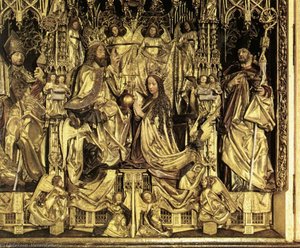
Pacher’s reputation rests most firmly upon the magnificent St. Wolfgang Altarpiece, created between 1471 and 1481 for the pilgrimage church in Austria. This isn't simply a painting; it is an elaborate polyptych, a multi-paneled masterpiece designed to unfold like a sacred narrative. The altarpiece’s ingenious design allows for three distinct displays: one for everyday worship, another more ornate for Sundays, and a fully expanded version reserved for special holy days. Each configuration reveals different scenes from the lives of Jesus and the Virgin Mary, culminating in the breathtaking central panel depicting the Coronation of the Virgin as Queen of Heaven—a sculpted scene radiating with divine majesty. The outer wings portray episodes from the life of Saint Wolfgang himself, patron saint of pilgrims and craftsmen. Scholars suggest his brother, Friedrich Pacher, may have contributed to painting some of the outer panels, highlighting a collaborative spirit within the workshop. What truly sets this work apart is its sheer scale, complexity, and the astonishing level of detail in both the painted elements and the intricately carved figures. It’s a testament to Pacher's ability to command multiple artistic disciplines simultaneously.Blending Disciplines: Painting, Sculpture, and Architectural Vision
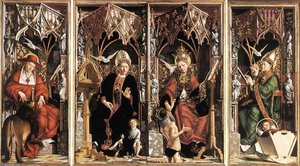
Beyond the St. Wolfgang Altarpiece, Pacher demonstrated his unique synthesis of art forms in works like the Altarpiece of the Church Fathers, completed around 1483 for Neustift Monastery. Here, he masterfully blurred the boundaries between painting and sculpture, creating a unified artistic experience. The monumental figures of the Church Fathers seem to emerge from their niches, imbued with a palpable sense of presence. Pacher’s skill in manipulating light and shadow further enhances this effect, lending depth and realism to the composition. He didn't merely depict space; he *created* it within the confines of the altarpiece structure. This innovative approach significantly influenced subsequent generations of artists in Northern Europe, who sought to emulate his ability to integrate diverse artistic techniques into a cohesive whole.Legacy and Lasting Influence
By 1467, Pacher had established a thriving workshop in Bruneck, becoming a prominent figure in the Tyrolean art scene. He received commissions from various religious orders, including the Franciscans in Salzburg around 1484. Sadly, many of his works have been lost or damaged over time due to conflicts and natural disasters—a poignant reminder of the fragility of artistic heritage. Despite these losses, the surviving masterpieces stand as enduring testaments to Pacher’s exceptional talent and innovative spirit. He was a true pioneer, successfully bridging the gap between the expressive forms of Northern Gothic art and the emerging principles of Italian Renaissance painting. His legacy lies not only in the beauty and technical brilliance of his creations but also in his ability to forge a uniquely personal style that continues to captivate and inspire viewers centuries later. Pacher’s work represents a crucial moment in art history—a time when tradition and innovation converged, giving rise to new artistic possibilities.
Michael Pacher
1435 - 1498 , Italy
Quick Facts
- Artistic Movement Or Style: Renaissance & Gothic
- Artists Or Movements Influenced By This Artist: ['Northern European artists']
- Artists Who Influenced This Artist: ['Andrea Mantegna']
- Date Of Birth: c. 1435
- Date Of Death: 1498
- Full Name: Michael Pacher
- Nationality: Tyrolean
- Notable Artworks:
- St. Wolfgang Altarpiece
- Church Fathers Altarpiece
- Resurrection of Lazar
- Coronation of the Virgin
- Place Of Birth: Bolzano, Italy
Related Articles

El Greco's Masterpieces: Explore 25 Iconic Paintings & Spiritual Visions | ArtsDot
Journey through El Greco's 25 most iconic paintings! Explore the spiritual depth & dramatic beauty of this Spanish Renaissance master. Discover art history, techniques & find museum-quality reproductions for your home at ArtsDot.com.
Sir Thomas Lawrence: Portraiture, Power & Regency Society's Aesthetics
Explore the captivating world of Sir Thomas Lawrence, Regency England's premier portraitist. Discover his artistic techniques, powerful representations of society, and enduring legacy. Expert insights for discerning art collectors.

Jacob Lawrence: Narratives of Struggle, Resilience & Modernist Innovation
Explore the powerful narratives of Jacob Lawrence, a pivotal African American artist of the Harlem Renaissance. Discover his iconic 'Migration Series,' dynamic cubism style, and lasting impact on American art history.

Fra Angelico's Masterpieces: 25 Renaissance Paintings for Your Home | ArtsDot
Explore 25 breathtaking masterpieces by Fra Angelico, a Renaissance master. Discover the stories behind his iconic frescoes, Annunciations & religious art. Find museum-quality reproductions and elevate your home decor with ArtsDot.com.

Giotto's Masterpieces: 25 Renaissance Artworks for Your Home | ArtsDot
Explore 25 breathtaking artworks by Giotto di Bondone, a Renaissance master. Discover the stories behind iconic frescoes & paintings like the Scrovegni Chapel cycle. Find museum-quality Giotto reproductions and elevate your home decor with ArtsDot.com.