 Send
Send Share
Share
 Details

 Download
 Similars
 Diaporama
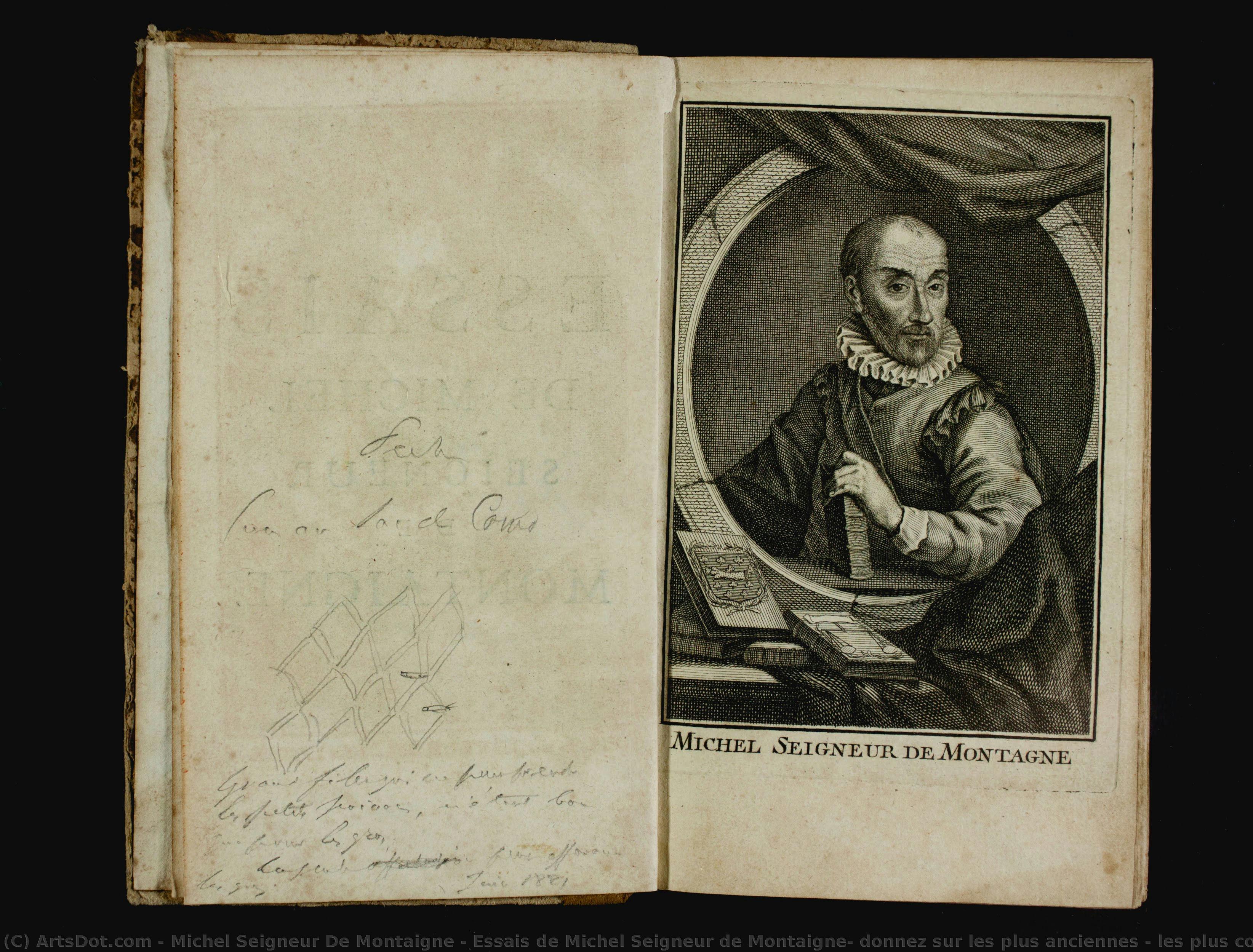
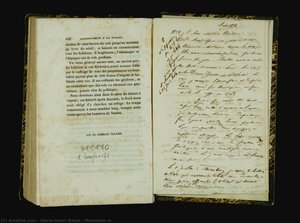
Essais de Michel Seigneur de Montaigne, donnez sur les plus anciennes & les plus correctes Editions.Augmentez de plusieurs Lettres de l


 Read More
Giclée / Art Print
Museum-quality giclée or canvas print with fast production and flexible finish options. ( Buy Hand Made Painting Buy Image)




































Pick from our preset sizes that match the artwork's original proportions.

You may enter your own dimensions to fit a specific frame or space. If your selected size does not match the original image's proportions, we will either crop the artwork or extend the image with a mirrored or solid-fill edge. A digital mockup will be sent for your approval before production begins.
Please note that the on-screen preview does not reflect the actual cropping or extension. Only the mockup will accurately show the final composition.
While custom sizes are available, we recommend selecting a dimension from the predefined list to preserve the original proportions.
Worldwide Delivery () in 2 weeks instead of standard 4/5 weeks. (28 August)

Free Worldwide Express Shipping

High-Quality Linen Canvas

Full Shipping Insurance

Customs Tax Refund Guarantee

True Color Matching Guarantee

60-Day Return Policy (Defects Only)

100% Money-Back Guarantee

Bulk Discount Offer
 Glass option is only available in size under 110 CM

Essais de Michel Seigneur de Montaigne, donnez sur les plus anciennes & les plus correctes Editions.Augmentez de plusieurs Lettres de l
Giclée / Art Print
Reproduction Size
-


Total Price
$ 63
Related Artworks

Artist Biography
The Architect of the Inner Self: The Life and Legacy of Michel de Montaigne
Michel Eyquem, seigneur de Montaigne, a name that resonates through the corridors of history as both a philosopher and a pioneer, was a man who turned the lens of inquiry inward. Born in 1533 amidst the noble landscapes of France, his early years were shaped by a profound tension between aristocratic stability and the religious turbulence of the Renaissance. Raised in an environment where intellectual debate was as vital as lineage, Montaigne was deeply influenced by the diverse perspectives of his family—from the martial spirit of his father to the Protestant convictions of his mother. This duality of upbringing cultivated a mind that refused to accept easy certainties, fostering instead a lifelong devotion to the pursuit of truth through the lens of skepticism and personal observation. His education at the Collège de Guyenne in Bordeaux provided him with the classical tools of Latin and jurisprudence, yet it was not merely the mastery of law that defined him, but the application of analytical rigor to the human condition. As he matured, Montaigne moved away from the rigid, didactic structures of medieval thought, seeking instead a more fluid way to capture the fleeting nature of existence. He did not wish to lecture his readers on universal truths; rather, he sought to document the very process of thinking itself.The Revolution of the Essay
The true masterpiece of Montaigne’s life lies in his monumental work, Les Essais. Published in waves between 1580 and 1592, this collection represents a seismic shift in Western literature. Before Montaigne, writing was often a tool for instruction or religious dogma; with the birth of the essay, it became an intimate dialogue between the author and his own soul. The term "essay" itself—derived from the French essayer, meaning "to try" or "to attempt"—perfectly encapsulates his method. He was not presenting finished, polished doctrines, but rather testing ideas, weighing doubts, and exploring the boundaries of his own character. In these pages, Montaigne achieved a level of radical honesty that was unprecedented. He wove together casual anecdotes, autobiographical reflections, and profound philosophical insights, creating a tapestry of thought that felt remarkably modern even in the 16th century. His writing style is characterized by:- A seamless blending of the personal and the universal.
- An unflinching self-awareness that exposes both his strengths and his vulnerabilities.
- A skeptical approach to authority, favoring individual experience over inherited dogma.
- A conversational tone that invites the reader into his private intellectual journey.
Historical Significance and Enduring Influence
The impact of Montaigne’s work extends far beyond the borders of France or the era of the Renaissance. By championing the importance of the individual perspective, he laid the groundwork for much of modern Western philosophy and literature. His influence can be traced through the works of countless thinkers who sought to explore the nuances of subjectivity and the complexities of human nature. He taught the world that to understand humanity, one must first undertake the difficult task of understanding oneself. Even as he was admired in his lifetime as a statesman, his true immortality was secured through the written word. The Essais became a cornerstone of humanist thought, influencing everything from the development of the modern memoir to the skeptical traditions of Enlightenment philosophy. Today, Montaigne remains a vital figure for anyone navigating the complexities of identity and truth. His legacy is not found in static monuments, but in the living, breathing process of inquiry—a reminder that the most profound discoveries often begin with a simple, honest question: "Que sais-je?" (What do I know?).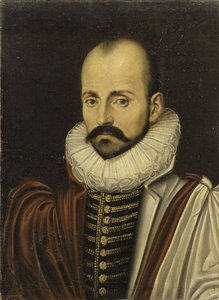
michel seigneur de montaigne
1533 - 1592 , France
Quick Facts
- Artistic Movement Or Style: Renaissance
- Artists Or Movements Influenced By This Artist:
- Shakespeare
- Hudson River School
- Artists Who Influenced This Artist:
- Francesco Petrarch
- Erasmus
- Date Of Birth: February 28, 1533
- Date Of Death: September 13, 1592
- Full Name: Michel Eyquem de Montaigne
- Nationality: French
- Notable Artworks: ['Essays']
- Place Of Birth: Céret, France
Related Articles

Goya's Masterpieces: Explore 25 Iconic Paintings & Art Prints | ArtsDot
Delve into the world of Francisco Goya with ArtsDot. Explore 25 iconic paintings – from 'The Third of May' to his haunting Black Paintings. Discover the stories, techniques & emotions behind these Spanish masterpieces. Find museum-quality art reproductions for your home at ArtsDot.com!

About Us
Discover our story! We bring world-class art into your life through expert curation, personalized creations, and free previews. Trusted by individuals and businesses since 2000.
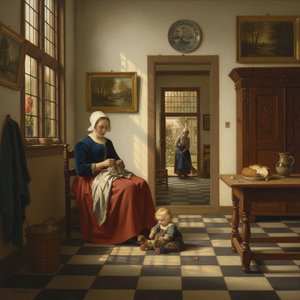
Pieter de Hooch: Illuminating Dutch Domestic Life & Golden Age Charm
Explore the captivating world of Pieter de Hooch, a master of Dutch Golden Age painting. Discover his innovative use of light, intimate domestic scenes, and lasting influence on art history. Learn more at ArtsDot.

Águeda Ruiz de la Prada: A Study of Eclecticism & Emotional Resonance in Contemporary Spanish Painting
Discover the vibrant world of Ágatha Ruiz de la Prada, a leading figure in contemporary Spanish art. Explore her eclectic style, emotional depth & legacy – a must-read for discerning collectors.

Peter De Wint: A Master of British Landscape & Quiet Pastoral Beauty
Discover the serene landscapes of Peter De Wint (1784-1849), a master of British Romanticism. Explore his life, technique & investment potential with expert insights from ArtsDot.