Early Life & Apprenticeship: Foundations of a Landscape Vision
Peter De Wint, born in the Staffordshire pottery town of Stone in 1784, emerged from an unlikely artistic lineage – his father was a physician of Dutch extraction who had emigrated from New York. This background, perhaps, instilled within him a sense of observation and a quiet appreciation for the subtle nuances of place. While not initially destined for a life with brush and palette, De Wint’s early inclination towards drawing led to lessons with a local painter, sparking a nascent passion that would soon define his career. However, it was his 1802 apprenticeship under the engraver John Raphael Smith in London that truly laid the foundations of his artistic journey. Smith, a prominent figure in the burgeoning printmaking world, provided De Wint with rigorous technical training – skills in mezzotint and portraiture that would later inform his delicate handling of light and shadow. This period wasn’t merely about mastering technique; it was an immersion into the commercial realities of art production, shaping his understanding of audience and market even as he developed his unique vision.
The Lincolnshire Period: Capturing the Essence of Rural England
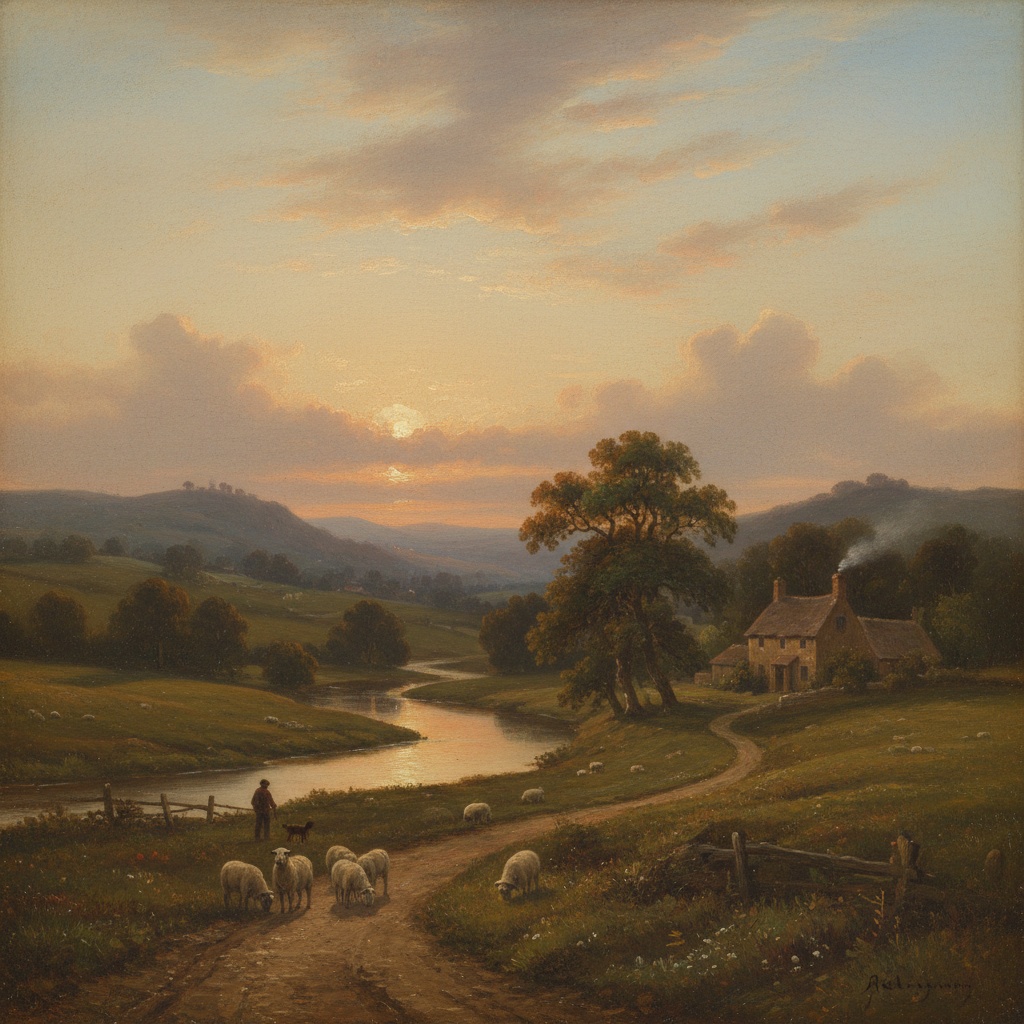
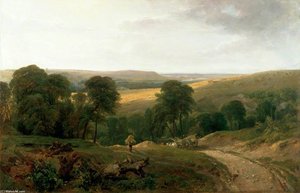
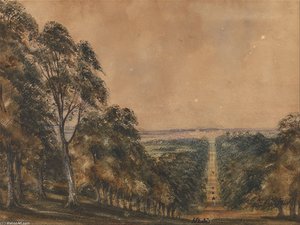
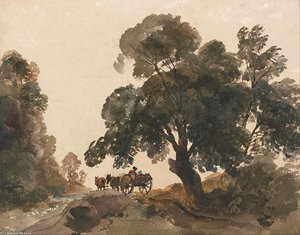
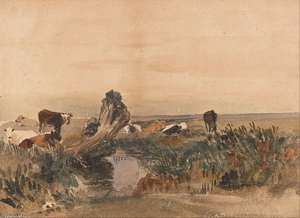
A pivotal moment arrived in 1806 when De Wint purchased his release from Smith’s apprenticeship – a transaction sealed with eighteen oil landscapes, demonstrating an early confidence in his burgeoning talent. This newfound freedom coincided with his first visit to Lincoln, a region that would become inextricably linked with his artistic identity. It was here, alongside the historical painter William Hilton (and later, through marriage to Hilton's sister Harriet), that De Wint discovered a landscape that resonated deeply within him: the gently rolling hills, expansive skies, and tranquil waterways of the Lincolnshire countryside. Unlike many of his contemporaries who sought dramatic mountain vistas or exotic foreign locales, De Wint found beauty in the understated charm of rural England. His paintings from this period aren’t grand statements; they are intimate observations – haymaking scenes bathed in golden light, quiet riverbanks reflecting the changing seasons, and weathered farm buildings that speak to a timeless connection between humanity and nature.
De Wint’s Watercolour Technique: Light, Atmosphere, and Subtlety
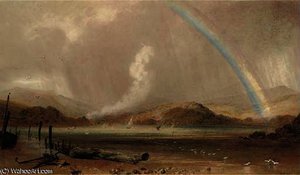
While proficient in oils, Peter De Wint truly excelled as a watercolourist. He became one of the chief English practitioners of this medium during the early 19th century, distinguished by his remarkable ability to capture atmosphere and light with unparalleled subtlety. His technique wasn’t about meticulous detail or bold brushwork; rather, it was characterized by washes of colour – layered and blended to create a sense of depth and luminosity. De Wint possessed an extraordinary sensitivity to tonal values, employing a restrained palette that allowed the paper itself to play a crucial role in the overall effect. He often worked quickly and directly, capturing fleeting moments of light and weather with remarkable spontaneity. This approach resulted in paintings that feel less like precise representations of specific locations and more like evocative impressions – memories of a place imbued with emotion and atmosphere. The influence of Dr. Monro’s informal academy, where he received guidance alongside other notable artists, undoubtedly contributed to his mastery of watercolour techniques.
Beyond Watercolour: Exploring De Wint's Oil Paintings and Typographical Work
Although celebrated primarily for his watercolours, dismissing De Wint as solely a watercolourist would be a disservice. His oil paintings, while less numerous, reveal a similar sensitivity to light and composition, often serving as studies for his more refined watercolour works. These canvases demonstrate a deeper exploration of texture and form, showcasing his ability to build depth through layering and glazing techniques. Furthermore, De Wint’s artistic output extended beyond the confines of traditional painting. He also produced topographical images that were widely reproduced in popular books of landscape views, bringing his vision to a broader audience. This foray into commercial illustration highlights his pragmatic approach to art – a desire not only to create beautiful works but also to share them with as many people as possible. His work for these publications demonstrates an understanding of the power of visual communication and its ability to shape public perception.
Peter De Wint & The Romantic Tradition: Influences and Legacy
Romanticism (also known as the Romantic movement or Romantic era) was an artistic and intellectual movement that originated in Europe towards the end of the 18th century. The purpose of the movement was to advocate for the importance of subjectivity...
De Wint’s art is firmly rooted in the English Romantic tradition, though his approach differs from the more dramatic landscapes of artists like Turner or Constable. Where those masters often emphasized grandeur and emotional intensity, De Wint focused on quiet contemplation and understated beauty. He shared a reverence for nature with his contemporaries but approached it with a sense of intimacy and restraint. His paintings evoke a feeling of peaceful solitude – a connection to the land that is both personal and universal. The influence of artists like John Sell Cotman can be seen in his simplified forms and emphasis on tonal values, yet De Wint’s work possesses a unique quality of warmth and luminosity. His legacy lies not in groundbreaking innovation but in perfecting a particular vision – a celebration of the English countryside that continues to resonate with audiences today. He demonstrated how profound beauty could be found not in spectacular vistas, but in the everyday moments of rural life.
Collecting Peter De Wint Today: Appreciation and Investment
Today, paintings by Peter De Wint are highly sought after by collectors who appreciate his delicate technique, atmospheric landscapes, and historical significance. A number of his works reside in prestigious institutions such as Tate Britain and the Victoria and Albert Museum, testament to his enduring artistic merit. While prices vary depending on size, subject matter, and condition, acquiring a De Wint painting represents not only an investment but also an opportunity to own a piece of English art history. His watercolours, in particular, are prized for their freshness and luminosity, offering a glimpse into the tranquil beauty of 19th-century rural England. ArtsDot offers high-quality reproductions of De Wint’s masterpieces, allowing you to experience his vision firsthand. Whether you're an established collector or just beginning your art journey, exploring the work of Peter De Wint is a rewarding pursuit – a chance to connect with a master of light, atmosphere, and quiet pastoral beauty. For those considering acquiring original works, expert appraisal is recommended to ensure authenticity and value.