Early Life & Artistic Foundations: A British Beginnings
 james netherlands
James Holland (1799-1870) was a British artist renowned for vibrant flower paintings, landscapes & Venetian scenes in both oils & watercolour. A Royal Watercolour Society member, his work bridges Romanticism & Impressionism. Discover his forgotten ar
James Holland, known as James Netherlands (a name he adopted early in his career), emerged from the vibrant artistic milieu of late 18th and early 19th-century Britain. Born in 1799, a period steeped in Romantic ideals yet increasingly attuned to observational realism, Netherlands’ path wasn't one of formal academic training but rather a self-directed immersion in the burgeoning art world. While biographical details remain somewhat elusive – a common fate for artists operating outside the established Royal Academy circles – it is clear he possessed an innate talent and a keen eye for detail that quickly set him apart. His early works, though less documented, suggest a foundation built upon landscape painting, reflecting the enduring British fascination with the natural world. This initial focus would later evolve, but the sensitivity to light and atmosphere characteristic of his mature style was undoubtedly nurtured in these formative years. The adoption of ‘Netherlands’ itself hints at an aspiration – perhaps a stylistic connection to the Dutch Masters renowned for their meticulous depictions of everyday life and luminous landscapes.
Venetian Canals & Atmospheric Landscapes: The Heart of Netherlands’ Style
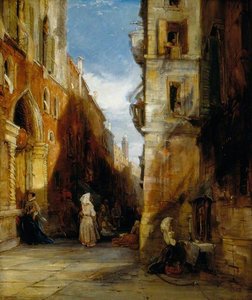
 Rotterdam
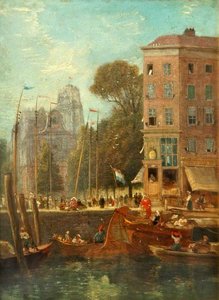
Discover "Rotterdam" by James Netherlands – a vibrant oil painting of Venetian canals! Realism meets Impressionism in this bustling scene. Explore rich colors & textures, capturing daily life in Venice.
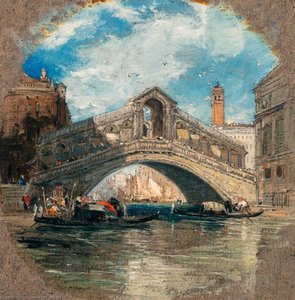
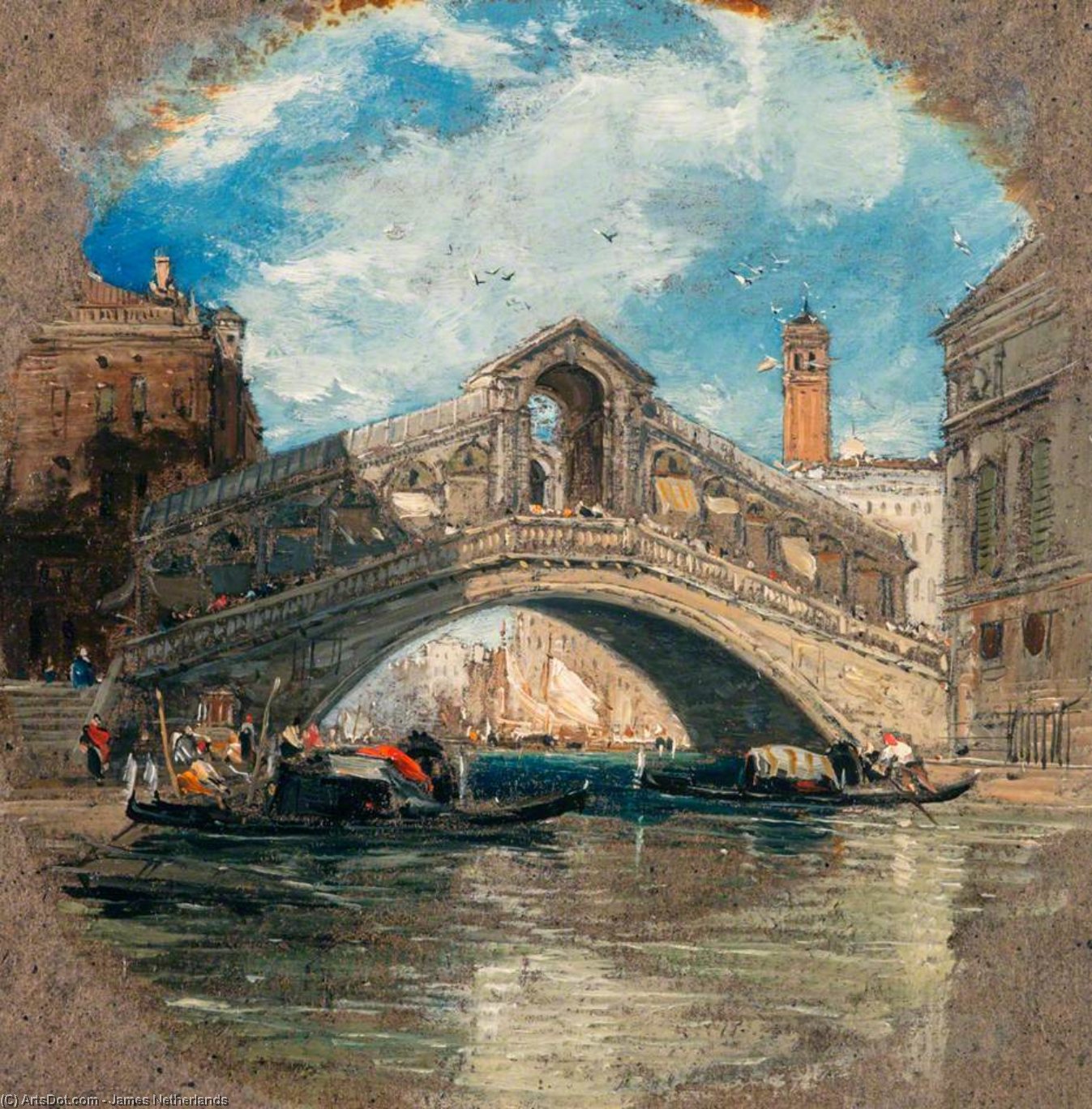
The defining characteristic of James Netherlands' oeuvre is undoubtedly his captivating portrayal of Venice. Unlike many artists who visited the city as a fleeting stop on the Grand Tour, Netherlands developed a profound and sustained relationship with its canals, architecture, and bustling daily life. He wasn’t merely documenting picturesque scenes; he was capturing the very *essence* of Venice – its shimmering light, the reflections dancing on the water, the subtle gradations of color in the aged palazzi. His paintings are imbued with an atmospheric quality that transcends simple representation, evoking a sense of place and time. Rotterdam, for example, is not simply a view of a canal; it’s a vibrant snapshot of Venetian life unfolding – gondolas gliding past, figures engaged in conversation, the subtle play of sunlight on stone. This ability to blend realism with an almost Impressionistic sensibility—a precursor to later movements—is what distinguishes Netherlands from his contemporaries.
Technique & Materials: Oil, Watercolour, and the Pursuit of Realism
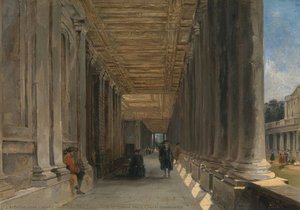
 Greenwich Hospital
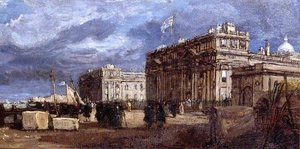
Discover James Netherlands’ "Greenwich Hospital," a captivating watercolor depicting 18th-century architecture & civic life. Romantic realism meets atmospheric detail – explore this unique artwork!
Netherlands was a versatile artist proficient in both oil and watercolour, though he is perhaps best known for his delicate and luminous watercolours. His technique involved a masterful layering of washes, building up depth and complexity through subtle variations in tone and color. He wasn’t afraid to experiment with texture, often employing techniques like dry brushing to create the impression of weathered stone or rough plaster. In his oil paintings, he demonstrated a similar commitment to realism, meticulously rendering architectural details and capturing the nuances of light and shadow. He favored a relatively smooth brushstroke, allowing the colors to blend seamlessly and create a sense of atmospheric perspective. The choice of materials – high-quality pigments and durable cotton canvases—reflects a dedication to creating works that would endure. His watercolors, in particular, showcase an extraordinary control over the medium, achieving a level of detail and luminosity rarely seen.
Netherlands' Place in Art History: Romanticism, Impressionism, and Beyond
Pinpointing James Netherlands within a specific art historical movement proves challenging—and perhaps ultimately unnecessary. He occupies a fascinating liminal space, bridging the tail end of Romanticism with the nascent stirrings of Impressionism. While his subject matter – Venetian landscapes – aligns with Romantic ideals of picturesque beauty and emotional resonance, his approach to light, color, and detail foreshadows the innovations of the Impressionists. He shared the Realist’s commitment to depicting contemporary life, but lacked their overt social commentary. He wasn't focused on grand narratives or political statements; rather, he was interested in capturing the fleeting beauty of everyday moments. His membership in the Royal Watercolour Society further cemented his position within the British art establishment, yet his style remained distinctly individualistic. He can be seen as a precursor to later artists who sought to capture the atmospheric effects of light and color, paving the way for a more subjective and expressive approach to landscape painting.
Key Works & Lasting Legacy: 'Rotterdam' and 'Greenwich Hospital'
While Netherlands produced a substantial body of work, two paintings stand out as particularly representative of his style and skill: Rotterdam and Greenwich Hospital. ‘Rotterdam’ exemplifies his mastery of Venetian scenes, capturing the bustling energy of the canals with vibrant color and atmospheric detail. The painting is a testament to his ability to blend realism with an almost poetic sensibility. ‘Greenwich Hospital’, on the other hand, showcases his skill in depicting architectural subjects and civic life. This watercolor demonstrates his meticulous attention to detail and his sensitivity to light and shadow. Though largely overlooked during his lifetime, Netherlands’ work has experienced a resurgence of interest in recent years as scholars and collectors rediscover his unique vision. His paintings offer a captivating glimpse into 19th-century Venice and a testament to the enduring power of atmospheric realism. At ArtsDot, we are proud to offer high-quality reproductions of Netherlands’ masterpieces, allowing you to experience the beauty and detail of his work firsthand.