 Preview
 Send
Send Share
Share
 Details

 Download
 Similars
 X-Ray
X-Ray Diaporama
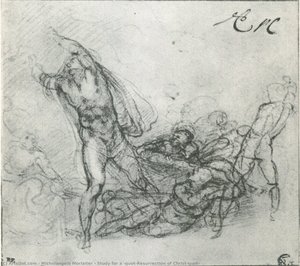
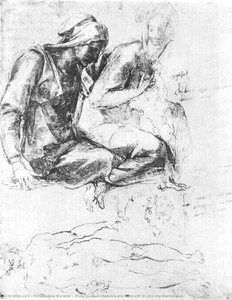
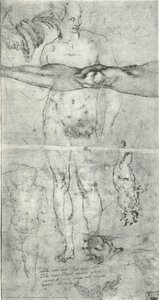
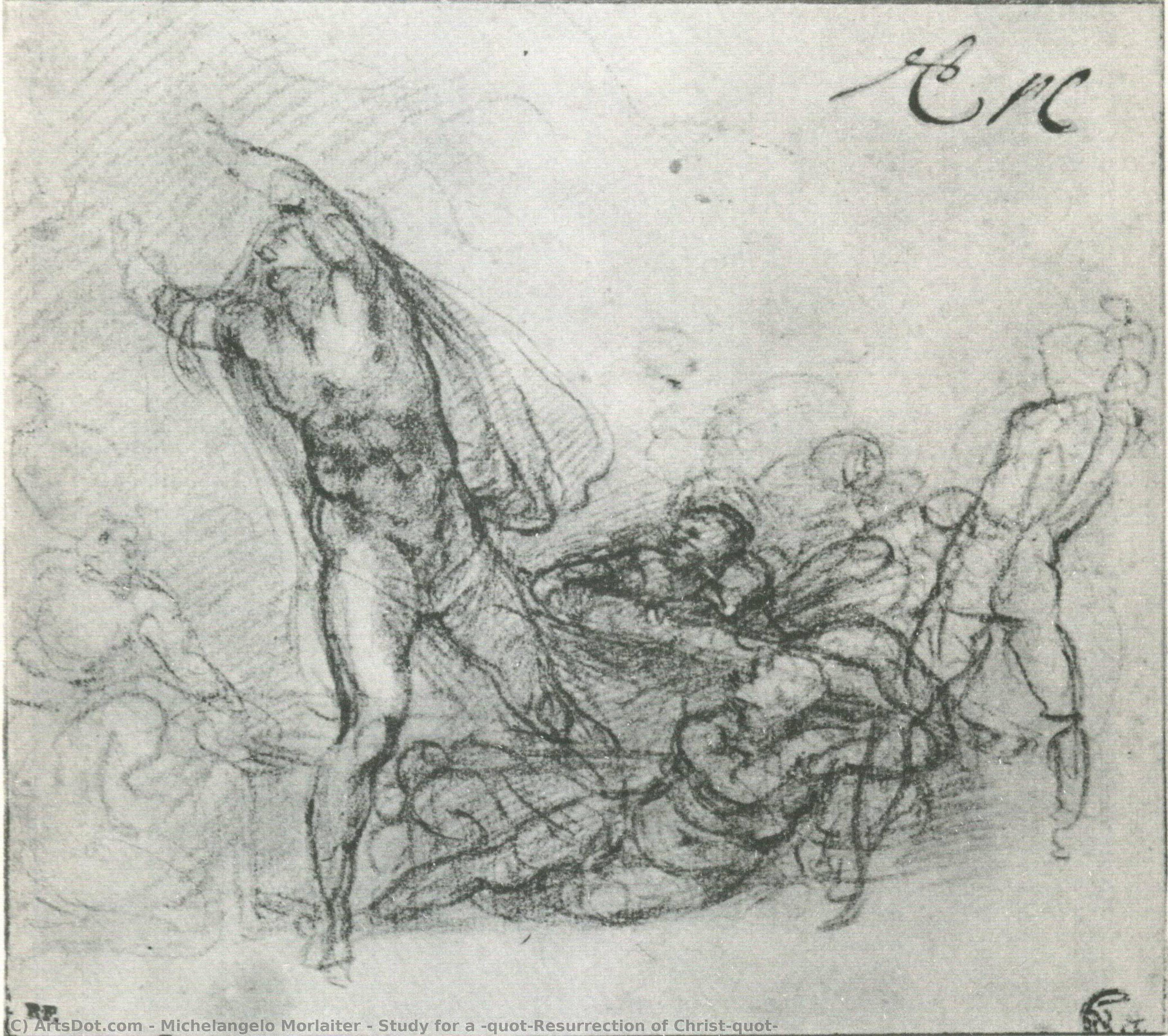
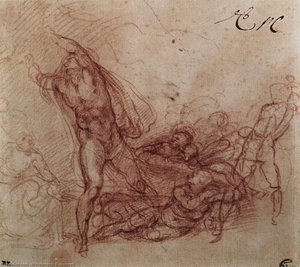
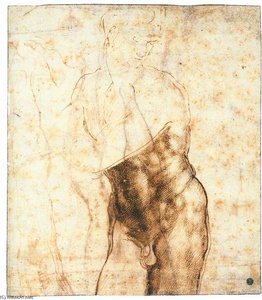
Study for a ^quot;Resurrection of Christ^quot;
 Late Renaissance Mannerism
 1533
1533 17.0 x 16.0 cm
 The Louvre
 Read More
Giclée / Art Print
Museum-quality giclée or canvas print with fast production and flexible finish options. ( Buy Hand Made Painting Buy Image)




P118B $10

P118H $10

P118W $10

P438Z $10

P508JH $12

P508YH $12

P805H $10

P805Z $10

P919BZ $10

P919G $10

P919XJ $10

P959ZH $10

P968JZ $12

W106C $8

W218G $10

W218JH $8

W218Y $10

W307PJ $10

W316G $10

W316PJ $8

W316Y $10

W398PJ $8

W4111J $10

W500HY $15

W500JH $15

W692G $12

W849H $8

W940BG $15

W953PJ $8




Pick from our preset sizes that match the artwork's original proportions.

You may enter your own dimensions to fit a specific frame or space. If your selected size does not match the original image's proportions, we will either crop the artwork or extend the image with a mirrored or solid-fill edge. A digital mockup will be sent for your approval before production begins.
Please note that the on-screen preview does not reflect the actual cropping or extension. Only the mockup will accurately show the final composition.
While custom sizes are available, we recommend selecting a dimension from the predefined list to preserve the original proportions.
Worldwide Delivery () in 2 weeks instead of standard 4/5 weeks. (17 August)

Free Worldwide Express Shipping

High-Quality Linen Canvas

Full Shipping Insurance

Customs Tax Refund Guarantee

True Color Matching Guarantee

60-Day Return Policy (Defects Only)

100% Money-Back Guarantee

Bulk Discount Offer
 Glass option is only available in size under 110 CM

Study for a ^quot;Resurrection of Christ^quot;
Giclée / Art Print
Reproduction Size
-


Total Price
$ 63
Collectible Description
Study for a “Resurrection of Christ” – A Moment Frozen in Charcoal
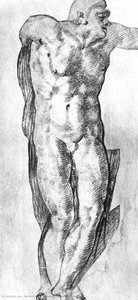
Michelangelo Morlaiter’s “Study for a ‘Resurrection of Christ’” transcends mere sketch; it embodies the spirit of Venetian Mannerism, capturing a pivotal moment in Christian iconography with remarkable dynamism and expressive power. Executed in 1533 during Rome's artistic zenith, this piece offers a glimpse into Michelangelo Morlaiter’s meticulous approach to preparing for monumental works—a testament to his dedication to disegno, the foundational principles of Renaissance art.Composition & Technique: Embracing Chaos with Control
The drawing immediately commands attention through its bold diagonal lines, conveying an urgent sense of movement and mirroring the dramatic narrative unfolding within. Morlaiter eschews precise anatomical detail in favor of capturing gesture and form—a hallmark of Mannerist style—resulting in a composition that feels deliberately fractured yet powerfully unified. Charcoal is skillfully applied on paper using a dry technique, producing a rich tonal range and textural surface that speaks to the artist’s sensitivity to materiality. The heavy emphasis on lines creates volume and depth, guiding the viewer's eye across the scene and emphasizing the central figure’s upward reach—a symbolic gesture of ascension and rebirth.Historical Context & Artistic Influences
Born into a family steeped in sculpture, Michelangelo Morlaiter honed his skills under Giovanni Battista Falconetti, mastering anatomical accuracy and stylistic refinement. This training instilled in him an unwavering commitment to classical ideals, mirroring the broader artistic landscape of Venice during the Renaissance. The drawing reflects the influence of artists like Andrea Mantegna and Giulio Romano—fellow Mannerists who prioritized expressive line work and dramatic spatial illusion over strict realism. Morlaiter’s study serves as a crucial precursor to larger commissions, demonstrating his ability to distill complex ideas into concise visual representations.Symbolism & Emotional Resonance
The central figure's upward posture embodies the core theological concept of resurrection—a triumphant affirmation of faith and divine grace. The surrounding figures are rendered with minimal detail, suggesting emotional intensity and conveying the palpable energy of the scene. Morlaiter’s masterful use of charcoal captures not only physical form but also psychological nuance, inviting contemplation on themes of suffering, hope, and spiritual transformation.A Window into Artistic Process
“Study for a ‘Resurrection of Christ’” is more than just an image; it's a document—a tangible record of Michelangelo Morlaiter’s creative process. It exemplifies the artist’s dedication to disegno, demonstrating how he approached monumental projects with careful observation and expressive experimentation. This intimate sketch reveals the profound impact of Venetian artistic tradition on Morlaiter’s oeuvre, securing his place as one of the most influential sculptors of his time.Related Artworks
Artist Biography
Michelangelo Morlaiter: Venetian Sculptor and Fresco Artist
Michelangelo Morlaiter (1766 – Present) stands as a testament to the enduring legacy of Venetian artistic tradition, particularly within the School of Athens. Born into a family steeped in sculpture—his father, Giovanni Maria Morlaiter, was himself a celebrated sculptor—Michelangelo inherited not only talent but also an unwavering dedication to mastering the craft of disegno, the foundational principles of Renaissance art. His formative years were spent absorbing the artistic atmosphere of Venice, a city renowned for its patronage of the arts and its commitment to preserving classical ideals.- Early Life & Training: Giovanni Maria Morlaiter’s influence was paramount in shaping Michelangelo's early artistic sensibilities. He honed his skills under Giovanni Battista Falconetti, a master sculptor known for his meticulous attention to detail and anatomical accuracy. This rigorous training instilled in Morlaiter a profound understanding of sculptural technique—a skill he would later translate into breathtaking frescoes that adorn prominent Venetian churches.
The Accademia di Scoltura, Pittura, ed Architettura Civile: A Crucible of Artistic Innovation
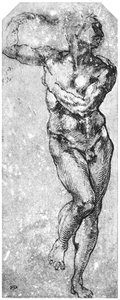
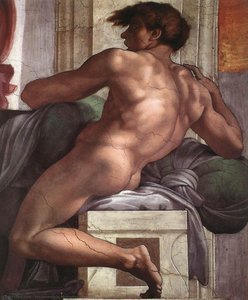
Michelangelo Morlaiter’s contribution to Venetian art extends far beyond individual masterpieces. He was a founding member and professor at the Accademia di Scoltura, Pittura, ed Architettura Civile in Venice (established 1766), an institution dedicated to reviving classical artistic ideals and fostering excellence in sculpture, painting, and architecture. This academy served as a vital hub for disseminating knowledge and nurturing talent—producing generations of artists who would shape the visual landscape of Venice and beyond. Morlaiter’s role as educator ensured that Venetian artistic traditions continued to flourish into the 19th century.- Notable Commissions & Artistic Style: Morlaiter gained renown for his monumental sculptures, notably ‘Ignudo,’ a stunning nude study reflecting the influence of Michelangelo Buonarroti and embodying the humanist spirit of the Renaissance. His frescoes within Chiesa dell'Angelo Raffaele—particularly “The Study of Adam”—demonstrate masterful fresco technique, characterized by layering pigments onto wet plaster to achieve luminous colors and unparalleled textural depth. These works exemplify Venetian Rococo art’s elegance and grace.
Influences & Artistic Legacy
Morlaiter's artistic vision was deeply rooted in the humanist ideals of the Renaissance, mirroring the broader cultural movement that championed reason, observation, and human dignity. He drew inspiration from Michelangelo Buonarroti’s sculptural achievements—particularly his David—and embraced the stylistic conventions of Venetian Rococo art, prioritizing decorative splendor and emotional expression alongside technical virtuosity. His enduring legacy resides in his contribution to Venetian artistic heritage and his role as a pivotal figure in shaping the aesthetic sensibilities of his time.- Major Achievements: Morlaiter’s sculptures are celebrated for their anatomical precision and expressive dynamism, capturing the human form with remarkable realism. His frescoes—particularly “The Study of Adam”—are considered masterpieces of Venetian fresco painting, showcasing unparalleled color palettes and textural nuances. He cemented his place in art history as a champion of classical ideals and a pivotal voice within Venice’s artistic community.
Historical Significance
Michelangelo Morlaiter's work represents more than just aesthetic beauty; it embodies the spirit of Venetian Renaissance culture—a commitment to reviving classical art forms and upholding humanist values. His influence extended beyond his immediate circle, shaping artistic trends throughout Venice and contributing to the preservation of Venetian artistic traditions for centuries to come. He stands as a symbol of Venetian artistic excellence and a testament to the enduring power of disegno.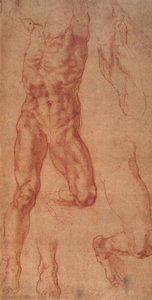
Quick Facts
- Artistic Movement Or Style: Rococo Art
- Artists Or Movements Influenced By This Artist: ['Renaissance Venice']
- Artists Who Influenced This Artist: ['Giovanni Morlaiter']
- Date Of Death: Living
- Full Name: Michelangelo Morlaiter
- Nationality: Italian
- Notable Artworks:
- Ignudo
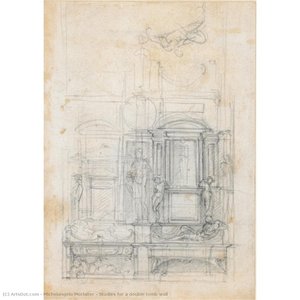
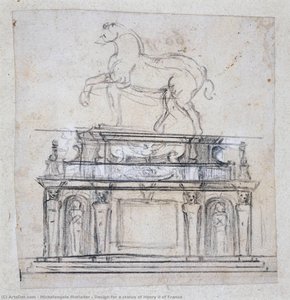
- Studies for a double tomb wall
- The Study of Adam
- Place Of Birth: Venice
Related Articles

Michelangelo's Masterpieces: Explore 25 Iconic Artworks for Your Home | ArtsDot
Journey through Michelangelo's 25 greatest artworks – from David’s strength to the Sistine Chapel’s beauty. Explore Renaissance masterpieces, art history & find museum-quality reproductions for your home at ArtsDot.com.
The Eloquent Line: Exploring the Artistic Significance of Sketches Across Movements and Media
Explore the profound artistic significance of sketches throughout history. From Renaissance masters to modern innovators like Van Gogh & Guston, discover how these foundational works reveal technique, emotion, and vision. Learn more at ArtsDot.
British Museum Masterpieces: Explore 25 Iconic Artworks & Decor Inspiration
Journey through 25 iconic artworks at the British Museum, London! Explore masterpieces from Egyptian sculptures to Renaissance paintings & uncover their stories. Find museum-quality art reproductions and curated decor ideas on ArtsDot.com.
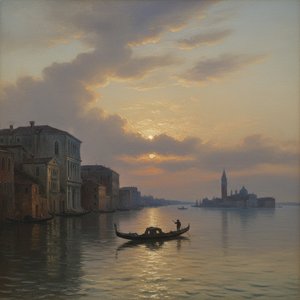
Michelangelo Morlaiter: Venetian Landscapes & the Pursuit of Atmospheric Realism
Explore the captivating landscapes of Michelangelo Morlaiter, a key figure in 18th-century Venetian painting. Discover his mastery of atmospheric perspective and lasting influence on Italian art history. Learn more at ArtsDot.

The Nuances of Graphite: Exploring Emotional Depth & Technical Mastery in Pencil Drawing
Explore the captivating world of graphite drawing! Discover its rich history, master essential techniques like chiaroscuro, and learn how artists evoke emotion through this timeless medium. Expert insights for art enthusiasts.