 Preview
 Send
Send Share
Share
 Details

 Download
 Similars
 X-Ray
X-Ray Diaporama
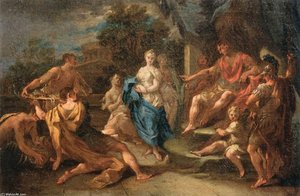
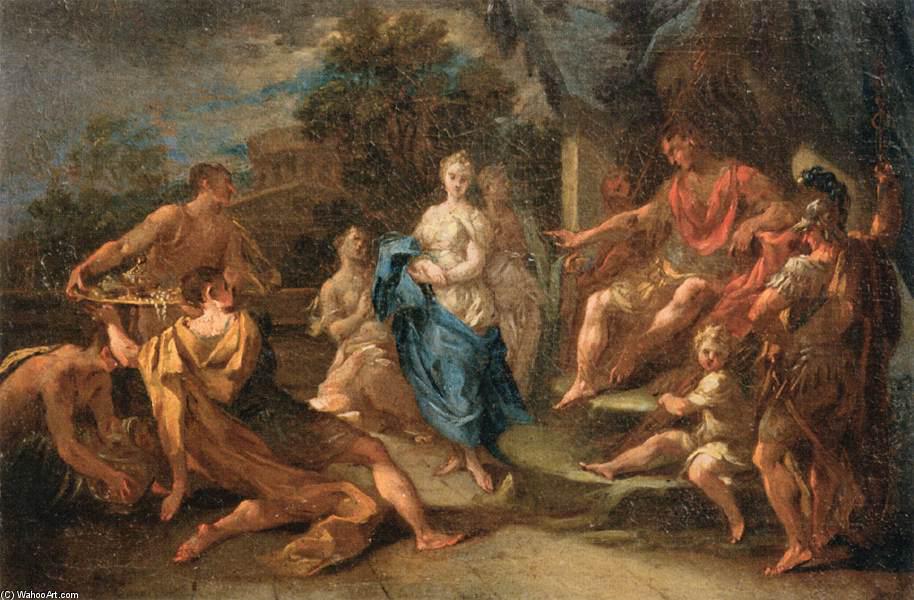
The Continence of Scipio
 Oil On Canvas
- WallArt
 1720
1720 24.0 x 35.0 cm
 The Louvre
 Read More
Hand Made Oil Reproduction
Hand-painted oil on canvas in your size and frame, made to order by our artists. ( Buy Print Buy Image)




P118B $10

P118H $10

P118W $10

P438Z $10

P508JH $12

P508YH $12

P805H $10

P805Z $10

P919BZ $10

P919G $10

P919XJ $10

P959ZH $10

P968JZ $12

W106C $8

W218G $10

W218JH $8

W218Y $10

W307PJ $10

W316G $10

W316PJ $8

W316Y $10

W398PJ $8

W4111J $10

W500HY $15

W500JH $15

W692G $12

W849H $8

W940BG $15

W953PJ $8




Pick from our preset sizes that match the artwork's original proportions.

You may enter your own dimensions to fit a specific frame or space. If your selected size does not match the original image's proportions, we will either crop the artwork or extend the painting with additional hand-painted elements. A digital mockup will be sent for your approval before production begins.
Please note that the on-screen preview does not reflect the actual cropping or extension. Only the mockup will accurately show the final composition.
While custom sizes are available, we recommend selecting a dimension from the predefined list to preserve the original proportions.
After order, ArtsDot.com team will email client for instructions and provide a mockup preview
Worldwide Delivery () in 3/4 weeks instead of standard 5 weeks. (17 August). No compromise on quality.

Free Worldwide Express Shipping

High-Quality Linen Canvas

Full Shipping Insurance

Customs Tax Refund Guarantee

True Color Matching Guarantee

60-Day Return Policy (Defects Only)

100% Money-Back Guarantee

Bulk Discount Offer
 Glass option is only available in size under 110 CM

The Continence of Scipio
Reproduction Medium
Reproduction Size
-


Total Price
$ 263
Artwork Description
Artistic Significance
The painting depicts a scene of moral restraint, as suggested by the title. A group of people are gathered around a central figure who appears to be Scipio Africanus, a prominent Roman general known for his virtues. The figures are dressed in classical attire, with some wearing togas and others draped in robes, indicative of the historical period being portrayed. Key Features of the painting include its realistic style, meticulous attention to detail, and use of light and shadow to create a sense of three-dimensionality. The color palette is dominated by earth tones, creating a warm and somewhat somber atmosphere that contrasts with the bright blue sky visible in the background.Artist and Museum
Michele Rocca was an Italian painter who was active during the 18th century. His works are characterized by their attention to detail and realistic style, as seen in The Continence of Scipio. The Musée du Louvre is one of the world's largest and most-visited art museums, housing over 380,000 objects and displaying approximately 35,000 works of art.- For more information on Michele Rocca and his works, visit /art/list/?Filter=Michele-Rocca
- To learn more about the Musée du Louvre and its collections, visit /art/list/?Filter=A@D3B2AT-The-Louvre-Museum-Paris-France
The Musée du Louvre is a must-visit destination for art lovers, with its vast collections and impressive exhibitions. Visitors can see The Continence of Scipio in person, along with other notable works by Michele Rocca and other artists.
Related Artworks

Artist Biography
Michele Rocca (1671 - 1751): The Sensuous Baroque Master
Michele Rocca, born in Parma around 1671 and dying sometime after 1751, was an Italian painter of the Baroque period. He gained renown as Parmigianino the younger or Michele da Parma, primarily active in Rome where he honed his skills under Pietro da Cortona. Rocca’s artistic vision embraced a profound sensualism—a characteristic deeply rooted in the burgeoning French Rococo style—evident throughout his oeuvre. His canvases frequently depicted mythological scenes brimming with opulent color palettes and masterful brushwork, reflecting influences from both Roman art history and the aristocratic patronage of Parisian courts.- Early Life & Training: Rocca’s formative years were spent in Parma, where he received instruction from Giovanni Battista Ferrari, establishing a foundation for his later artistic endeavors.
- Roman Period (1692-1730): Rocca's arrival in Rome marked the commencement of his prolific career as a painter. He quickly established himself within the Roman art scene and cultivated relationships with influential figures who shaped his artistic trajectory.
Notable Works & Artistic Style
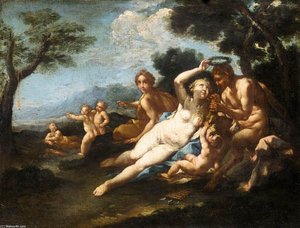
Rocca’s distinctive style is characterized by its luminous pigmentation, intricate detailing, and expressive handling of paint—qualities that cemented his reputation as a “petit maître,” a master craftsman specializing in small-scale cabinet pictures. His most celebrated works include "San Michele," a monumental fresco adorning the church of San Michele in Bologna, showcasing his mastery of perspective and dramatic composition. Equally captivating is “Satyr Crowned by a Nymph,” a delicately rendered mythological scene demonstrating Rocca’s meticulous attention to textural nuances and color harmonies. These paintings exemplify the Rococo aesthetic—a style defined by graceful curves, pastel hues, and idealized representations of human figures—reflecting the prevailing artistic sensibilities of his time.- “San Michele” Fresco (Bologna): Demonstrates Rocca’s exceptional skill in perspective and dramatic storytelling.
- “Satyr Crowned by a Nymph”: Exemplifies Rococo style with its refined textures and harmonious color palette.
Influences & Artistic Legacy
Rocca's artistic development was profoundly impacted by the stylistic innovations of Pietro da Cortona, whose frescoes in St. Peter’s Basilica served as a pivotal inspiration. Furthermore, he absorbed influences from Flemish Baroque painters—particularly Rubens—whose dynamic compositions and emotive brushwork instilled in Rocca a commitment to conveying psychological depth within his artworks. Rocca's legacy extends beyond his individual paintings; he established himself as a respected teacher and mentor, nurturing the talents of younger artists who continued to champion his artistic vision. His contribution to the Baroque tradition remains significant, securing his place among Italy’s most celebrated painters—a testament to his enduring artistry and stylistic brilliance.References
Bryan, Michael (1889). Walter Armstrong; Robert Edmund Graves (eds.). Dictionary of Painters and Engravers, Biographical and Critical. Vol. II L-Z. London: George Bell and Sons. p. 396. Wikipedia: Michele Rocca - https://en.wikipedia.org/wiki/Michele_Rocca WGAH: Rocca, Michele - https://www.wga.hu/bio_m/r/rocca/biograph.html Getty Museum: Michele Rocca - https://www.getty.edu/art/collection/person/103K1R My Open Museum: Michele Rocca - https://myopenmuseum.com/en/artist/michele-rocca-6836834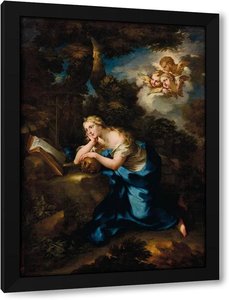
michele rocca
1710 - 1751 , Italy
Quick Facts
- Artistic Movement Or Style: Baroque Rococo
- Artists Or Movements Influenced By This Artist: ['Jean-Michel Basquiat']
- Artists Who Influenced This Artist: ['Pietro da Cortona']
- Date Of Birth: 1671 Parma Italy
- Date Of Death: ca. 1751 Venice Italy
- Full Name: Michele Rocca
- Nationality: Italian
- Notable Artworks: ['The J. Paul Getty Museum Collection']
- Place Of Birth: Parma Italy
Related Articles
Baroque Classicism: Reconciling Drama & Order in 17th-Century Art
Explore the captivating world of Baroque Classicism! Discover its history, key artists like Caravaggio & Rubens, and defining characteristics. Expert insights & high-quality reproductions at ArtsDot.
Neo-Classicism's Greatest Hits: 10 Masterpieces for Your Home |
Journey through Neo-Classicism's finest! Explore 10 iconic masterpieces by David, Ingres & Canova. Discover art history, techniques & timeless beauty – perfect for inspiring your home decor. Find museum-quality reproductions at

Baroque Drama: Bringing Opulence & Emotion into Contemporary Interiors
Explore the opulent world of Baroque interior design! Discover key elements, modern applications & how to bring dramatic elegance into your home with 's authentic reproductions.
Decoding Baroque Grandeur: A Guide to the Drama and Emotion of 17th-Century Art
Explore the breathtaking drama of 17th-century Baroque art. Our expert guide decodes the use of chiaroscuro, emotional intensity, and historical grandeur to help you appreciate and curate timeless masterpieces for your collection.
The Enduring Legacy of Classicism: Principles, Evolution & Influence in Western Art
Explore the enduring legacy of Classicism in Western art! Discover its historical context, key principles, iconic masterpieces & lasting influence. Learn about Renaissance and Neoclassical movements with ArtsDot.