 Preview
 Send
Send Share
Share
 Details

 Download
 Similars
 X-Ray
X-Ray Diaporama
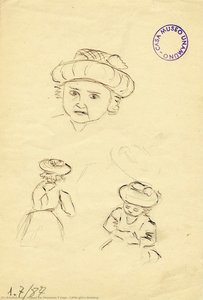
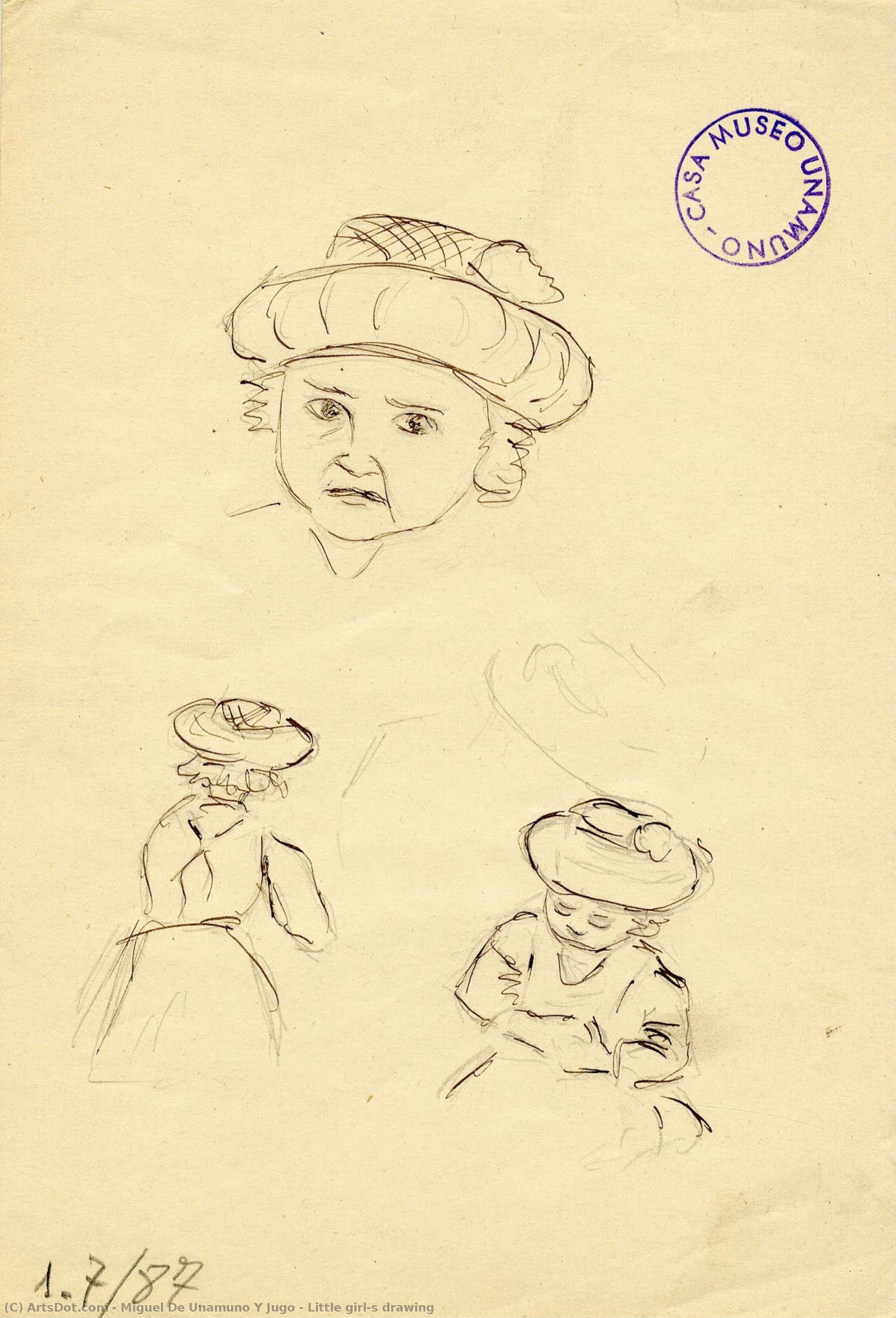
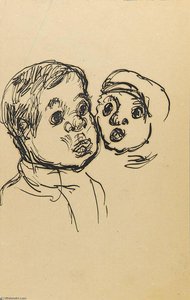
Little girl´s drawing


 Read More
Giclée / Art Print
Museum-quality giclée or canvas print with fast production and flexible finish options. ( Buy Hand Made Painting Buy Image)




P118B $10

P118H $10

P118W $10

P438Z $10

P508JH $12

P508YH $12

P805H $10

P805Z $10

P919BZ $10

P919G $10

P919XJ $10

P959ZH $10

P968JZ $12

W106C $8

W218G $10

W218JH $8

W218Y $10

W307PJ $10

W316G $10

W316PJ $8

W316Y $10

W398PJ $8

W4111J $10

W500HY $15

W500JH $15

W692G $12

W849H $8

W940BG $15

W953PJ $8




Pick from our preset sizes that match the artwork's original proportions.

You may enter your own dimensions to fit a specific frame or space. If your selected size does not match the original image's proportions, we will either crop the artwork or extend the image with a mirrored or solid-fill edge. A digital mockup will be sent for your approval before production begins.
Please note that the on-screen preview does not reflect the actual cropping or extension. Only the mockup will accurately show the final composition.
While custom sizes are available, we recommend selecting a dimension from the predefined list to preserve the original proportions.
Worldwide Delivery () in 2 weeks instead of standard 4/5 weeks. (16 August)

Free Worldwide Express Shipping

High-Quality Linen Canvas

Full Shipping Insurance

Customs Tax Refund Guarantee

True Color Matching Guarantee

60-Day Return Policy (Defects Only)

100% Money-Back Guarantee

Bulk Discount Offer
 Glass option is only available in size under 110 CM

Little girl´s drawing
Giclée / Art Print
Reproduction Size
-


Total Price
$ 63
Collectible Description
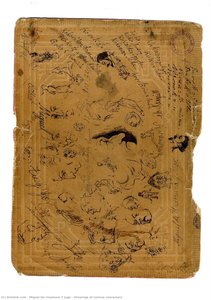
Little Girl’s Drawing by Miguel de Unamuno
This evocative sketch by Miguel de Unamuno captures a fleeting moment of childhood innocence against the backdrop of Basque soil, reflecting the artist's lifelong preoccupation with mortality and existential contemplation. Executed in black and white on aged paper—likely sourced from Bilbao—the drawing embodies Unamuno’s signature style: realism tempered with expressive looseness. The composition centers around two portraits of young girls positioned side by side, their faces rendered with careful observation yet imbued with a palpable sense of emotion. Lines dominate the artwork, defining forms and conveying movement, while tonal variation is achieved through subtle shifts in line weight—a technique characteristic of Unamuno’s spontaneous approach to capturing likeness and feeling.Style & Technique: A Dialogue Between Observation and Emotion
Unamuno's method prioritizes immediacy over meticulous detail. Unlike academic drawings focused on precise anatomical accuracy, this piece leans towards a more intuitive representation, prioritizing the artist’s emotional response to his subject matter. The loose rendering style—evident in the slightly blurred contours of the girls’ faces—suggests a deliberate rejection of idealized beauty, instead favoring an honest portrayal of youthful vulnerability. Charcoal or pen were employed on textured paper, enhancing the artwork's tactile quality and contributing to its aged aesthetic. This technique aligns with Unamuno’s broader artistic philosophy: embracing imperfection as a pathway to truth and capturing the essence of experience rather than merely replicating it visually.Historical Context & Symbolism
Created during Unamuno’s formative years—a period marked by profound intellectual engagement and personal loss—the sketch speaks to themes prevalent in his oeuvre. The inclusion of hats hints at social conventions of the time, subtly framing the girls within a specific cultural context. More broadly, however, the image embodies Unamuno's fascination with the human condition, exploring questions of identity, faith, and the confrontation with death. Like many modernist artists grappling with existential anxieties, Unamuno sought to distill complex philosophical ideas into visual form—a challenge he successfully accomplishes through this deceptively simple drawing.Emotional Impact & Artistic Legacy
The artwork’s subdued palette and understated lighting evoke a sense of nostalgia and intimacy, transporting the viewer back to a bygone era. The sketch's quiet contemplation mirrors Unamuno’s own introspective spirit, inviting reflection on themes of childhood, innocence, and the passage of time. It stands as a testament to Unamuno’s ability to convey profound emotional resonance through deceptively understated visual elements—a hallmark of his enduring artistic legacy.- Material: Charcoal or Pen
- Size: Unknown
- Date: Unknown
Related Artworks
Artist Biography
A Life Forged in Basque Soil: The Existential Journey of Miguel de Unamuno
Miguel de Unamuno y Jugo, born in the bustling port city of Bilbao, Spain, in 1864, was a figure destined to wrestle with the profoundest questions of human existence. His early life was marked by a shadow – the loss of his father when he was just six years old. This formative experience instilled within him a lifelong preoccupation with mortality, a theme that would permeate his philosophical inquiries and artistic expressions. Educated at the Vizcaino Institute in Bilbao and later at the University of Madrid, where he earned a doctorate in philosophy and letters in 1883, Unamuno’s intellectual curiosity was ignited early on. He initially engaged with Basque language and culture, even competing for a teaching position against Sabino Arana, but it was philosophy that truly captured his imagination, setting the stage for a career dedicated to unraveling the mysteries of faith, reason, and the human condition.Between Academia and Activism: A Restless Spirit
Unamuno’s academic journey led him to the University of Salamanca in 1897, where he began teaching Greek. He quickly rose through the ranks, becoming Rector in 1901 – a position he held, albeit controversially, for over a decade. His tenure was far from tranquil; Unamuno was not one to shy away from expressing his opinions, often clashing with political regimes and societal norms. A staunch supporter of the Allied cause during World War I, he faced dismissal from the university, followed by exile under the dictatorship of Miguel Primo de Rivera in 1924. He escaped to France before eventually returning after the regime’s fall, demonstrating a resilience born of conviction. Re-elected Rector of Salamanca University in 1931, his outspoken nature once again led to his removal in 1936 following a denunciation of Falangists during the Spanish Civil War – an act that ultimately resulted in house arrest and his untimely death later that year. This turbulent life, constantly navigating between intellectual pursuits and political activism, shaped Unamuno into a uniquely compelling voice of his era.The Agony of Existence: Literary and Philosophical Explorations
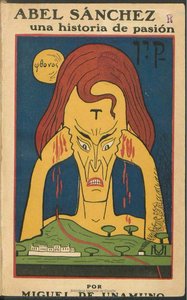
Unamuno’s legacy rests upon a body of work that defies easy categorization. He masterfully traversed multiple genres – essays, novels, poetry, and theater – often blurring the boundaries between them. His most influential writings include *The Tragic Sense of Life* (1912), a philosophical essay that delves into the inherent conflict between faith and reason, and novels such as *Abel Sánchez: The History of a Passion* (1917) and *Mist* (1914). Central to his philosophy was the concept of “agony,” stemming from humanity’s desperate desire for immortality and the impossibility of achieving it through rational thought alone. He emphasized the importance of individual will, the struggle against conformity, and the acceptance of life's inherent contradictions. His novella *San Manuel Bueno, mártir*, is a particularly poignant exploration of faith, doubt, and deception, revealing his complex relationship with religion and the human capacity for self-delusion. Unamuno’s writing style is characterized by its passionate intensity, lyrical prose, and relentless questioning – a reflection of his own internal struggles.A Bridge Between Eras: Influences and Enduring Significance
While not strictly aligned with any single school of thought, Unamuno's work anticipated many themes later explored in existentialism. He engaged with ideas from positivism and socialism, yet ultimately forged his own unique path. He is often associated with the Generation of '98 – a group of Spanish intellectuals responding to Spain’s crisis of identity at the turn of the century – though his relationship with them was complex and nuanced. Unamuno's writings had a profound impact on Spanish literature and philosophy, challenging traditional beliefs and prompting fundamental questions about human existence. He shared a cultural landscape with figures like Pablo Picasso, reflecting the broader artistic and intellectual ferment of his time. His legacy continues to inspire writers and thinkers today, particularly those interested in existentialism, Spanish literature, and the enduring complexities of faith and reason.A Final Silence: Death and Remembrance
Miguel de Unamuno died on December 31, 1936, in Salamanca, Spain, shortly after being removed from his position as Rector and placed under house arrest. The cause was a heart attack, but the circumstances surrounding his death were deeply intertwined with the turmoil of the Spanish Civil War – a conflict that profoundly affected him and his views on Spain’s future. His life and work are commemorated at the University of Salamanca, and scholarly study continues to illuminate the depth and complexity of his thought. The Casa Museo Unamuno offers intimate insights into his personal world, preserving his library, manuscripts, and artifacts for generations to come. Unamuno remains a towering figure in Spanish intellectual history – a restless spirit who dared to confront the fundamental questions of existence with unwavering honesty and passionate intensity.- Born: Bilbao, Spain, September 29, 1864
- Died: Salamanca, Spain, December 31, 1936
- Major Works: *The Tragic Sense of Life*, *Abel Sánchez: The History of a Passion*, *Mist*, *San Manuel Bueno, mártir*
- Key Themes: Existentialism, faith vs. reason, mortality, the agony of existence, individual will.
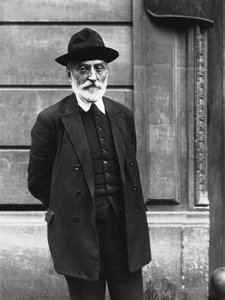
Miguel de Unamuno
1864 - 1936 , Spain
Quick Facts
- Artistic Movement Or Style: Modernist Literature
- Artists Or Movements Influenced By This Artist:
- Existentialism
- Generation of '98
- Artists Who Influenced This Artist:
- Positivism
- Socialism
- Date Of Birth: September 29, 1864
- Date Of Death: December 31, 1936
- Full Name: Miguel de Unamuno y Jugo
- Nationality: Spanish
- Notable Artworks:
- The Tragic Sense of Life
- Abel Sánchez
- Mist
- San Manuel Bueno, mártir
- Place Of Birth: Bilbao, Spain
Related Articles

White on Canvas: 10 Masterpieces & Timeless Elegance for Your Home Decor
Explore 10 iconic white paintings by Monet, Whistler & Rothko! Discover the stories behind these serene masterpieces and their impact on art history. Find museum-quality reproductions for your home decor at .
The Eloquent Line: Exploring the Artistic Significance of Sketches Across Movements and Media
Explore the profound artistic significance of sketches throughout history. From Renaissance masters to modern innovators like Van Gogh & Guston, discover how these foundational works reveal technique, emotion, and vision. Learn more at ArtsDot.

Dark Masterpieces: 10 Iconic Paintings Dominated by Black Tones |
Explore 10 iconic paintings dominated by black tones, from Rembrandt’s chiaroscuro to Goya's dark expressions. Discover the stories behind these masterpieces & find museum-quality art reproductions for your home at .

Monochrome Visions: Exploring the Aesthetic & Historical Significance of Black & White Photography
Explore the rich history & artistic power of black and white photography. From early techniques to iconic masters like Ansel Adams, discover why monochrome continues to captivate art lovers today. Expert insights for collectors.

The Nuances of Graphite: Exploring Emotional Depth & Technical Mastery in Pencil Drawing
Explore the captivating world of graphite drawing! Discover its rich history, master essential techniques like chiaroscuro, and learn how artists evoke emotion through this timeless medium. Expert insights for art enthusiasts.