 Preview
 Send
Send Share
Share
 Details

 Download
 Similars
 X-Ray
X-Ray Diaporama
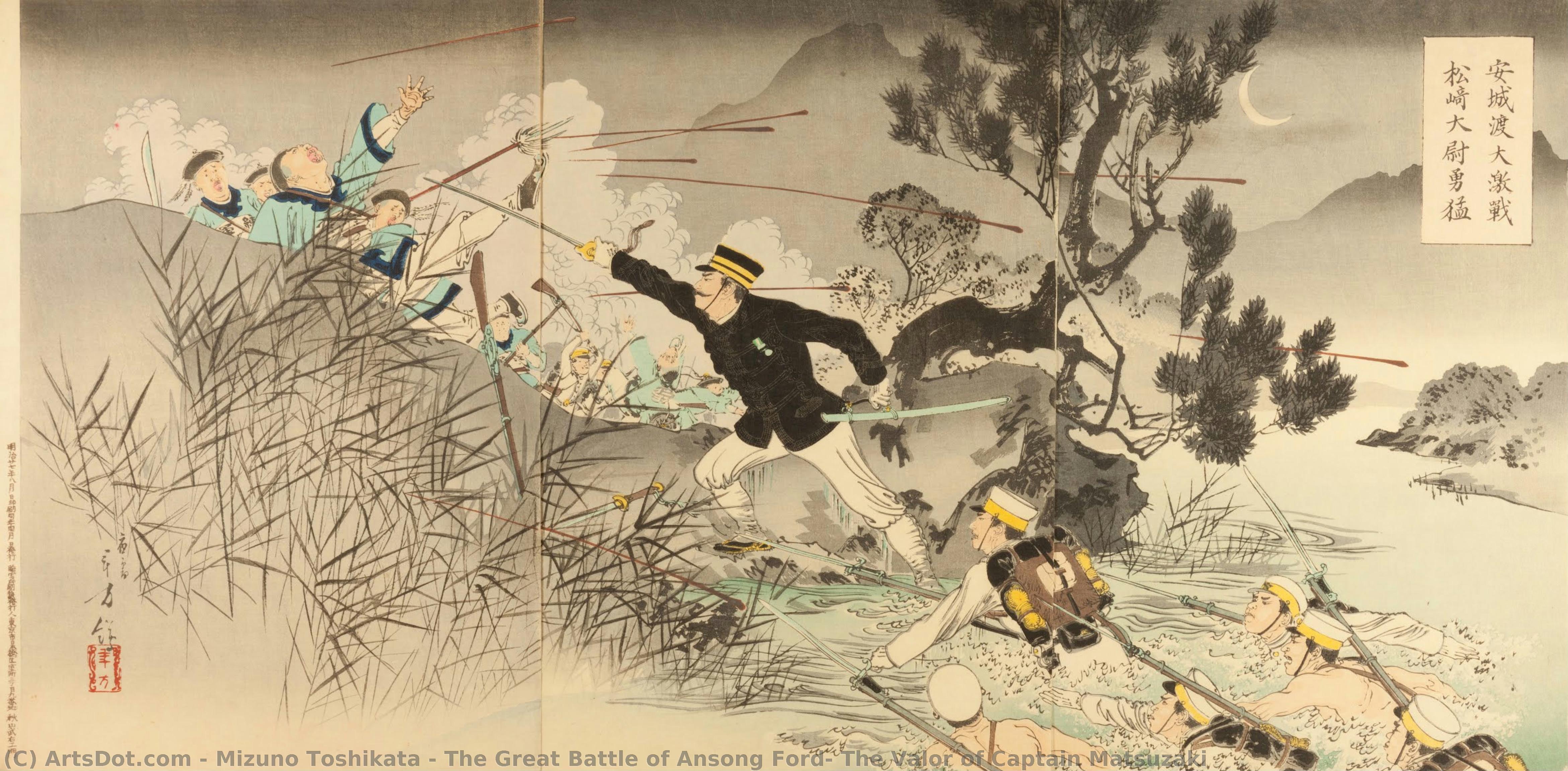
The Great Battle of Ansong Ford: The Valor of Captain Matsuzaki


 Read More
Hand Made Oil Reproduction
Hand-painted oil on canvas in your size and frame, made to order by our artists. ( Buy Print Buy Image)




P118B $10

P118H $10

P118W $10

P438Z $10

P508JH $12

P508YH $12

P805H $10

P805Z $10

P919BZ $10

P919G $10

P919XJ $10

P959ZH $10

P968JZ $12

W106C $8

W218G $10

W218JH $8

W218Y $10

W307PJ $10

W316G $10

W316PJ $8

W316Y $10

W398PJ $8

W4111J $10

W500HY $15

W500JH $15

W692G $12

W849H $8

W940BG $15

W953PJ $8




Pick from our preset sizes that match the artwork's original proportions.

You may enter your own dimensions to fit a specific frame or space. If your selected size does not match the original image's proportions, we will either crop the artwork or extend the painting with additional hand-painted elements. A digital mockup will be sent for your approval before production begins.
Please note that the on-screen preview does not reflect the actual cropping or extension. Only the mockup will accurately show the final composition.
While custom sizes are available, we recommend selecting a dimension from the predefined list to preserve the original proportions.
After order, ArtsDot.com team will email client for instructions and provide a mockup preview
Worldwide Delivery () in 3/4 weeks instead of standard 5 weeks. (5 September). No compromise on quality.

Free Worldwide Express Shipping

High-Quality Linen Canvas

Full Shipping Insurance

Customs Tax Refund Guarantee

True Color Matching Guarantee

60-Day Return Policy (Defects Only)

100% Money-Back Guarantee

Bulk Discount Offer
 Glass option is only available in size under 110 CM

The Great Battle of Ansong Ford: The Valor of Captain Matsuzaki
Reproduction Medium
Reproduction Size
-


Total Price
$ 263
A Cinematic Moment Frozen in Time
In the heart of the Meiji era, a period defined by the collision of ancient tradition and rapid modernization, Mizuno Toshikata captured a moment of breathtaking intensity. The Great Battle of Ansong Ford: The Valor of Captain Matsuzability is not merely a depiction of conflict; it is a visceral window into a world of steel, courage, and chaos. At the center of this swirling composition, two warriors are locked in a desperate struggle, their swords clashing with a kinetic energy that seems to vibrate off the canvas. The artist masterfully directs the viewer's eye through the carnage, from the frantic movements of soldiers in the background to the subtle, almost haunting presence of birds drifting above the fray. This painting serves as a dramatic narrative, inviting the observer to step onto the battlefield and feel the heat of the struggle.
The composition is a masterclass in balance amidst disorder. While the central duel provides the emotional anchor, Toshikata weaves secondary elements into the scene to create a sense of vast, unfolding history. A solitary boat rests near the upper periphery, suggesting the scale of the engagement and the logistical reality of naval or riverine warfare, while the presence of birds—some soaring high and others hovering low—adds a layer of naturalistic detachment. This juxtaposition between the violent human drama below and the indifferent beauty of the natural world creates a profound tension, reminding us that even in the height of valor and tragedy, the cycles of nature continue undisturbed.
The Mastery of the Meiji Ukiyo-e Tradition
As one of the final luminaries of the ukiyo-e tradition, Mizuno Toshikata brought a refined, delicate touch to the often-gritty subject matter of historical battles. Unlike the more flamboyant styles that preceded him, Toshikata’s technique in this 1894 masterpiece relies on a sophisticated use of line and atmosphere. His brushwork captures the glint of polished blades and the heavy textures of period attire with an elegance that belies the violence of the subject. The artist utilizes a palette that evokes the somber, dusty reality of a battlefield, yet he infuses the scene with enough light to highlight the heroic "valor" promised in the title.
For the discerning collector or interior designer, this work offers a unique opportunity to possess a piece of Japanese heritage. The painting’s ability to command attention through its narrative depth makes it an extraordinary focal point for a curated gallery wall or a sophisticated study. It is a piece that rewards repeated viewing; each time one looks closer, a new detail emerges—a subtle shift in a soldier's stance or the way the light catches a distant wave. To display a high-quality reproduction of this work is to bring into a contemporary space a sense of epic storytelling and the enduring spirit of the samurai era.
An Emotional Legacy for Modern Spaces
Beyond its historical significance, The Great Battle of Ansong Ford resonates on a deeply emotional level. It speaks to the universal themes of bravery, sacrifice, and the human struggle against overwhelming odds. The painting does not just depict a battle; it captures the very essence of heroism. This emotional weight makes it an ideal selection for those looking to add character and intellectual depth to their decor. Whether placed in a formal dining room to spark conversation or in a private library to inspire reflection, the artwork acts as a bridge between the nineteenth century and the present day.
Investing in a reproduction of Toshikata’s work allows for the appreciation of fine Japanese art without the constraints of museum glass. It provides an opportunity to integrate the dramatic aesthetics of the Meiji period into modern interior design, offering a sophisticated contrast to minimalist or contemporary settings. This painting is more than a decorative object; it is an invitation to contemplate the legends of the past and the timeless beauty of a master who refused to let the light of the ukiyo-e tradition fade.
Related Artworks
Artist Biography
Mizuno Toshikata: A Delicate Master of the Meiji Era
Mizuno Toshikata (1866-1908) stands as a quietly significant figure within the vibrant tapestry of ukiyo-e art, a tradition that flourished in Japan from the 17th to the 19th centuries. Born Kumejiro Nonaka in Tokyo during the tumultuous years of the Meiji Restoration, Toshikata’s life and artistic journey were inextricably linked to the shifting currents of Japanese society – a nation grappling with rapid modernization while simultaneously clinging to its rich cultural heritage. Unlike many of his contemporaries who embraced bold new styles, Toshikata remained deeply rooted in the sensibilities of the Edo period, creating works that possess an understated elegance and poignant beauty, earning him the respectful title of “The Last Ukiyo-e Artist” by those who knew his work.
His early life was shaped by a confluence of influences. Initially apprenticed to the renowned ukiyo-e master Tsukioka Yoshitoshi – a figure known for his unflinching depictions of violence and human drama – Toshikata’s father, a plasterer, initially disapproved of Yoshitoshi's unconventional style. This led to a truncated apprenticeship, but it instilled in Toshikata a deep appreciation for the craft and a respect for the legacy of traditional printmaking. He subsequently honed his skills under various other masters, including Ryuto Yamada (a potter and Western-style painter), Hoshu Shibata, Seitei Watanabe, and Shoso Mishima, absorbing techniques from diverse artistic disciplines – pottery, painting, and Western illustration.
The Influence of Yoshitoshi and the Rise to Prominence
Toshikata’s connection with Tsukioka Yoshitoshi proved pivotal. While his father initially resisted the association, it provided Toshikata with a crucial foundation in printmaking techniques and an understanding of the artistic possibilities within the ukiyo-e tradition. Yoshitoshi's influence is evident throughout Toshikata’s oeuvre – particularly in his masterful use of line, his subtle gradations of tone, and his ability to imbue even seemingly simple scenes with a profound sense of emotion. Following Yoshitoshi’s death, Toshikata was entrusted with continuing the master’s legacy, a responsibility he embraced with dedication.
His career gained momentum in 1887 when he secured a position as an illustrator for the *Yamato shinbun* newspaper. This provided him with a stable income and a platform to showcase his talent. During the Sino-Japanese War (1894-1895), Toshikata further established himself as a war artist, producing lithographs that offered a nuanced perspective on the conflict – moving beyond simplistic depictions of battles to capture the human cost of war and the anxieties of a nation at odds with its neighbors. He became increasingly sought after as an illustrator, creating works for literary magazines and novels, solidifying his position within the burgeoning world of modern Japanese literature.
A Style Defined by Elegance and Sentimentality
Toshikata’s artistic style is characterized by a remarkable delicacy and restraint. Unlike the often-dramatic compositions favored by Yoshitoshi, Toshikata's works are imbued with an understated elegance and a profound sense of sentimentality. He was particularly renowned for his *bijin-ga* – portraits of beautiful women – which he approached with a keen eye for capturing not just physical beauty but also the inner lives and emotions of his subjects. His depictions often evoke a feeling of wistful nostalgia, reflecting the changing social landscape of the Meiji era.
His use of color was particularly noteworthy. He skillfully employed subtle gradations of tone to create atmospheric effects and to convey nuanced emotional states. He also demonstrated an exceptional command of line, using it not merely to delineate form but also to suggest texture, movement, and depth. His works are often described as possessing a quiet grace and a remarkable sense of harmony – qualities that have earned him the admiration of collectors and art historians alike.
Notable Works and Legacy
Several notable works by Mizuno Toshikata can be found in prestigious collections, including those at the Keio University Library and the Meiji Jingu Forest Festival of Art. His prints are also featured on platforms like ArtsDot.com, offering art enthusiasts a deeper understanding of his life and artistic style. Among his most celebrated works is “After the Bath,” a serene ukiyo-e print depicting a woman and her dog – a piece that exemplifies his signature blend of sentimental beauty and Edo sensibilities. His series of *Thirty-Six Beauties*, inspired by Yoshitoshi’s own work, further cemented his reputation as a master of *bijin-ga*.
Despite his considerable talent and influence, Toshikata's career was tragically cut short. He died in 1908 at the young age of 43, leaving behind a relatively small but remarkably significant body of work. His untimely death contributed to his relative obscurity for many years, but today he is increasingly recognized as one of the most important figures in the ukiyo-e tradition – a delicate master who captured the essence of the Meiji era with unparalleled grace and sensitivity.
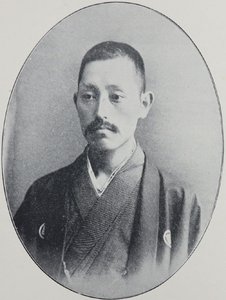
mizuno toshikata
1866 - 1908 , Japan
Quick Facts
- Artistic Movement Or Style: Ukiyo-e, Kuchi-e
- Artists Or Movements Influenced By This Artist: ['Yoshitoshi']
- Artists Who Influenced This Artist: ['Tsukioka Yoshitoshi']
- Date Of Birth: March 6, 1866
- Date Of Death: April 7, 1908
- Full Name: Mizuno Toshikata
- Nationality: Japanese
- Notable Artworks:
- After the Bath
- Thirty-Six Beauties
- Place Of Birth: Tokyo, Japan
Related Articles
Tsukioka Yoshitoshi: A Master of Ukiyo-e's Final Flourish – Narrative, Innovation, and the Meiji Transition
Explore the life & art of Tsukioka Yoshitoshi, the last great master of ukiyo-e woodblock printing. Discover his dramatic warrior prints, innovative series like 'One Hundred Aspects of the Moon,' and legacy reflecting Japan's Meiji transition.
Ukiyo-e: Exploring Japan's Floating World & Enduring Artistic Legacy
Explore the captivating world of Ukiyo-e – Japan's iconic woodblock prints! Discover masters like Hokusai & Hiroshige, learn about Edo period culture, and find expert art collecting guidance at ArtsDot.

Hokusai's Masterpieces: 25 Iconic Prints & Paintings for Art Lovers | ArtsDot
Journey through Katsushika Hokusai’s 25 most iconic artworks, including *The Great Wave*. Explore the ukiyo-e master's history, style & timeless Japanese woodblock prints. Find museum-quality reproductions for your home at ArtsDot.com.
Floating World: The Captivating Art and Legacy of Japanese Ukiyo-e
Explore the profound beauty of Japanese Ukiyo-e. Discover the history, masters like Hokusai, and the enduring legacy of the 'Floating World' through an expert art-historical lens.
Suzuki Harunobu: Pioneering Ukiyo-e & the Refinement of Edo Period Printmaking
Discover the revolutionary world of Suzuki Harunobu, a pioneer of ukiyo-e printmaking. Explore his exquisite nishiki-e techniques, diverse subjects & lasting impact on Japanese art history. Learn more at ArtsDot.