 Send
Send Share
Share
 Details

 Download
 Similars
 Diaporama
Andrew Cowan & Klaus Kaiser


 Read More
Giclée / Art Print
Museum-quality giclée or canvas print with fast production and flexible finish options. ( Buy Hand Made Painting Buy Image)




































Pick from our preset sizes that match the artwork's original proportions.

You may enter your own dimensions to fit a specific frame or space. If your selected size does not match the original image's proportions, we will either crop the artwork or extend the image with a mirrored or solid-fill edge. A digital mockup will be sent for your approval before production begins.
Please note that the on-screen preview does not reflect the actual cropping or extension. Only the mockup will accurately show the final composition.
While custom sizes are available, we recommend selecting a dimension from the predefined list to preserve the original proportions.
Worldwide Delivery () in 2 weeks instead of standard 4/5 weeks. (26 August)

Free Worldwide Express Shipping

High-Quality Linen Canvas

Full Shipping Insurance

Customs Tax Refund Guarantee

True Color Matching Guarantee

60-Day Return Policy (Defects Only)

100% Money-Back Guarantee

Bulk Discount Offer
 Glass option is only available in size under 110 CM

Andrew Cowan & Klaus Kaiser
Giclée / Art Print
Reproduction Size
-


Total Price
$ 63
Collectible Description
The Pulse of the Safari: A Moment Frozen in Motion
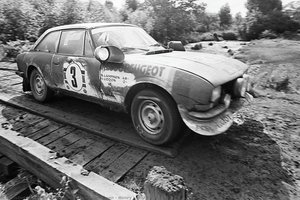
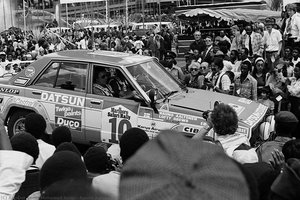
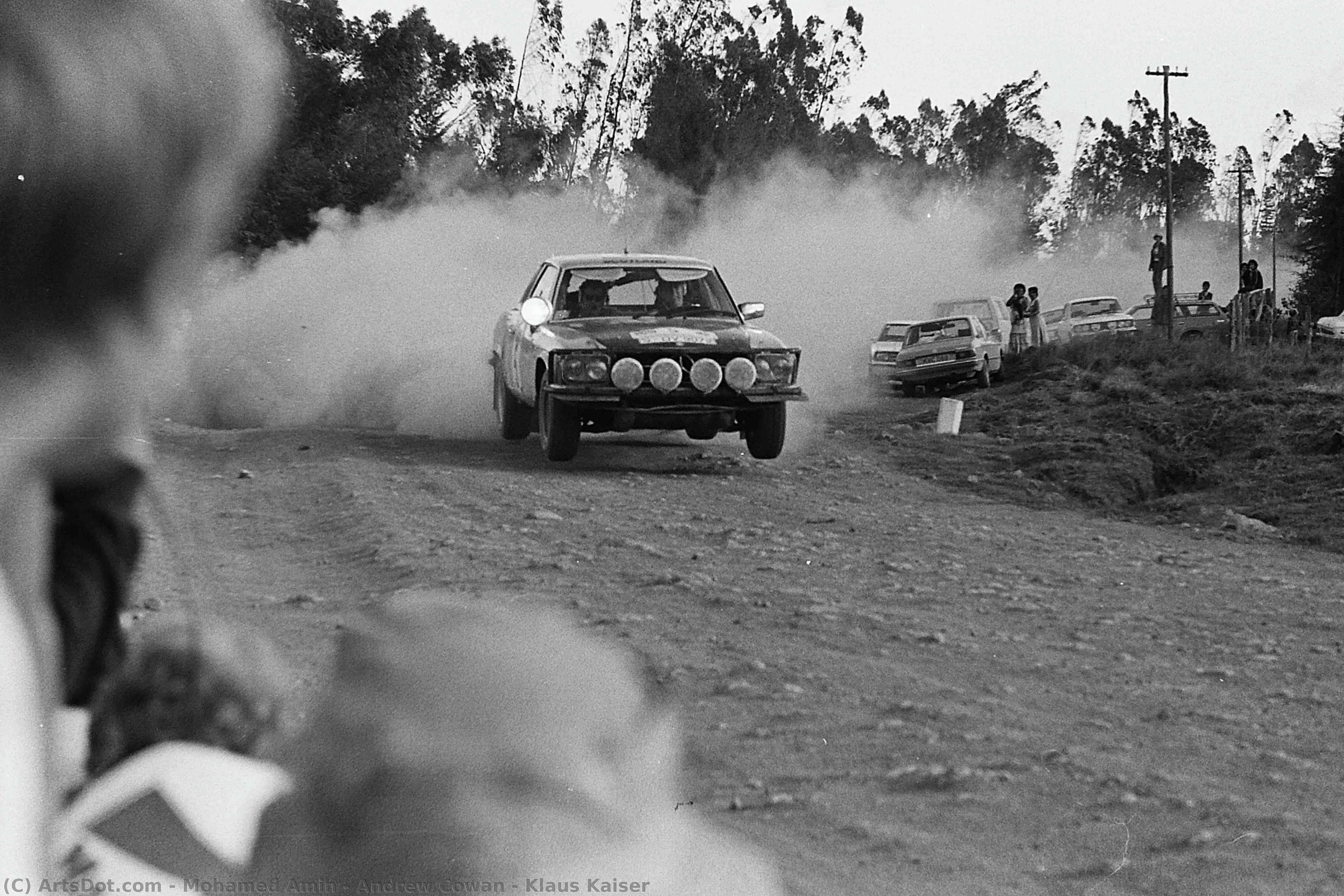
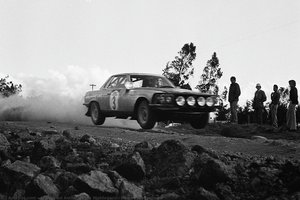
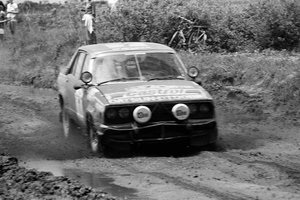
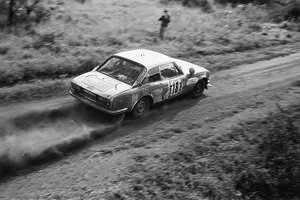
In the evocative monochrome of Mohamed Amin’s 1980 photograph, Andrew Cowan & Klaus Kaiser, we are not merely observing a car race; we are thrust into the very heart of an epic struggle between man, machine, and the untamed Kenyan landscape. The image captures a Mercedes-Benz 450SLC 5.0 CS58 as it tears through a cloud of billowing dust, a spectral presence emerging from the grit of the East African Safari Rally. There is a profound sense of kinetic energy here, where the diagonal lines of the dirt road act as a visual conduit, pulling the viewer’s gaze deep into the frame toward the unfolding drama. The composition, masterfully balanced with the vehicle positioned slightly off-center, creates a restless, dynamic tension that mirrors the unpredictable nature of the rally itself.
The artistry of this piece lies in its ability to transform a documentary moment into a timeless study of texture and form. Through the use of traditional film photography techniques, Amin employs a rapid shutter speed to freeze the frantic motion of the race while simultaneously allowing for a subtle motion blur that suggests the sheer velocity of the pursuit. The absence of color directs our attention to the rich, tactile world of grayscale: the rough, granular surface of the sun-baked road, the metallic sheen of the racing machine, and the ethereal, weightless quality of the dust clouds. This monochromatic palette strips away distractions, leaving only the raw, elemental essence of the event—a stark, beautiful confrontation between the industrial strength of the automobile and the rugged, organic beauty of the African terrain.
A Legacy of Resilience and Visual Truth
To understand this photograph is to understand the legacy of Mohamed Amin, a man whose lens served as the visual conscience of a continent. This work transcends the boundaries of sports photography, embodying the spirit of adventure and the indom'orable will that defined the East African Safari Rally. The image serves as a symbolic pilgrimage, capturing the "crucible" of the race where drivers faced not just competitors, but the grueling logistical challenges of an unforgiving environment. There is an inherent emotional resonance in the way Amin captures the dust—it is both a shroud and a testament to the intensity of the passage, representing the grit and perseverance required to conquer such legendary terrain.
For the discerning collector or interior designer, this reproduction offers more than just a striking visual element; it provides a window into a pivotal era of motorsport history. The photograph’s soft, diffused lighting—likely born from overcast skies or the thick haze of kicked-up earth—creates an even, atmospheric illumination that lends the scene a cinematic quality. It is a piece that invites contemplation on themes of endurance and the fleeting nature of time. Whether placed in a contemporary gallery setting or as a focal point in a sophisticated study, Andrew Cowan & Klaus Kaiser brings with it an undeniable aura of prestige, adventure, and the profound, unvarnished truth of the African spirit.
Related Artworks
Artist Biography
The Eye of a Continent: The Legacy of Mohamed Amin
In the vast, shifting tapestry of twentieth-century African history, few figures captured the raw, unvarnished pulse of the continent quite like Mohamed Amin. Born in 1943 in Eastleigh, Nairobi, Amin was more than a mere observer; he was a visual chronicler whose lens pierced through the veil of distance to bring the profound realities of African life into the global consciousness. Growing up within the vibrant Kenyan Punjab heritage, his early fascination with the power of the image laid the groundwork for a career defined by an almost relentless pursuit of truth. His journey was not merely one of professional ascent but a lifelong mission to ensure that the stories of his people—ranging from the triumphs of independence to the harrowing depths of humanitarian catastrophe—were witnessed by the world.
The foundation of his legendary status was built upon the grit and determination of his early entrepreneurial spirit. In 1963, Amin established the Camerapix Company in Dar es Salaam, Tanzania, a venture that would become a cornerstone of African media. This was not simply a business; it was a sanctuary for journalistic integrity. Through Camerapix, Amin cultivated a crew of dedicated professionals, often working under grueling conditions to deliver news with unprecedented speed and accuracy. His work during the East African Safari Rally remains a testament to his versatility. Whether capturing the high-octane adrenaline of a Mercedes-Benz 450SLC navigating treacherous terrain or the dust-choked chaos of a motorsport crash, Amin possessed an uncanny ability to find beauty within the turbulence, blending the technical precision of sports photography with a deep, documentary soul.
A Catalyst for Global Conscience
While his mastery of movement and light earned him acclaim in the realm of action, it was Amin’s courage in the face of tragedy that cemented his historical significance. The 1984 Ethiopian famine stands as perhaps the most poignant chapter of his career. Collaborating with the BBC, Amin’s unflinching documentation of the crisis did more than report news; it ignited a global movement. His images, characterized by their profound emotional depth and a rejection of staged artifice, became the visual heartbeat of the Live Aid era. By presenting the suffering of millions through candid, hauntingly beautiful black-and-white compositions, he bridged the gap between distant tragedy and international empathy, proving that a single photograph could mobilize the conscience of the planet.
His photographic style was a deliberate departure from the polished, often sanitized imagery of traditional news media. Amin favored the immediacy of the moment, utilizing the dramatic tonal ranges of black-and-white film to illuminate the textures of human struggle and resilience. There was no room for artifice in his work; he sought the raw, the grainy, and the authentic. This commitment to truth extended even to his most dangerous assignments, including his coverage of the regime of Idi Amin. He moved through conflict zones with the instincts of a warrior, driven by a need to capture the spirit of postcolonial Africa as it was being forged in real-time.
An Eternal Flame: The Enduring Impact
The life of Mohamed Amin was tragically cut short in 1996, during a moment of profound bravery. While negotiating with terrorists who had hijacked an Ethiopian Airlines flight, he lost his life in the crash into the Indian Ocean. Even in death, his commitment to the narrative of Africa remained absolute. Today, his legacy is preserved not just in the millions of archival images held by the Mohamed Amin Foundation, but in the very way we perceive the continent. His work serves as a vital bridge between eras, documenting the transition from colonial shadows to the vibrant, complex reality of modern African nations.
To look upon an Amin photograph is to experience a masterclass in visual storytelling. His contributions can be summarized through several enduring pillars:
- Journalistic Integrity: A steadfast refusal to manipulate reality, favoring the unvarnished truth of the candid moment.
- Humanitarian Influence: The ability to use imagery as a tool for global mobilization and large-scale charitable action.
- Technical Mastery: An expert use of black-and-white tonality to convey dramatic intensity and emotional weight.
- Cultural Preservation: Creating an irreplaceable visual archive of African history, from wildlife and motorsport to political upheaval.
Ultimately, Mohamed Amin remains a pioneer whose lens did not just record history—it helped shape it. He taught the world that to look closely at Africa was to see a continent of immense strength, profound struggle, and an unyielding spirit that deserves to be seen in all its complex glory.
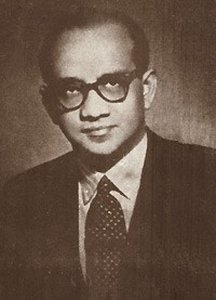
Mohamed Amin
1943 - 1996 , Kenya
Quick Facts
- Artistic Movement Or Style: Photojournalism
- Artists Who Influenced This Artist: ['Michael Buerk']
- Date Of Birth: August 29, 1943
- Date Of Death: November 23, 1996
- Full Name: Mohamed Amin
- Nationality: Kenyan
- Notable Artworks:
- Ethiopian Famine Report
- Idi Amin with Sarah Kyolaba
- Mohamed Amin and Dolly Amin with a pair of lion cubs
- Place Of Birth: Kenya
Related Articles
Alfred East: Pioneering Plein Air & Evoking Atmospheric Landscapes
Explore the life & work of Alfred East, a pioneer of British plein air painting. Discover his techniques for capturing atmospheric landscapes, Barbizon influences, and lasting legacy. Learn more at ArtsDot.
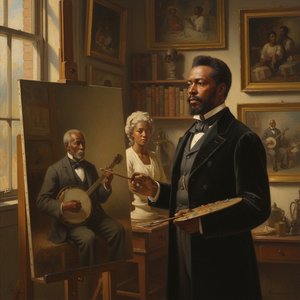
Henry Ossawa Tanner: Pioneering African American Representation in 19th-Century Art
Explore the life and groundbreaking work of Henry Ossawa Tanner, a pioneering African American artist who achieved international acclaim with his deeply spiritual and realistic paintings. Discover his legacy at ArtsDot.
Harmonizing Heritage: A Cross-Cultural Approach to Interior Design with Asian, European, and African Art Reproductions
Discover the art of cross-cultural interior design with ArtsDot.com. Explore museum-quality reproductions & expert guidance to create a globally inspired, sophisticated home. Shop now!
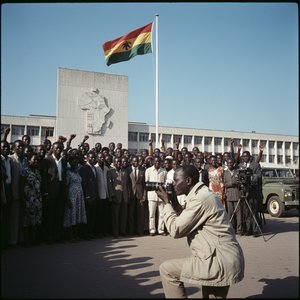
Mohamed Amin: Capturing Postcolonial Africa's Spirit Through the Lens
Explore the life & work of Mohamed Amin, Kenya's pioneering photojournalist who captured Africa’s defining moments. Discover his impact on documentary and wildlife photography, from independence to the Ethiopian famine.
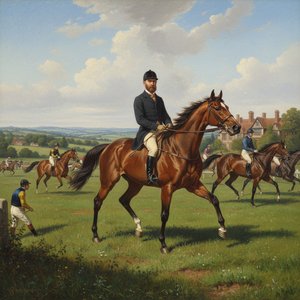
John Frederick Herring Sr.: Equestrian Mastery & the Rise of Sporting Art in Victorian England
Explore the life & work of John Frederick Herring Sr., a leading Victorian equestrian artist. Discover his masterpieces, patronage, techniques & investment potential. Expert insights for collectors.