 Preview
 Send
Send Share
Share
 Details

 Download
 Similars
 X-Ray
X-Ray Diaporama
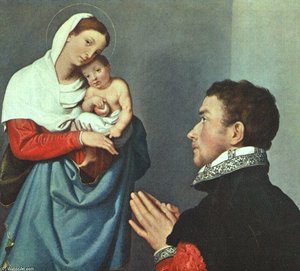
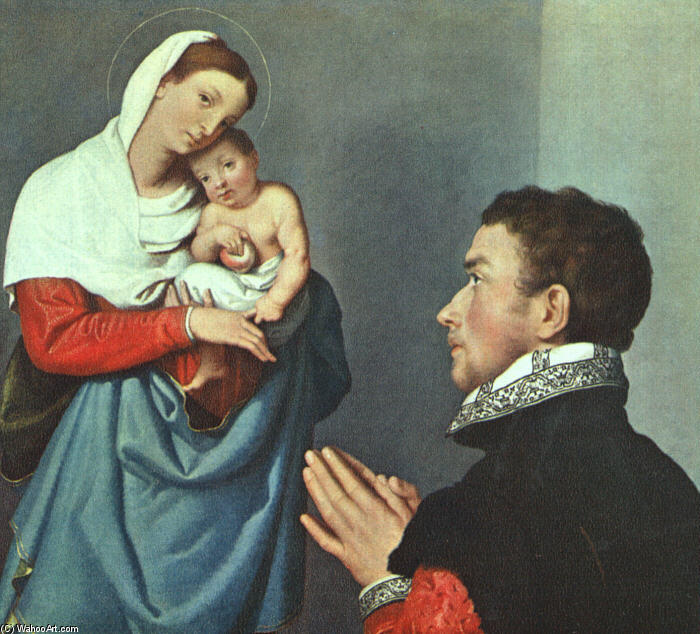
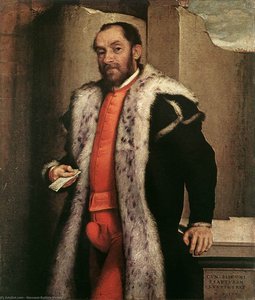
A Gentleman in Adoration before the Madonna
 Oil On Canvas
- WallArt
- Renaissance
 1560
1560 60.0 x 65.0 cm
 National Gallery of Art
 Read More
Hand Made Oil Reproduction
Hand-painted oil on canvas in your size and frame, made to order by our artists. ( Buy Print Buy Image)




P118B $10

P118H $10

P118W $10

P438Z $10

P508JH $12

P508YH $12

P805H $10

P805Z $10

P919BZ $10

P919G $10

P919XJ $10

P959ZH $10

P968JZ $12

W106C $8

W218G $10

W218JH $8

W218Y $10

W307PJ $10

W316G $10

W316PJ $8

W316Y $10

W398PJ $8

W4111J $10

W500HY $15

W500JH $15

W692G $12

W849H $8

W940BG $15

W953PJ $8




Pick from our preset sizes that match the artwork's original proportions.

You may enter your own dimensions to fit a specific frame or space. If your selected size does not match the original image's proportions, we will either crop the artwork or extend the painting with additional hand-painted elements. A digital mockup will be sent for your approval before production begins.
Please note that the on-screen preview does not reflect the actual cropping or extension. Only the mockup will accurately show the final composition.
While custom sizes are available, we recommend selecting a dimension from the predefined list to preserve the original proportions.
After order, ArtsDot.com team will email client for instructions and provide a mockup preview
Worldwide Delivery () in 3/4 weeks instead of standard 5 weeks. (30 August). No compromise on quality.

Free Worldwide Express Shipping

High-Quality Linen Canvas

Full Shipping Insurance

Customs Tax Refund Guarantee

True Color Matching Guarantee

60-Day Return Policy (Defects Only)

100% Money-Back Guarantee

Bulk Discount Offer
 Glass option is only available in size under 110 CM

A Gentleman in Adoration before the Madonna
Reproduction Medium
Reproduction Size
-


Total Price
$ 313
The Serene Majesty of Faith and Family
Giovanni Battista Moroni’s “A Gentleman in Adoration before the Madonna,” painted around 1560, is more than just a religious scene; it's a meticulously crafted tableau of Renaissance ideals – piety, familial devotion, and the quiet dignity of human experience. The painting depicts a moment of profound reverence within a sacred space, capturing an unnamed gentleman kneeling in prayer before the Virgin Mary and the infant Jesus. Moroni’s genius lies not merely in his technical skill but in his ability to imbue this familiar subject matter with a palpable sense of humanity and emotional depth, setting it apart from the often-stilted depictions of religious figures prevalent at the time.
The scene unfolds within a richly detailed interior, likely a private chapel or devotional space. The Virgin Mary, rendered in soft, luminous tones, holds her son with an expression of serene grace. Joseph stands slightly behind her, offering a subtle counterpoint to the central focus on the mother and child. A gentleman, dressed in the fashionable attire of the era – a velvet doublet, a fur-trimmed cloak, and a carefully arranged hat – kneels before them, his hands clasped together in a gesture of supplication. His posture is one of humility and devotion, while subtle details—a slight furrow in his brow, a hint of a smile—suggest a complex inner life.
A Masterclass in Mannerist Realism
Moroni’s artistic approach firmly establishes him within the Mannerist school, a movement that emerged from the High Renaissance and emphasized elegance, refinement, and psychological insight. Unlike the idealized forms of earlier Renaissance art, Moroni's figures possess a remarkable sense of realism – their faces are rendered with meticulous attention to detail, capturing individual features and expressions with astonishing accuracy. The artist’s use of light is particularly noteworthy; it’s diffused and atmospheric, creating a soft, almost ethereal glow that illuminates the subjects and casts gentle shadows that define their forms. This masterful manipulation of light and shadow contributes significantly to the painting's overall sense of depth and realism.
Technically, Moroni demonstrates a sophisticated understanding of oil paint – layering thin glazes to achieve subtle color variations and textures. The fabrics are rendered with incredible detail, showcasing the sheen of velvet, the folds of cloth, and the delicate weave of textiles. The artist’s brushwork is visible yet controlled, creating a sense of immediacy and spontaneity while maintaining an overall polished finish. He skillfully employs perspective, drawing the viewer into the scene and establishing a clear spatial relationship between the figures and their surroundings.
Symbolism and Spiritual Resonance
Beyond its aesthetic qualities, “A Gentleman in Adoration before the Madonna” is rich in symbolic meaning. The act of kneeling represents humility and submission before God. The Virgin Mary embodies purity, grace, and maternal love – a powerful symbol of faith for generations of Christians. The infant Jesus, representing divine sonship and redemption, further reinforces this spiritual message. The gentleman’s gesture of prayer signifies his desire for guidance, forgiveness, and connection with the divine.
The painting also speaks to the importance of family within the Christian tradition. The presence of Joseph, Mary's husband, underscores the sanctity of marriage and the role of fathers in guiding their children towards faith. The scene as a whole evokes feelings of serenity, devotion, and familial love – timeless themes that continue to resonate with viewers today. It’s a poignant reminder of humanity’s enduring search for meaning and connection within a world often marked by uncertainty.
A Timeless Treasure: Reproduction Options
Moroni's "A Gentleman in Adoration before the Madonna" is a testament to the power of Renaissance art to inspire and uplift. Today, high-quality reproductions offer an accessible way to bring this masterpiece into your home or office. ArtsDot offers meticulously crafted hand-painted reproductions that faithfully capture the painting’s original beauty and detail, ensuring that you can enjoy its timeless appeal for years to come.
Related Artworks


Artist Biography
Giovanni Battista Moroni: Life and Legacy
Early Life and Training
Giovanni Battista Moroni (also known as Giambattista Moroni) was born in Albino, near Bergamo, Italy, in 1520. His father, Andrea Moroni, was an architect, providing a formative environment for artistic development. He received his initial training under Alessandro Bonvicino (known as Moretto) in Brescia. This early apprenticeship laid the foundation for his technical skills and understanding of Renaissance painting techniques.
Artistic Development and Influences
Moroni’s artistic journey took him through various Italian cities, including Trento and Bergamo. A pivotal moment occurred during his stay in Trento where he encountered Titian and the Count-Bishop Cristoforo Madruzzo. Titian's influence is evident in Moroni’s use of color and sophisticated handling of light. While initially influenced by earlier Renaissance styles, Moroni gradually developed a distinctive Mannerist approach characterized by elegance and realism.
Key Characteristics of His Work
- Portraiture: Moroni is celebrated primarily for his portraits of the local nobility and clergy. These works are not merely likenesses but insightful studies of character, capturing the dignity and psychological depth of his sitters.
- Realism & Naturalism: He employed naturalistic techniques and a keen eye for detail, creating a sense of immediacy and presence in his portraits.
- Silvery Tonality: Moroni’s paintings are often distinguished by their exquisite silvery tonality, achieved through subtle gradations of light and shadow.
- Religious Paintings: While less numerous than his portraits, Moroni also produced religious canvases. These works exhibit a more archaic style, reminiscent of late Quattrocento compositions.
Notable Works
Among Moroni’s most renowned paintings are:
- The Tailor: Currently housed in the National Gallery, London, this painting exemplifies his realistic portrayal of everyday life and character.
- Gian Lodovico Madruzzo: A striking portrait showcasing Moroni’s ability to capture both power and introspection.
- Numerous portraits of members of the Bergamo nobility, providing a valuable visual record of 16th-century society.
Historical Significance & Legacy
Giovanni Battista Moroni’s work holds a significant place in Italian art history. He bridged the gap between High Renaissance ideals and the emerging Mannerist style, creating portraits that were both elegant and psychologically compelling. His influence extended to later artists such as Fra' Galgario and Pietro Longhi, who admired his ability to capture the essence of his subjects. Today, Moroni’s paintings are displayed in prestigious museums like the Uffizi Gallery and the National Gallery, continuing to inspire art lovers and scholars alike.
Final Thoughts
Moroni's legacy rests on his ability to elevate portraiture beyond mere representation. He infused his works with a sense of humanity and psychological depth that continues to resonate with audiences centuries later. His paintings offer a unique glimpse into the lives and personalities of 16th-century Italy, solidifying his position as a master of the Cinquecento era.
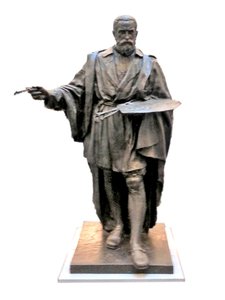
moroni, giovanni battista
1520 - 1578 , Italy
Quick Facts
- Birth Date: 1520
- Birth Place: Albino, Italy
- Death Date: 1578
- Influenced:
- Fra' Galgario
- Pietro Longhi
- Influenced By: Titian, Alessandro Bonvicino
- Movement: Mannerism
- Name: Giovanni Battista Moroni
- Nationality: Italian
- Notable Works:
- The Tailor
- Gian Lodovico Madruzzo
Related Articles

The Enduring Legacy of Oil on Canvas: Technique, History & Aesthetic Impact
Explore the rich history & techniques of oil painting – from Renaissance masters to Impressionism. Discover pigments, layering methods, and why this timeless medium endures. Expert insights for artists & art enthusiasts.

Oil on Canvas: A Historical & Technical Exploration of a Timeless Artistic Medium
Explore the rich history & enduring techniques of oil painting on canvas. Discover the science behind its longevity, conservation practices, and contemporary relevance. Expert insights for art enthusiasts.

The Enduring Legacy of Oil on Canvas: Technique, History & Contemporary Practice
Explore the rich history & enduring techniques of oil painting on canvas. Discover the science behind its longevity, conservation practices, and contemporary relevance. Expert insights for art enthusiasts.

Oil on Canvas Masters: 10 Paintings That Redefined Art History |
Journey through art history with our guide to 10 legendary oil on canvas masterpieces! Explore iconic works by Van Gogh, Monet & Rembrandt. Find museum-quality reproductions and elevate your home decor at . Discover all masterpieces online.

The Enduring Power of Painting: A Historical & Contemporary Exploration of Form and Emotion
Explore the rich history & enduring techniques of oil painting with ArtsDot. Discover masterpieces, learn about art collecting, and find authentic handmade reproductions crafted by skilled artists.