 Preview
 Send
Send Share
Share
 Details

 Download
 Similars
 X-Ray
X-Ray Diaporama
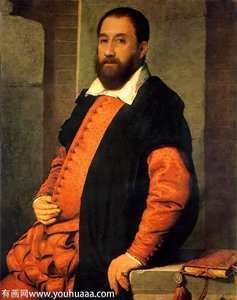
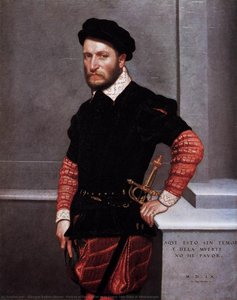
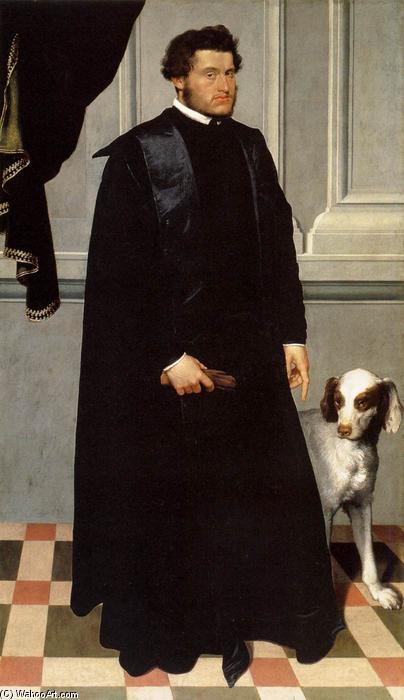
Gian Lodovico Madruzzo
 Oil On Canvas
- WallArt
- Renaissance Portraiture
 1551
1551 202.0 x 117.0 cm
 Art Institute of Chicago
 Read More
Hand Made Oil Reproduction
Hand-painted oil on canvas in your size and frame, made to order by our artists. ( Buy Print Buy Image)




P118B $10

P118H $10

P118W $10

P438Z $10

P508JH $12

P508YH $12

P805H $10

P805Z $10

P919BZ $10

P919G $10

P919XJ $10

P959ZH $10

P968JZ $12

W106C $8

W218G $10

W218JH $8

W218Y $10

W307PJ $10

W316G $10

W316PJ $8

W316Y $10

W398PJ $8

W4111J $10

W500HY $15

W500JH $15

W692G $12

W849H $8

W940BG $15

W953PJ $8




Pick from our preset sizes that match the artwork's original proportions.

You may enter your own dimensions to fit a specific frame or space. If your selected size does not match the original image's proportions, we will either crop the artwork or extend the painting with additional hand-painted elements. A digital mockup will be sent for your approval before production begins.
Please note that the on-screen preview does not reflect the actual cropping or extension. Only the mockup will accurately show the final composition.
While custom sizes are available, we recommend selecting a dimension from the predefined list to preserve the original proportions.
After order, ArtsDot.com team will email client for instructions and provide a mockup preview
Worldwide Delivery () in 3/4 weeks instead of standard 5 weeks. (22 August). No compromise on quality.

Free Worldwide Express Shipping

High-Quality Linen Canvas

Full Shipping Insurance

Customs Tax Refund Guarantee

True Color Matching Guarantee

60-Day Return Policy (Defects Only)

100% Money-Back Guarantee

Bulk Discount Offer
 Glass option is only available in size under 110 CM

Gian Lodovico Madruzzo
Reproduction Medium
Reproduction Size
-


Total Price
$ 263
Artwork Description
A Renaissance Portrait of Contemplation: Gian Lodovico Madruzzo by Giovanni Battista Moroni
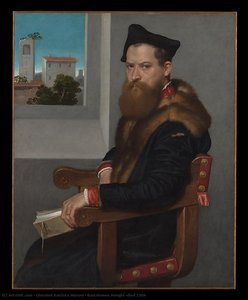
Giovanni Battista Moroni’s “Gian Lodovico Madruzzo,” painted in 1551-1552, is more than just a likeness; it's a profound meditation on human experience captured with the meticulous detail and evocative light characteristic of the Lombard Renaissance. Housed within the Art Institute of Chicago’s esteemed collection, this oil on canvas offers a rare glimpse into the inner life of a 16th-century nobleman, inviting viewers to ponder his thoughts alongside him.
The subject himself, Gian Lodovico Madruzzo, was a prominent figure in Venetian society – a canon and later prince-bishop of Trent. Moroni’s decision to portray him not amidst grand courtly scenes but in quiet contemplation speaks volumes about the artist's understanding of his patron’s character. The man stands before a simple, checkered floor, its red, white, and black squares providing a subtly contrasting backdrop to his dark robe. This deliberate simplicity draws attention directly to his face – a study in restrained expression, hinting at both intelligence and a certain melancholy.
The Master's Technique: Realism Elevated
Moroni’s skill lies not merely in replicating appearance but in conveying the *essence* of his subject. He was renowned for his “al vero” – painting ‘from life,’ as Titian famously described him. This is evident in the remarkably realistic rendering of textures, from the fine weave of the robe to the subtle sheen on Gian Lodovico’s skin. The artist masterfully employs chiaroscuro—the dramatic interplay of light and shadow—to sculpt the figure, creating a sense of volume and depth that transcends mere representation. Note particularly how the light catches the curve of his hand holding the book, highlighting its weight and suggesting an active engagement with thought.
The use of color is equally deliberate. Moroni favors muted earth tones – browns, ochres, and grays – creating a somber yet dignified atmosphere. This palette reinforces the contemplative mood, avoiding any ostentation or superficiality. The background wall, illuminated by a window, provides a soft, diffused light that further emphasizes the subject’s stillness.
Symbolism and Context: A Portrait of Power and Reflection
The inclusion of the book is significant. It suggests scholarship, contemplation, and perhaps even spiritual reflection – qualities highly valued in Renaissance nobility. The pose itself—the raised hand, the direct gaze—commands attention and conveys a sense of authority tempered by introspection. Considering that Moroni painted this portrait during the Council of Trent, a pivotal moment for the Catholic Church, it’s plausible that Gian Lodovico Madruzzo was seeking to project an image of stability and wisdom amidst turbulent times.
Interestingly, Moroni created similar portraits of his subject's brother, Gian Federico Madruzzo, also at the National Gallery of Art in Washington. These paired works offer a fascinating insight into the family’s aspirations and the artist’s evolving style. The fact that these portraits were once displayed together in Trent’s Castello del Buonconsiglio underscores their importance within the noble household.
A Timeless Masterpiece: Reproductions for Today
The enduring appeal of “Gian Lodovico Madruzzo” lies not only in Moroni's technical brilliance but also in its ability to connect with viewers across centuries. Today, discerning art lovers and interior designers can experience the beauty and depth of this Renaissance masterpiece through meticulously crafted oil painting reproductions available at ArtsDot.com. These reproductions capture the essence of Moroni’s original – the subtle nuances of expression, the masterful use of light and shadow, and the profound sense of contemplative stillness—making them a stunning addition to any collection or space.
For further exploration, we encourage you to visit the Art Institute of Chicago's website (https://www.artic.edu/artworks/4081/gian-lodovico-madruzzo) and delve into the artist’s biography on Wikipedia, as well as the Web Gallery of Art (https://www.wga.hu/html_m/m/moroni/madruzzo.html) for a deeper understanding of Giovanni Battista Moroni’s remarkable legacy.
Related Artworks



Artist Biography
Giovanni Battista Moroni: Life and Legacy
Early Life and Training
Giovanni Battista Moroni (also known as Giambattista Moroni) was born in Albino, near Bergamo, Italy, in 1520. His father, Andrea Moroni, was an architect, providing a formative environment for artistic development. He received his initial training under Alessandro Bonvicino (known as Moretto) in Brescia. This early apprenticeship laid the foundation for his technical skills and understanding of Renaissance painting techniques.
Artistic Development and Influences
Moroni’s artistic journey took him through various Italian cities, including Trento and Bergamo. A pivotal moment occurred during his stay in Trento where he encountered Titian and the Count-Bishop Cristoforo Madruzzo. Titian's influence is evident in Moroni’s use of color and sophisticated handling of light. While initially influenced by earlier Renaissance styles, Moroni gradually developed a distinctive Mannerist approach characterized by elegance and realism.
Key Characteristics of His Work
- Portraiture: Moroni is celebrated primarily for his portraits of the local nobility and clergy. These works are not merely likenesses but insightful studies of character, capturing the dignity and psychological depth of his sitters.
- Realism & Naturalism: He employed naturalistic techniques and a keen eye for detail, creating a sense of immediacy and presence in his portraits.
- Silvery Tonality: Moroni’s paintings are often distinguished by their exquisite silvery tonality, achieved through subtle gradations of light and shadow.
- Religious Paintings: While less numerous than his portraits, Moroni also produced religious canvases. These works exhibit a more archaic style, reminiscent of late Quattrocento compositions.
Notable Works
Among Moroni’s most renowned paintings are:
- The Tailor: Currently housed in the National Gallery, London, this painting exemplifies his realistic portrayal of everyday life and character.
- Gian Lodovico Madruzzo: A striking portrait showcasing Moroni’s ability to capture both power and introspection.
- Numerous portraits of members of the Bergamo nobility, providing a valuable visual record of 16th-century society.
Historical Significance & Legacy
Giovanni Battista Moroni’s work holds a significant place in Italian art history. He bridged the gap between High Renaissance ideals and the emerging Mannerist style, creating portraits that were both elegant and psychologically compelling. His influence extended to later artists such as Fra' Galgario and Pietro Longhi, who admired his ability to capture the essence of his subjects. Today, Moroni’s paintings are displayed in prestigious museums like the Uffizi Gallery and the National Gallery, continuing to inspire art lovers and scholars alike.
Final Thoughts
Moroni's legacy rests on his ability to elevate portraiture beyond mere representation. He infused his works with a sense of humanity and psychological depth that continues to resonate with audiences centuries later. His paintings offer a unique glimpse into the lives and personalities of 16th-century Italy, solidifying his position as a master of the Cinquecento era.
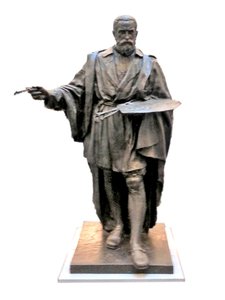
moroni, giovanni battista
1520 - 1578 , Italy
Quick Facts
- Birth Date: 1520
- Birth Place: Albino, Italy
- Death Date: 1578
- Influenced:
- Fra' Galgario
- Pietro Longhi
- Influenced By: Titian, Alessandro Bonvicino
- Movement: Mannerism
- Name: Giovanni Battista Moroni
- Nationality: Italian
- Notable Works:
- The Tailor
- Gian Lodovico Madruzzo
Related Articles

The Enduring Legacy of Oil on Canvas: Technique, History & Aesthetic Impact
Explore the rich history & techniques of oil painting – from Renaissance masters to Impressionism. Discover pigments, layering methods, and why this timeless medium endures. Expert insights for artists & art enthusiasts.

Oil on Canvas: A Historical & Technical Exploration of a Timeless Artistic Medium
Explore the rich history & enduring techniques of oil painting on canvas. Discover the science behind its longevity, conservation practices, and contemporary relevance. Expert insights for art enthusiasts.

The Enduring Power of Painting: A Historical & Contemporary Exploration of Form and Emotion
Explore the rich history & enduring techniques of oil painting with ArtsDot. Discover masterpieces, learn about art collecting, and find authentic handmade reproductions crafted by skilled artists.

The Enduring Legacy of Oil on Canvas: Technique, History & Contemporary Practice
Explore the rich history & enduring techniques of oil painting on canvas. Discover the science behind its longevity, conservation practices, and contemporary relevance. Expert insights for art enthusiasts.

Turn Your Digital Art Into Hand‑Painted Oil Masterpieces—Earn Big on Every Sale and Build an Enduring Legacy
Transform your NFT collection into hand‑painted oil masterpieces with ArtsDot’s expert artisans. Enjoy museum‑grade quality, free worldwide shipping, and a 100% satisfaction guarantee—turn digital art into a lasting legacy that earns you real value.