 Preview
 Send
Send Share
Share
 Details

 Download
 Similars
 X-Ray
X-Ray Diaporama
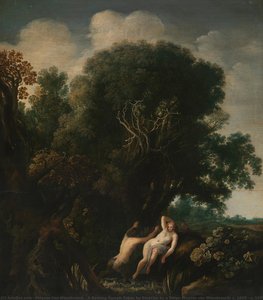
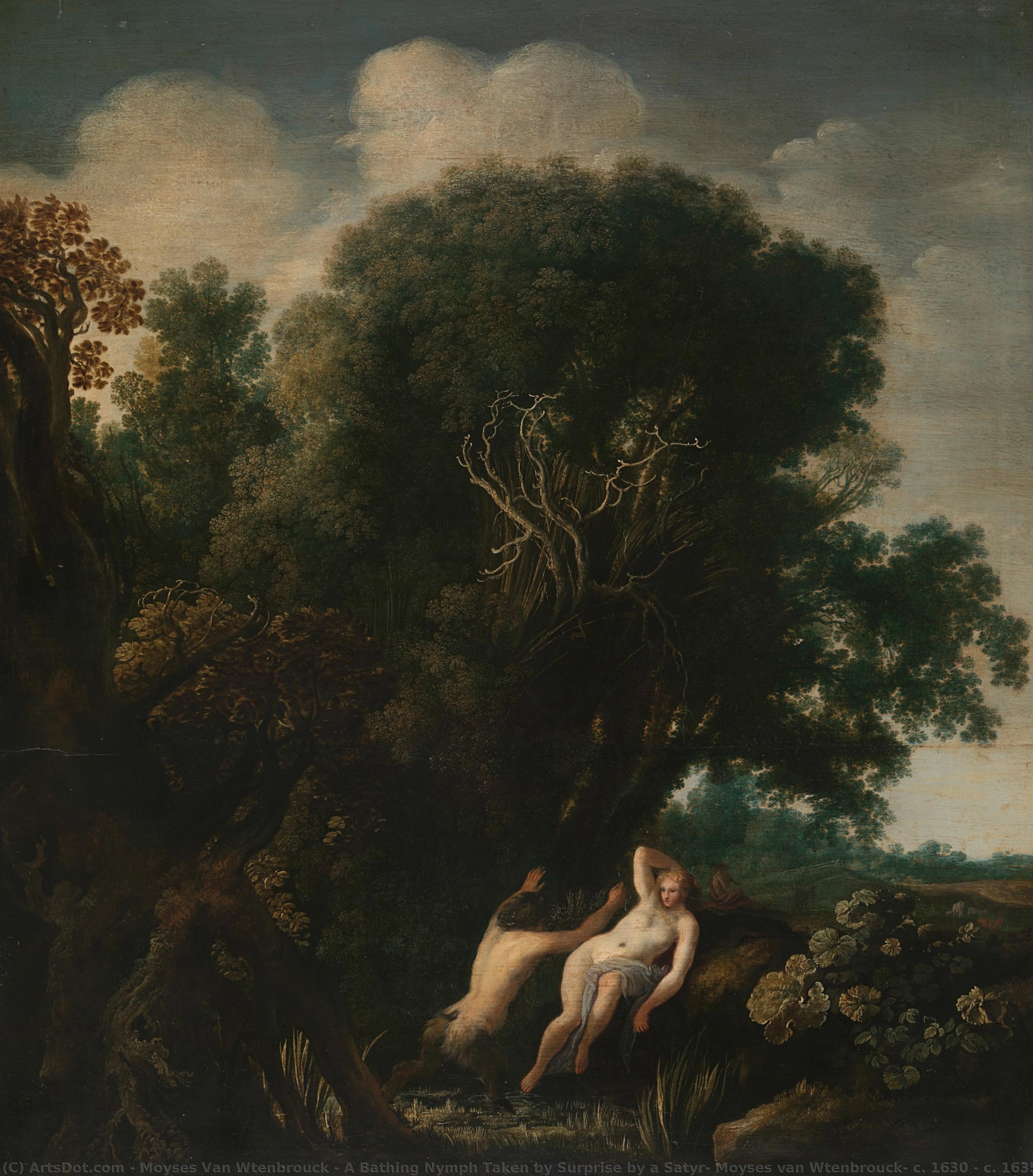
A Bathing Nymph Taken by Surprise by a Satyr, Moyses van Wtenbrouck, c. 1630 - c. 1635


 Read More
Hand Made Oil Reproduction
Hand-painted oil on canvas in your size and frame, made to order by our artists. ( Buy Print Buy Image)




































Pick from our preset sizes that match the artwork's original proportions.

You may enter your own dimensions to fit a specific frame or space. If your selected size does not match the original image's proportions, we will either crop the artwork or extend the painting with additional hand-painted elements. A digital mockup will be sent for your approval before production begins.
Please note that the on-screen preview does not reflect the actual cropping or extension. Only the mockup will accurately show the final composition.
While custom sizes are available, we recommend selecting a dimension from the predefined list to preserve the original proportions.
After order, ArtsDot.com team will email client for instructions and provide a mockup preview
Worldwide Delivery () in 3/4 weeks instead of standard 5 weeks. (21 August). No compromise on quality.

Free Worldwide Express Shipping

High-Quality Linen Canvas

Full Shipping Insurance

Customs Tax Refund Guarantee

True Color Matching Guarantee

60-Day Return Policy (Defects Only)

100% Money-Back Guarantee

Bulk Discount Offer
 Glass option is only available in size under 110 CM

A Bathing Nymph Taken by Surprise by a Satyr, Moyses van Wtenbrouck, c. 1630 - c. 1635
Reproduction Medium
Reproduction Size
-


Total Price
$ 288
Artwork Description
Related Artworks
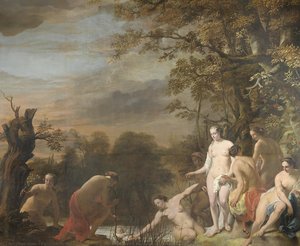
Artist Biography
The Architect of Arcadian Dreams
In the heart of the Dutch Golden Age, amidst the burgeoning prosperity of The Hague, Moses van Uyttenbroeck emerged as a painter of profound sensitivity and technical brilliance. Born around 1600, his early life was deeply entwined with the rigorous traditions of the Guild of Saint Luke, which he joined in 1614. This formative period provided him with a foundation of meticulous craftsmanship, yet Uyttenbroeck was far from a mere follower of convention. He possessed an inquisitive spirit that sought to bridge the gap between the grounded, tactile realism of his Northern European roots and the ethereal, idealized beauty of the Italianate tradition. As the younger brother of the painter Jan Matheus van Wtenbrouck, he moved within a vibrant artistic circle that would eventually see him become a pivotal figure in shaping the landscape genre.A Symphony of Light and Myth
Uyttenbroeck’s artistry is most celebrated for its masterful fusion of disparate worlds. He drew deep inspiration from the atmospheric depth of Adam Elsheimer and the harmonic balance found in the works of Cornelis van Poelenburch. Through his brush, the rugged textures of the Dutch landscape were transformed into much more than mere scenery; they became stages for the eternal dramas of classical mythology. His canvases often breathe with a dramatic, spotlight-like illumination, where rich pigments and carefully orchestrated shadows create a sense of sudden, breathtaking movement. One can almost feel the tension in his depictions of Ovid’s Metamorphoses, such as the evocative scenes involving Pan and Syrinx. In these works, the artist captures the precise moment where nature and myth collide—where a nymph might be caught by surprise or transformed into the very reeds that line a riverbank.Legacy and Artistic Significance
Beyond his individual technical achievements, Uyttenbroeck’s historical significance lies in his role as a pioneer of the Arcadian landscape. He did not merely paint trees and rivers; he painted an idealized vision of nature that offered a serene escape for the 17th-century viewer. His influence extended through generations, as he served as a teacher to artists such as Anthonie Jansz. van der Croos, ensuring that his unique blend of narrative and landscape would endure. His enduring impact on the Dutch Golden Age is characterized by:- The mastery of atmospheric perspective, which brought a sense of infinite, dreamlike depth to the terrestrial landscape.
- A seamless integration of classical mythology into the natural world, elevating genre painting to the level of epic narrative.
- Technical innovation in lighting, using dramatic contrasts to heighten the emotional and mythological resonance of his subjects.
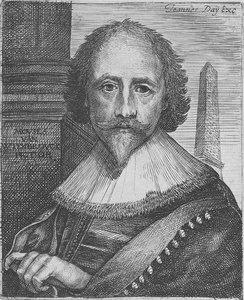
moses van uyttenbroeck
1646 , Netherlands
Quick Facts
- Artistic Movement Or Style: Dutch Golden Age
- Artists Or Movements Influenced By This Artist: ['Willem Frederik van Royen']
- Artists Who Influenced This Artist:
- Adam Elsheimer
- Cornelis van Poelenburch
- Date Of Birth: c. 1600
- Date Of Death: 1646
- Full Name: Moses van Uyttenbroeck
- Nationality: Dutch
- Notable Artworks: ['A Bathing Nymph Taken by Surprise by a Satyr']
- Place Of Birth: The Hague, Netherlands
Related Articles

Golden Age Reflections: Dutch Baroque Painting & Cultural Innovation
Explore the Dutch Golden Age of painting! Discover key artists like Vermeer & ter Borch, their innovative techniques, and the rich cultural context behind these Baroque masterpieces. Learn about collecting & appreciating this iconic art period.

Dutch Masters: 10 Golden Age Paintings That Still Inspire |
Journey into the Dutch Golden Age! Explore 10 iconic paintings by Rembrandt, Vermeer & Hals. Discover the stories behind these Baroque masterpieces and find museum-quality art reproductions to elevate your home decor on .
Nicolaes Berchem: Dutch Golden Age Pastoralism & the Evolution of Landscape Painting
Explore the captivating world of Nicolaes Berchem, a leading Dutch Golden Age painter. Discover his idyllic landscapes, masterful technique & lasting influence on art history. Learn more at ArtsDot.
Golden Light & Dutch Skies: Bringing the Magic of Dutch Golden Age Landscapes into Your Home
Transform your home with the breathtaking light of Dutch Golden Age landscapes. Discover how hand-painted oil reproductions of masterworks like Ruisdael and Vermeer bring timeless elegance, atmosphere, and soulful texture to modern interiors. Elevate your space with museum-quality art.
Charles Leickert: Capturing the Dutch Golden Age Light – A Comprehensive Study of Technique, Context, and Legacy
Explore the captivating winter landscapes of Charles Leickert, a master of Dutch Golden Age light & atmosphere. Discover his techniques, symbolism, and lasting legacy – a comprehensive study for art enthusiasts and collectors.