 Send
Send Share
Share
 Details

 Download
 Similars
 Diaporama
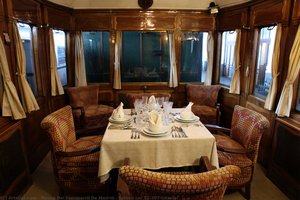
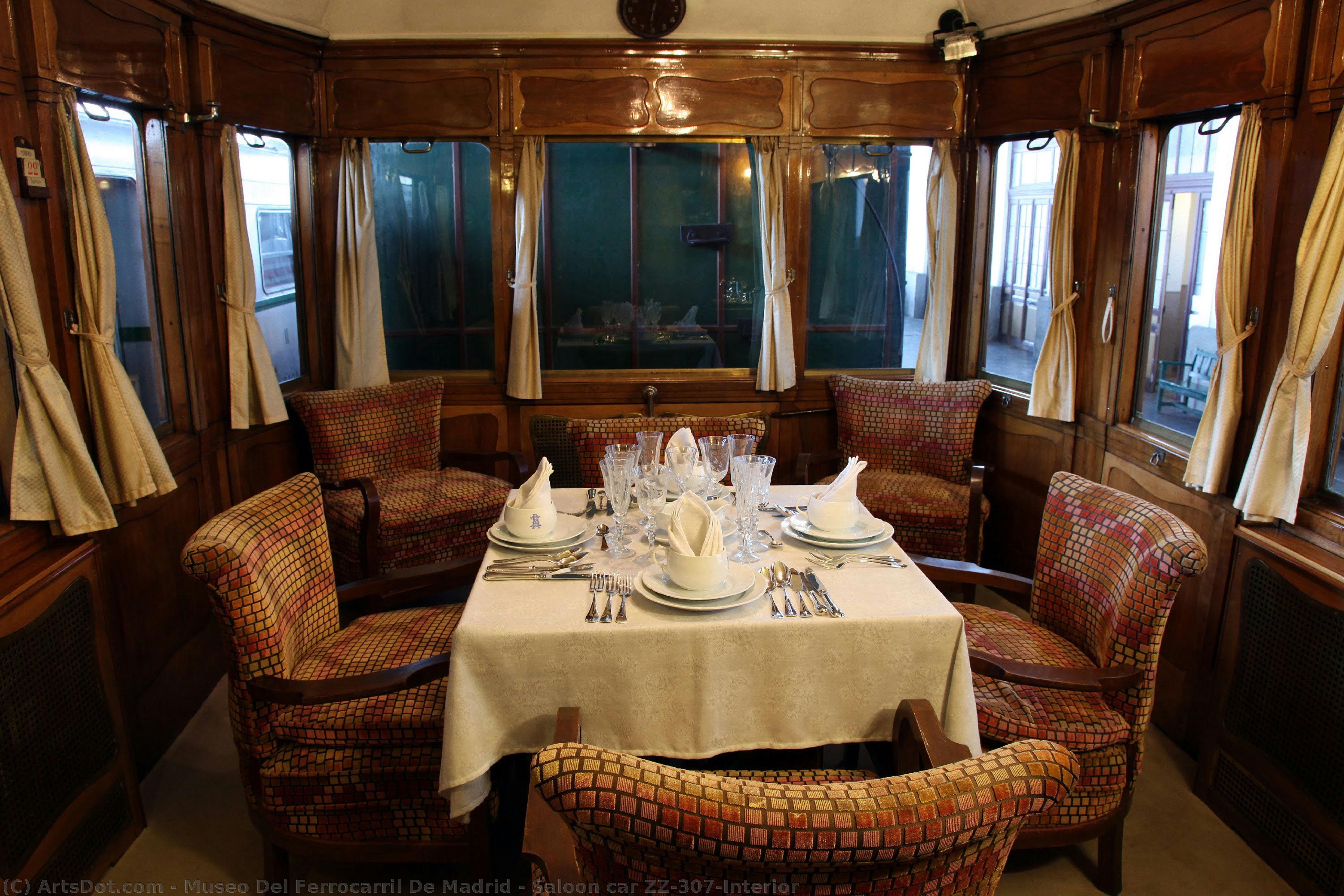
Saloon car ZZ-307-Interior


 Read More
Hand Made Oil Reproduction
Hand-painted oil on canvas in your size and frame, made to order by our artists. ( Buy Print Buy Image)




































Pick from our preset sizes that match the artwork's original proportions.

You may enter your own dimensions to fit a specific frame or space. If your selected size does not match the original image's proportions, we will either crop the artwork or extend the painting with additional hand-painted elements. A digital mockup will be sent for your approval before production begins.
Please note that the on-screen preview does not reflect the actual cropping or extension. Only the mockup will accurately show the final composition.
While custom sizes are available, we recommend selecting a dimension from the predefined list to preserve the original proportions.
After order, ArtsDot.com team will email client for instructions and provide a mockup preview
Worldwide Delivery () in 3/4 weeks instead of standard 5 weeks. (23 August). No compromise on quality.

Free Worldwide Express Shipping

High-Quality Linen Canvas

Full Shipping Insurance

Customs Tax Refund Guarantee

True Color Matching Guarantee

60-Day Return Policy (Defects Only)

100% Money-Back Guarantee

Bulk Discount Offer
 Glass option is only available in size under 110 CM

Saloon car ZZ-307-Interior
Reproduction Medium
Reproduction Size
-


Total Price
$ 263
Artwork Description
A Window into a Vanished Era of Elegance
In the quiet, monochromatic depths of Saloon car ZZ-307-Interior, we are transported back to 1946, a moment suspended in time where the rhythmic pulse of the rails meets the refined stillness of high society. This evocative photograph, preserved by the Museo del Ferrocarrical de Madrid, captures more than just a dining car; it captures an atmosphere of sophisticated transit. The image presents a meticulously arranged dining space, where long tables are set with the precision of a formal gala. Plates, silverware, and glassware catch the light in shades of silver and grey, suggesting a world where even the journey was an occasion for ceremony and grace. As we gaze upon the arrangement of chairs and the plush couch nestled to the side, we feel the phantom movement of a train gliding through the Spanish landscape, carrying its passengers within a cocoon of luxury.
The composition of this piece relies on the haunting beauty of black and white photography to strip away the distractions of color, leaving only the essential textures of wood, cloth, and metal. The interplay of light and shadow creates a sense of depth that draws the viewer into the heart of the car. There is a profound stillness in the way the place settings are laid out—a silent invitation to a meal that has long since passed. The presence of a clock mounted high on the wall serves as a poignant memento mori, a subtle reminder of the passage of time and the fleeting nature of these golden moments of travel. For the collector or the interior designer, this image offers a masterclass in tonal balance and structural elegance, making it an ideal centerpiece for spaces that celebrate vintage prestige and historical narrative.
The Soul of Spanish Industrial Heritage
Beyond its aesthetic allure, Saloon car ZZ-307-Interior serves as a vital historical document. It is a window into the post-war era of Spain, reflecting a period where the railway was not merely a mode of transport but a symbol of connectivity and industrial pride. The artistry lies in the documentation of detail—the way the furniture is positioned to maximize both intimacy and communal dining, and the careful curation of an environment designed to soothe the traveler. This photograph breathes life into the archives of the Museo del Ferrocarril de Madrid, transforming a mechanical relic into a poetic study of human habit and social ritual.
To possess a reproduction of this work is to invite a sense of nostalgic grandeur into one's home or gallery. It provides an emotional anchor, evoking feelings of wanderlust, stability, and the quiet dignity of a bygone age. Whether placed in a contemporary setting to provide a striking historical contrast or integrated into a classic study to enhance its scholarly atmosphere, this piece remains a timeless tribute to the art of the journey. It is a celebration of the fine details that once defined the luxury of the rails, preserved forever in the silvered tones of a photographic masterpiece.
Related Artworks

Artist Biography
Museo del Ferrocarril de Madrid: A Legacy of Steam and Spanish Industrial Heritage
The Museo del Ferrocarril de Madrid, nestled within the beautifully restored Las Delicias Train Station – a testament to Madrid’s architectural grandeur from the late 19th century – stands as more than just a repository of locomotives and carriages; it embodies the spirit of Spain's burgeoning industrial revolution. Established in 1967 with an initial aim of preserving railway relics, its relocation to the station in 1984 cemented its role as a pivotal institution dedicated to documenting and celebrating the transformative impact of railways on Spanish society and culture.- Origins & Founding Vision: The museum’s genesis stemmed from the foresight of railway enthusiasts who recognized the urgent need for safeguarding Spain's locomotive heritage. Recognizing that many machines were dismantled or neglected, they envisioned a space where these artifacts could be meticulously cared for and made accessible to future generations.
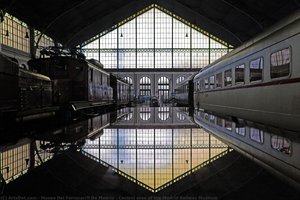
- Las Delicias Station: A Symbolic Home: Choosing Las Delicias Station was deliberate – it served as Madrid’s principal terminus during the Belle Époque, representing the zenith of railway travel and commerce. The station itself underwent a comprehensive renovation project, mirroring the museum's commitment to preserving architectural history alongside mechanical marvels.
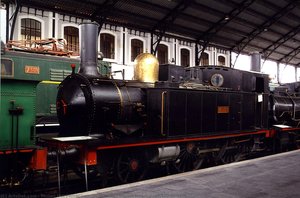
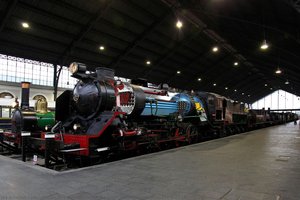
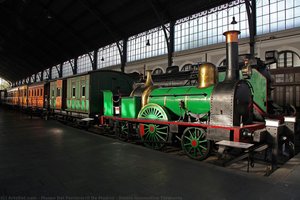
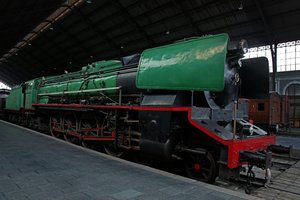
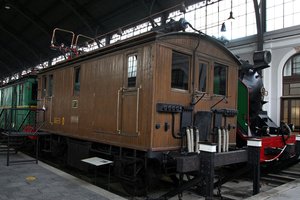
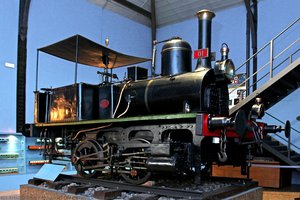
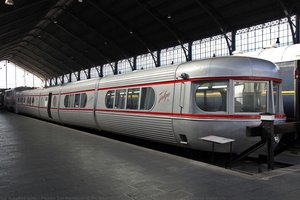
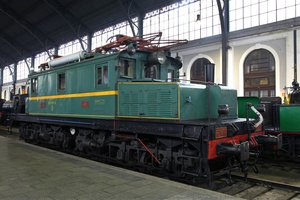
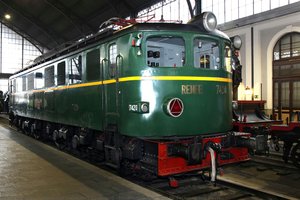
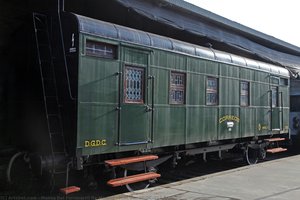
- Collection Highlights: Today, the Museo del Ferrocarril boasts an impressive collection encompassing locomotives from various eras – including early steam engines and more modern diesel locomotives – alongside passenger carriages that chronicle the evolution of railway travel. Notably featured are pieces like Saxby & Farmer interlocking, Steam locomotive 231-2006 and Untitled.
Influences and Artistic Style
The museum’s aesthetic is rooted in a fascination with industrial history and craftsmanship. The curators prioritize meticulous documentation—photographs, diagrams, and detailed descriptions accompany each exhibit—reflecting the scientific spirit of the time. Furthermore, the presentation emphasizes tactile engagement; visitors can examine engine components and explore interactive displays that illuminate the mechanics of railway operation. This approach distinguishes itself from purely decorative art forms, prioritizing factual accuracy alongside visual appeal.- Documentation as Art: The meticulous recording of locomotive history—the painstaking reconstruction of their operational processes—represents a form of artistic endeavor in itself. It’s an attempt to capture not merely the appearance of these machines but also their significance within broader societal contexts.
- Emphasis on Materiality: Unlike paintings or sculptures focused on idealized beauty, the museum's exhibits celebrate the tangible qualities of railway technology—the ironwork, the pistons, the gauges. This deliberate focus on materiality underscores the importance of understanding how objects contribute to shaping our perception of history.
Educational Programs and Exhibitions
Recognizing the museum’s role as a conduit for knowledge dissemination, it actively engages visitors through educational programs designed for schoolchildren and adults alike. These initiatives delve into topics ranging from railway engineering to the social impact of railways on urban development and migration patterns. Temporary exhibitions regularly showcase new discoveries related to Spanish railway history—often incorporating multimedia elements that enhance visitor comprehension.Historical Significance
The Museo del Ferrocarril de Madrid transcends its function as a museum; it serves as a crucial reminder of Spain’s industrial past and its contribution to global technological advancement. By preserving these relics of engineering ingenuity, the institution ensures that future generations appreciate the transformative power of innovation and recognize the enduring legacy of railways in shaping the nation's identity. Its location within Las Delicias Station—a landmark of Madrid’s architectural heritage—further reinforces this connection between art, history, and cultural memory.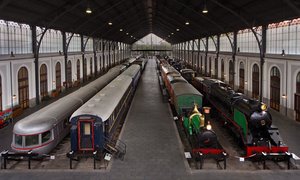
Quick Facts
- Artistic Movement Or Style: Contemporary
- Full Name: Museo del Ferrocarril de Madrid
- Nationality: Spanish
- Notable Artworks:
- Saxby & Farmer interlocking
- Untitled
- Steam locomotive 231-2006
- Place Of Birth: Madrid, Spain
Related Articles
Echoes of Time: Nostalgia, Technique & Cultural Significance in Vintage Paintings
Explore the captivating world of vintage paintings! Discover key styles, cultural significance & collecting tips from art experts at ArtsDot. Find authentic reproductions and elevate your home décor.
Visual Gastronomy: Curating Art Experiences Across Dining Zones – A Tasting Menu Approach to Bar, Lounge & Restaurant Design
Elevate your dining space with art! Discover how strategic curation & bespoke commissions transform bars, lounges & restaurants into immersive experiences. Expert insights for hotel designers & commercial projects.
The Palate and the Palette: Exploring the Psychological Impact of Visual Design on Dining Perception and Appetite
Explore the science of dining! Discover how visual design impacts appetite & perception. Expert insights for hotel designers & restaurateurs to elevate the customer experience.
Cultivating Ambiance: Selecting Art Reproductions for the Dining Room – A Historical & Aesthetic Guide
Elevate your dining room with expertly curated art reproductions! Explore historical context, aesthetic considerations & modern applications for a captivating space. Discover the perfect artwork to inspire conversation and enhance every meal.
Harmonizing Contrasts: Integrating Abstract Art into Classic Interiors for Timeless Modernity
Elevate your classic home with abstract art! Discover expert tips for seamlessly blending modern pieces into timeless interiors. Find the perfect artwork & design advice at ArtsDot.