 Preview
 Send
Send Share
Share
 Details

 Download
 Similars
 X-Ray
X-Ray Diaporama
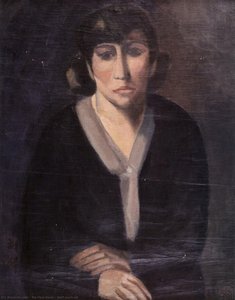
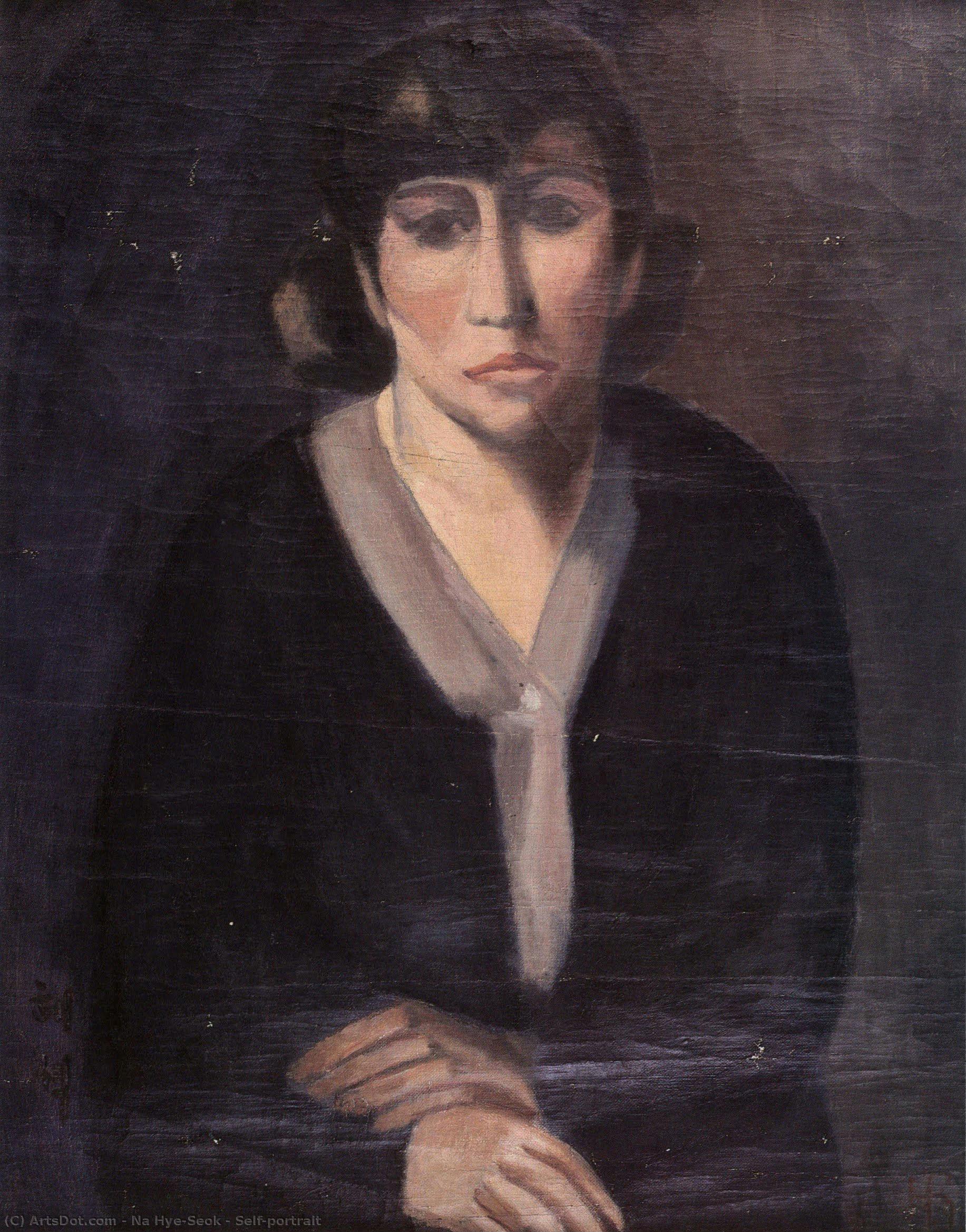
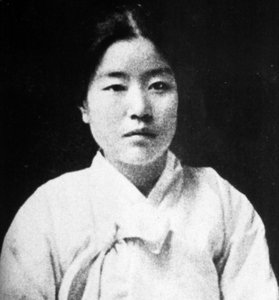
Self-portrait


 Read More
Hand Made Oil Reproduction
Hand-painted oil on canvas in your size and frame, made to order by our artists. ( Buy Print Buy Image)




































Pick from our preset sizes that match the artwork's original proportions.

You may enter your own dimensions to fit a specific frame or space. If your selected size does not match the original image's proportions, we will either crop the artwork or extend the painting with additional hand-painted elements. A digital mockup will be sent for your approval before production begins.
Please note that the on-screen preview does not reflect the actual cropping or extension. Only the mockup will accurately show the final composition.
While custom sizes are available, we recommend selecting a dimension from the predefined list to preserve the original proportions.
After order, ArtsDot.com team will email client for instructions and provide a mockup preview
Worldwide Delivery () in 3/4 weeks instead of standard 5 weeks. (17 August). No compromise on quality.

Free Worldwide Express Shipping

High-Quality Linen Canvas

Full Shipping Insurance

Customs Tax Refund Guarantee

True Color Matching Guarantee

60-Day Return Policy (Defects Only)

100% Money-Back Guarantee

Bulk Discount Offer
 Glass option is only available in size under 110 CM

Self-portrait
Reproduction Medium
Reproduction Size
-


Total Price
$ 263
Artwork Description
Na Hye-Sok / 나혜석: A Pioneer of Korean Feminist Art
Na Hye-sŏk (1896–1948) stands as an unparalleled figure in Korean art history—the first female professional painter and the inaugural feminist writer to emerge from Korea. Her artistic legacy transcends mere visual representation; it embodies a courageous challenge to societal conventions and a fervent advocacy for women’s autonomy during the tumultuous era of Japanese colonial rule.
- Early Life & Artistic Inclination: Born in Suwon, Na Hye-sŏk demonstrated exceptional talent from her formative years at Jinmyeong Girl's High School. Rejecting traditional expectations of femininity, she resolutely pursued her passion for painting and intellectual pursuits—a stance that foreshadowed her groundbreaking contributions to feminist discourse.
- The Association of Korean Women Students & Literary Beginnings: Recognizing the importance of female empowerment, Na Hye-sŏk spearheaded the Association of Korean Women Students in Japan, fostering a vibrant community dedicated to advancing women’s education and artistic expression. Simultaneously, she penned influential essays critiquing the prevailing “good wife, good mother” archetype—laying the groundwork for her literary explorations.
- Marriage & Artistic Evolution: Her marriage to Kim Woo-young marked a pivotal moment in Na Hye-sŏk’s life, providing her with stability and enabling her to pursue her artistic ambitions. Notably, she championed the use of practical clothing designs—a bold assertion against restrictive attire that prioritized hygiene and comfort for women.
- European Travels & Artistic Recognition: Driven by a desire to broaden her horizons and hone her craft, Na Hye-sŏk embarked on a transformative journey through Europe, immersing herself in artistic traditions and absorbing inspiration from renowned masters. Her return to Korea solidified her reputation as a visionary artist—recognized for her pioneering approach to painting and her unwavering commitment to feminist ideals.
- Legacy & Symbolism: Na Hye-sŏk’s oeuvre embodies the spirit of Korean feminism—characterized by intellectual rigor, emotional vulnerability, and an unflinching critique of patriarchal structures. Her self-portraits, imbued with profound introspection and symbolic resonance, serve as enduring emblems of female resilience and artistic courage.
Her distinctive style blends realism with subtle stylistic flourishes—avoiding excessive detail while capturing the essence of her subjects’ inner lives. The muted color palette—dominated by shades of gray, black, and earthy browns—creates an atmosphere of melancholic contemplation, mirroring the artist's own emotional landscape.
The painting technique involves meticulous layering and blending of colors to generate nuanced tonal variations and smooth transitions—a testament to Na Hye-sŏk’s mastery of oil paint on canvas. Close examination reveals delicate brushstrokes that enrich the surface texture and heighten visual interest, conveying a sense of palpable depth.
Ultimately, Na Hye-sŏk's artistic endeavors stand as an indelible mark on Korean art history—inspiring generations of artists to champion female voices and challenge societal norms. Her enduring influence continues to resonate today, reminding us of the transformative power of creativity and the importance of advocating for gender equality.
Related Artworks

Artist Biography
The Trailblazing Spirit of Na Hye-seok
To speak of Na Hye-seok is to invoke a spirit that dared to bloom in the constrained soil of early 20th-century Korea. Born in Suwon in 1896, her life was not merely lived; it was a declaration. She emerged as a multifaceted force—a poet, a writer, an educator, and most visibly, an artist. Under the artistic moniker Jeongwol, she carved out a space for herself that was revolutionary in its time. Before her, the landscape of professional art in Korea remained largely confined, yet Na Hye-seok did not just enter this world; she redefined its boundaries, becoming heralded as one of the first female professional painters and a seminal voice in Korean feminist literature.
Pioneering Western Techniques and Artistic Voice
Her artistic journey was deeply intertwined with the burgeoning currents of modernity sweeping across Asia. Na Hye-seok was instrumental in introducing and mastering some of the earliest Western-style painting techniques within Korea. Her canvases became vibrant battlegrounds where tradition met radical self-expression. While her literary contributions—her feminist novels and poignant short stories—are celebrated for their sharp critique of societal structures, it is through her visual art that her pioneering spirit finds a tangible echo. She possessed an innate ability to translate the complex emotional turmoil of a changing society onto canvas, giving form to ideas previously deemed too radical or too personal for public display.
A Voice Against Convention
The significance of Na Hye-seok extends far beyond her technical skill; it resides in her unwavering commitment to intellectual and social liberation. She became synonymous with the feminist movement in Korea, a title earned through her unflinching criticism of established norms, particularly concerning the institution of marriage. Her writings and art served as powerful mirrors, reflecting the constraints placed upon women while simultaneously illuminating the boundless potential within them. This dual role—as both creator and critic—cemented her legacy not just as an artist, but as a cultural vanguard.
Enduring Legacy in Korean Modernism
Though her life was tragically cut short in 1948, the resonance of Na Hye-seok’s work continues to shape narratives of artistic freedom and gender equality. She stands as a monumental figure whose existence proved that the creative impulse knew no gender barrier. For those studying the trajectory of modern Korean art, she represents the vital intersection where personal genius meets profound social commentary. Her legacy invites us not only to admire her masterful brushwork but also to engage with the enduring questions of autonomy, voice, and self-definition that echo through every piece she ever touched.
Explore Her Artistry
ArtsDot is honored to bring you reproductions inspired by the groundbreaking spirit of Na Hye-seok. Discover how her pioneering vision continues to inspire contemporary appreciation for Korean art, feminist narratives, and the enduring power of the individual spirit.
na hye-seok
1896 - 1948 , South Korea
Quick Facts
- Artistic Movement Or Style: Early Western-style painting
- Date Of Birth: 1896
- Date Of Death: 1948
- Full Name: Na Hye-seok
- Nationality: Korean
- Place Of Birth: Suwon, South Korea
Related Articles

The Enduring Legacy of Oil on Canvas: Technique, History & Aesthetic Impact
Explore the rich history & techniques of oil painting – from Renaissance masters to Impressionism. Discover pigments, layering methods, and why this timeless medium endures. Expert insights for artists & art enthusiasts.

Oil on Canvas: A Historical & Technical Exploration of a Timeless Artistic Medium
Explore the rich history & enduring techniques of oil painting on canvas. Discover the science behind its longevity, conservation practices, and contemporary relevance. Expert insights for art enthusiasts.

Reflecting the Self: A History of Portraiture & Psychological Insight
Explore the fascinating history of self-portraiture from Renaissance masters like Dürer & Rembrandt to modern interpretations. Discover the psychological insights and artistic techniques behind these iconic works. Expert analysis for art enthusiasts.

The Enduring Power of Painting: A Historical & Contemporary Exploration of Form and Emotion
Explore the rich history & enduring techniques of oil painting with ArtsDot. Discover masterpieces, learn about art collecting, and find authentic handmade reproductions crafted by skilled artists.

The Enduring Legacy of Oil on Canvas: Technique, History & Contemporary Practice
Explore the rich history & enduring techniques of oil painting on canvas. Discover the science behind its longevity, conservation practices, and contemporary relevance. Expert insights for art enthusiasts.