

 Preview
 Send
Send Share
Share
 Details

 Download
 Similars
 X-Ray
X-Ray Diaporama
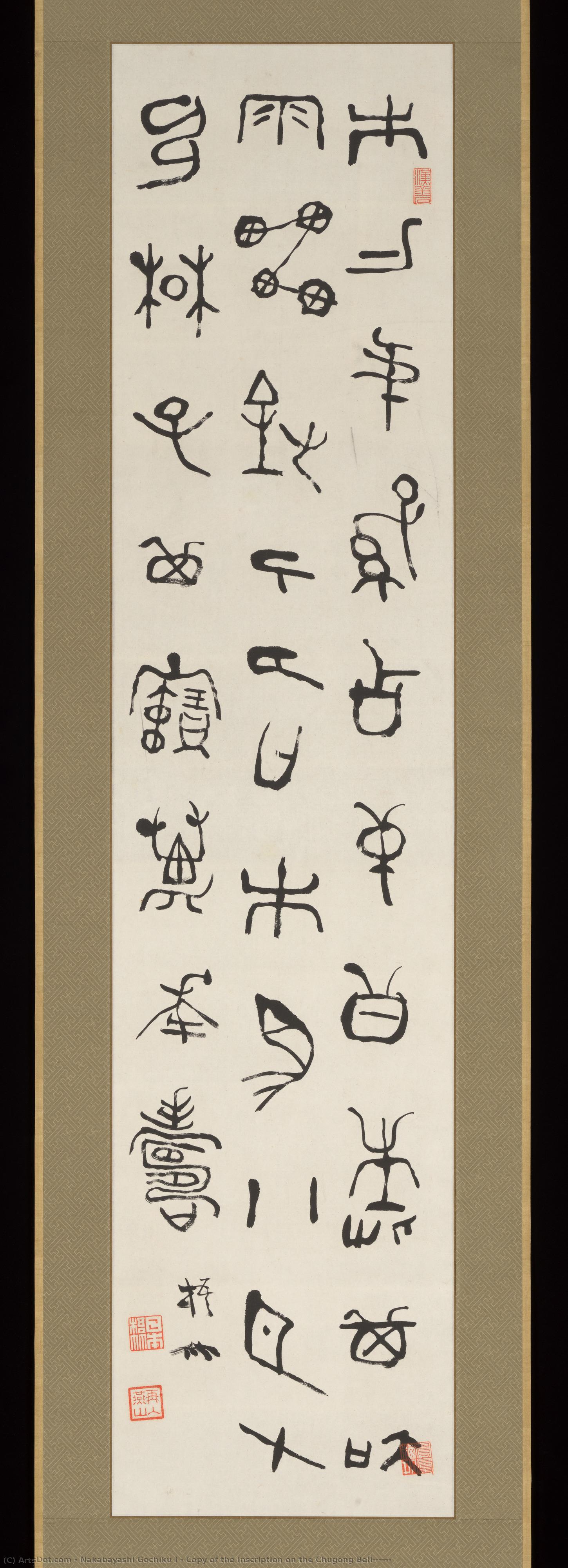
Copy of the Inscription on the Chugong Bell


 Read More
Purchase a high-resolution, enhanced digital image, far superior to the online preview.
Each file is meticulously prepared by our in-house specialists using advanced tools and expert manual retouching. We ensure every image has exceptional clarity, precise color accuracy, and fine detail.
The final file is delivered via email within 72 hours, optimized for immediate use in professional, editorial, and print environments. This is the same quality trusted by top-tier design studios, publishers, and galleries.
Digital Image
Download a high-resolution file for personal display, printing, and creative projects. ( Buy Print Buy Hand Made Painting)
Included in Every Digital Image Order
Expert Digital Delivery, Guaranteed
When you choose ArtsDot.com, you're not just getting an image - you're receiving a professionally enhanced digital artwork, crafted with precision and backed by a satisfaction guarantee. Here's everything that comes with your order, automatically:

Fast Email Delivery
Your high-resolution digital image file will be emailed to you within 72 hours of ordering - ready for immediate use.

AI-Enhanced Digital File
Your artwork is professionally optimized using advanced AI tools and manual editing, ensuring maximum detail, clarity, and color accuracy.

Free Lifetime Re-Delivery
Accidentally deleted or lost your file? No worries - we'll resend it to you anytime, free of charge.

No Import Fees - Ever
Enjoy your artwork instantly with zero customs, duties, or delivery fees - digital downloads are always tax-free.

Color Accuracy Guarantee
We ensure your digital image reflects the original colors as closely as possible using professional tools and color management.

60-Day Satisfaction Guarantee
If you're not satisfied with your digital image, we'll revise it or refund 100% within 60 days - no questions asked.

100% Money-Back Guarantee
Not satisfied? Get a full refund within 60 days of receiving your digital file - no questions asked.

Bulk Order Discounts
Buy 3 images, save 10% - Buy 5, save 15% - Buy 10+, save 20%. Great for creative projects, galleries, and agencies.
Related Artworks

Artist Biography
early life and career
nakabayashi gochiku i, a japanese artist, was born in osaka in 1861 and passed away in 1934. he was a prominent figure in the nihonga art movement, which sought to revive traditional japanese art forms while incorporating western influences.artistic style and contributions
gochiku i's work often depicted scenes from japanese folklore and mythology, as well as landscapes and still lifes. his style blended traditional japanese techniques with western elements, making him a key figure in the development of nihonga. as a member of this movement, gochiku i played a crucial role in shaping the future of japanese art.notable works and exhibitions
* nakabayashi gochiku i's artwork can be found in various museums, including the osaka city museum of fine arts, which showcases his mastery of traditional japanese painting. * his work has been exhibited widely in japan and abroad, influencing generations of artists.teaching and mentorship
gochiku i was not only a prolific artist but also a dedicated teacher and mentor. he guided many younger artists, ensuring the continuation of nihonga's influence in japanese art.legacy and impact
gochiku i's legacy extends beyond his artwork, as he paved the way for future generations of japanese artists. his influence can be seen in various aspects of japanese art, from traditional to contemporary styles.- explore nakabayashi gochiku i's artworks on ArtsDot
- discover the nihonga art movement on ArtsDot
- learn more about japanese art and its history on wikipedia: japanese art
conclusion
nakabayashi gochiku i's significant contributions to the nihonga art movement have left an indelible mark on japanese art. his dedication to reviving traditional techniques while embracing western influences has inspired countless artists, ensuring his legacy endures.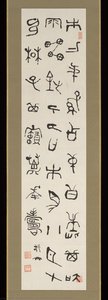
nakabayashi gochiku i
1861 - 1934 , Japan
Quick Facts
- Artistic Movement Or Style: Nihonga
- Artists Or Movements Influenced By This Artist: ['Western Art']
- Artists Who Influenced This Artist: ['YAMAUCHI Kosetsu']
- Date Of Birth: 1861
- Full Name: Nakabayashi Gochiku
- Nationality: Japanese
- Notable Artworks: ['Copy of the Inscription on the Chugong Bell']
- Place Of Birth: Osaka, Japan

