 Preview
 Send
Send Share
Share
 Details

 Download
 Similars
 X-Ray
X-Ray Diaporama
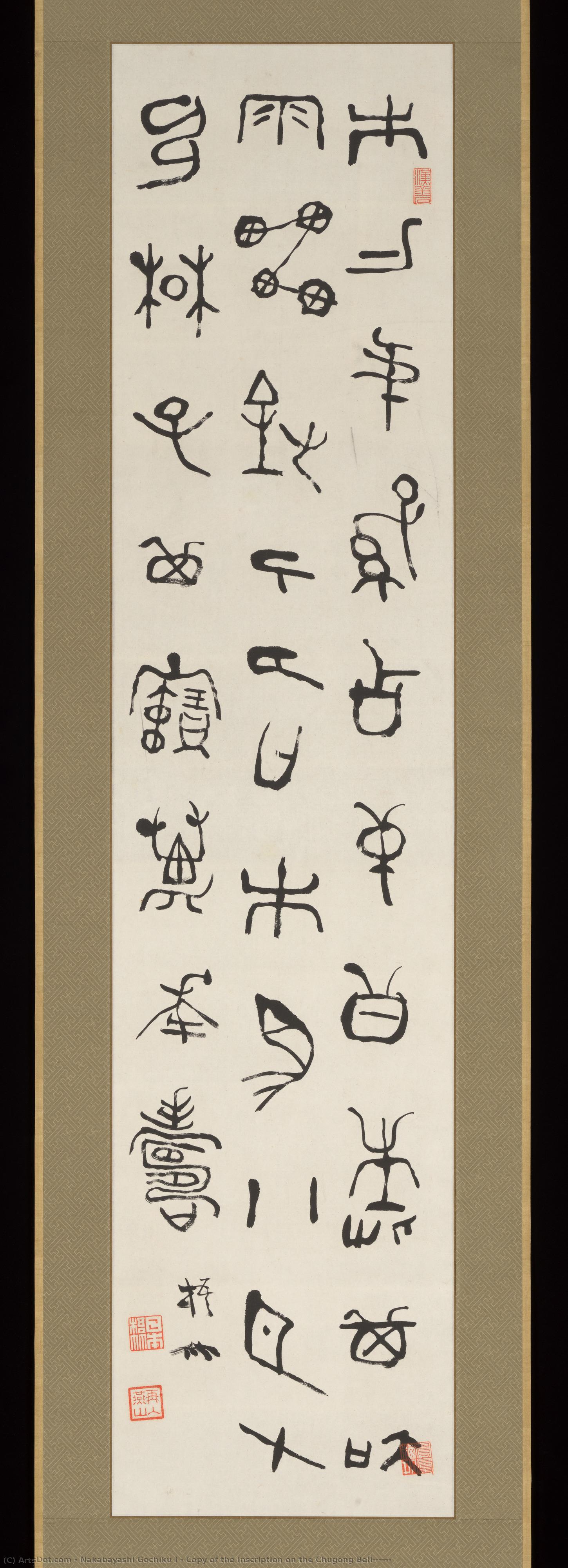
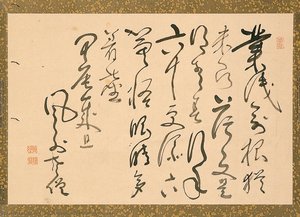
Copy of the Inscription on the Chugong Bell


 Read More
Giclée / Art Print
Museum-quality giclée or canvas print with fast production and flexible finish options. ( Buy Hand Made Painting Buy Image)




































Pick from our preset sizes that match the artwork's original proportions.

You may enter your own dimensions to fit a specific frame or space. If your selected size does not match the original image's proportions, we will either crop the artwork or extend the image with a mirrored or solid-fill edge. A digital mockup will be sent for your approval before production begins.
Please note that the on-screen preview does not reflect the actual cropping or extension. Only the mockup will accurately show the final composition.
While custom sizes are available, we recommend selecting a dimension from the predefined list to preserve the original proportions.
Worldwide Delivery () in 2 weeks instead of standard 4/5 weeks. (4 September)

Free Worldwide Express Shipping

High-Quality Linen Canvas

Full Shipping Insurance

Customs Tax Refund Guarantee

True Color Matching Guarantee

60-Day Return Policy (Defects Only)

100% Money-Back Guarantee

Bulk Discount Offer
 Glass option is only available in size under 110 CM

Copy of the Inscription on the Chugong Bell
Giclée / Art Print
Reproduction Size
-


Total Price
$ 63
Related Artworks

Artist Biography
early life and career
nakabayashi gochiku i, a japanese artist, was born in osaka in 1861 and passed away in 1934. he was a prominent figure in the nihonga art movement, which sought to revive traditional japanese art forms while incorporating western influences.artistic style and contributions
gochiku i's work often depicted scenes from japanese folklore and mythology, as well as landscapes and still lifes. his style blended traditional japanese techniques with western elements, making him a key figure in the development of nihonga. as a member of this movement, gochiku i played a crucial role in shaping the future of japanese art.notable works and exhibitions
* nakabayashi gochiku i's artwork can be found in various museums, including the osaka city museum of fine arts, which showcases his mastery of traditional japanese painting. * his work has been exhibited widely in japan and abroad, influencing generations of artists.teaching and mentorship
gochiku i was not only a prolific artist but also a dedicated teacher and mentor. he guided many younger artists, ensuring the continuation of nihonga's influence in japanese art.legacy and impact
gochiku i's legacy extends beyond his artwork, as he paved the way for future generations of japanese artists. his influence can be seen in various aspects of japanese art, from traditional to contemporary styles.- explore nakabayashi gochiku i's artworks on ArtsDot
- discover the nihonga art movement on ArtsDot
- learn more about japanese art and its history on wikipedia: japanese art
conclusion
nakabayashi gochiku i's significant contributions to the nihonga art movement have left an indelible mark on japanese art. his dedication to reviving traditional techniques while embracing western influences has inspired countless artists, ensuring his legacy endures.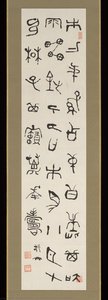
nakabayashi gochiku i
1861 - 1934 , Japan
Quick Facts
- Artistic Movement Or Style: Nihonga
- Artists Or Movements Influenced By This Artist: ['Western Art']
- Artists Who Influenced This Artist: ['YAMAUCHI Kosetsu']
- Date Of Birth: 1861
- Full Name: Nakabayashi Gochiku
- Nationality: Japanese
- Notable Artworks: ['Copy of the Inscription on the Chugong Bell']
- Place Of Birth: Osaka, Japan
Related Articles
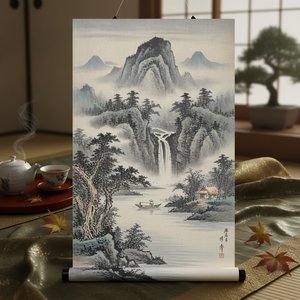
Serenity on Canvas: A Guide to the Timeless Beauty of Japanese Landscape Painting
Discover the serene beauty of Japanese landscape painting. From Hokusai's iconic woodblock prints to meditative sumi-e ink washes, explore a visual journey through the 'floating world' and learn how to bring this timeless Zen aesthetic into your modern home decor.

Hokusai's Masterpieces: 25 Iconic Prints & Paintings for Art Lovers | ArtsDot
Journey through Katsushika Hokusai’s 25 most iconic artworks, including *The Great Wave*. Explore the ukiyo-e master's history, style & timeless Japanese woodblock prints. Find museum-quality reproductions for your home at ArtsDot.com.
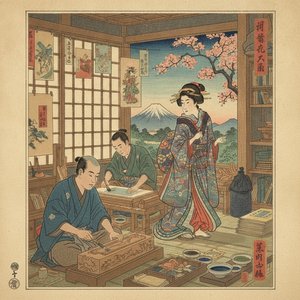
Floating World: The Captivating Art and Legacy of Japanese Ukiyo-e
Explore the profound beauty of Japanese Ukiyo-e. Discover the history, masters like Hokusai, and the enduring legacy of the 'Floating World' through an expert art-historical lens.
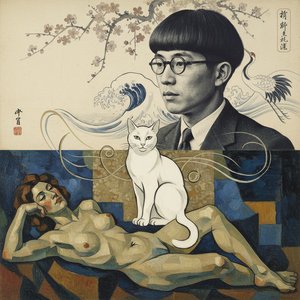
Léonard Foujita: A Poetic Synthesis of Japanese Sensibility & European Modernism
Discover the captivating world of Léonard Foujita, a master bridging Japanese aesthetics & European Modernism. Explore his signature style, diverse works, and enduring legacy – essential reading for discerning art collectors.
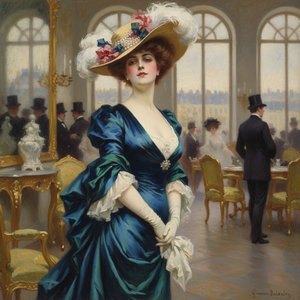
Giovanni Boldini: A Study in Belle Époque Portraiture & the Cult of Personality
Explore the captivating world of Giovanni Boldini, master of Belle Époque portraiture. Discover his signature style, iconic works like 'Miss Bell,' and lasting influence on art history. Expert analysis for collectors.