 Preview
 Send
Send Share
Share
 Details

 Download
 Similars
 X-Ray
X-Ray Diaporama
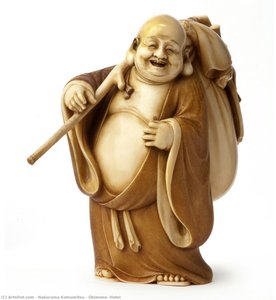
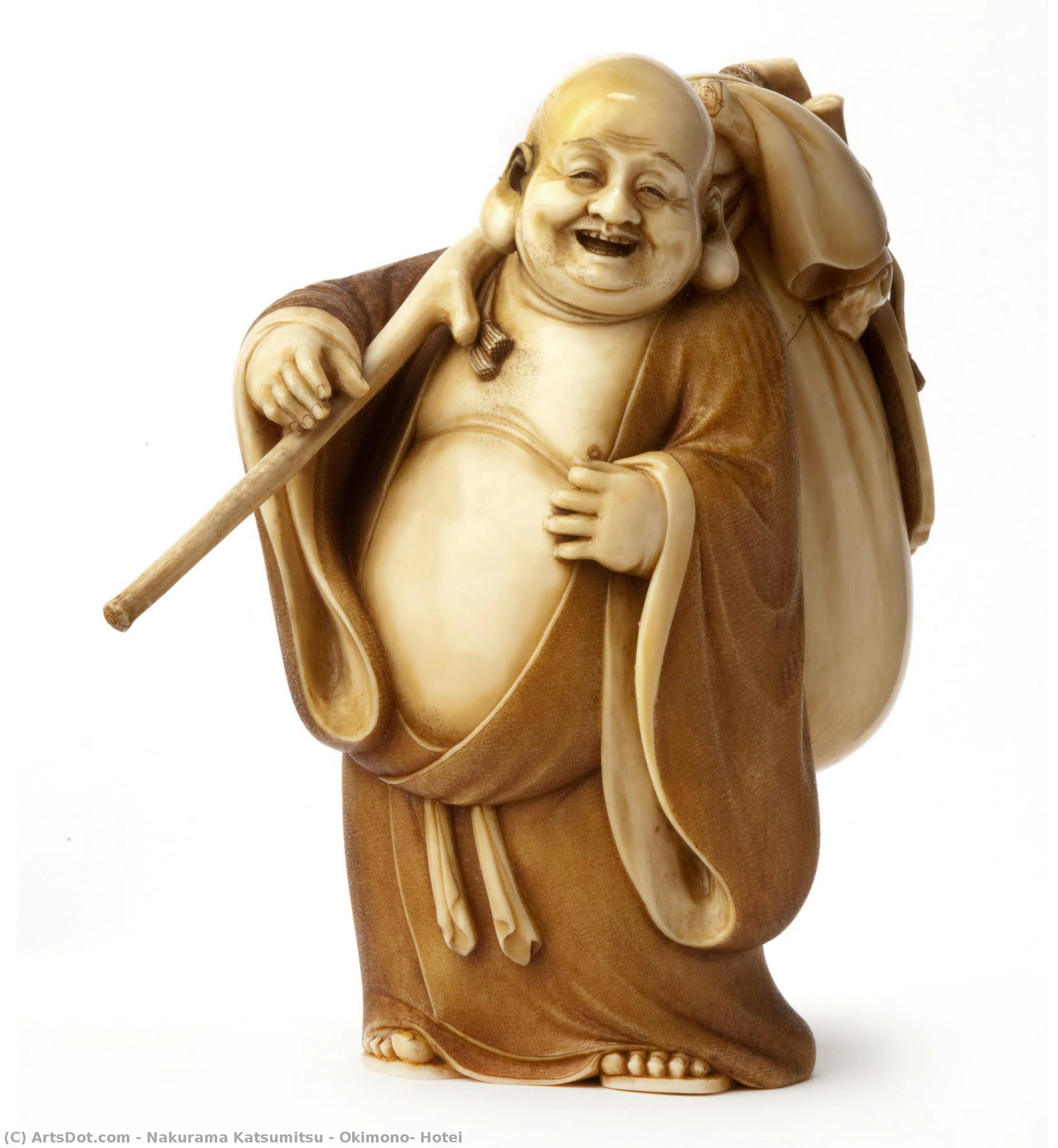
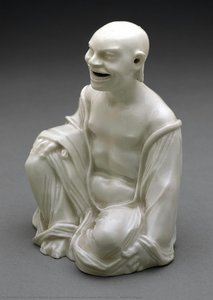
Okimono, Hotei


 Read More
Giclée / Art Print
Museum-quality giclée or canvas print with fast production and flexible finish options. ( Buy Hand Made Painting Buy Image)




































Pick from our preset sizes that match the artwork's original proportions.

You may enter your own dimensions to fit a specific frame or space. If your selected size does not match the original image's proportions, we will either crop the artwork or extend the image with a mirrored or solid-fill edge. A digital mockup will be sent for your approval before production begins.
Please note that the on-screen preview does not reflect the actual cropping or extension. Only the mockup will accurately show the final composition.
While custom sizes are available, we recommend selecting a dimension from the predefined list to preserve the original proportions.
Worldwide Delivery () in 2 weeks instead of standard 4/5 weeks. (18 August)

Free Worldwide Express Shipping

High-Quality Linen Canvas

Full Shipping Insurance

Customs Tax Refund Guarantee

True Color Matching Guarantee

60-Day Return Policy (Defects Only)

100% Money-Back Guarantee

Bulk Discount Offer
 Glass option is only available in size under 110 CM

Okimono, Hotei
Giclée / Art Print
Reproduction Size
-


Total Price
$ 63
Related Artworks
Artist Biography
Bernardino Pinturicchio: A Master of Subtle Grace
Bernardino Pinturicchio, born Bernardino di Simone della Bottega in Perugia in 1454 and dying there in 1513, remains a fascinating figure within the late Quattrocento Italian art world. Often overshadowed by his more flamboyant contemporaries like Michelangelo and Raphael, Pinturicchio’s legacy lies in his exquisite detail, delicate color palettes, and profound understanding of narrative – particularly as it manifested in religious scenes. His life was one of constant movement, punctuated by commissions from wealthy patrons across Italy, a testament to the esteem held for his unique style. He wasn't a revolutionary; rather, he refined existing techniques, creating works that exude an almost ethereal beauty and a remarkable sense of serenity. Pinturicchio’s early artistic training occurred under the guidance of Pietro Perugino, a leading figure in the Umbrian school and a key influence on the development of Renaissance painting. This association instilled in him a deep appreciation for classical forms and a meticulous approach to rendering detail. However, Pinturicchio quickly developed his own distinctive voice, characterized by a softer, more lyrical style than Perugino’s often robust compositions. He eschewed dramatic gestures and bold contrasts in favor of subtle gradations of color, delicate modeling, and an almost dreamlike atmosphere. This preference for understated elegance would become the hallmark of his oeuvre. His career began in Rome, where he worked on frescoes within the Vatican, including those in the Apartamento Borgia – a commission that exposed him to the tastes of Pope Alexander VI. This period marked a shift towards greater sophistication and an increased interest in portraying human emotion with nuanced sensitivity. Following his time in Rome, Pinturicchio spent considerable periods in Spello and Orvieto, undertaking significant mural projects for churches and civic buildings. These commissions provided him with invaluable experience and allowed him to hone his skills across various media, including tempera on wood and fresco. Notably, the altar-piece he painted for S. Maria de’ Fossi in Perugia – now known as *The Purification of Mary* – is considered one of his finest achievements, showcasing his mastery of color, composition, and psychological insight. It demonstrates a shift towards greater emotional depth and a more intimate portrayal of religious subjects. Pinturicchio's work was deeply influenced by the humanist ideals of the Renaissance, particularly the emphasis on classical antiquity and the study of human anatomy. However, unlike some of his contemporaries who embraced overtly intellectual approaches to art, Pinturicchio’s interest in these principles manifested primarily through a refined sense of proportion, elegant drapery, and a profound understanding of the human form. His depictions of angels, for example, are not idealized or heroic but rather possess an almost childlike innocence and vulnerability. He also demonstrated a keen eye for detail, meticulously rendering textures such as fabrics, foliage, and architectural elements with remarkable accuracy. A significant aspect of Pinturicchio’s artistic practice was his work as a book illuminator. He created intricate miniature paintings for illuminated manuscripts, often depicting scenes from the Bible or classical mythology. These works reveal a different side to his artistry – one characterized by exquisite craftsmanship, delicate brushwork, and an astonishing level of detail. The vibrant colors and elaborate ornamentation of these miniatures stand in stark contrast to the more restrained palette and composition of his panel paintings, yet they share the same underlying aesthetic principles: a commitment to beauty, elegance, and meticulous execution. Despite his considerable talent and prolific output, Pinturicchio’s fame remained largely confined to Italy until the 19th century. His works were often overlooked in favor of the more celebrated achievements of Raphael and Michelangelo. However, in recent decades, there has been a growing appreciation for his unique style and profound artistic vision. Today, Pinturicchio is recognized as one of the most important artists of the late Quattrocento, a master of subtle grace who left an enduring legacy through his exquisite paintings, illuminated manuscripts, and unwavering dedication to the pursuit of beauty. His art continues to captivate viewers with its serene atmosphere, delicate color palettes, and profound sense of human emotion—a testament to the quiet power of understated elegance.Major Works
- The Purification of Mary (S. Maria de’ Fossi, Perugia): Considered his masterpiece, showcasing his mastery of tempera on wood and emotional depth.
- Nativity (Collegiata di Santa Maria Maggiore, Spello): A prime example of his refined style and attention to detail.
- Frescoes in the Vatican (Apartamento Borgia): Demonstrates his exposure to papal tastes and his ability to work on large-scale projects.
- Various altarpieces and panel paintings: Including works for churches in Orvieto and Spello, reflecting his versatility across media.
- Illuminated Manuscripts: His miniature paintings within these books reveal a different facet of his artistic skill – intricate detail and vibrant color.
Historical Context
- Late Quattrocento Italy: Pinturicchio’s career unfolded during the transition from the Early to High Renaissance, reflecting both influences. He absorbed classical ideals while developing a distinctly Italian style.
- Umbrian School of Painting: His training under Perugino firmly rooted him in the Umbrian tradition, characterized by its lyrical colors and serene compositions.
- Humanism: The humanist movement’s emphasis on classical antiquity and human potential shaped his artistic approach, particularly through his understanding of anatomy and proportion.
- Patronage System: His commissions from wealthy patrons – including the Papacy, noble families, and religious institutions – fueled his career and exposed him to diverse artistic trends.
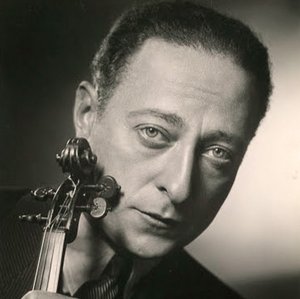
nakurama katsumitsu
1513 - , Japan
Quick Facts
- Artistic Movement Or Style: High Renaissance
- Artists Or Movements Influenced By This Artist: ['Renaissance art']
- Artists Who Influenced This Artist: ['Andrea del Verrocchio']
- Date Of Birth: 15 April 1452
- Date Of Death: 2 May 1519
- Full Name: Leonardo di ser Piero da Vinci
- Nationality: Italian
- Notable Artworks:
- Mona Lisa
- The Last Supper
- Vitruvian Man
- Place Of Birth: Vinci, Italy
Related Articles
Rosy Brown Hues: 10 Master Paintings & Timeless Decor Ideas |
Explore 10 iconic paintings bathed in captivating rosy brown tones! From Rembrandt to Titian, discover the stories behind these masterpieces & their warm color palettes. Find museum-quality art reproductions and decor inspiration at .
Sandy Brown Masterpieces: 10 Iconic Paintings & Timeless Decor Ideas
Explore 10 iconic paintings bathed in captivating sandy brown tones! From Rembrandt to Monet, discover the stories behind these timeless masterpieces & find museum-quality art reproductions for your home. Explore the full collection on ArtsDot.com.
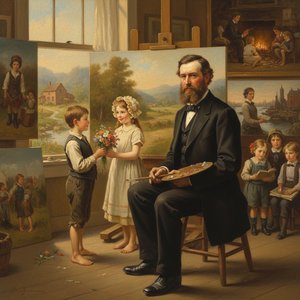
John George Brown: Capturing American Life & Sentiment in 19th-Century Genre Painting
Explore the captivating genre paintings of John George Brown, celebrated for his realistic depictions of 19th-century American life. Discover his legacy & find museum-quality reproductions at ArtsDot.
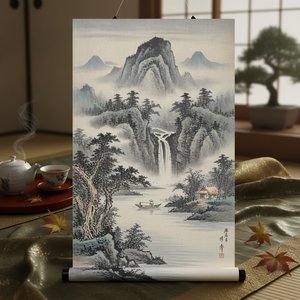
Serenity on Canvas: A Guide to the Timeless Beauty of Japanese Landscape Painting
Discover the serene beauty of Japanese landscape painting. From Hokusai's iconic woodblock prints to meditative sumi-e ink washes, explore a visual journey through the 'floating world' and learn how to bring this timeless Zen aesthetic into your modern home decor.
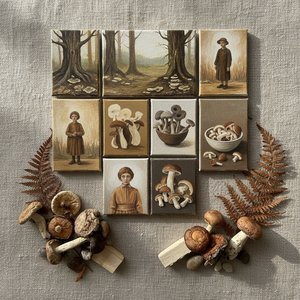
Earthy Hues & Masterpieces: Top 10 Paintings with 'Mushroom' Tones |
Explore 10 iconic paintings with captivating 'mushroom' tones! Discover Van Gogh, Monet & Rembrandt’s masterpieces—earthy palettes, rich history & artistic techniques. Find museum-quality art reproductions and curated decor ideas at