 Preview
 Send
Send Share
Share
 Details

 Download
 Similars
 X-Ray
X-Ray Diaporama
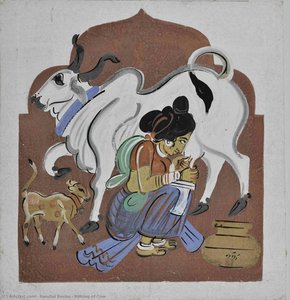
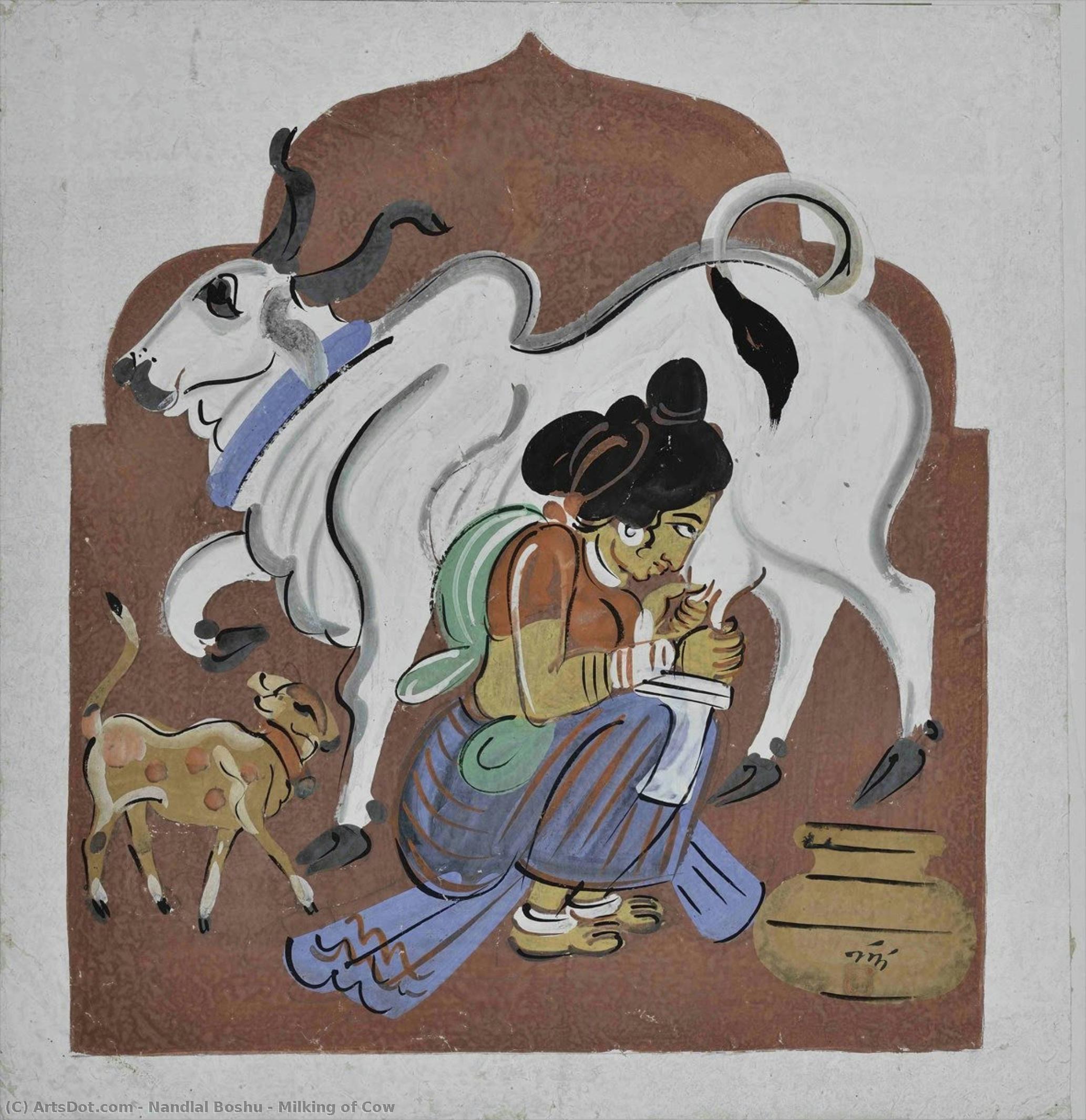
Milking of Cow
 Acrylic On Canvas
- WallArt
- Indian Folk Painting
 1937
1937- 19th Century
 59.0 x 62.0 cm
 National Gallery of Modern Art
 Read More
Giclée / Art Print
Museum-quality giclée or canvas print with fast production and flexible finish options. ( Buy Hand Made Painting Buy Image)




P118B $10

P118H $10

P118W $10

P438Z $10

P508JH $12

P508YH $12

P805H $10

P805Z $10

P919BZ $10

P919G $10

P919XJ $10

P959ZH $10

P968JZ $12

W106C $8

W218G $10

W218JH $8

W218Y $10

W307PJ $10

W316G $10

W316PJ $8

W316Y $10

W398PJ $8

W4111J $10

W500HY $15

W500JH $15

W692G $12

W849H $8

W940BG $15

W953PJ $8




Pick from our preset sizes that match the artwork's original proportions.

You may enter your own dimensions to fit a specific frame or space. If your selected size does not match the original image's proportions, we will either crop the artwork or extend the image with a mirrored or solid-fill edge. A digital mockup will be sent for your approval before production begins.
Please note that the on-screen preview does not reflect the actual cropping or extension. Only the mockup will accurately show the final composition.
While custom sizes are available, we recommend selecting a dimension from the predefined list to preserve the original proportions.
Worldwide Delivery () in 2 weeks instead of standard 4/5 weeks. (23 August)

Free Worldwide Express Shipping

High-Quality Linen Canvas

Full Shipping Insurance

Customs Tax Refund Guarantee

True Color Matching Guarantee

60-Day Return Policy (Defects Only)

100% Money-Back Guarantee

Bulk Discount Offer
 Glass option is only available in size under 110 CM

Milking of Cow
Giclée / Art Print
Reproduction Size
-


Total Price
$ 63
Collectible Description
A Moment Frozen in Time: Exploring Nandlal Bose’s “Milking of Cow”
The painting "Milking of Cow," executed by Nandlal Bose in 1937, offers a captivating glimpse into rural Indian life during the Gandhian era. More than just a depiction of agricultural labor, it embodies profound symbolism rooted in Hindu mythology and reflects the artist’s commitment to reviving classical traditions amidst the burgeoning movement for independence. The artwork's serene composition immediately draws the eye, establishing a harmonious balance between human activity and the natural world.Subject Matter and Composition
At its core lies a simple yet powerful narrative: a woman diligently milking a cow before a temple. Bose skillfully captures this everyday ritual, elevating it to an artistic statement. Two cows dominate the canvas—one large and centrally positioned, symbolizing fertility and abundance, while the smaller cow on the right corner represents pastoral simplicity. A goat adds another element of rural life, reinforcing the scene's authenticity. The woman’s kneeling posture conveys humility and reverence for both the animal and the sacred space.Style and Technique – Embracing Indian Style
Bose’s artistic style is undeniably “Indian Style,” a distinctive approach that skillfully blends influences from Persian miniature painting with traditional Hindu iconography. He employed tempera on canvas, a technique favored during this period, resulting in rich colors and luminous surfaces—particularly noticeable in the depiction of the cow’s hide and the temple walls. The artist's meticulous attention to detail is evident in the rendering of textures – the smooth sheen of the cow’s skin contrasts beautifully with the rough surface of the temple stone. This careful craftsmanship speaks volumes about Bose’s dedication to preserving and reimagining Indian artistic heritage.Historical Context: Gandhian Influence and Cultural Revival
“Milking of Cow” emerged during a pivotal moment in India's history—the Gandhian movement for independence. Mahatma Gandhi championed nonviolent resistance, emphasizing simplicity and harmony with nature as core values. Bose’s artwork aligns perfectly with this ethos, portraying rural life as an embodiment of these ideals. Furthermore, the painting reflects a broader effort to reconnect Indians with their ancient roots and traditions, mirroring the artistic revival spearheaded by intellectuals like Bose who sought inspiration from the Ajanta Caves murals—a testament to India's glorious past.Symbolism: Fertility, Reverence, and Spiritual Harmony
The temple itself serves as a focal point of symbolic significance, representing divine presence and spiritual aspiration. The cow is revered in Hinduism as sacred animal, symbolizing fertility, nourishment, and motherhood – values central to Indian culture. Bose’s portrayal underscores the importance of these beliefs within the rural landscape. The bowls positioned near the cows symbolize sustenance and gratitude—a subtle reminder of the interconnectedness between humanity and nature.Emotional Impact: Tranquility and Authenticity
Ultimately, “Milking of Cow” evokes a feeling of tranquility and authenticity. Bose’s masterful execution captures not only the visual beauty of the scene but also its underlying spiritual essence. It invites viewers to contemplate themes of tradition, faith, and harmony—elements that continue to resonate powerfully in contemporary art appreciation and interior design projects. Reproductions of this artwork offer an opportunity to bring a piece of Indian artistic history into any space, fostering contemplation and celebrating timeless values.Related Artworks
Artist Biography
early life and career
nandalal bose, a renowned indian artist, was born on december 3, 1882, in a middle-class bengali family in haverli kharagpur, munger district, bihar. his interest in art began at an early age, and he later pursued it as a career, despite initial disapproval from his family. nandalal bose joined the calcutta school of art, where he was influenced by the murals of the ajanta caves. he became part of an international circle of artists and writers seeking to revive classical indian culture. this association led to his involvement in the non-violence movement, as marked by his 1930 black on white linocut print of mahatma gandhi walking with a staff.artistic style and contributions
nandalal bose's artistic style was characterized by his "indian style" of painting, which blended traditional indian and persian influences. his works include scenes from indian mythologies, women, and village life, earning him recognition as one of the pioneers of modern indian art. some notable works by nandalal bose include:- a lion (59 x 63 cm, national gallery of modern art, new delhi, tempera) - [https://ArtsDot.com/@@/d3zhue-nandlal-boshu-a-lion](https://ArtsDot.com/@@/d3zhue-nandlal-boshu-a-lion)
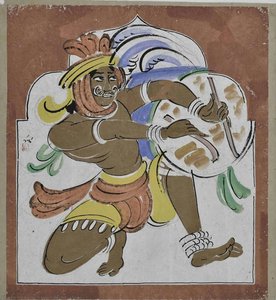
- dhol wala (59 x 63 cm, national gallery of modern art, new delhi, tempera) - [https://ArtsDot.com/@@/d3zgtg-nandlal-boshu-dhol-wala](https://ArtsDot.com/@@/d3zgtg-nandlal-boshu-dhol-wala)
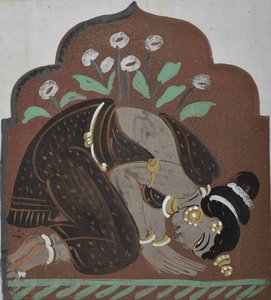
- pranam (50 x 55 cm, national gallery of modern art, new delhi, tempera) - [https://ArtsDot.com/@@/d3zgta-nandlal-boshu-pranam](https://ArtsDot.com/@@/d3zgta-nandlal-boshu-pranam)
legacy and recognition
nandalal bose's contributions to indian art are immense. he was given the task of illustrating the constitution of india and was recognized by the archaeological survey of india in 1976 as one of the "nine artists" whose work is considered an "art treasure." today, the national gallery of modern art in delhi holds over 7,000 of his works. important links: * nandalal bose's biography on wikipedia - [https://en.wikipedia.org/wiki/nandalal_bose](https://en.wikipedia.org/wiki/nandalal_bose) * nandlal boshu's artworks on ArtsDot.com - [https://ArtsDot.com/@/nandlal-boshu](https://ArtsDot.com/@/nandlal-boshu)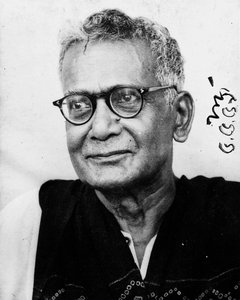
nandlal boshu
1882 - 1966 , India
Quick Facts
- Artistic Movement Or Style: Indian Style
- Artists Or Movements Influenced By This Artist: ['Ajanta Cave Murals']
- Artists Who Influenced This Artist: ['Abanindranath Tagore']
- Date Of Birth: December 3, 1882
- Date Of Death: April 16, 1966
- Full Name: Nandalal Bose
- Nationality: Indian
- Notable Artworks:
- A Lion
- Dhol Wala
- Pranam
- Place Of Birth: Kharagpur, India
Related Articles

Watercolor Wonders: 10 Masterpieces That Redefined Art History | ArtsDot
Journey through 10 legendary watercolor masterpieces by Sargent, Turner & Homer! Explore iconic landscapes, portraits & floral art that redefined history. Find museum-quality reproductions and curated decor ideas at ArtsDot.com.

Ephemeral Visions: Exploring the Artistic Legacy & Contemporary Practice of Watercolor Painting
Explore the captivating world of watercolor painting! Discover its rich history, essential techniques, influential artists & collecting tips. A comprehensive guide for art enthusiasts from ArtsDot.
Ephemeral Visions: Exploring the History & Emotional Resonance of Watercolor Painting
Explore the captivating history of watercolor painting, from ancient techniques to modern masters like Kandinsky & Blake. Discover essential artists, collecting tips & the emotional power of this luminous medium. Expert insights for art enthusiasts.
Ephemeral Visions: Exploring the Artistic Legacy & Nuances of Watercolor Painting
Explore the captivating world of watercolor painting! Discover its rich history, essential techniques, influential artists & collecting tips from art experts. A comprehensive guide for enthusiasts.
The Enduring Appeal of Watercolor: History, Techniques & Contemporary Practice
Explore the captivating world of watercolor painting! Discover its rich history, essential techniques, influential artists, and collecting tips. A comprehensive guide for art enthusiasts.