 Preview
 Send
Send Share
Share
 Details

 Download
 Similars
 X-Ray
X-Ray Diaporama
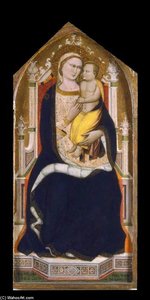
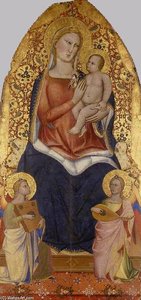
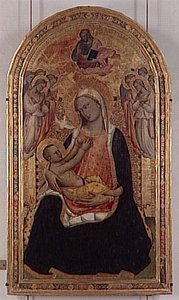
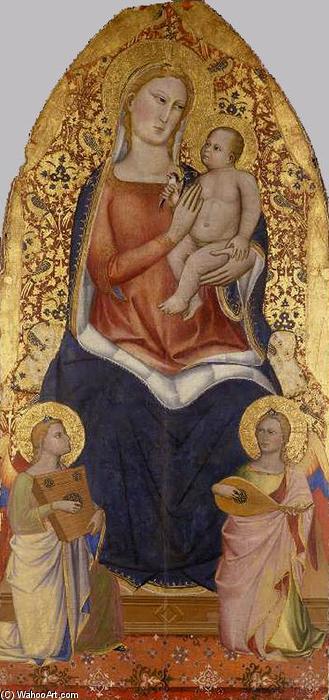
Virgin and Child


 Read More
Hand Made Oil Reproduction
Hand-painted oil on canvas in your size and frame, made to order by our artists. ( Buy Print Buy Image)




P118B $10

P118H $10

P118W $10

P438Z $10

P508JH $12

P508YH $12

P805H $10

P805Z $10

P919BZ $10

P919G $10

P919XJ $10

P959ZH $10

P968JZ $12

W106C $8

W218G $10

W218JH $8

W218Y $10

W307PJ $10

W316G $10

W316PJ $8

W316Y $10

W398PJ $8

W4111J $10

W500HY $15

W500JH $15

W692G $12

W849H $8

W940BG $15

W953PJ $8




Pick from our preset sizes that match the artwork's original proportions.

You may enter your own dimensions to fit a specific frame or space. If your selected size does not match the original image's proportions, we will either crop the artwork or extend the painting with additional hand-painted elements. A digital mockup will be sent for your approval before production begins.
Please note that the on-screen preview does not reflect the actual cropping or extension. Only the mockup will accurately show the final composition.
While custom sizes are available, we recommend selecting a dimension from the predefined list to preserve the original proportions.
After order, ArtsDot.com team will email client for instructions and provide a mockup preview
Worldwide Delivery () in 3/4 weeks instead of standard 5 weeks. (17 August). No compromise on quality.

Free Worldwide Express Shipping

High-Quality Linen Canvas

Full Shipping Insurance

Customs Tax Refund Guarantee

True Color Matching Guarantee

60-Day Return Policy (Defects Only)

100% Money-Back Guarantee

Bulk Discount Offer
 Glass option is only available in size under 110 CM

Virgin and Child
Reproduction Medium
Reproduction Size
-


Total Price
$ 263
Artwork Description
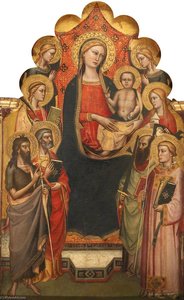
A Florentine Embrace: Niccolò di Pietro Gerini’s Virgin and Child
Within the vibrant tapestry of 14th-century Florence, a city poised on the cusp of the Renaissance, flourished an artist whose work quietly yet powerfully bridged the gap between the Gothic past and the burgeoning naturalism of the new era: Niccolò di Pietro Gerini. His “Virgin and Child,” a captivating panel painting, offers a glimpse into this transitional period, revealing a masterful command of traditional techniques while hinting at the evolving artistic sensibilities that would soon define the Renaissance. More than just a devotional image, it’s a testament to the enduring power of faith, family, and the delicate balance between reverence and human emotion.
Gerini, born around 1340 and passing away circa 1415, was deeply rooted in the Florentine artistic community. His father, Pietro Geri, a member of the Guild of Saint Luke, instilled within him an early appreciation for art, setting the stage for his own career. The painting itself is executed in tempera on panel, transferred to canvas – a common practice at the time that allowed for greater durability and surface preparation. The composition adheres closely to established Gothic conventions: figures are rendered with a certain stiffness and dramatic movement, their poses conveying a sense of solemnity and timelessness. Yet, subtle shifts begin to emerge—a hint of volume in the drapery, a more expressive quality in the faces – foreshadowing the naturalistic advancements that would soon characterize Renaissance art.
The Iconography of Devotion
At the heart of the panel resides the Virgin Mary, depicted in a seated posture, her hands gently cradling the infant Jesus. This iconic image—the “Virgin and Child”—is a cornerstone of Christian iconography, representing purity, humility, and divine grace. Mary’s blue cloak, a symbol of heaven and spiritual perfection, contrasts beautifully with the red dress she wears, referencing the blood of Christ and his sacrifice. The vibrant colors, typical of Florentine painting during this period, contribute to the overall sense of majesty and reverence. The presence of two angels flanking the central figures further emphasizes the sacred nature of the scene, each holding musical instruments – a lute and a small organ – suggesting a serene and divine atmosphere filled with harmonious beauty.
The saints depicted alongside Mary—St Paul, St Stephen, St Anthony Abbott, and three female martyrs—add layers of meaning to the composition. These figures represent the broader Christian community united in devotion to the Virgin and Child. Their inclusion reinforces the painting’s message of faith, hope, and charity – core tenets of Christian belief.
A Glimpse into a Master's Workshop
Gerini’s style is often described as “Gothic-influenced,” reflecting his training within the established traditions of Florence. However, it’s crucial to recognize that he wasn’t merely replicating existing forms; rather, he skillfully adapted them, incorporating elements of innovation and a growing awareness of human anatomy. The figures possess a certain solidity and weight, yet their expressions are imbued with a subtle emotional depth—a quiet dignity and tenderness that transcends the purely formal aspects of the composition. The background is framed by an elaborate golden border, a common feature in medieval and early Renaissance paintings designed to highlight the importance and sacred nature of the subject matter. This opulent framing further elevates the painting’s status as a devotional masterpiece.
Further research reveals that Gerini collaborated extensively with other prominent artists of his time, including Lorenzo di Niccolò, demonstrating the dynamic artistic environment of Florence during this period. His work serves as a valuable bridge between the Gothic and Renaissance styles, offering a fascinating insight into the evolution of Florentine art.
A Timeless Reflection
“Virgin and Child” by Niccolò di Pietro Gerini is more than just a beautiful painting; it’s a poignant meditation on faith, family, and the enduring power of human connection. Its timeless appeal lies in its ability to evoke a sense of serenity, reverence, and profound emotional resonance. Whether displayed as a cherished heirloom or incorporated into a thoughtfully curated interior space, this artwork continues to inspire and uplift viewers with its quiet beauty and spiritual depth.
Related Artworks
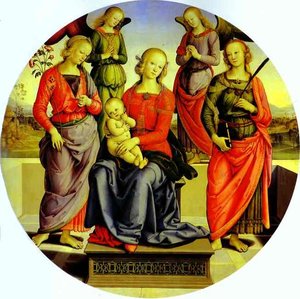
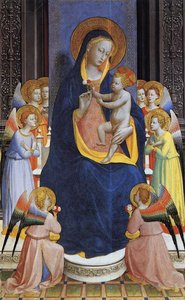
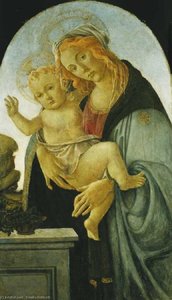
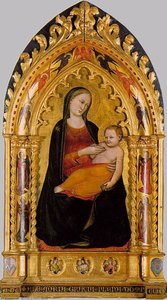
Artist Biography
A Florentine Bridging Worlds: The Life and Art of Niccolò di Pietro Gerini
The Florence of the late 14th and early 15th centuries was a crucible of artistic innovation, poised on the brink of the Renaissance. Within this vibrant milieu lived Niccolò di Pietro Gerini, a painter whose work embodies the transition from the elegant stylizations of the Gothic period to the burgeoning naturalism that would define the new era. Born around 1368 in Florence and passing away circa 1415, Gerini’s career unfolded against a backdrop of artistic ferment, where tradition and experimentation danced a delicate balance. His father, Pietro Geri, was himself a member of the Guild of Saint Luke, suggesting an upbringing steeped in artistic practice—a familial legacy that would continue with Niccolò's son, Bindo, also becoming a painter. Registered with the Arte dei Medici e Speziali in 1368, Gerini’s early involvement within Florentine guilds demonstrates his immediate integration into the city’s thriving art world.Echoes of Giants: Influences and Artistic Development
Gerini did not emerge from a vacuum; his artistic sensibility was deeply informed by the masters who preceded him. He is firmly rooted in the school of Giotto di Bondone, inheriting a commitment to expressive figures and a nascent naturalism that broke away from the rigid conventions of Byzantine art. However, Gerini’s style wasn't merely imitative. The influence of Andrea di Orcagna and Taddeo Gaddi are also readily apparent, contributing to a distinctive aesthetic characterized by dramatic movement and a certain monumentality. His figures often exhibit recognizable traits—large chins, sloping foreheads, sharp noses, and somewhat squat bodies—features typical of Gothic depictions that prioritized symbolic representation over strict anatomical accuracy. Yet, within these conventions, Gerini infused his compositions with a dynamic energy, hinting at the emotional intensity that would become a hallmark of Renaissance art. He wasn’t necessarily an innovator in the same vein as Masaccio or Donatello, but he skillfully synthesized existing traditions, creating works that resonated with contemporary audiences and paved the way for future developments.Collaborations and Commissions: A Career Defined by Partnership
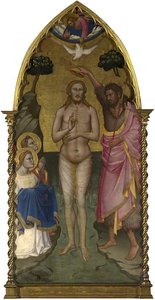
A significant aspect of Gerini's career was his frequent collaboration with Jacopo di Cione, a prominent Florentine artist in his own right. These partnerships were common practice during the period, reflecting both economic realities and the collaborative spirit within artistic workshops. Together, they undertook several important projects, including frescoes for the Guildhall of Judges and Notaries (circa 1366), now lost to time but documented through historical records. Their collaboration extended to multiple altarpieces dedicated to the *Coronation of the Virgin*—one for San Pier Maggiore (1370) where Gerini is credited with the design, while Jacopo executed it, and another for the Mint of Florence (1372). The fresco of the Annunciation in Volterra (1383) further exemplifies their working relationship, revealing a clear division of labor between the two artists. Beyond his work with Cione, Gerini received numerous independent commissions. He created a poignant fresco depicting orphans being handed over to adoptive parents on the façade of the Bigallo (1386), showcasing his narrative skill and sensitivity. Other notable works include the *Dossal of the Entombment of Christ* in the oratory of S. Carlino, and the *Triptych of the Baptism of Christ*, originally created for an altar in the Camaldolese monastery of S. Maria degli Angeli. He also left his mark on Palazzo Datini in Prato and frescoed capitals in the church of San Francesco in Pisa, demonstrating a widespread demand for his artistic services. Finally, he contributed frescoes to Santa Croce, depicting scenes from the life of Christ.Legacy and Historical Significance
Niccolò di Pietro Gerini occupies a crucial position in Florentine art history as a representative of the late Gothic style during a period of profound transformation. He embodies a pivotal moment—bridging the innovations of Giotto with the emerging aesthetic principles of the Renaissance. His frequent collaborations highlight the collaborative nature of artistic production during this era, while his role as a teacher—Lorenzo di Niccolò di Martino trained in his workshop—demonstrates his influence on subsequent generations of artists. Gerini’s commitment to preserving traditional Gothic techniques and compositional approaches ensured the continuity of artistic traditions in Florence, even as new ideas began to take hold. While perhaps not celebrated with the same fervor as some of his more revolutionary contemporaries, Niccolò di Pietro Gerini remains a vital figure for understanding the complex evolution of Florentine painting and the delicate interplay between tradition and innovation that defined one of history’s most remarkable artistic periods. His work offers a compelling glimpse into a world on the cusp of change—a world where the echoes of the past resonated with the promise of a new dawn.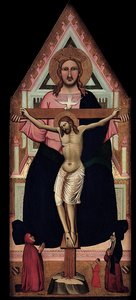
Niccolò di Pietro Gerini
1368 - 1415 , Italy
Quick Facts
- Artistic Movement Or Style: Late Gothic
- Artists Or Movements Influenced By This Artist: ['Lorenzo di Niccolò']
- Artists Who Influenced This Artist:
- Giotto di Bondone
- Andrea Orcagna
- Taddeo Gaddi
- Date Of Birth: c. 1368
- Date Of Death: c. 1415
- Full Name: Niccolò di Pietro Gerini
- Nationality: Italian
- Notable Artworks:
- Virgin of Humility
- Scenes from St Eloi's Legend
- Frame Roundel
- Entombment of Christ
- Baptism of Christ
- Place Of Birth: Florence, Italy
Related Articles

Giotto's Masterpieces: 25 Renaissance Artworks for Your Home | ArtsDot
Explore 25 breathtaking artworks by Giotto di Bondone, a Renaissance master. Discover the stories behind iconic frescoes & paintings like the Scrovegni Chapel cycle. Find museum-quality Giotto reproductions and elevate your home decor with ArtsDot.com.
La Biennale's Masterpieces: 25 Artworks to Inspire Your Home | ArtsDot
Explore 25 iconic artworks from La Biennale di Venezia! Discover the stories behind masterpieces of Italian art, modernism & Renaissance paintings. Find museum-quality reproductions and elevate your home decor with ArtsDot.com. Explore the full collection online.
Proto-Renaissance Masters: 10 Artworks That Changed History | ArtsDot
Journey back to the dawn of Renaissance art! Explore 10 iconic Proto-Renaissance masterpieces by Giotto, Cimabue & Duccio. Discover their stories, techniques & lasting impact. Find museum-quality reproductions for your home at ArtsDot.com
Pietro da Cortona: Baroque Grandeur & the Synthesis of Roman Painting
Explore the life & masterpieces of Pietro da Cortona, a defining figure of the Italian Baroque. Discover his stunning frescoes at Palazzo Barberini and lasting influence on Roman art history. Learn more with ArtsDot.
Uffizi's 25 Masterpieces: Renaissance Art & Timeless Decor Inspiration
Journey through the Uffizi Gallery's 25 most iconic Renaissance artworks! Explore Botticelli, Leonardo da Vinci & Michelangelo’s masterpieces. Find museum-quality art reproductions and curated decor ideas to bring timeless Italian beauty into your home. Discover all masterpieces on ArtsDot.com