 Preview
 Send
Send Share
Share
 Details

 Download
 Similars
 X-Ray
X-Ray Diaporama
Virgin and Child


 Read More
Hand Made Oil Reproduction
Hand-painted oil on canvas in your size and frame, made to order by our artists. ( Buy Print Buy Image)




P118B $10

P118H $10

P118W $10

P438Z $10

P508JH $12

P508YH $12

P805H $10

P805Z $10

P919BZ $10

P919G $10

P919XJ $10

P959ZH $10

P968JZ $12

W106C $8

W218G $10

W218JH $8

W218Y $10

W307PJ $10

W316G $10

W316PJ $8

W316Y $10

W398PJ $8

W4111J $10

W500HY $15

W500JH $15

W692G $12

W849H $8

W940BG $15

W953PJ $8




Pick from our preset sizes that match the artwork's original proportions.

You may enter your own dimensions to fit a specific frame or space. If your selected size does not match the original image's proportions, we will either crop the artwork or extend the painting with additional hand-painted elements. A digital mockup will be sent for your approval before production begins.
Please note that the on-screen preview does not reflect the actual cropping or extension. Only the mockup will accurately show the final composition.
While custom sizes are available, we recommend selecting a dimension from the predefined list to preserve the original proportions.
After order, ArtsDot.com team will email client for instructions and provide a mockup preview
Worldwide Delivery () in 3/4 weeks instead of standard 5 weeks. (16 August). No compromise on quality.

Free Worldwide Express Shipping

High-Quality Linen Canvas

Full Shipping Insurance

Customs Tax Refund Guarantee

True Color Matching Guarantee

60-Day Return Policy (Defects Only)

100% Money-Back Guarantee

Bulk Discount Offer
 Glass option is only available in size under 110 CM

Virgin and Child
Reproduction Medium
Reproduction Size
-


Total Price
$ 263
Artwork Description
A Florentine Embrace: Unveiling Niccolò di Pietro Gerini’s “Virgin and Child”
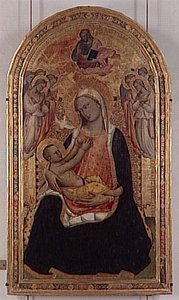
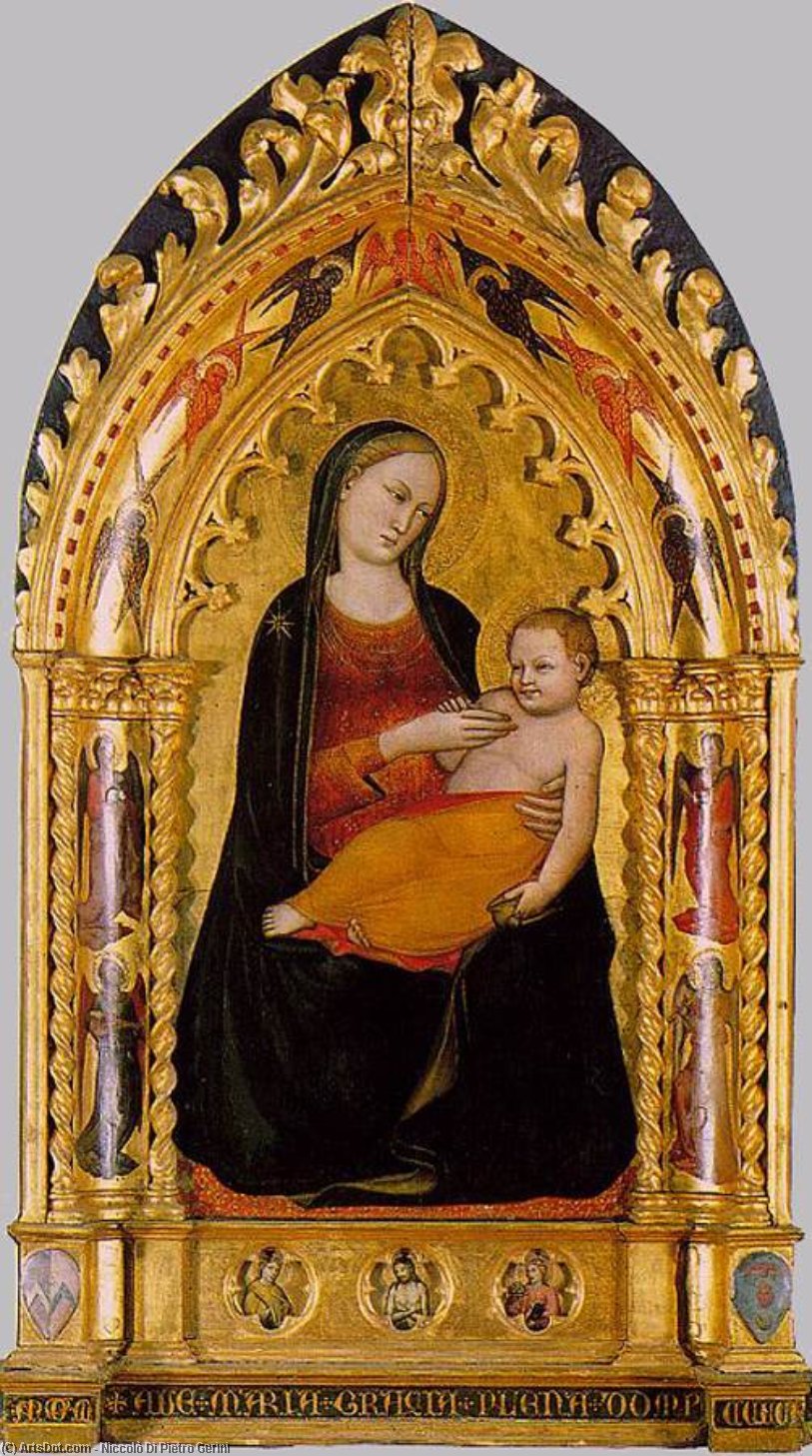
The year is 1400, Florence pulses with the nascent energy of the Renaissance, and within its bustling workshops, a young artist named Niccolò di Pietro Gerini was quietly shaping his legacy. His painting, "Virgin and Child," isn't merely a devotional image; it’s a poignant distillation of the era’s evolving artistic sensibilities – a delicate balance between the lingering formality of Gothic tradition and the burgeoning naturalism that would soon dominate the art world. This piece, recently rediscovered through meticulous research, offers a rare glimpse into the formative years of an artist whose work foreshadowed the monumental achievements of his successors.
Gerini’s skill is immediately evident in the remarkably lifelike portrayal of Mary and Christ. The Virgin, rendered with a youthful grace and serene composure, embodies a quiet dignity that speaks volumes about her role as mother and mediator. Her fair skin, subtly highlighted by the artist's masterful use of light, contrasts beautifully with the rich hues of her blue cloak and crimson garment – colors steeped in religious symbolism, representing humility and sacrifice respectively. The infant Jesus, nestled securely within his mother’s arms, is a study in innocent charm; his curly blond hair and wide-eyed gaze immediately draw the viewer into his world. The meticulous detail applied to each feature, from the delicate curve of his lips to the folds of his white robe adorned with a vibrant red sash, demonstrates Gerini's dedication to anatomical accuracy and emotional expression – hallmarks of a burgeoning Renaissance approach.
A Symphony of Color and Light
The painting’s visual impact is further enhanced by Gerini’s skillful manipulation of color and light. The palette leans heavily into earth tones—ochre, umber, and sienna—creating a sense of groundedness and stability. However, these muted hues are dramatically punctuated by the lavish use of gold leaf, particularly within the intricate arch that frames the scene above. This architectural element, reminiscent of Byzantine iconography but subtly adapted to Florentine tastes, elevates the composition, suggesting divine grace and authority. The landscape below, rendered with a delicate touch, offers a peaceful counterpoint to the central figures – a stylized representation of nature imbued with a sense of tranquility and hope. The birds soaring through the sky and the trees reaching towards the heavens contribute to this atmosphere of serenity.
Symbolism Woven into the Fabric
Beyond its aesthetic beauty, “Virgin and Child” is rich in symbolic meaning. The choice of colors—blue for Mary’s humility, red for Christ's sacrifice—is deeply rooted in Christian iconography. The golden arch itself symbolizes heaven, connecting the earthly realm of the Virgin and Child with the divine. The inclusion of a landscape, rather than a purely architectural setting, suggests a belief in God’s creation and his intimate involvement in human affairs. Even the positioning of Mary and Christ—the mother cradling her son—echoes ancient imagery of the Madonna and Child, reinforcing their sacred status within Christian tradition. The Latin text at the bottom, though currently undeciphered, likely served as an invocation or prayer associated with the image.
A Window into a Florentine Workshop
Considering Gerini’s background—his father was a member of the Guild of Saint Luke and his son followed in his footsteps – this painting undoubtedly emerged from a vibrant workshop environment. The craftsmanship, evident in the meticulous detail and harmonious composition, speaks to a dedication to both artistic excellence and guild standards. The elaborate golden frame further emphasizes the importance of this work, suggesting it was commissioned for a significant religious institution or a discerning private collector. “Virgin and Child” is not simply a beautiful painting; it’s a tangible link to a pivotal moment in Florentine art history—a testament to the artistic talent and evolving sensibilities of Niccolò di Pietro Gerini.
Related Artworks
Artist Biography
A Florentine Bridging Worlds: The Life and Art of Niccolò di Pietro Gerini
The Florence of the late 14th and early 15th centuries was a crucible of artistic innovation, poised on the brink of the Renaissance. Within this vibrant milieu lived Niccolò di Pietro Gerini, a painter whose work embodies the transition from the elegant stylizations of the Gothic period to the burgeoning naturalism that would define the new era. Born around 1368 in Florence and passing away circa 1415, Gerini’s career unfolded against a backdrop of artistic ferment, where tradition and experimentation danced a delicate balance. His father, Pietro Geri, was himself a member of the Guild of Saint Luke, suggesting an upbringing steeped in artistic practice—a familial legacy that would continue with Niccolò's son, Bindo, also becoming a painter. Registered with the Arte dei Medici e Speziali in 1368, Gerini’s early involvement within Florentine guilds demonstrates his immediate integration into the city’s thriving art world.Echoes of Giants: Influences and Artistic Development
Gerini did not emerge from a vacuum; his artistic sensibility was deeply informed by the masters who preceded him. He is firmly rooted in the school of Giotto di Bondone, inheriting a commitment to expressive figures and a nascent naturalism that broke away from the rigid conventions of Byzantine art. However, Gerini’s style wasn't merely imitative. The influence of Andrea di Orcagna and Taddeo Gaddi are also readily apparent, contributing to a distinctive aesthetic characterized by dramatic movement and a certain monumentality. His figures often exhibit recognizable traits—large chins, sloping foreheads, sharp noses, and somewhat squat bodies—features typical of Gothic depictions that prioritized symbolic representation over strict anatomical accuracy. Yet, within these conventions, Gerini infused his compositions with a dynamic energy, hinting at the emotional intensity that would become a hallmark of Renaissance art. He wasn’t necessarily an innovator in the same vein as Masaccio or Donatello, but he skillfully synthesized existing traditions, creating works that resonated with contemporary audiences and paved the way for future developments.Collaborations and Commissions: A Career Defined by Partnership
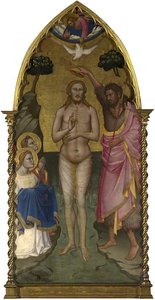
A significant aspect of Gerini's career was his frequent collaboration with Jacopo di Cione, a prominent Florentine artist in his own right. These partnerships were common practice during the period, reflecting both economic realities and the collaborative spirit within artistic workshops. Together, they undertook several important projects, including frescoes for the Guildhall of Judges and Notaries (circa 1366), now lost to time but documented through historical records. Their collaboration extended to multiple altarpieces dedicated to the *Coronation of the Virgin*—one for San Pier Maggiore (1370) where Gerini is credited with the design, while Jacopo executed it, and another for the Mint of Florence (1372). The fresco of the Annunciation in Volterra (1383) further exemplifies their working relationship, revealing a clear division of labor between the two artists. Beyond his work with Cione, Gerini received numerous independent commissions. He created a poignant fresco depicting orphans being handed over to adoptive parents on the façade of the Bigallo (1386), showcasing his narrative skill and sensitivity. Other notable works include the *Dossal of the Entombment of Christ* in the oratory of S. Carlino, and the *Triptych of the Baptism of Christ*, originally created for an altar in the Camaldolese monastery of S. Maria degli Angeli. He also left his mark on Palazzo Datini in Prato and frescoed capitals in the church of San Francesco in Pisa, demonstrating a widespread demand for his artistic services. Finally, he contributed frescoes to Santa Croce, depicting scenes from the life of Christ.Legacy and Historical Significance
Niccolò di Pietro Gerini occupies a crucial position in Florentine art history as a representative of the late Gothic style during a period of profound transformation. He embodies a pivotal moment—bridging the innovations of Giotto with the emerging aesthetic principles of the Renaissance. His frequent collaborations highlight the collaborative nature of artistic production during this era, while his role as a teacher—Lorenzo di Niccolò di Martino trained in his workshop—demonstrates his influence on subsequent generations of artists. Gerini’s commitment to preserving traditional Gothic techniques and compositional approaches ensured the continuity of artistic traditions in Florence, even as new ideas began to take hold. While perhaps not celebrated with the same fervor as some of his more revolutionary contemporaries, Niccolò di Pietro Gerini remains a vital figure for understanding the complex evolution of Florentine painting and the delicate interplay between tradition and innovation that defined one of history’s most remarkable artistic periods. His work offers a compelling glimpse into a world on the cusp of change—a world where the echoes of the past resonated with the promise of a new dawn.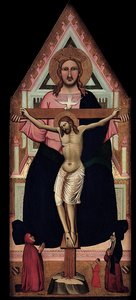
Niccolò di Pietro Gerini
1368 - 1415 , Italy
Quick Facts
- Artistic Movement Or Style: Late Gothic
- Artists Or Movements Influenced By This Artist: ['Lorenzo di Niccolò']
- Artists Who Influenced This Artist:
- Giotto di Bondone
- Andrea Orcagna
- Taddeo Gaddi
- Date Of Birth: c. 1368
- Date Of Death: c. 1415
- Full Name: Niccolò di Pietro Gerini
- Nationality: Italian
- Notable Artworks:
- Virgin of Humility
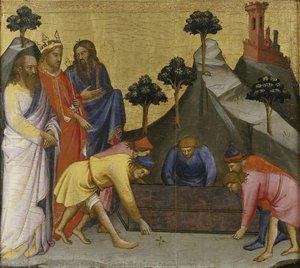
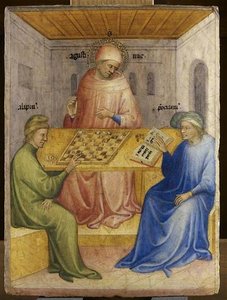
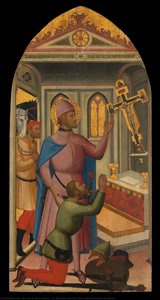
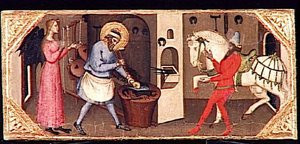
- Scenes from St Eloi's Legend
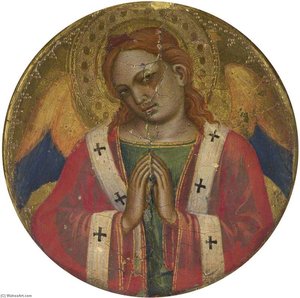
- Frame Roundel
- Entombment of Christ
- Baptism of Christ
- Place Of Birth: Florence, Italy
Related Articles
Fra Angelico's Masterpieces: 25 Renaissance Paintings for Your Home | ArtsDot
Explore 25 breathtaking masterpieces by Fra Angelico, a Renaissance master. Discover the stories behind his iconic frescoes, Annunciations & religious art. Find museum-quality reproductions and elevate your home decor with ArtsDot.com.
Jacob Henricus Maris: A Master of Dutch Atmospheric Realism & the Intimate Landscape
Explore the captivating world of Jacob Henricus Maris, a leading figure of the Dutch Hague School. Discover his atmospheric landscapes, signature brushstrokes & lasting influence on 19th-century art. Learn more at ArtsDot.

Giotto's Masterpieces: 25 Renaissance Artworks for Your Home | ArtsDot
Explore 25 breathtaking artworks by Giotto di Bondone, a Renaissance master. Discover the stories behind iconic frescoes & paintings like the Scrovegni Chapel cycle. Find museum-quality Giotto reproductions and elevate your home decor with ArtsDot.com.
El Greco's Masterpieces: Explore 25 Iconic Paintings & Spiritual Visions | ArtsDot
Journey through El Greco's 25 most iconic paintings! Explore the spiritual depth & dramatic beauty of this Spanish Renaissance master. Discover art history, techniques & find museum-quality reproductions for your home at ArtsDot.com.

Mary Vaux Walcott: Botanical Precision & Artistic Vision in American Conservation
Discover the exquisite botanical watercolors of Mary Vaux Walcott, celebrated as the 'Audubon of Botany.' Explore her life, art, and lasting impact on American conservation through detailed illustrations & Smithsonian contributions.