 Preview
 Send
Send Share
Share
 Details

 Download
 Similars
 X-Ray
X-Ray Diaporama
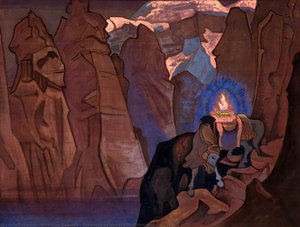
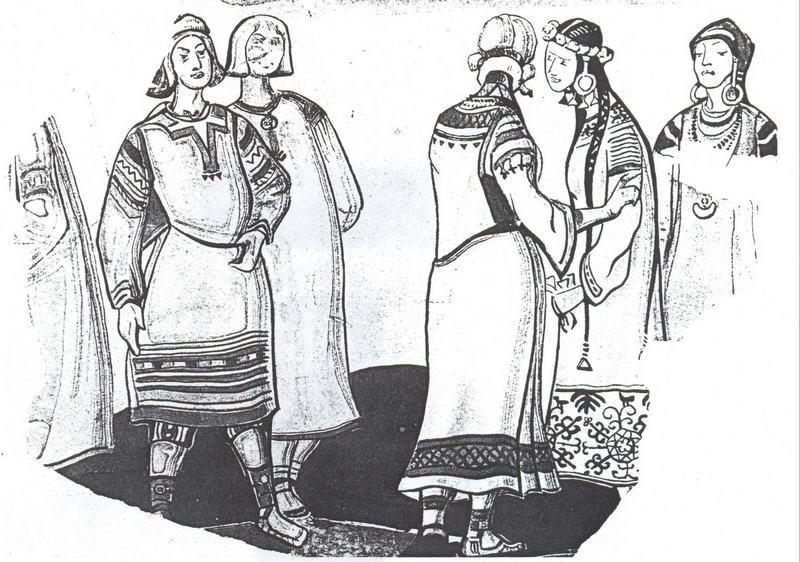
The scene with five figures in costumes


 Read More
Hand Made Oil Reproduction
Hand-painted oil on canvas in your size and frame, made to order by our artists. ( Buy Print Buy Image)




P118B $10

P118H $10

P118W $10

P438Z $10

P508JH $12

P508YH $12

P805H $10

P805Z $10

P919BZ $10

P919G $10

P919XJ $10

P959ZH $10

P968JZ $12

W106C $8

W218G $10

W218JH $8

W218Y $10

W307PJ $10

W316G $10

W316PJ $8

W316Y $10

W398PJ $8

W4111J $10

W500HY $15

W500JH $15

W692G $12

W849H $8

W940BG $15

W953PJ $8




Pick from our preset sizes that match the artwork's original proportions.

You may enter your own dimensions to fit a specific frame or space. If your selected size does not match the original image's proportions, we will either crop the artwork or extend the painting with additional hand-painted elements. A digital mockup will be sent for your approval before production begins.
Please note that the on-screen preview does not reflect the actual cropping or extension. Only the mockup will accurately show the final composition.
While custom sizes are available, we recommend selecting a dimension from the predefined list to preserve the original proportions.
After order, ArtsDot.com team will email client for instructions and provide a mockup preview
Worldwide Delivery () in 3/4 weeks instead of standard 5 weeks. (16 August). No compromise on quality.

Free Worldwide Express Shipping

High-Quality Linen Canvas

Full Shipping Insurance

Customs Tax Refund Guarantee

True Color Matching Guarantee

60-Day Return Policy (Defects Only)

100% Money-Back Guarantee

Bulk Discount Offer
 Glass option is only available in size under 110 CM

The scene with five figures in costumes
Reproduction Medium
Reproduction Size
-


Total Price
$ 363
Artwork Description
Nicholas Roerich’s Enigmatic Figures: A Study in Line and Ritual
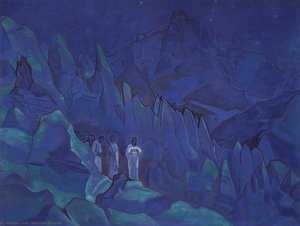
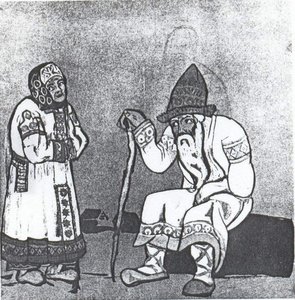
“The scene with five figures in costumes,” created by the renowned Russian artist Nicholas Roerich, presents a captivating study in stylized form and symbolic representation. Executed during a pivotal period of his career – specifically around 1920 – this artwork embodies Roerich’s evolving artistic language, blending elements of Art Nouveau with a distinctly Constructivist sensibility. The piece immediately draws the eye to its masterful use of line; bold, black lines dominate, meticulously defining the figures and intricate patterns adorning their garments. This emphasis on linear structure isn't merely decorative; it speaks to Roerich’s broader philosophical concerns regarding the interconnectedness of spiritual and material realities – a theme that permeated much of his work.
- Technique: The artwork’s creation likely involved techniques associated with printmaking, possibly woodcut or linocut. The sharp, graphic quality and restricted tonal range strongly suggest this method, allowing for the precise rendering of complex patterns and forms.
- Composition: Five figures are arranged in a loose grouping within a shallow space, devoid of traditional perspective. This flattened approach contributes to the artwork’s almost theatrical feel, reminiscent of stage design or ceremonial procession.
- Color Palette: The monochromatic palette – primarily shades of brown and cream – further amplifies the impact of the lines, creating a sense of austerity and solemnity. It's a deliberate choice that directs the viewer's attention to the formal elements of the composition.
A Window into Roerich’s Worldview
Nicholas Roerich was deeply invested in exploring themes of spirituality, mythology, and cultural heritage. His work frequently engaged with ancient symbols and traditions, reflecting his belief in a universal human consciousness. “The scene with five figures in costumes” can be interpreted as a visual meditation on ritual, belonging, and the power of collective identity. The figures’ elaborate attire – suggestive of stylized ethnic clothing – hints at a broader engagement with diverse cultures and their associated customs. This wasn't simply an artistic exercise; Roerich saw himself as a cultural ambassador, striving to bridge divides between East and West through his art.
- Symbolism: The costumes themselves are laden with potential symbolic meaning. They could represent status within a hierarchical society, adherence to religious or spiritual practices, or the shared identity of a particular group.
- Historical Context: Created around 1920, this piece reflects Roerich’s growing interest in exploring non-Western cultures and mythologies during a period of significant artistic experimentation and social upheaval. The Constructivist movement, with its emphasis on geometric forms and functional design, undoubtedly influenced his approach.
Formal Qualities and Lasting Impact
Beyond its symbolic content, “The scene with five figures in costumes” is a testament to Roerich’s exceptional technical skill. The meticulous rendering of line, the careful control of tonal values, and the deliberate use of geometric shapes create a visually arresting composition. This artwork exemplifies Roerich's ability to synthesize diverse influences – from Art Nouveau’s decorative flair to Constructivism’s rigorous formalism – into a uniquely personal artistic vision. It remains a compelling example of his enduring legacy as one of Russia’s most significant artists.
- Materials: Likely created using graphite, ink, or similar drawing media, possibly transferred onto paper or prepared for printmaking processes.
- Size & Date: Unknown – this information would be crucial for collectors and art historians alike.
Related Artworks
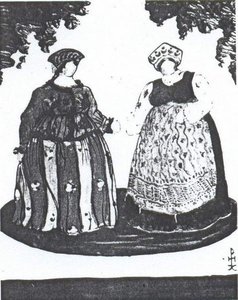
Artist Biography
A Life Immersed in Art and Spirit
Nicholas Roerich, born October 9, 1874, in the vibrant cultural heart of Saint Petersburg, Russia, was a figure whose life transcended the boundaries of artistic expression. He wasn’t merely a painter; he was an archaeologist, a writer, a philosopher, and a tireless advocate for peace and cultural preservation. His upbringing, steeped in both intellectual rigor – his father was a notary public – and artistic appreciation thanks to his mother, laid the foundation for a remarkably multifaceted career. Roerich simultaneously pursued studies in law and art at St. Petersburg University and the Imperial Academy of Arts beginning in 1893, demonstrating an early commitment to a broad understanding of the world. This dual path wasn’t contradictory for him; rather, it reflected a belief that artistic vision needed grounding in historical context and intellectual discipline. He received his artist designation in 1897 and completed his law degree the following year, setting the stage for a life dedicated to both creative exploration and reasoned action.The Allure of Symbolism and Theatrical Innovation
Roerich’s artistic development was profoundly shaped by the currents of Russian Symbolism, a movement that sought to evoke emotional and spiritual depths through evocative imagery and suggestive forms. He quickly became involved with Sergei Diaghilev's influential “World of Art” society, eventually assuming its presidency from 1910 to 1916. This association proved pivotal, exposing him to a network of innovative artists, composers, and thinkers who were redefining the landscape of Russian art. His early work revealed a fascination with archaeology and stage design, leading to groundbreaking collaborations with Diaghilev’s Ballets Russes. Roerich's designs for productions like Alexander Borodin's *Prince Igor* (1909) and, most famously, Igor Stravinsky’s revolutionary *The Rite of Spring* (1913), were not simply backdrops; they were integral components of the theatrical experience. He blended meticulous historical research with a bold imaginative vision, creating visually stunning environments that amplified the emotional power of the music and choreography. These designs weren't merely decorative; they were attempts to evoke primordial forces and ancient rituals, reflecting the Symbolist interest in myth and spirituality. His work was also influenced by apocrypha and medieval sectarian writings like the Dove Book, adding layers of esoteric meaning to his artistic creations.A Journey Towards Mysticism and Himalayan Visions
As Roerich’s career progressed, his paintings underwent a significant transformation, increasingly embracing mystical and spiritual themes. This shift was fueled by his growing interest in Theosophy and Eastern religions, philosophies that emphasized the interconnectedness of all things and the pursuit of inner wisdom. His *Architectural Studies* series (1904–1905) showcased not only his architectural skill but also a deep commitment to preserving cultural heritage, foreshadowing his later advocacy for protecting art during times of conflict. Recurring motifs began to emerge in his work: majestic landscapes, ancient cities shrouded in mystery, and figures imbued with spiritual significance like St. Panteleimon and Kuan Yin. Perhaps most notably, the Himalayas became a central subject in his paintings, representing not just a geographical location but a realm of profound spiritual power and enlightenment. He embarked on extensive travels throughout Central Asia, conducting archaeological research and documenting ancient cultures, experiences that deeply informed his artistic vision and reinforced his belief in the importance of cultural understanding.Legacy of Preservation and Enduring Influence
Nicholas Roerich’s commitment extended beyond the canvas; he was a dedicated advocate for protecting art and architecture during times of war. Recognizing the vulnerability of cultural treasures, he spearheaded the creation of the Roerich Pact in 1935 – an international treaty designed to safeguard cultural objects from destruction. This initiative earned him multiple nominations for the Nobel Peace Prize, underscoring his profound humanitarianism. His tireless efforts demonstrated a belief that preserving cultural heritage was essential not only for understanding the past but also for building a more peaceful future. Today, Roerich’s work is celebrated in prominent museum collections worldwide, including the Astrakhan State Picture Gallery and, notably, the Nicholas Roerich Museum in New York City. His impact on Russian art and culture remains immeasurable. He bridged the gap between artistic expression and spiritual exploration, influencing generations of artists and thinkers with his visionary approach. He is remembered not only as a painter but as a scholar, a humanitarian, and a beacon of hope for cultural preservation.Key Works & Continuing Relevance
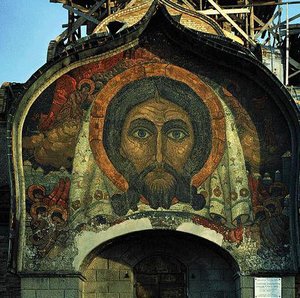
- Saint Nicholas: A detailed monochrome mural showcasing medieval art and heraldic symbolism.
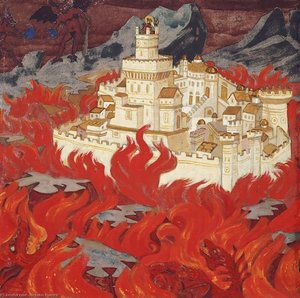
- City: Evocative depictions of ancient urban landscapes, reflecting his archaeological interests.
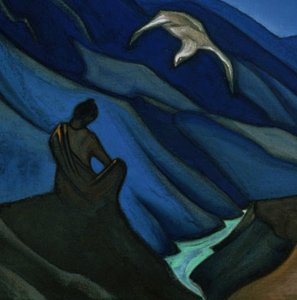
- Lake of the Nagas: A tempera painting blending symbolism and nature, exemplifying his unique artistic vision.
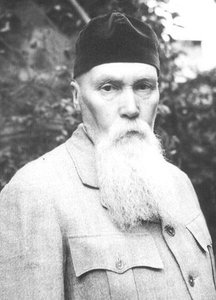
Nicholas Roerich
1874 - 1947 , Russia
Quick Facts
- Artistic Movement Or Style: Symbolism, Spiritual art
- Artists Or Movements Influenced By This Artist: ['Russian Symbolism']
- Artists Who Influenced This Artist: ['Sergei Diaghilev']
- Date Of Birth: October 9, 1874
- Date Of Death: December 13, 1947
- Full Name: Nicholas Roerich
- Nationality: Russian
- Notable Artworks:
- Saint Nicholas
- City
- Lake of the Nagas
- Place Of Birth: Saint Petersburg, Russia
Related Articles
Geometric Design in Art: A Historical Survey & Contemporary Appeal for Collectors
Explore the enduring legacy of geometric abstraction! Discover key artists, historical movements & investment insights for discerning art collectors. Expert guidance from ArtsDot.
The Enduring Appeal of Geometric Patterns in Art: A Historical & Contemporary Exploration
Explore the captivating history of geometric abstraction in art, from ancient roots to contemporary masters. Expert insights for collectors & enthusiasts. Discover key artists, movements & investment potential.
Georges Barbier: A Synthesis of Art Nouveau Elegance & Early 20th-Century Fashion Illustration
Explore the exquisite world of Georges Barbier, a leading Art Nouveau illustrator celebrated for his opulent fashion designs & masterful pochoir technique. Discover his legacy and find collectible art at ArtsDot.
Beyond Form & Color: Geometric Abstraction's Evolution in 20th/21st Century Art
Explore the evolution of geometric abstraction from Cubism to contemporary art. Discover key artists like Malevich & Mondrian, investment insights, and expert collecting advice at ArtsDot.

Geometric Abstraction's 10 Defining Masterpieces | Art for Your Home - ArtsDot
Explore 10 defining masterpieces of Geometric Abstraction! Discover Kandinsky, Mondrian & Malevich’s iconic works. Find museum-quality art reproductions and curated decor ideas to elevate your home at ArtsDot.com.