 Preview
 Send
Send Share
Share
 Details

 Download
 Similars
 X-Ray
X-Ray Diaporama
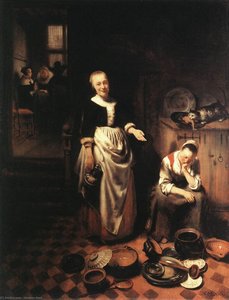
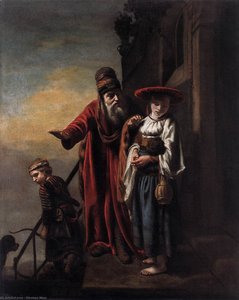
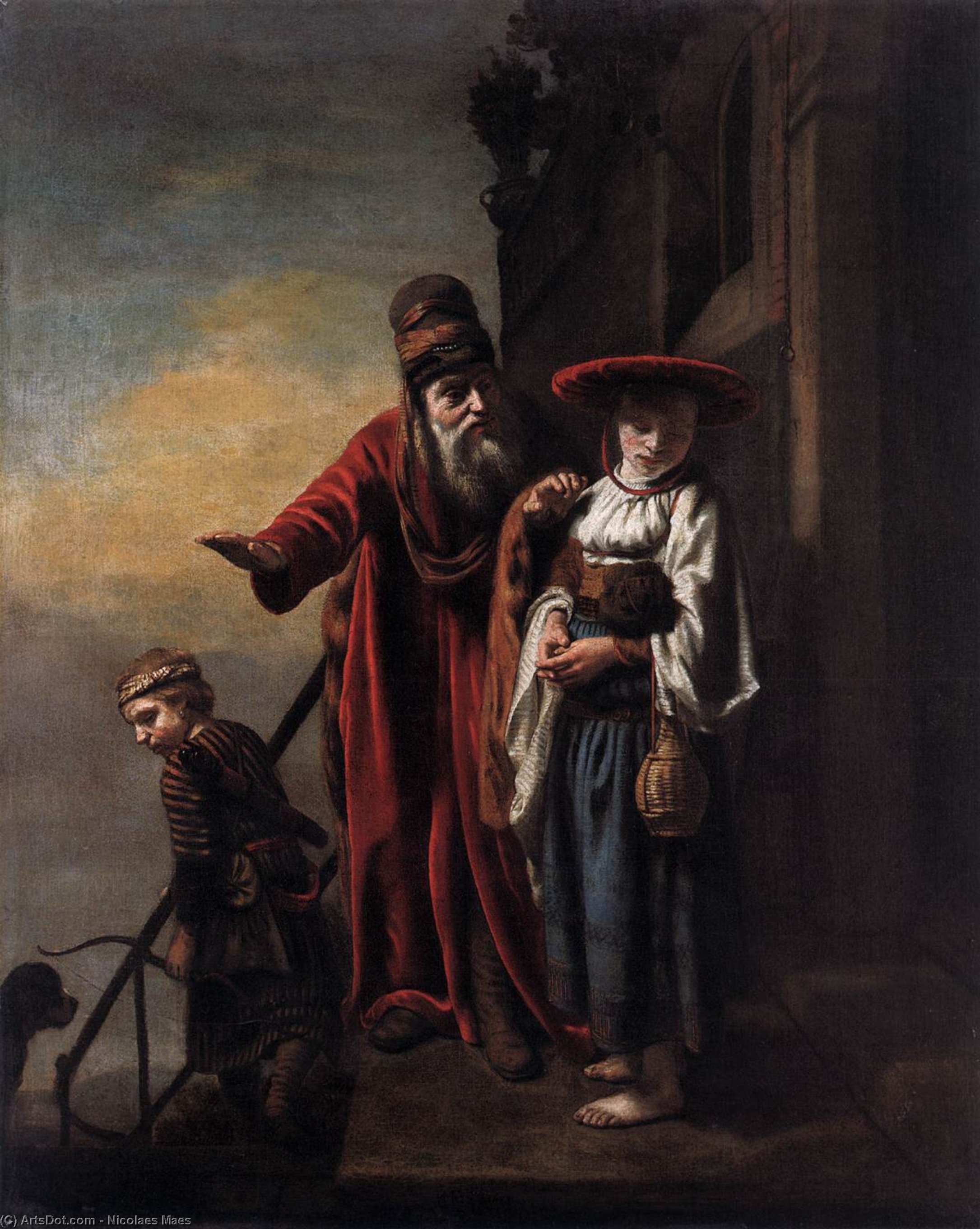
Abraham Dismissing Hagar and Ishmael
 Oil On Canvas
- WallArt
- Dutch Baroque
 1653
1653- Early Modern
 88.0 x 70.0 cm
 Metropolitan Museum of Art
 Read More
Hand Made Oil Reproduction
Hand-painted oil on canvas in your size and frame, made to order by our artists. ( Buy Print Buy Image)




P118B $10

P118H $10

P118W $10

P438Z $10

P508JH $12

P508YH $12

P805H $10

P805Z $10

P919BZ $10

P919G $10

P919XJ $10

P959ZH $10

P968JZ $12

W106C $8

W218G $10

W218JH $8

W218Y $10

W307PJ $10

W316G $10

W316PJ $8

W316Y $10

W398PJ $8

W4111J $10

W500HY $15

W500JH $15

W692G $12

W849H $8

W940BG $15

W953PJ $8




Pick from our preset sizes that match the artwork's original proportions.

You may enter your own dimensions to fit a specific frame or space. If your selected size does not match the original image's proportions, we will either crop the artwork or extend the painting with additional hand-painted elements. A digital mockup will be sent for your approval before production begins.
Please note that the on-screen preview does not reflect the actual cropping or extension. Only the mockup will accurately show the final composition.
While custom sizes are available, we recommend selecting a dimension from the predefined list to preserve the original proportions.
After order, ArtsDot.com team will email client for instructions and provide a mockup preview
Worldwide Delivery () in 3/4 weeks instead of standard 5 weeks. (17 August). No compromise on quality.

Free Worldwide Express Shipping

High-Quality Linen Canvas

Full Shipping Insurance

Customs Tax Refund Guarantee

True Color Matching Guarantee

60-Day Return Policy (Defects Only)

100% Money-Back Guarantee

Bulk Discount Offer
 Glass option is only available in size under 110 CM

Abraham Dismissing Hagar and Ishmael
Reproduction Medium
Reproduction Size
-


Total Price
$ 263
Artwork Description
A Moment of Divine Separation: Abraham Dismissing Hagar and Ishmael
To stand before this depiction of Abraham Dismissing Hagar and Ishmael is to witness not merely a biblical narrative, but a profound study in human resilience set against the backdrop of divine decree. Nicolaes Maes captures a moment charged with palpable tension—the quiet aftermath of separation, where familial bonds meet the stark reality of destiny. The composition immediately draws the eye to Abraham, whose commanding posture, emphasized by the staff he holds and the gesture of his pointing finger, suggests both authority and sorrowful guidance. It is a scene steeped in the weighty silence that follows revelation.
The Mastery of Dutch Light and Shadow
Nicolaes Maes, deeply influenced by the dramatic chiaroscuro perfected during his time studying with Rembrandt van Rijn, employs light not just as illumination, but as an emotional force. Observe how the natural light streaming through the brick-built window in the background selectively catches certain figures and textures, lending a sculptural quality to the scene. This masterful handling of light and shadow allows Maes to delineate the psychological space between the characters. The rich, glowing hues characteristic of his style imbue the domestic setting with an almost sacred atmosphere, transforming what might be seen as a harsh expulsion into a moment imbued with solemn dignity.
Symbolism Woven into the Scene
The narrative itself is thick with potent symbolism. Abraham’s gesture directs our focus outward, suggesting that while this earthly separation is painful, the true path lies beyond the immediate frame of the painting. The presence of the dog near the foreground adds an unexpected touch of grounded reality, a loyal witness to the unfolding drama. These elements—the staff representing guidance, the architecture symbolizing established life, and the figures themselves embodying divergent paths—invite deep contemplation from the viewer. It speaks eloquently to themes of faith, divine will versus human attachment, and the necessary journey toward self-definition.
A Timeless Presence for Modern Interiors
For the discerning collector or designer seeking art that transcends mere decoration, this reproduction offers profound depth. The scale of 88 x 70 cm allows the narrative drama to unfold without feeling overwhelming, making it a perfect focal point for a grand hall, a library, or a formal drawing-room. Owning a piece echoing Maes’s technique means bringing home not just paint on canvas, but a carefully curated atmosphere—one that whispers of Dutch Golden Age gravitas, emotional complexity, and enduring spiritual weight. It is an artwork designed to be contemplated, sparking conversation and introspection long after the initial viewing.
Related Artworks
Artist Biography
A Life Immersed in Dutch Light and Shadow
Nicolaes Maes, a name resonating softly within the pantheon of Dutch Golden Age masters, was born in Dordrecht in January 1634 into a world brimming with mercantile prosperity and artistic ferment. His father, Gerrit Maes, a successful cloth merchant and soap boiler, provided a comfortable upbringing, allowing young Nicolaes to pursue his burgeoning talent for painting. While early instruction came from a local artist of modest renown, the pivotal moment in Maes’s development arrived when he journeyed to Amsterdam around 1648 and entered the workshop of Rembrandt van Rijn. This apprenticeship proved transformative, imbuing him with an enduring appreciation for the dramatic interplay of light and shadow – *chiaroscuro* – and a masterful command of color that would define his early works. The influence was so profound that initial paintings, such as depictions of biblical scenes rendered with life-size figures and rich, glowing hues, were often mistakenly attributed to Rembrandt himself. These formative years laid the groundwork for a career marked by both technical brilliance and an intimate understanding of human emotion.From Rembrandt’s Shadow to Independent Vision
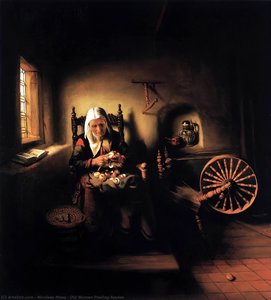
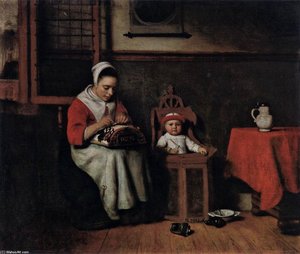
Returning to Dordrecht in 1654, Maes began to forge his own artistic path, gradually distancing himself from direct imitation of his former master. The subsequent decade witnessed a shift towards smaller-scale domestic genre scenes, yet retaining the vibrant colorism he had absorbed during his time with Rembrandt. He turned his keen eye toward the everyday lives of Dutch citizens, depicting women engaged in commonplace activities – spinning wool, reading scriptures, preparing meals – with remarkable detail and sensitivity. A particular fascination emerged with the intricate art of lacemaking, inspiring numerous variations on this theme, each a testament to Maes’s meticulous observation and skill. These paintings weren't merely depictions of daily life; they were windows into the domestic sphere, revealing the quiet dignity and subtle narratives woven into the fabric of 17th-century Dutch society. His work during this period demonstrates an ability to capture not just *what* people did, but *how* they felt while doing it.The Portraitist of Amsterdam
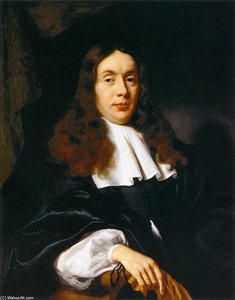
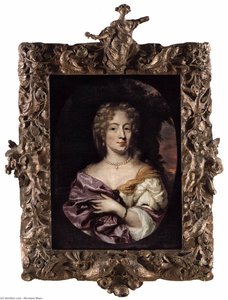
In 1673, Maes relocated to Amsterdam, a move that signaled both artistic ambition and astute adaptation to the evolving art market. The city, still reeling from war with England and France, presented a burgeoning demand for portraiture, and Maes swiftly established himself as one of its leading practitioners. He abandoned much of his earlier genre work, focusing instead on capturing the likenesses and personalities of Amsterdam’s prominent citizens. His portraits are characterized by a refined elegance and psychological insight, revealing not only physical resemblance but also hints of character and social standing. Works like “Portrait of Gerard Röver, Merchant and Shipowner in Amsterdam” exemplify this skill, presenting a dignified portrayal of wealth and civic pride. He became adept at conveying status through subtle details – the quality of fabrics, the cut of clothing, the confident posture of his sitters. This period marked a significant stylistic shift, moving away from the earlier warmth and intimacy towards a more polished and sophisticated aesthetic.Legacy and Enduring Appeal
Nicolaes Maes passed away in Amsterdam in December 1693, leaving behind a substantial body of work that continues to captivate audiences today. His paintings offer invaluable insights into the social customs, domestic interiors, and psychological complexities of the Dutch Golden Age. While his early works bear the unmistakable imprint of Rembrandt’s influence, Maes ultimately developed a distinctive style characterized by its meticulous detail, vibrant color palette, and sensitive portrayal of human character. His ability to elevate everyday scenes and individuals to artistic significance ensures his place among the most important painters of his era. Today, his paintings are held in prestigious collections worldwide, including the Rijksmuseum in Amsterdam, the National Gallery in London, and the National Gallery of Art in Washington D.C., readily accessible for study and appreciation through platforms like ArtsDot.com, ensuring that the legacy of this masterful Dutch artist endures for generations to come.Key Characteristics of His Work
- Rembrandtian Influence: Early works demonstrate a strong influence from Rembrandt van Rijn, particularly in the use of chiaroscuro and rich color palettes.
- Genre Scenes: Maes is renowned for his intimate depictions of everyday life, focusing on domestic interiors and activities like spinning, reading, and lacemaking.
- Portraiture Mastery: He became a leading portrait painter in Amsterdam, known for capturing the likeness and character of his sitters with precision and elegance.
- Detailed Observation: His paintings are characterized by meticulous attention to detail, particularly in rendering textures, fabrics, and facial expressions.
- Psychological Insight: Maes possessed a remarkable ability to convey the inner lives and emotions of his subjects through subtle gestures and expressions.
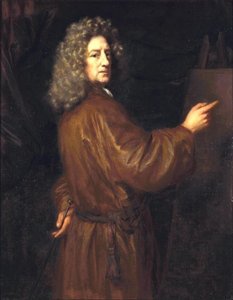
Nicolaes Maes
1634 - 1693 , Netherlands
Quick Facts
- Artistic Movement Or Style: Baroque, Dutch Golden Age
- Artists Or Movements Influenced By This Artist: ['Dutch genre painters']
- Artists Who Influenced This Artist: ['Rembrandt van Rijn']
- Date Of Birth: January 1634
- Date Of Death: December 1693
- Full Name: Nicolaes Maes
- Nationality: Dutch
- Notable Artworks:
- The Reverie
- Card Players
- Catharina Pottey
- Gerard Röver
- Portrait of a Woman
- Place Of Birth: Dordrecht, Netherlands
Related Articles

Dutch Masters: 10 Golden Age Paintings That Still Inspire |
Journey into the Dutch Golden Age! Explore 10 iconic paintings by Rembrandt, Vermeer & Hals. Discover the stories behind these Baroque masterpieces and find museum-quality art reproductions to elevate your home decor on .

Illuminating Innovation: Exploring the Dutch Golden Age of Painting
Explore the Dutch Golden Age of painting with ArtsDot. Discover Rembrandt, Vermeer & other Masters. Learn about key characteristics, iconic artworks, and lasting influence. Expert insights for collectors & enthusiasts.
Illuminating Realism: Exploring the Dutch Golden Age of Painting (1600-1700)
Explore the Dutch Golden Age of painting (1600-1700) with ArtsDot. Discover Rembrandt, Vermeer & other masters. Learn about techniques, history & find museum-quality reproductions.
Nicolaes Berchem: Dutch Golden Age Pastoralism & the Evolution of Landscape Painting
Explore the captivating world of Nicolaes Berchem, a leading Dutch Golden Age painter. Discover his idyllic landscapes, masterful technique & lasting influence on art history. Learn more at ArtsDot.

Golden Age Reflections: Dutch Baroque Painting & Cultural Innovation
Explore the Dutch Golden Age of painting! Discover key artists like Vermeer & ter Borch, their innovative techniques, and the rich cultural context behind these Baroque masterpieces. Learn about collecting & appreciating this iconic art period.