 Preview
 Send
Send Share
Share
 Details

 Download
 Similars
 X-Ray
X-Ray Diaporama
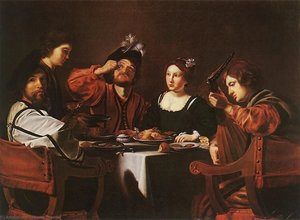
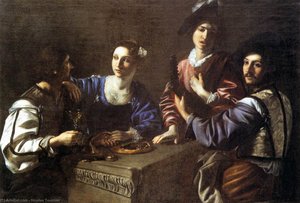
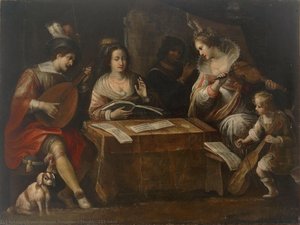
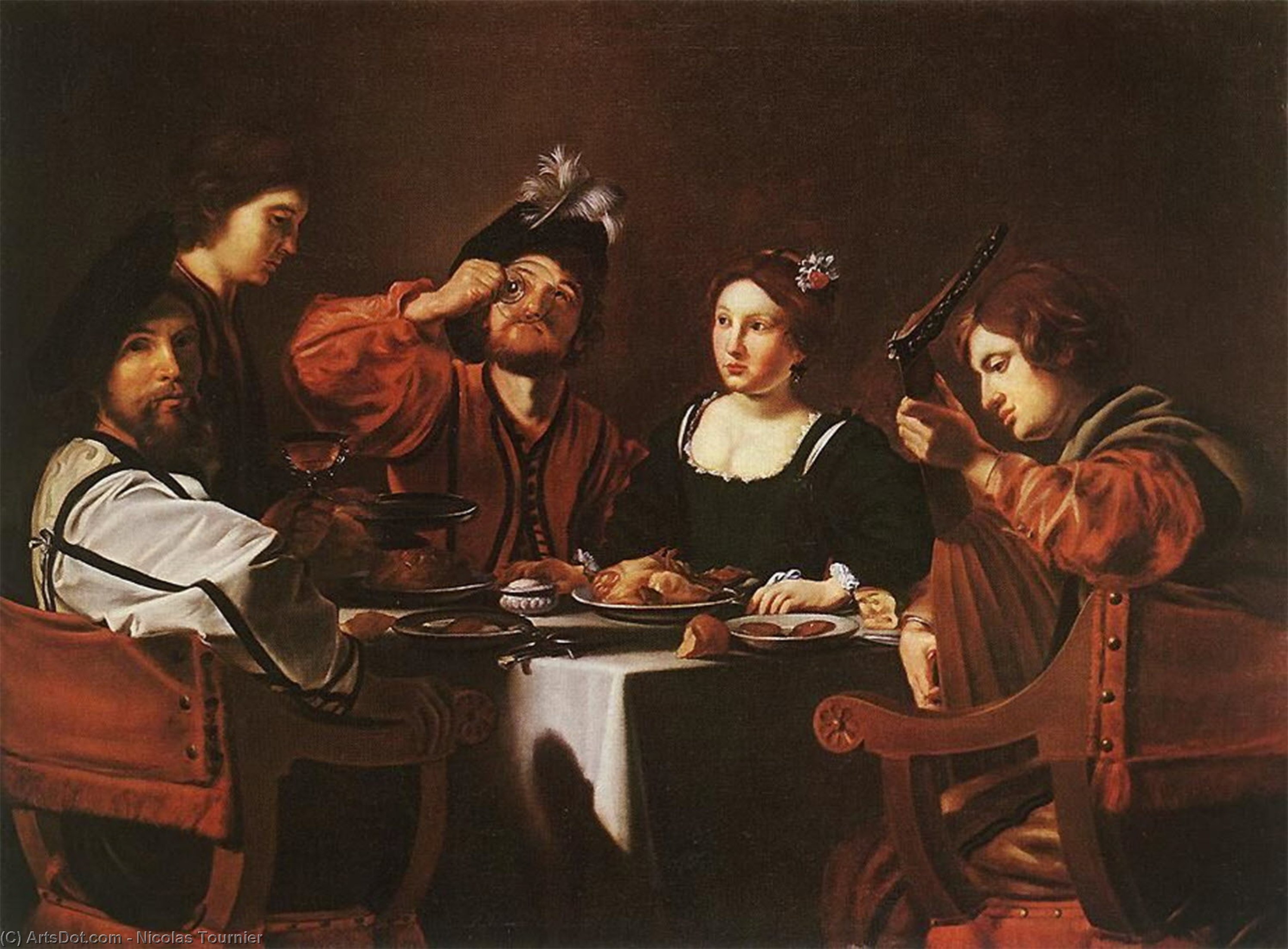
Merry Company
 Oil On Canvas
- WallArt
- Baroque
 125.0 x 170.0 cm
 Szépmûvészeti Múzeum
 Read More
Hand Made Oil Reproduction
Hand-painted oil on canvas in your size and frame, made to order by our artists. ( Buy Print Buy Image)




P118B $10

P118H $10

P118W $10

P438Z $10

P508JH $12

P508YH $12

P805H $10

P805Z $10

P919BZ $10

P919G $10

P919XJ $10

P959ZH $10

P968JZ $12

W106C $8

W218G $10

W218JH $8

W218Y $10

W307PJ $10

W316G $10

W316PJ $8

W316Y $10

W398PJ $8

W4111J $10

W500HY $15

W500JH $15

W692G $12

W849H $8

W940BG $15

W953PJ $8




Pick from our preset sizes that match the artwork's original proportions.

You may enter your own dimensions to fit a specific frame or space. If your selected size does not match the original image's proportions, we will either crop the artwork or extend the painting with additional hand-painted elements. A digital mockup will be sent for your approval before production begins.
Please note that the on-screen preview does not reflect the actual cropping or extension. Only the mockup will accurately show the final composition.
While custom sizes are available, we recommend selecting a dimension from the predefined list to preserve the original proportions.
After order, ArtsDot.com team will email client for instructions and provide a mockup preview
Worldwide Delivery () in 3/4 weeks instead of standard 5 weeks. (16 August). No compromise on quality.

Free Worldwide Express Shipping

High-Quality Linen Canvas

Full Shipping Insurance

Customs Tax Refund Guarantee

True Color Matching Guarantee

60-Day Return Policy (Defects Only)

100% Money-Back Guarantee

Bulk Discount Offer
 Glass option is only available in size under 110 CM

Merry Company
Reproduction Medium
Reproduction Size
-


Total Price
$ 263
Artwork Description
A Symphony of Light and Gesture: Exploring Nicolas Tournier’s “Merry Company”
“Merry Company,” painted by Nicolas Tournier around 1625, isn't merely a depiction of a festive gathering; it’s an invitation into a meticulously crafted microcosm of Baroque artistry. Housed in the Szépmûvészeti Múzeum in Budapest, Hungary, this monumental oil on canvas – measuring 125 x 170 cm – transcends simple representation, embodying the spirit of its era with breathtaking vibrancy and psychological depth. Tournier’s masterful command of chiaroscuro, echoing the influence of Caravaggio and Bartolomeo Manfredi, establishes a dramatic interplay between illumination and shadow that dominates the canvas. This technique isn't simply decorative; it serves to sculpt the figures themselves, conveying emotion and dynamism through subtle shifts in tonal value.Compositional Innovation: Following Caravaggio’s Legacy
Tournier consciously adopted the compositional strategies pioneered by Caravaggio, prioritizing a central figure—a man radiating confidence—who dominates the visual space. This deliberate positioning underscores the importance of gesture and expression within Baroque portraiture. The surrounding figures are arranged in profile, creating a sense of immediacy and engaging the viewer’s gaze across the tableau. Notice how Tournier utilizes overlapping forms to heighten depth perception, mirroring the techniques employed by artists like Rembrandt. The careful arrangement contributes to an overall feeling of theatrical grandeur, reflecting the opulent tastes of aristocratic patrons during Tournier's lifetime.Symbolism Rooted in Renaissance Tradition
Beyond its technical brilliance, “Merry Company” is rich in symbolic references that resonate with humanist ideals prevalent throughout the Renaissance and Baroque periods. The abundance of fruits—apples, pears, grapes—represents prosperity and fertility, mirroring biblical imagery associated with Edenic paradise. Wine goblets symbolize conviviality and celebration, highlighting the social rituals of the time. Furthermore, the man at the center holds aloft a glass, embodying aspiration and triumph – a gesture that speaks to the humanist belief in human potential for greatness. The darkened room behind the figures serves as a foil to the illuminated foreground, emphasizing the importance of light as a vehicle for conveying spiritual truth.Emotional Resonance: Capturing the Essence of Human Connection
Ultimately, Tournier succeeds in capturing the palpable emotion of human connection—the joy of companionship and the exuberance of festive occasions. The faces of the figures are animated with expressions of laughter and engagement, conveying warmth and vitality. This isn’t a sterile portrait; it's an intimate glimpse into the inner lives of its subjects. Tournier’s loose brushstrokes contribute to the painting’s energetic rhythm, mirroring the movement of human interaction. Viewing “Merry Company” evokes a feeling of nostalgia for a bygone era—a time when art served as a conduit for conveying profound psychological truths and celebrating the beauty of human experience.A Timeless Masterpiece: Reproduction Considerations
Today, reproductions of Tournier’s “Merry Company” offer art lovers worldwide an opportunity to appreciate this iconic work of Baroque art. ArtsDot specializes in producing high-quality prints from original canvases, ensuring that the vibrancy and textural nuances of the masterpiece are faithfully preserved. When selecting a reproduction, consider factors such as pigment quality and printing process—details that contribute significantly to the overall aesthetic impact of the artwork. Visiting Szépmûvészeti Múzeum allows for firsthand experience of Tournier’s vision, cementing “Merry Company”'s place in art history.Related Artworks
Artist Biography
The Shadow and the Light: The Baroque Vision of Nicolas Tournier
In the dramatic landscape of the seventeenth century, few artists captured the profound tension between divine light and earthly shadow as effectively as Nicolas Tournier. Born in Montbéliard, France, around 1590, Tournier emerged during a transformative era when the artistic pulse of Europe was shifting toward the intense emotionalism of the Baroque. His work serves as a poignant bridge between the classical traditions of his French heritage and the revolutionary, high-contrast realism that was sweeping across the continent. To look upon a Tournier canvas is to enter a world where every brushstroke is heavy with the weight of spiritual significance and every shadow holds a secret waiting to be revealed.
The stylistic heartbeat of Tournier’s oeuvre is undeniably linked to the profound influence of Caravaggio. This Italian master’s technique of tenebrism—the use of extreme contrasts between light and dark to achieve a sense of drama and volume—became the cornerstone of Tournier's visual language. Through this lens, the artist did not merely paint scenes; he sculpted them out of darkness. His mastery of light allowed him to illuminate the textures of fabric, the weary lines of a saint’s face, and the visceral reality of religious martyrdom, pulling the viewer into an intimate, almost tactile encounter with the sacred.
A Devotion to the Divine and the Human
Tournier’s subject matter was deeply rooted in the religious fervor of his time. As a painter operating within the French Baroque tradition, he found his greatest inspiration in the profound narratives of Christian iconography. His compositions often centered on themes of sacrifice, penance, and divine intervention, most notably seen in masterpieces such as 'The Carrying of the Cross'. In these works, the artist avoids mere ornamentation, opting instead for a gritty, grounded realism that emphasizes the human suffering inherent in the divine struggle.
What distinguishes Tournier from his contemporaries was his ability to blend this intense religious gravity with a sophisticated sense of composition derived from the Roman School. His development as an artist saw him moving beyond simple imitation of Italian masters to create a uniquely French interpretation of Baroque drama. This evolution is characterized by:
- Emotional Resonance: A focus on the psychological depth of his figures, making the divine feel accessible and human.
- Chiaroscuro Mastery: The use of light not just as a tool for visibility, but as a narrative device to guide the eye toward moments of spiritual climax.
- Textural Realism: An incredible attention to detail in the rendering of skin, cloth, and stone, which lends an air of authenticity to his religious scenes.
Legacy and Historical Significance
The historical significance of Nicolas Tournier lies in his role as a vital contributor to the French Baroque movement. While often overshadowed by the later, more decorative flourishes of the Grand Siècle, Tournier provided a necessary foundation of realism and intensity. He helped cultivate an aesthetic that valued the raw, unvarnished truth of the human condition, paving the way for future generations of French painters to explore the complexities of light and shadow.
Today, his works remain essential studies for anyone seeking to understand the transition from the late Renaissance to the height of the Baroque. His ability to evoke piety through the medium of darkness ensures that his name remains etched in the annals of art history—not merely as a follower of Caravaggio, but as a master who harnessed the shadows to illuminate the very soul of his era.
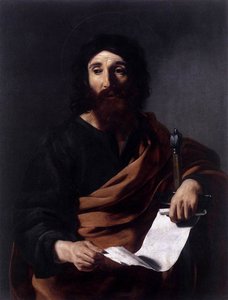
nicolas tournier
1590 - 1639 , France
Quick Facts
- Artistic Movement Or Style: Mannerism, Portraiture
- Artists Or Movements Influenced By This Artist:
- Caravaggio
- Mannerism
- Artists Who Influenced This Artist:
- Andrea Mantegna
- Leonardo da Vinci
- Date Of Birth: 5 April 1527
- Date Of Death: 11 July 1593
- Full Name: Giuseppe Arcimboldo
- Nationality: Italian
- Notable Artworks:
- The Four Seasons
- Akbar's Triumphal Entry
- Bacchus
- Judith with Holophernes
- Place Of Birth: Milan, Italy
Related Articles

Baroque Drama: Bringing Opulence & Emotion into Contemporary Interiors
Explore the opulent world of Baroque interior design! Discover key elements, modern applications & how to bring dramatic elegance into your home with 's authentic reproductions.

The Dramatic Flourish: Exploring the Baroque Movement's Enduring Legacy in Art History
Explore the dramatic world of Baroque art! Discover iconic artists like Caravaggio & Rubens, defining techniques, and its lasting impact on art history. Expert insights for collectors & enthusiasts at ArtsDot.

Baroque Masterpieces: 10 Paintings That Defined an Era |
Journey through the drama & grandeur of Baroque art! Explore 10 masterpieces by Caravaggio, Rembrandt, Rubens & more. Discover stunning oil paintings, rich colors & timeless stories. Find museum-quality reproductions at .

The Visceral Stage: Exploring Dramatic Narratives & Emotional Intensity in Baroque Art
Explore the dramatic world of Baroque art! Discover iconic masters like Caravaggio & Rembrandt, their techniques, and the movement's lasting impact. Expert insights for collectors & enthusiasts at ArtsDot.

Theatricality & Triumph: Baroque Drama in Painting & Sculpture
Explore the dramatic world of Baroque art! Discover its history, defining characteristics, & lasting influence on painting & sculpture. Expert insights into Caravaggio, Zurbarán, and Bernini – plus high-quality reproductions at ArtsDot.