 Preview
 Send
Send Share
Share
 Details

 Download
 Similars
 X-Ray
X-Ray Diaporama
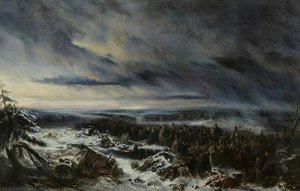
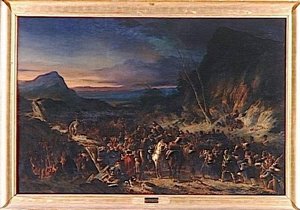
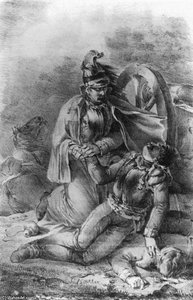
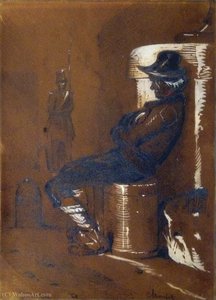
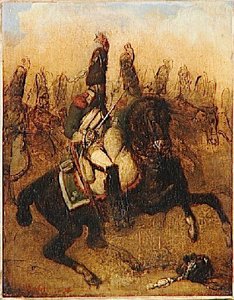
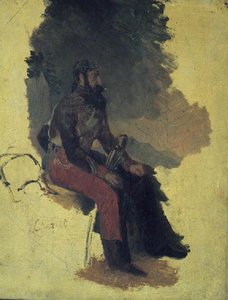
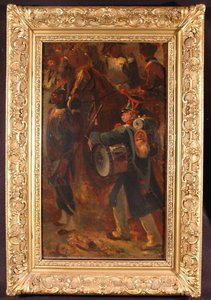
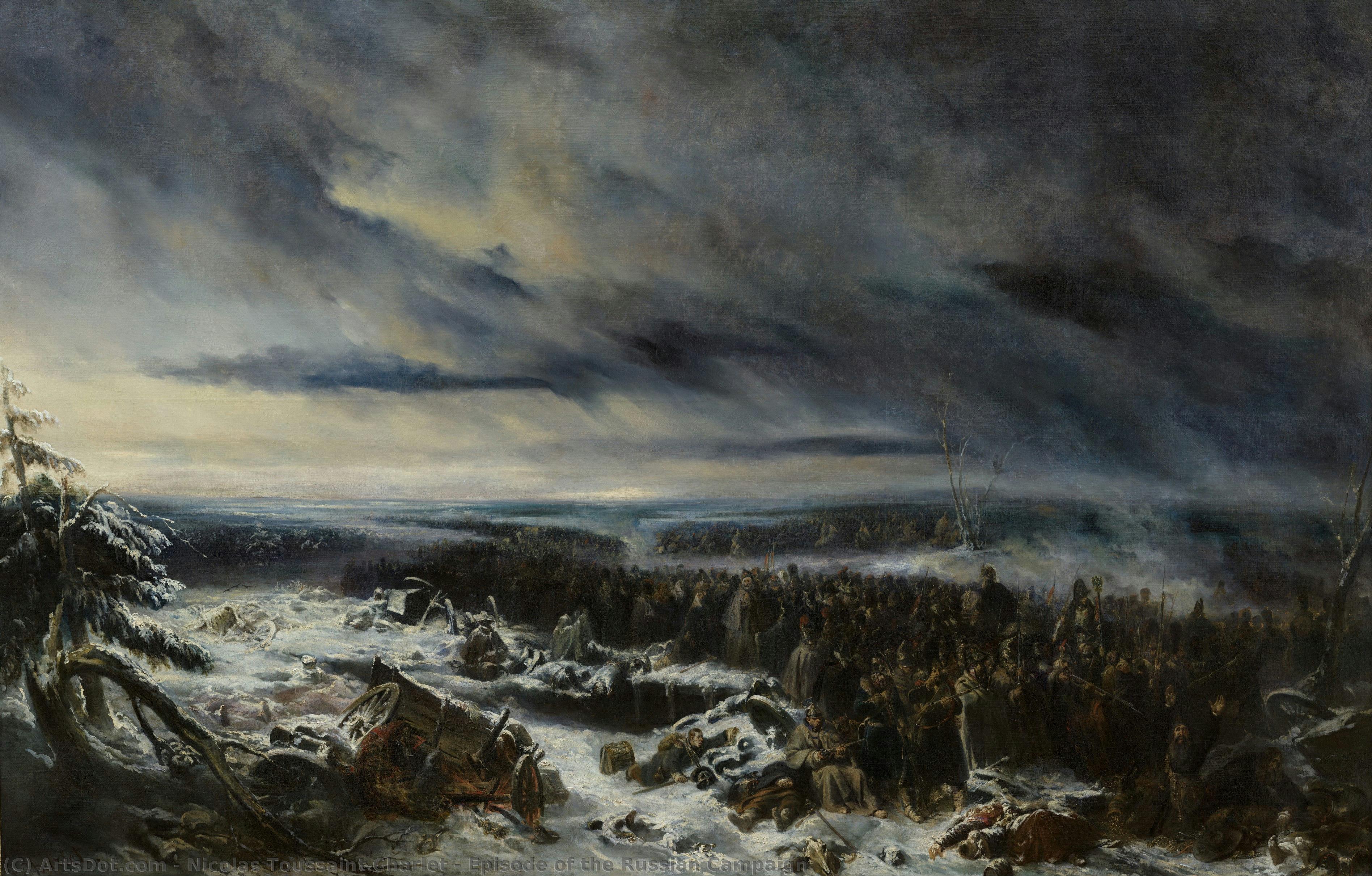
Episode of the Russian Campaign


 Read More
Giclée / Art Print
Museum-quality giclée or canvas print with fast production and flexible finish options. ( Buy Hand Made Painting Buy Image)




































Pick from our preset sizes that match the artwork's original proportions.

You may enter your own dimensions to fit a specific frame or space. If your selected size does not match the original image's proportions, we will either crop the artwork or extend the image with a mirrored or solid-fill edge. A digital mockup will be sent for your approval before production begins.
Please note that the on-screen preview does not reflect the actual cropping or extension. Only the mockup will accurately show the final composition.
While custom sizes are available, we recommend selecting a dimension from the predefined list to preserve the original proportions.
Worldwide Delivery () in 2 weeks instead of standard 4/5 weeks. (28 August)

Free Worldwide Express Shipping

High-Quality Linen Canvas

Full Shipping Insurance

Customs Tax Refund Guarantee

True Color Matching Guarantee

60-Day Return Policy (Defects Only)

100% Money-Back Guarantee

Bulk Discount Offer
 Glass option is only available in size under 110 CM

Episode of the Russian Campaign
Giclée / Art Print
Reproduction Size
-


Total Price
$ 63
Related Artworks








Artist Biography
Nicolas Toussaint Charlet: A Voice of the Veteran and a Master of Lithography
Born in Paris in 1792, Nicolas Toussaint Charlet’s life was inextricably linked to the tumultuous events of post-revolutionary France. His father, a dragoon serving in the Republican army, tragically died in service, leaving his widow, Madame Charlet, and young Nicolas facing profound poverty. Remarkably, this hardship fueled her determination; she secured her son an education at the Lycée Napoléon, a testament to her unwavering spirit and fervent Bonapartist beliefs – a debt of affection that shaped Charlet’s lifelong loyalty.
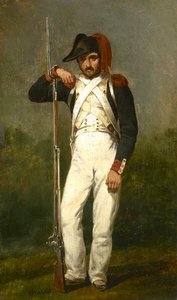
Charlet's early career began in a surprisingly mundane role within the Paris city administration, registering recruits. However, his innate artistic talent quickly superseded this administrative duty. He found refuge and mentorship in the atelier of Baron Gros, a distinguished painter known for his historical works. It was here that Charlet’s skills blossomed, particularly in lithography – a medium he would master with astonishing speed and ultimately define as his signature style. The demand for military subjects following the Napoleonic Wars provided fertile ground for his burgeoning talent, leading to an astounding output of approximately 2000 prints, watercolours, sepia drawings, and a handful of etchings.
The Rise of a Military Icon: Grenadier de Waterloo
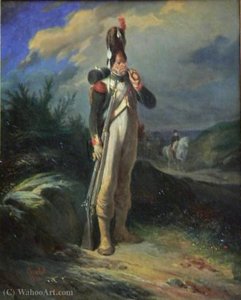
Charlet’s fame exploded with the publication of “Grenadier de la Garde” in 1817 – an image that would become instantly recognizable. This lithograph, depicting a grenadier standing stoically before the barricades of Clichy during the Hundred Days Campaign, carried the powerful motto "La Garde meurt et ne se rend pas" (The Guard Dies and Does Not Surrender). Though often attributed to Cambronne, the phrase originated with Charlet’s design. The image resonated deeply within a nation grappling with the aftermath of defeat, embodying resilience, duty, and national pride – themes that would continue to dominate his work.
The “Grenadier de Waterloo” wasn't merely a depiction of military prowess; it was a carefully constructed symbol. Charlet’s meticulous attention to detail—the soldier’s posture, the uniform, even the subtle expression on his face—created an image that transcended mere illustration and became a potent emblem of French patriotism. It demonstrated his ability to capture not just the physical appearance of soldiers but also their spirit and resolve.
Beyond the Battlefield: Scenes of Civilian Life
While military subjects remained central to Charlet’s oeuvre, he wasn't solely focused on war. In the 1830s, he embarked on a significant project – “La Vie civile, politique, et militaire du Caporal Valentin,” a series of 50 lithographs depicting the daily life of a young soldier named Valentin. This ambitious work offered a surprisingly nuanced portrayal of civilian and military society, showcasing scenes of everyday routines alongside moments of camaraderie and hardship. These prints demonstrated Charlet’s growing interest in capturing the broader spectrum of French life, moving beyond the heroic narratives of war to explore more intimate and relatable subjects.
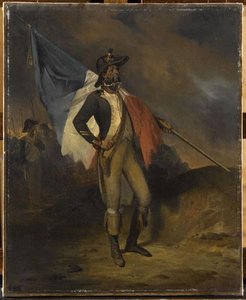
His later works continued this trend, including evocative depictions of peasant life, children at play, and scenes of urban activity. These pieces reveal a shift in his artistic focus – a desire to capture the essence of French society as a whole, rather than simply glorifying military victories. The “Episode in the Campaign of Russia,” “Passage of the Rhine by Moreau,” and “Wounded Soldiers Halting in a Ravine” exemplify this evolution, showcasing a refined style and a heightened sense of realism.
A Legacy Forged in Lithography
Nicolas Toussaint Charlet’s impact on French art is undeniable. He elevated lithography to an artistic medium, demonstrating its capacity for capturing both historical detail and emotional depth. His ability to imbue his prints with patriotic fervor and a keen understanding of human psychology cemented his place as one of the most popular and influential artists of his time. His work served as a powerful reminder of France’s past glories while simultaneously reflecting the social and political realities of 19th-century life. Though he died in 1845, Charlet's legacy continues to resonate through his enduring images – a testament to the power of art to capture history, evoke emotion, and shape national identity.
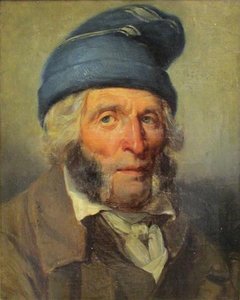
Nicolas Toussaint Charlet
1792 - 1845 , France
Quick Facts
- Artistic Movement Or Style: Military & civilian scenes
- Artists Or Movements Influenced By This Artist: ['Bonapartist']
- Artists Who Influenced This Artist: ['Baron Gros']
- Date Of Birth: December 20, 1792
- Date Of Death: October 30, 1845
- Full Name: Nicolas Toussaint Charlet
- Nationality: French
- Notable Artworks:
- Grenadier de Waterloo
- Episode Russia Campaign
- Rhine Passage by Moreau
- Place Of Birth: Paris, France