 Preview
 Send
Send Share
Share
 Details

 Download
 Similars
 X-Ray
X-Ray Diaporama
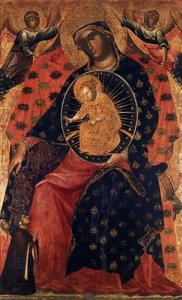
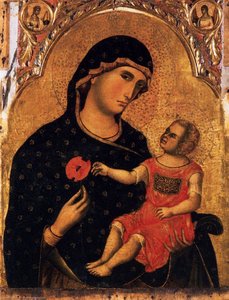
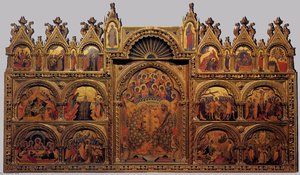
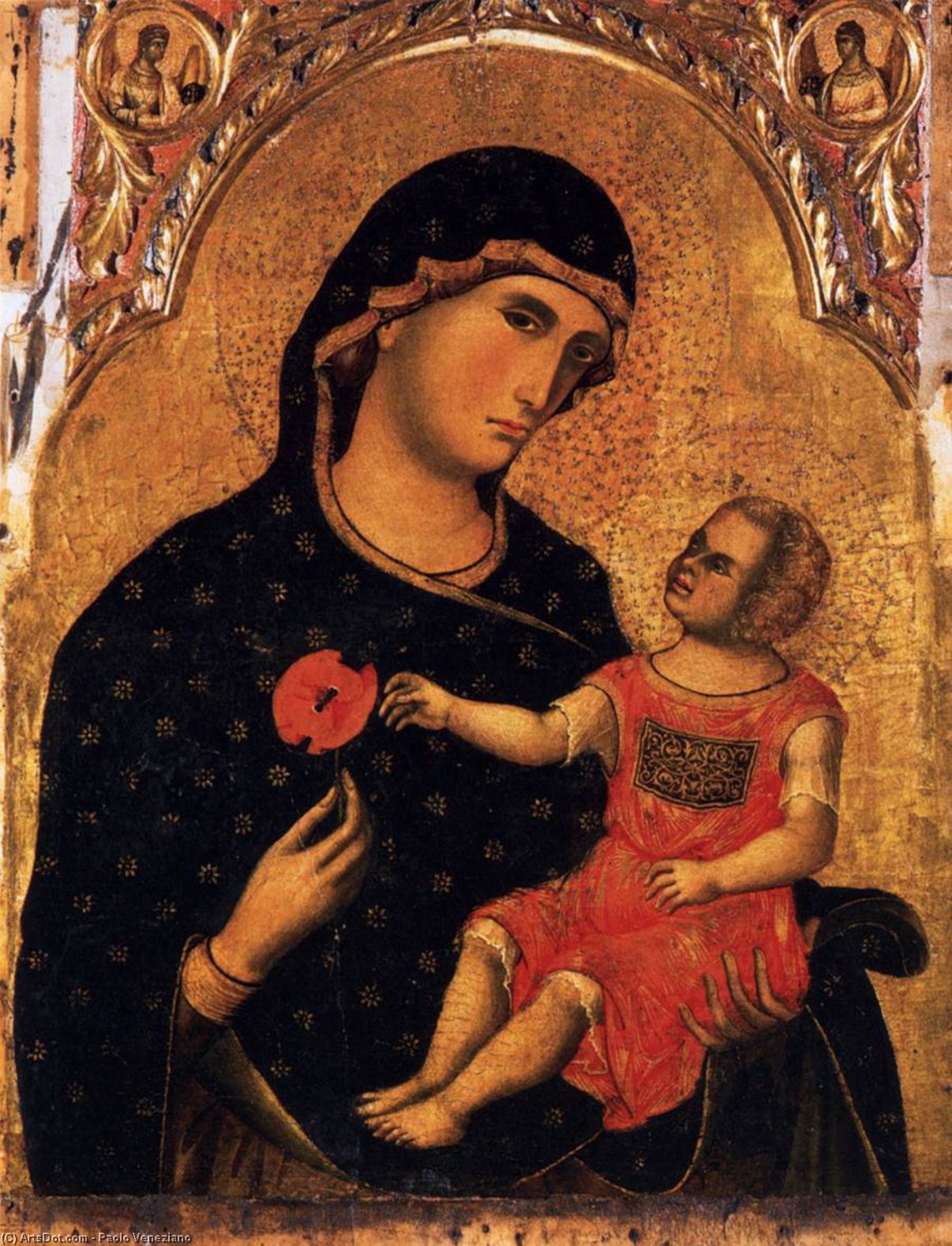
Madonna of the Poppy
 Tempera On Panel
 1325
1325- Late Medieval
 98.0 x 184.0 cm
 San Pantalon
 Read More
Hand Made Oil Reproduction
Hand-painted oil on canvas in your size and frame, made to order by our artists. ( Buy Print Buy Image)




P118B $10

P118H $10

P118W $10

P438Z $10

P508JH $12

P508YH $12

P805H $10

P805Z $10

P919BZ $10

P919G $10

P919XJ $10

P959ZH $10

P968JZ $12

W106C $8

W218G $10

W218JH $8

W218Y $10

W307PJ $10

W316G $10

W316PJ $8

W316Y $10

W398PJ $8

W4111J $10

W500HY $15

W500JH $15

W692G $12

W849H $8

W940BG $15

W953PJ $8




Pick from our preset sizes that match the artwork's original proportions.

You may enter your own dimensions to fit a specific frame or space. If your selected size does not match the original image's proportions, we will either crop the artwork or extend the painting with additional hand-painted elements. A digital mockup will be sent for your approval before production begins.
Please note that the on-screen preview does not reflect the actual cropping or extension. Only the mockup will accurately show the final composition.
While custom sizes are available, we recommend selecting a dimension from the predefined list to preserve the original proportions.
After order, ArtsDot.com team will email client for instructions and provide a mockup preview
Worldwide Delivery () in 3/4 weeks instead of standard 5 weeks. (16 August). No compromise on quality.

Free Worldwide Express Shipping

High-Quality Linen Canvas

Full Shipping Insurance

Customs Tax Refund Guarantee

True Color Matching Guarantee

60-Day Return Policy (Defects Only)

100% Money-Back Guarantee

Bulk Discount Offer
 Glass option is only available in size under 110 CM

Madonna of the Poppy
Reproduction Medium
Reproduction Size
-


Total Price
$ 263
Artwork Description
A Golden Vision of Devotion
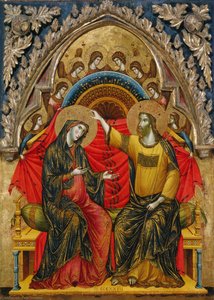
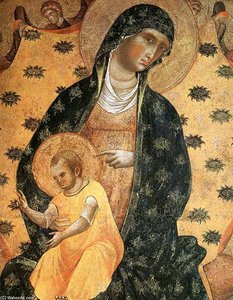
In the luminous presence of Paolo Veneziano’s Madonna of the Poppy, the viewer is transported back to the dawn of the Venetian Renaissance, a period where the rigid splendor of Byzantium began to soften under the graceful touch of Gothic elegance. This breathtaking masterpiece, dating from approximately 1325, serves as a profound testament to the spiritual intimacy of the fourteenth century. At its heart, the painting captures a tender moment between the Virgin Mary and the Christ Child, set against an expansive, radiant golden background that seems to emanate a divine light of its own. The use of gold leaf is not merely decorative; it creates a celestial atmosphere, lifting the figures out of the earthly realm and placing them within a timeless, eternal sanctuary.
The composition is anchored by the striking use of color, specifically the deep, passionate reds that drape the Madonna and the infant. This choice of pigment serves a dual purpose: it symbolizes both the royal dignity of the Queen of Heaven and the sacrificial blood of the Christ Child, foreshadowing his eventual passion. The child, adorned in a charming red hat and matching attire, rests within his mother's arms with a sense of peaceful vulnerability that contrasts beautifully with the formal, iconographic tradition of the era. As your eyes wander across the canvas, you may notice secondary figures flanking the central pair, adding layers of narrative depth and suggesting a larger celestial court witnessing this sacred bond.
The Synthesis of Style and Technique
To behold this work is to witness the very foundation of the Venetian school of painting. Veneziano was a master of synthesis, skillfully weaving together the heavy, stylized ornamentation of Byzantine icons with the emerging naturalism of the Gothic movement. The technique involves a meticulous application of tempera, where every line is deliberate and every texture—from the soft folds of the crimson robes to the intricate patterns of the background—is rendered with devotional precision. For the discerning collector or interior designer, this painting offers a unique opportunity to introduce a sense of historical gravity and sophisticated texture into a space. The interplay between the matte surfaces of the figures and the reflective brilliance of the gold creates a dynamic visual experience that changes with the light of the room.
Beyond its technical mastery, the Madonna of the Poppy carries an emotional resonance that is both humbling and uplifting. It evokes a sense of quiet contemplation, making it an ideal centerpiece for a gallery, a study, or a formal living area where one seeks to inspire awe and tranquility. Whether viewed as a historical artifact of Venetian triumph or as a stunning piece of decorative art, the painting remains a powerful symbol of maternal love and divine grace. Owning a high-quality reproduction of such a significant work allows the timeless beauty of the fourteenth century to breathe within a modern setting, bridging the gap between the ancient sacred and the contemporary aesthetic.
Related Artworks
Artist Biography
The Venetian Pioneer of Byzantine and Gothic Synthesis
Paolo Veneziano (c. 1333 – 1358) stands as a monumental figure in the history of Venetian art, recognized universally as the most important Venetian painter of the fourteenth century. Born into an artistic lineage within the heart of Venice—his father being a renowned artist himself—Veneziano’s brief but brilliant career coincided with a transformative period in European painting. He acted as a vital bridge, spanning the stylistic gap between the rigid, golden grandeur of the Byzantine tradition and the burgeoning, more fluid elegance of the Gothic style. His legacy extends far beyond his short lifetime, establishing him as the true founder of the Venetian school, an artistic movement that would dominate production throughout the century and profoundly influence subsequent masters such as Lorenzo Veneziano.
The essence of Veneziano’s genius lies in his ability to harmonize disparate worlds. While his training was deeply rooted in the Byzantine influences that permeated the Venetian Republic—a style characterized by iconographic stability, preciousness, and a sense of the divine—he possessed an astute awareness of contemporary developments flowing from Rimini and other Italian artistic centers. By incorporating Gothic elements into his compositions, he introduced a new level of sophistication and movement. This dual engagement ensured that his work did not merely echo the glories of the past but actively participated in the evolving, dynamic landscape of the mid-14th century.
A Masterpiece of Devotion and Patronage
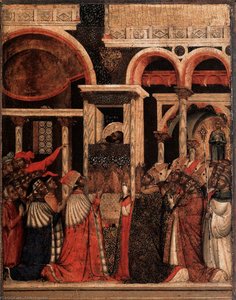
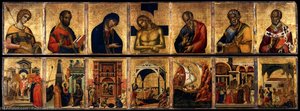
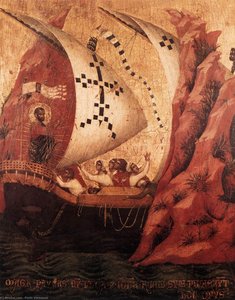
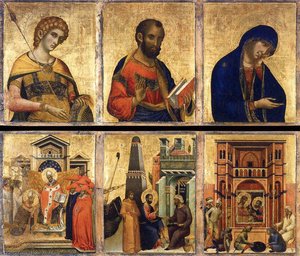
The zenith of Veneziano’s artistic achievement is perhaps most vividly captured in his involvement with the Pala Feriale, or weekday altarpiece, commissioned for the prestigious St. Mark’s Basilica in Venice. This monumental project was a collaborative triumph, undertaken alongside his sons, Marco and Luca. The resulting polyptych serves as a breathtaking testament to Venetian patronage and technical prowess. In this work, one can observe the meticulous application of gold leaf and the careful arrangement of sacred figures, creating a celestial vision that reflects both the wealth of the Republic and the deep piety of its citizens.
Through such large-scale commissions, Veneziano demonstrated his ability to manage complex iconographic programs that satisfied both religious requirements and the aesthetic desires of the Venetian state. His technique involved:
- The use of luminous gold grounds to evoke a sense of eternal, divine light.
- Intricate ornamentation that mirrored the luxurious textiles and mosaics found within Venice itself.
- A delicate balance of line and color that allowed for the emergence of more naturalistic, Gothic drapery over the traditional Byzantine forms.
Historical Significance and Lasting Legacy
Though his life was tragically short, ending in 1358, the impact of Paolo Veneziano on the trajectory of Western art is immeasurable. He did not merely paint; he defined a visual language for a maritime empire. By synthesizing the Eastern influence of Byzantium with the Western innovations of the Gothic period, he created a unique "Venetian" style—one that was opulent, international, and deeply evocative. This stylistic synthesis provided the foundation upon which the later, more celebrated Renaissance masters would build.
His importance to art history cannot be overstated, as he transformed Venice from a mere recipient of foreign artistic styles into a primary creator of its own distinct aesthetic identity. The lineage he established through his workshop and his sons ensured that the Venetian school would remain a dominant force in European art for generations, leaving an indelible mark on the history of the Italian Renaissance.
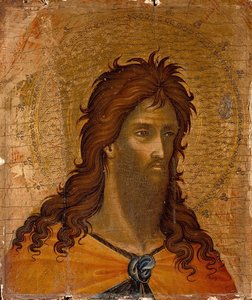
Paolo Veneziano
1333 - 1358 , Italy
Quick Facts
- Artistic Movement Or Style: Byzantine influence & Gothic art
- Artists Or Movements Influenced By This Artist: ['Marco di Paolo Veneziano']
- Artists Who Influenced This Artist: ['Lorenzo Veneziano']
- Date Of Birth: c. 1333
- Date Of Death: 1358
- Full Name: Paolo Veneziano
- Nationality: Italian
- Notable Artworks:
- Pala Feriale
- Panel of a Polyptych
- Place Of Birth: Venice, Italy
Related Articles
Paolo Veronese: A Renaissance Master of Color, Composition, and Venetian Splendor
Explore the vibrant world of Paolo Veronese, a Renaissance master renowned for his opulent compositions, masterful use of color, and dramatic Venetian scenes. Discover key artworks & legacy.

Jacopo Tintoretto's Masterpieces: 25 Paintings That Define Venetian Drama | ArtsDot
Explore 25 breathtaking masterpieces by Jacopo Tintoretto, the Venetian master of drama and light. Discover the stories behind iconic Renaissance paintings & find museum-quality art reproductions to elevate your home decor on ArtsDot.com.
The Golden Light of Innovation: Exploring the Venetian Renaissance Art Movement (1430–1580)
Explore the Golden Age of Venetian art (1430–1580). Discover Giorgione, Titian & Tintoretto's techniques, the 'colorito' revolution, and lasting influence. Expert insights for collectors & enthusiasts.
Pietro Longhi's Venetian Scenes: A Study of Rococo Society & Domestic Life
Explore the captivating world of Pietro Longhi's Venetian scenes! Discover insightful analysis of his Rococo masterpieces & social commentary on 18th-century life. Learn about this 'Venetian Hogarth' and his lasting artistic legacy.

Giorgione: Enigma and Innovation in Early Venetian Renaissance Painting
Explore the enigmatic world of Giorgione, a pivotal figure in the Venetian Renaissance. Discover his innovative techniques, iconic paintings like 'The Tempest', and lasting influence on art history. Learn more at ArtsDot.