 Send
Send Share
Share
 Details

 Download
 Similars
 Diaporama
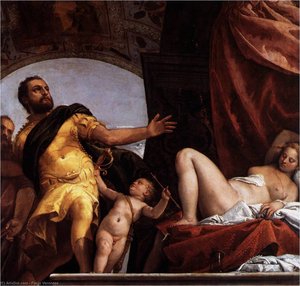
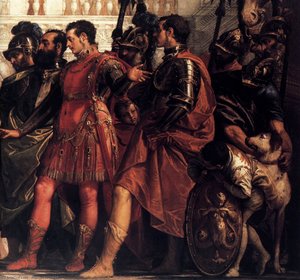
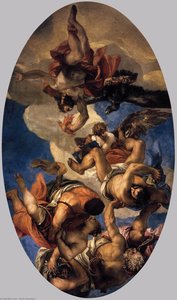
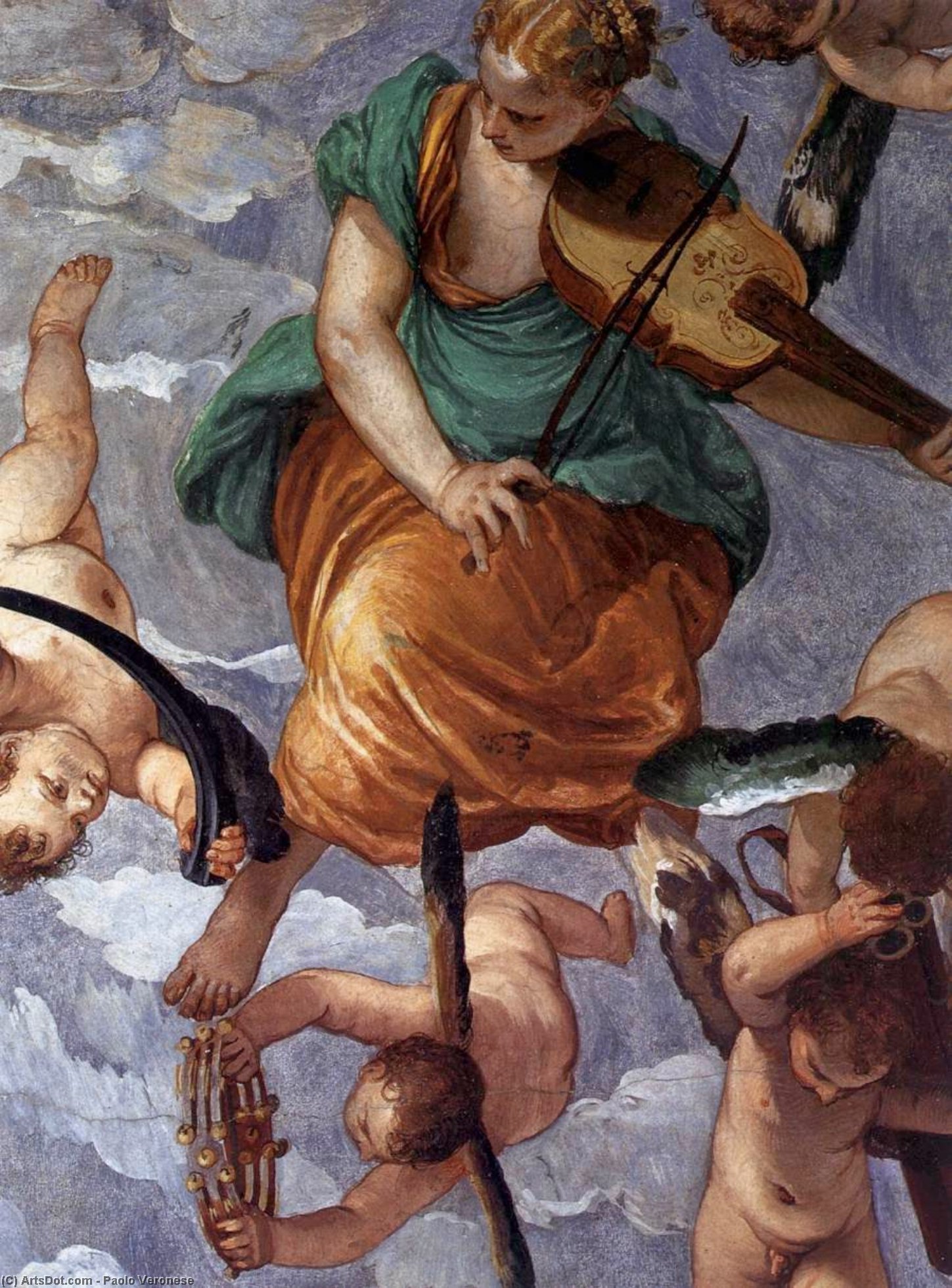
Bacchus, Vertumnus and Saturn (detail)


 Read More
Giclée / Art Print
Museum-quality giclée or canvas print with fast production and flexible finish options. ( Buy Hand Made Painting Buy Image)




































Pick from our preset sizes that match the artwork's original proportions.

You may enter your own dimensions to fit a specific frame or space. If your selected size does not match the original image's proportions, we will either crop the artwork or extend the image with a mirrored or solid-fill edge. A digital mockup will be sent for your approval before production begins.
Please note that the on-screen preview does not reflect the actual cropping or extension. Only the mockup will accurately show the final composition.
While custom sizes are available, we recommend selecting a dimension from the predefined list to preserve the original proportions.
Worldwide Delivery () in 2 weeks instead of standard 4/5 weeks. (21 August)

Free Worldwide Express Shipping

High-Quality Linen Canvas

Full Shipping Insurance

Customs Tax Refund Guarantee

True Color Matching Guarantee

60-Day Return Policy (Defects Only)

100% Money-Back Guarantee

Bulk Discount Offer
 Glass option is only available in size under 110 CM

Bacchus, Vertumnus and Saturn (detail)
Giclée / Art Print
Reproduction Size
-


Total Price
$ 63
Collectible Description
A Celestial Symphony in Fresco
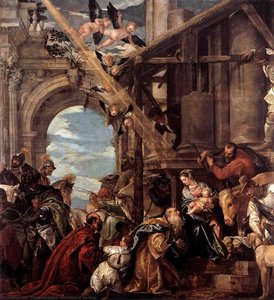
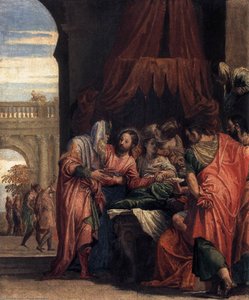
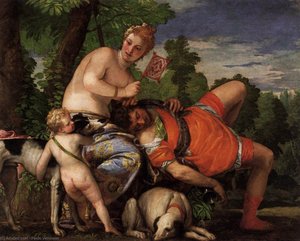
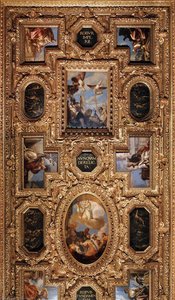
In the heart of the Venetian Renaissance, where the light of the lagoons dances upon marble palaces, Paolo Veronese breathed life into the very walls of history. His masterpiece, Bacchus, Vertumnus and Saturn, stands as a breathtaking testament to the theatrical grandeur of the sixteenth century. This particular detail invites the viewer into a celestial realm, a fresco where the boundaries between the earthly and the divine dissolve into a mist of color and movement. At its center, a graceful figure rests upon soft, billowing clouds, cradling a harp as if plucking melodies from the ether itself. The scene is an orchestrated ballet of motion; angels descend from the heavens on either side, their wings catching the light, while figures populate the mid-ground in a state of joyous, rhythmic engagement. It is not merely a painting, but a window into a moment of eternal celebration.
The technique employed by Veronese is nothing short of magisterial. As a titan of Venetian Mannerism, he moved beyond the static harmonies of his predecessors to embrace a style defined by dynamism and illusionistic perspective. In this fresco, one can observe his unparalleled ability to manipulate light and pigment to create depth and texture. The way the fabric of the figures' garments catches the light, the soft translucency of the clouds, and the subtle shadows that give weight to the celestial beings all point to a master who understood the alchemy of color. For the discerning collector or interior designer, this piece offers a profound sense of movement; it is an artwork that does not sit quietly on a wall but rather animates the space it inhabits, bringing a sense of classical opulence and rhythmic vitality to any sophisticated environment.
Mythological Allegory and Emotional Resonance
Beyond its visual splendor, the work serves as a complex tapestry of mythological symbolism. Veronese, deeply influenced by the humanist ideals of his era, utilized the deities of antiquity to communicate profound truths about abundance, time, and the cycle of life. The presence of Bacchus evokes the intoxicating spirit of wine and fertility, while the interplay of figures suggests a cosmic harmony where music acts as the bridge between the mortal and the divine. Every element, from the delicate strings of the harp to the soaring flight of the angels, is meticulously placed to guide the eye through a narrative of eternal abundance. The inclusion of musical instruments like the violin within the composition further emphasizes the theme of harmony—a concept that resonates deeply with those seeking art that provides both intellectual stimulation and aesthetic peace.
To possess a reproduction of such a monumental work is to invite the spirit of the Venetian Renaissance into the modern home. The emotional impact of Veronese’s vision lies in its ability to evoke awe; it captures a sense of "theatrical spectacle" that was the hallmark of his career. Whether placed in a grand salon or a curated study, this detail from his larger fresco serves as a focal point of inspiration. It speaks to a timeless appreciation for beauty, craftsmanship, and the enduring power of myth. For those looking to curate an atmosphere of elegance and historical depth, Veronese’s mastery offers an unparalleled opportunity to surround oneself with the vibrant, pulsing energy of a lost golden age.
Related Artworks
![Stanze Vaticane - The Parnassus (detail) [04] — Raphael, High Renaissance](/media/artworks/images-thumb/a0/00/a000f9f03076a9992b960a7db3b9bf34.jpg)
![Stanze Vaticane - La Disputa (detail) [08] — Raphael, Renaissance](/media/artworks/images-thumb/3d/82/3d824970f573582a9a29e0e167a781f5.jpg)
Artist Biography
A Venetian Visionary: The Life and Art of Paolo Veronese
Paolo Caliari, known to the world as Paolo Veronese, emerged from the vibrant artistic landscape of 16th-century Venice as a master of color, composition, and opulent spectacle. Born in Verona in 1528, the son of a stonecutter, his early life was steeped in the visual richness of his surroundings – the classical architecture, sculpted forms, and burgeoning humanist ideals that characterized the region. His initial training under Antonio Badile and Giovanni Francesco Caroto laid a foundation in traditional techniques, but it was his move to Venice in the 1550s that truly ignited his artistic genius. The city itself became his muse, its bustling marketplaces, grand palazzi, and shimmering waterways informing the scale and drama of his work. He quickly absorbed the influences of established Venetian masters like Titian, whose mastery of color profoundly impacted Veronese’s palette, yet he forged a distinct style characterized by an unparalleled sense of theatricality and grandeur.The Painter of Feasts and Grand Narratives
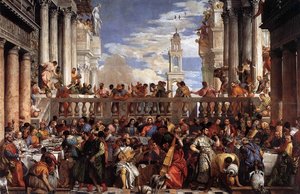
Veronese's reputation rests upon his monumental paintings, particularly those depicting lavish feasts and biblical scenes transformed into dazzling displays of Venetian life. The Wedding at Cana, completed in 1563 for the Benedictine monastery of San Giorgio Maggiore, stands as a testament to his skill. This colossal canvas isn’t merely an illustration of the miracle; it's a vibrant panorama of 16th-century society, teeming with elegantly dressed figures, musicians, and architectural details rendered with breathtaking precision. The painting is not just about what happened at Cana but *how* it would have looked if it had occurred in Venice during Veronese’s time. Similarly, The Feast in the House of Levi, originally titled The Last Supper, caused controversy with the Inquisition due to its inclusion of contemporary figures and a seemingly irreverent atmosphere. Veronese defended his artistic license, asserting that painters were entitled to the same creative freedom as poets and jesters – a bold statement reflecting his belief in art’s power to interpret and reimagine sacred narratives. These works weren't simply religious depictions; they were celebrations of life, wealth, and the splendor of Venice itself. He wasn’t interested in austere spirituality but rather in capturing the joy and abundance of existence.Influences and Artistic Development
While Titian’s influence on Veronese’s colorism is undeniable, his artistic development was a complex interplay of various influences. The architectural precision he brought to his compositions owes much to the classical tradition prevalent in Verona during his formative years, particularly the work of architects like Michele Sanmicheli. He also absorbed elements from Central Italian masters such as Raphael and Parmigianino, evident in the graceful lines and harmonious arrangements within his paintings. However, Veronese didn’t simply imitate these influences; he synthesized them into a uniquely Venetian style characterized by its dramatic use of light, vibrant color palettes, and meticulous attention to detail. He excelled at creating illusions of space and depth, employing perspective techniques to draw viewers into the heart of his elaborate scenes. His mastery of oil painting allowed him to achieve an unparalleled luminosity and richness of texture. He also ran a large workshop, with contributions from his brother Benedetto and sons Gabriele and Carlo, ensuring that his style continued to flourish even after his death in 1588.Legacy and Historical Significance
Paolo Veronese’s impact extends far beyond the realm of Renaissance art. His work has resonated through centuries, inspiring artists across various disciplines. His dramatic compositions and vibrant color schemes have been cited as influences on everything from Baroque painting to modern cinema – even finding echoes in the visual aesthetics of Spaghetti Westerns. He was part of the “great trio” of Venetian painters—alongside Titian and Tintoretto—each contributing uniquely to the city’s artistic legacy, yet Veronese often stands apart for his sheer exuberance and celebration of earthly pleasures. His paintings continue to captivate audiences with their grandeur and spectacle, offering a glimpse into the opulent world of 16th-century Venice.- He redefined historical painting by imbuing it with contemporary life.
- His use of color remains influential for artists today.
- His work embodies the spirit of Renaissance humanism and celebration of earthly beauty.
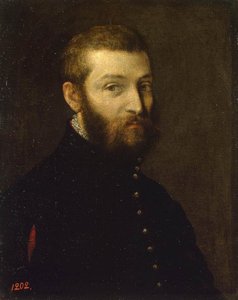
Paolo Veronese
1528 - 1588 , Italy
Quick Facts
- Artistic Movement Or Style: Renaissance, Mannerism
- Artists Or Movements Influenced By This Artist:
- Rubens
- Watteau
- Artists Who Influenced This Artist: ['Titian']
- Date Of Birth: 1528
- Date Of Death: 1588
- Full Name: Paolo Veronese
- Nationality: Italian
- Notable Artworks:
- The Wedding at Cana
- Feast in the House of Levi
- Other Names: Paolo Caliari
- Place Of Birth: Verona, Italy
Related Articles

The Fresco as Family Legacy: Preserving Heritage Through Wall Art
Explore the rich history & enduring legacy of fresco painting. Discover how to preserve family heritage through stunning wall art. Expert insights & restoration guidance.
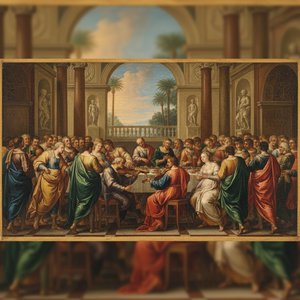
Paolo Veronese: A Renaissance Master of Color, Composition, and Venetian Splendor
Explore the vibrant world of Paolo Veronese, a Renaissance master renowned for his opulent compositions, masterful use of color, and dramatic Venetian scenes. Discover key artworks & legacy.

The Enduring Legacy of Fresco Painting: Techniques, History & Contemporary Relevance
Explore the rich history & enduring artistry of fresco painting – from Giotto to Michelangelo! Discover techniques, conservation efforts, & modern applications. Learn how ArtsDot brings this timeless art form to your home.

The Enduring Legacy of Fresco: Technique, History & Artistic Expression Across Cultures
Explore the rich history & enduring legacy of fresco painting! Discover ancient techniques, Giotto's masterpieces, and modern applications. Expert insights for art lovers & professionals.

Art That Lives With You: The Emotional Power of a Custom Interior Fresco
Discover the emotional power & timeless beauty of custom interior frescoes. Explore history, design tips & expert guidance from – creating lasting legacies.