 Preview
 Send
Send Share
Share
 Details

 Download
 Similars
 X-Ray
X-Ray Diaporama
St Jerome
 Oil On Canvas
- WallArt
- Baroque
 1580
1580 251.0 x 167.0 cm
 Gallerie dell'Accademia
 Read More
Hand Made Oil Reproduction
Hand-painted oil on canvas in your size and frame, made to order by our artists. ( Buy Print Buy Image)




P118B $10

P118H $10

P118W $10

P438Z $10

P508JH $12

P508YH $12

P805H $10

P805Z $10

P919BZ $10

P919G $10

P919XJ $10

P959ZH $10

P968JZ $12

W106C $8

W218G $10

W218JH $8

W218Y $10

W307PJ $10

W316G $10

W316PJ $8

W316Y $10

W398PJ $8

W4111J $10

W500HY $15

W500JH $15

W692G $12

W849H $8

W940BG $15

W953PJ $8




Pick from our preset sizes that match the artwork's original proportions.

You may enter your own dimensions to fit a specific frame or space. If your selected size does not match the original image's proportions, we will either crop the artwork or extend the painting with additional hand-painted elements. A digital mockup will be sent for your approval before production begins.
Please note that the on-screen preview does not reflect the actual cropping or extension. Only the mockup will accurately show the final composition.
While custom sizes are available, we recommend selecting a dimension from the predefined list to preserve the original proportions.
After order, ArtsDot.com team will email client for instructions and provide a mockup preview
Worldwide Delivery () in 3/4 weeks instead of standard 5 weeks. (16 August). No compromise on quality.

Free Worldwide Express Shipping

High-Quality Linen Canvas

Full Shipping Insurance

Customs Tax Refund Guarantee

True Color Matching Guarantee

60-Day Return Policy (Defects Only)

100% Money-Back Guarantee

Bulk Discount Offer
 Glass option is only available in size under 110 CM

St Jerome
Reproduction Medium
Reproduction Size
-


Total Price
$ 263
Artwork Description
St Jerome in the Wilderness: A Venetian Visionary's Embrace of Serenity
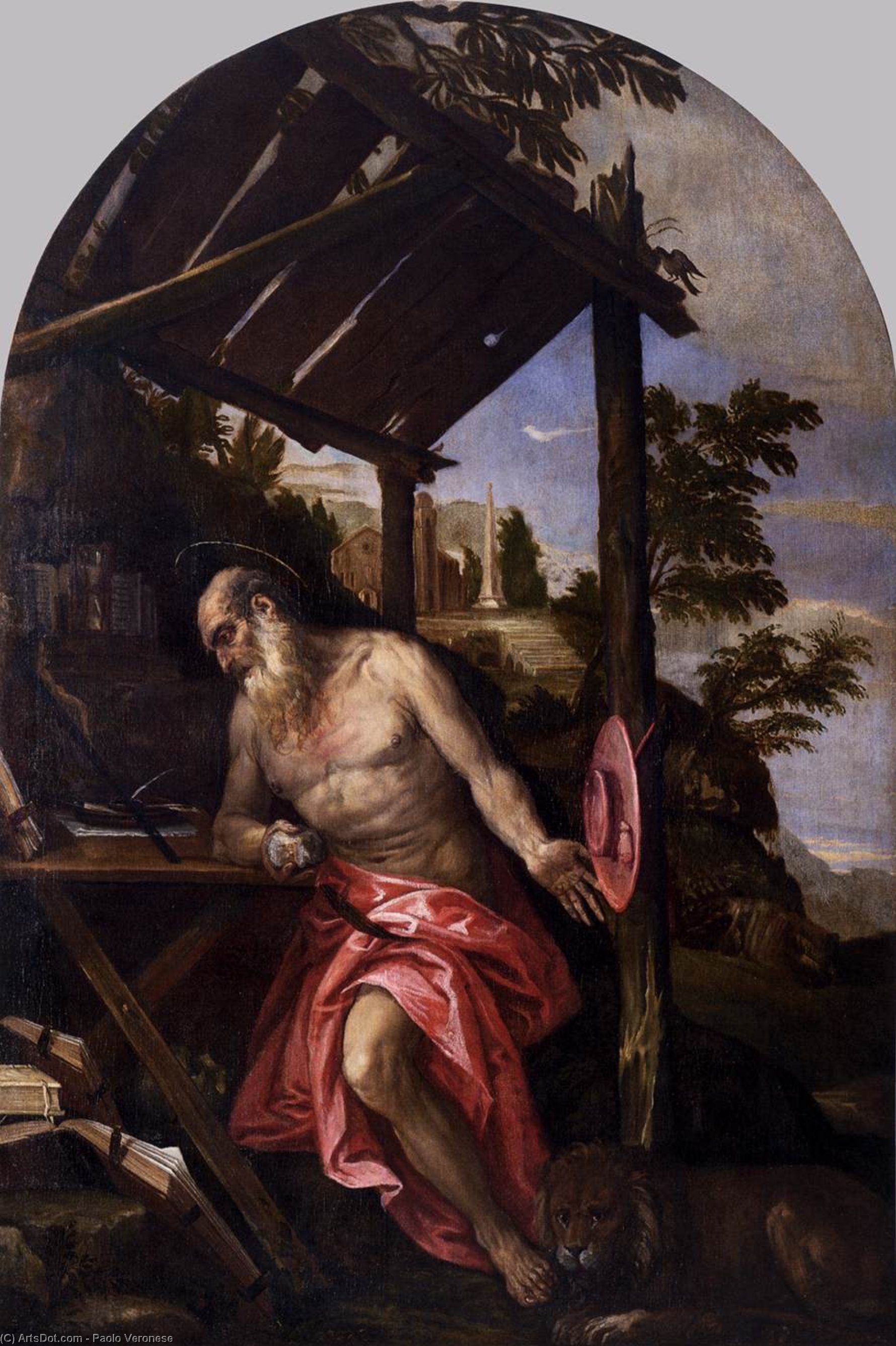
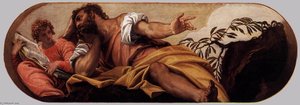
Paolo Veronese’s “St Jerome in the Wilderness,” completed around 1585–90, stands as a cornerstone of Venetian Renaissance art—a testament to Veronese’s unparalleled ability to capture both spiritual contemplation and visual grandeur. Executed during his prolific workshop years, this monumental painting transcends mere portraiture; it embodies an idealized vision of monastic asceticism bathed in the luminous glow of artistic innovation.
The scene depicts St. Jerome, revered as the patron saint of hermits and translators, seated beneath a sprawling canopy—a deliberate architectural device that harkens back to classical precedents while simultaneously elevating the figure’s solitude to an almost theatrical level. The artist skillfully employs atmospheric perspective, layering shades of ochre and umber to create depth and convey the impression of a vast, sunlit landscape.
- Composition: Veronese’s masterful arrangement prioritizes balance and harmony. Jerome occupies the central axis, flanked by two attentive dogs—a recurring motif in Veronese's oeuvre—who gaze upon him with unwavering devotion. This duality reinforces the saint’s inner peace amidst external challenges.
- Technique: Veronese’s technique is characterized by meticulous glazing – applying thin layers of translucent pigment over underlying colors to achieve remarkable luminosity and vibrancy. The use of sfumato, a subtle blending of tones that softens contours and creates an ethereal haze, contributes significantly to the painting's serene atmosphere.
- Color Palette: Dominating the canvas is a rich tapestry of earthy hues—warm yellows, reds, and browns—harmoniously interwoven with cooler greens and blues. These colors evoke the tranquility of the wilderness and symbolize Jerome’s spiritual purity.
Beyond its aesthetic beauty, “St Jerome in the Wilderness” carries profound symbolic weight. The desert landscape represents isolation and asceticism – a deliberate choice by Jerome to renounce worldly pleasures in pursuit of divine communion. The dogs serve as emblems of loyalty and faithfulness—companionship in solitude—reflecting the saint’s unwavering devotion to God.
The painting's impact extends beyond its immediate visual appeal; it exemplifies Veronese’s commitment to elevating religious subjects through artistic excellence. It remains a captivating masterpiece, inviting viewers to contemplate themes of faith, contemplation, and the enduring power of art to convey spiritual truths—a timeless reflection on serenity and devotion.
Historical Context: Venetian Renaissance Ideals
Created during the High Renaissance in Venice – a period marked by artistic flourishing and humanist intellectualism – “St Jerome” aligns perfectly with prevailing cultural values. The patronage of influential families like Gonzaga fueled ambitious artistic endeavors, prioritizing grandeur and beauty alongside moral instruction. Veronese’s work embodies this ethos, demonstrating how art could inspire piety and elevate the human spirit.
Further Research: Exploring St Jerome's Legacy
For deeper insights into St Jerome’s significance in Christian iconography and artistic tradition, consult resources such as:
Recommended Reproductions: Bringing Veronese's Vision Home
High-quality reproductions of “St Jerome in the Wilderness” are available from reputable art dealers and online platforms, allowing collectors and interior designers alike to experience Veronese’s masterful artistry firsthand.
Related Artworks
Artist Biography
A Venetian Visionary: The Life and Art of Paolo Veronese
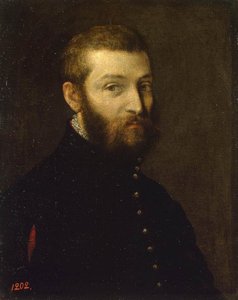
Paolo Caliari, known to the world as Paolo Veronese, emerged from the vibrant artistic landscape of 16th-century Venice as a master of color, composition, and opulent spectacle. Born in Verona in 1528, the son of a stonecutter, his early life was steeped in the visual richness of his surroundings – the classical architecture, sculpted forms, and burgeoning humanist ideals that characterized the region. His initial training under Antonio Badile and Giovanni Francesco Caroto laid a foundation in traditional techniques, but it was his move to Venice in the 1550s that truly ignited his artistic genius. The city itself became his muse, its bustling marketplaces, grand palazzi, and shimmering waterways informing the scale and drama of his work. He quickly absorbed the influences of established Venetian masters like Titian, whose mastery of color profoundly impacted Veronese’s palette, yet he forged a distinct style characterized by an unparalleled sense of theatricality and grandeur.The Painter of Feasts and Grand Narratives
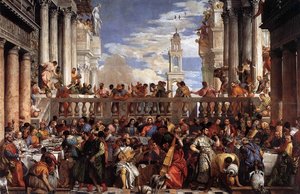
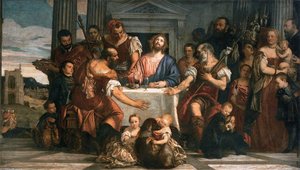
Veronese's reputation rests upon his monumental paintings, particularly those depicting lavish feasts and biblical scenes transformed into dazzling displays of Venetian life. The Wedding at Cana, completed in 1563 for the Benedictine monastery of San Giorgio Maggiore, stands as a testament to his skill. This colossal canvas isn’t merely an illustration of the miracle; it's a vibrant panorama of 16th-century society, teeming with elegantly dressed figures, musicians, and architectural details rendered with breathtaking precision. The painting is not just about what happened at Cana but *how* it would have looked if it had occurred in Venice during Veronese’s time. Similarly, The Feast in the House of Levi, originally titled The Last Supper, caused controversy with the Inquisition due to its inclusion of contemporary figures and a seemingly irreverent atmosphere. Veronese defended his artistic license, asserting that painters were entitled to the same creative freedom as poets and jesters – a bold statement reflecting his belief in art’s power to interpret and reimagine sacred narratives. These works weren't simply religious depictions; they were celebrations of life, wealth, and the splendor of Venice itself. He wasn’t interested in austere spirituality but rather in capturing the joy and abundance of existence.Influences and Artistic Development
While Titian’s influence on Veronese’s colorism is undeniable, his artistic development was a complex interplay of various influences. The architectural precision he brought to his compositions owes much to the classical tradition prevalent in Verona during his formative years, particularly the work of architects like Michele Sanmicheli. He also absorbed elements from Central Italian masters such as Raphael and Parmigianino, evident in the graceful lines and harmonious arrangements within his paintings. However, Veronese didn’t simply imitate these influences; he synthesized them into a uniquely Venetian style characterized by its dramatic use of light, vibrant color palettes, and meticulous attention to detail. He excelled at creating illusions of space and depth, employing perspective techniques to draw viewers into the heart of his elaborate scenes. His mastery of oil painting allowed him to achieve an unparalleled luminosity and richness of texture. He also ran a large workshop, with contributions from his brother Benedetto and sons Gabriele and Carlo, ensuring that his style continued to flourish even after his death in 1588.Legacy and Historical Significance
Paolo Veronese’s impact extends far beyond the realm of Renaissance art. His work has resonated through centuries, inspiring artists across various disciplines. His dramatic compositions and vibrant color schemes have been cited as influences on everything from Baroque painting to modern cinema – even finding echoes in the visual aesthetics of Spaghetti Westerns. He was part of the “great trio” of Venetian painters—alongside Titian and Tintoretto—each contributing uniquely to the city’s artistic legacy, yet Veronese often stands apart for his sheer exuberance and celebration of earthly pleasures. His paintings continue to captivate audiences with their grandeur and spectacle, offering a glimpse into the opulent world of 16th-century Venice.- He redefined historical painting by imbuing it with contemporary life.
- His use of color remains influential for artists today.
- His work embodies the spirit of Renaissance humanism and celebration of earthly beauty.
Paolo Veronese
1528 - 1588 , Italy
Quick Facts
- Artistic Movement Or Style: Renaissance, Mannerism
- Artists Or Movements Influenced By This Artist:
- Rubens
- Watteau
- Artists Who Influenced This Artist: ['Titian']
- Date Of Birth: 1528
- Date Of Death: 1588
- Full Name: Paolo Veronese
- Nationality: Italian
- Notable Artworks:
- The Wedding at Cana
- Feast in the House of Levi
- Other Names: Paolo Caliari
- Place Of Birth: Verona, Italy
Related Articles
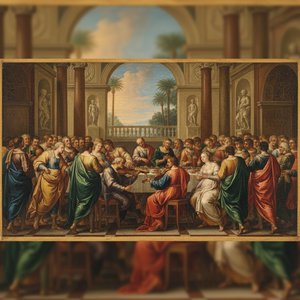
Paolo Veronese: A Renaissance Master of Color, Composition, and Venetian Splendor
Explore the vibrant world of Paolo Veronese, a Renaissance master renowned for his opulent compositions, masterful use of color, and dramatic Venetian scenes. Discover key artworks & legacy.

Jacopo Tintoretto's Masterpieces: 25 Paintings That Define Venetian Drama | ArtsDot
Explore 25 breathtaking masterpieces by Jacopo Tintoretto, the Venetian master of drama and light. Discover the stories behind iconic Renaissance paintings & find museum-quality art reproductions to elevate your home decor on ArtsDot.com.

Oil on Canvas: A Historical & Technical Exploration of a Timeless Artistic Medium
Explore the rich history & enduring techniques of oil painting on canvas. Discover the science behind its longevity, conservation practices, and contemporary relevance. Expert insights for art enthusiasts.

The Enduring Power of Painting: A Historical & Contemporary Exploration of Form and Emotion
Explore the rich history & enduring techniques of oil painting with ArtsDot. Discover masterpieces, learn about art collecting, and find authentic handmade reproductions crafted by skilled artists.

The Enduring Legacy of Oil on Canvas: Technique, History & Aesthetic Impact
Explore the rich history & techniques of oil painting – from Renaissance masters to Impressionism. Discover pigments, layering methods, and why this timeless medium endures. Expert insights for artists & art enthusiasts.