 Preview
 Send
Send Share
Share
 Details

 Download
 Similars
 X-Ray
X-Ray Diaporama
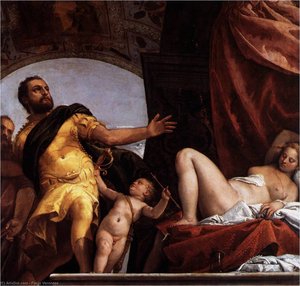
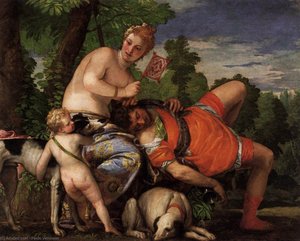
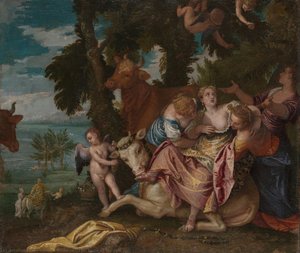
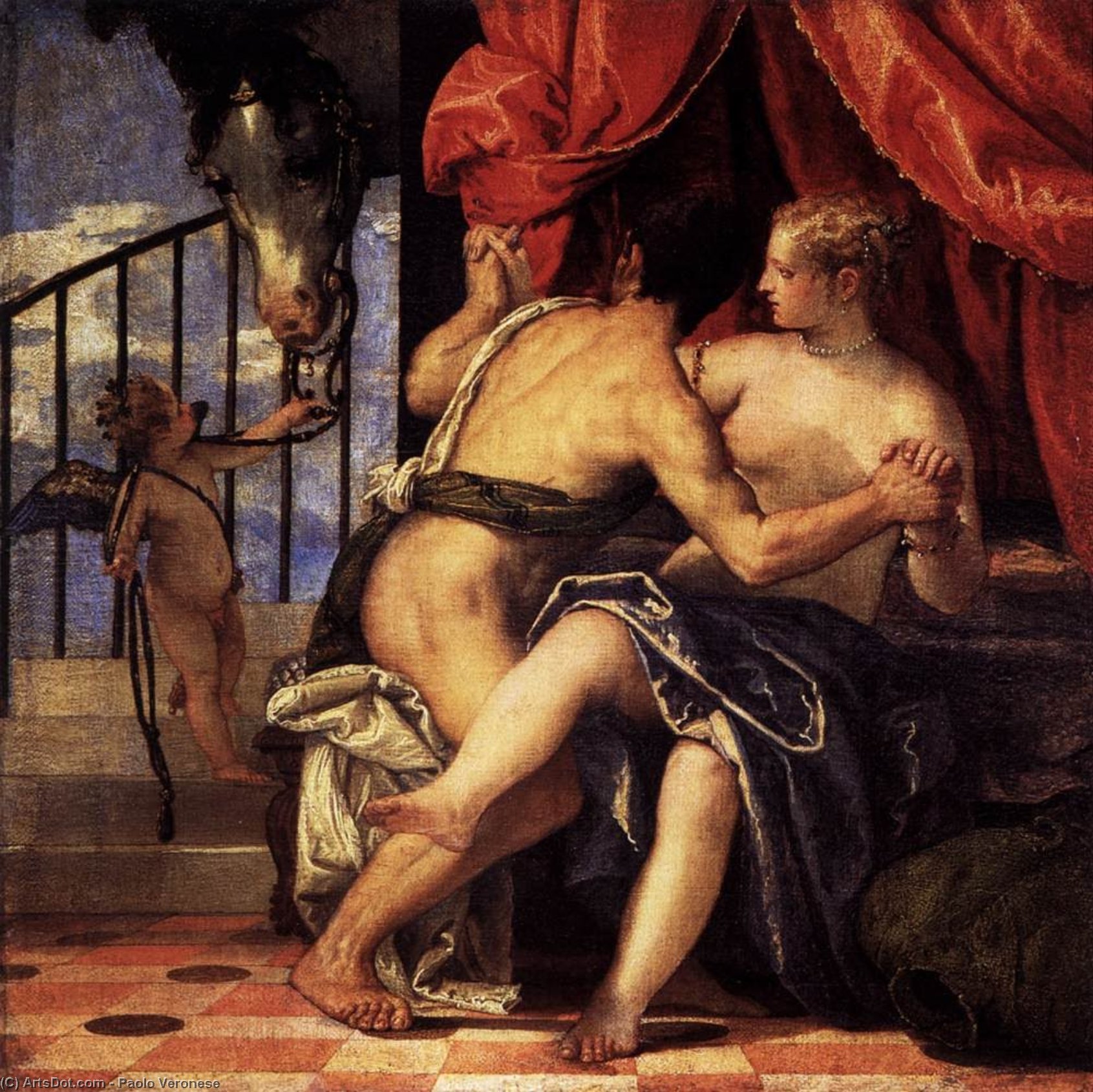
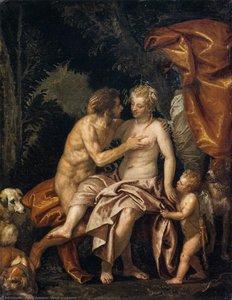
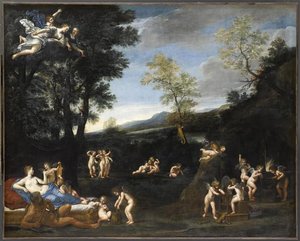
Venus and Mars with Cupid and a Horse
 Acrylic On Canvas
- WallArt
- Baroque
 1570
1570 47.0 x 47.0 cm
 Galleria Sabauda
 Read More
Hand Made Oil Reproduction
Hand-painted oil on canvas in your size and frame, made to order by our artists. ( Buy Print Buy Image)




P118B $10

P118H $10

P118W $10

P438Z $10

P508JH $12

P508YH $12

P805H $10

P805Z $10

P919BZ $10

P919G $10

P919XJ $10

P959ZH $10

P968JZ $12

W106C $8

W218G $10

W218JH $8

W218Y $10

W307PJ $10

W316G $10

W316PJ $8

W316Y $10

W398PJ $8

W4111J $10

W500HY $15

W500JH $15

W692G $12

W849H $8

W940BG $15

W953PJ $8




Pick from our preset sizes that match the artwork's original proportions.

You may enter your own dimensions to fit a specific frame or space. If your selected size does not match the original image's proportions, we will either crop the artwork or extend the painting with additional hand-painted elements. A digital mockup will be sent for your approval before production begins.
Please note that the on-screen preview does not reflect the actual cropping or extension. Only the mockup will accurately show the final composition.
While custom sizes are available, we recommend selecting a dimension from the predefined list to preserve the original proportions.
After order, ArtsDot.com team will email client for instructions and provide a mockup preview
Worldwide Delivery () in 3/4 weeks instead of standard 5 weeks. (16 August). No compromise on quality.

Free Worldwide Express Shipping

High-Quality Linen Canvas

Full Shipping Insurance

Customs Tax Refund Guarantee

True Color Matching Guarantee

60-Day Return Policy (Defects Only)

100% Money-Back Guarantee

Bulk Discount Offer
 Glass option is only available in size under 110 CM

Venus and Mars with Cupid and a Horse
Reproduction Medium
Reproduction Size
-


Total Price
$ 263
Artwork Description
Venus and Mars with Cupid and a Horse by Paolo Veronese
Paolo Veronese’s “Venus and Mars with Cupid and a Horse,” painted circa 1570, stands as an emblem of Venetian High Renaissance splendor—a testament to artistic ambition and masterful execution that continues to captivate audiences centuries later. Commissioned likely for Emperor Maximilian II, this monumental canvas embodies the prevailing humanist ideals of its time, celebrating love’s transformative power amidst the turbulent currents of political intrigue.
Subject Matter and Composition
The painting depicts a lavishly staged scene featuring Venus and Mars, intertwined in an embrace symbolizing the union of opposing forces—passion and reason—underpinned by Cupid’s playful intervention. A majestic horse dominates the composition, positioned between the lovers, representing strength and nobility, yet simultaneously serving as a visual anchor for the entire tableau. The figures are arranged on a stage-like platform, enhancing the theatrical quality of the artwork and elevating it beyond mere representation.
Style and Technique
Veronese’s distinctive style is characterized by an unparalleled command of color and perspective—techniques honed during his formative years under Titian, whose influence profoundly shaped Veronese's palette. He employs a vibrant polychrome scheme, utilizing rich hues to imbue the figures with luminosity and depth. The artist meticulously renders drapery folds with astonishing realism, creating textures that convey movement and volume. Furthermore, Veronese’s masterful use of aerial perspective contributes to an illusionistic space that transports viewers into the opulent setting of the Venetian court.
Historical Context
Created during the reign of Maximilian II—a period marked by diplomatic maneuvering and artistic patronage—the painting reflects the broader cultural landscape of Renaissance Italy. Veronese’s work aligns with the humanist tradition, which championed classical ideals of beauty and harmony while simultaneously exploring psychological complexity. The commission itself underscores the importance of art as a vehicle for conveying political messages and asserting imperial authority.
Symbolism and Emotional Impact
"Venus and Mars" transcends mere visual spectacle; it communicates profound symbolic meanings concerning the reconciliation of opposites—love conquering war—and the nurturing influence of femininity. The flowing milk emanating from Venus’s breast symbolizes fertility and sustenance, highlighting love's capacity to bestow grace upon even the most formidable adversaries. Veronese’s masterful depiction evokes a sense of idealized beauty and serene contemplation, inviting viewers to immerse themselves in an atmosphere of aristocratic refinement and romantic fervor.
Further Information
This artwork resides within the Galleria Sabauda in Turin, Italy. It is considered one of Veronese's most celebrated masterpieces and exemplifies the Venetian Renaissance’s fascination with mythological narratives infused with humanist sensibilities. For more detailed information about Veronese and his artistic legacy, consult resources available at Musei reali di Torino or explore online databases like The Metropolitan Museum of Art and Wikimedia Commons.
Related Artworks
Artist Biography
A Venetian Visionary: The Life and Art of Paolo Veronese
Paolo Caliari, known to the world as Paolo Veronese, emerged from the vibrant artistic landscape of 16th-century Venice as a master of color, composition, and opulent spectacle. Born in Verona in 1528, the son of a stonecutter, his early life was steeped in the visual richness of his surroundings – the classical architecture, sculpted forms, and burgeoning humanist ideals that characterized the region. His initial training under Antonio Badile and Giovanni Francesco Caroto laid a foundation in traditional techniques, but it was his move to Venice in the 1550s that truly ignited his artistic genius. The city itself became his muse, its bustling marketplaces, grand palazzi, and shimmering waterways informing the scale and drama of his work. He quickly absorbed the influences of established Venetian masters like Titian, whose mastery of color profoundly impacted Veronese’s palette, yet he forged a distinct style characterized by an unparalleled sense of theatricality and grandeur.The Painter of Feasts and Grand Narratives
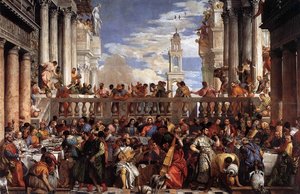
Veronese's reputation rests upon his monumental paintings, particularly those depicting lavish feasts and biblical scenes transformed into dazzling displays of Venetian life. The Wedding at Cana, completed in 1563 for the Benedictine monastery of San Giorgio Maggiore, stands as a testament to his skill. This colossal canvas isn’t merely an illustration of the miracle; it's a vibrant panorama of 16th-century society, teeming with elegantly dressed figures, musicians, and architectural details rendered with breathtaking precision. The painting is not just about what happened at Cana but *how* it would have looked if it had occurred in Venice during Veronese’s time. Similarly, The Feast in the House of Levi, originally titled The Last Supper, caused controversy with the Inquisition due to its inclusion of contemporary figures and a seemingly irreverent atmosphere. Veronese defended his artistic license, asserting that painters were entitled to the same creative freedom as poets and jesters – a bold statement reflecting his belief in art’s power to interpret and reimagine sacred narratives. These works weren't simply religious depictions; they were celebrations of life, wealth, and the splendor of Venice itself. He wasn’t interested in austere spirituality but rather in capturing the joy and abundance of existence.Influences and Artistic Development
While Titian’s influence on Veronese’s colorism is undeniable, his artistic development was a complex interplay of various influences. The architectural precision he brought to his compositions owes much to the classical tradition prevalent in Verona during his formative years, particularly the work of architects like Michele Sanmicheli. He also absorbed elements from Central Italian masters such as Raphael and Parmigianino, evident in the graceful lines and harmonious arrangements within his paintings. However, Veronese didn’t simply imitate these influences; he synthesized them into a uniquely Venetian style characterized by its dramatic use of light, vibrant color palettes, and meticulous attention to detail. He excelled at creating illusions of space and depth, employing perspective techniques to draw viewers into the heart of his elaborate scenes. His mastery of oil painting allowed him to achieve an unparalleled luminosity and richness of texture. He also ran a large workshop, with contributions from his brother Benedetto and sons Gabriele and Carlo, ensuring that his style continued to flourish even after his death in 1588.Legacy and Historical Significance
Paolo Veronese’s impact extends far beyond the realm of Renaissance art. His work has resonated through centuries, inspiring artists across various disciplines. His dramatic compositions and vibrant color schemes have been cited as influences on everything from Baroque painting to modern cinema – even finding echoes in the visual aesthetics of Spaghetti Westerns. He was part of the “great trio” of Venetian painters—alongside Titian and Tintoretto—each contributing uniquely to the city’s artistic legacy, yet Veronese often stands apart for his sheer exuberance and celebration of earthly pleasures. His paintings continue to captivate audiences with their grandeur and spectacle, offering a glimpse into the opulent world of 16th-century Venice.- He redefined historical painting by imbuing it with contemporary life.
- His use of color remains influential for artists today.
- His work embodies the spirit of Renaissance humanism and celebration of earthly beauty.
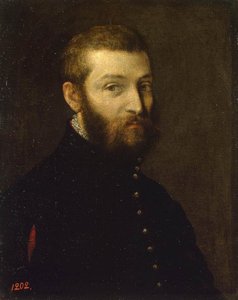
Paolo Veronese
1528 - 1588 , Italy
Quick Facts
- Artistic Movement Or Style: Renaissance, Mannerism
- Artists Or Movements Influenced By This Artist:
- Rubens
- Watteau
- Artists Who Influenced This Artist: ['Titian']
- Date Of Birth: 1528
- Date Of Death: 1588
- Full Name: Paolo Veronese
- Nationality: Italian
- Notable Artworks:
- The Wedding at Cana
- Feast in the House of Levi
- Other Names: Paolo Caliari
- Place Of Birth: Verona, Italy
Related Articles

Jacopo Tintoretto's Masterpieces: 25 Paintings That Define Venetian Drama | ArtsDot
Explore 25 breathtaking masterpieces by Jacopo Tintoretto, the Venetian master of drama and light. Discover the stories behind iconic Renaissance paintings & find museum-quality art reproductions to elevate your home decor on ArtsDot.com.

Romantic Masterpieces: 10 Artworks to Stir Your Soul |
Fall in love with art! Explore 10 iconic romantic paintings – from Renaissance classics to Impressionist masterpieces. Discover the stories behind artists like Monet & Klimt, and find museum-quality reproductions for your home at .
Echoes of Olympus: Mythological Narratives in Western Art Through the Ages
Explore the captivating history of mythological narratives in Western art! From ancient Greece to modern masterpieces, discover iconic artworks & symbolism. Expert analysis and high-quality reproductions at ArtsDot.

Eternal Love: Top 10 Wedding Art Gifts & Their Meaning |
Find the perfect wedding gift! Explore 10 meaningful art gifts – from Monet to Klimt – symbolizing love & lasting commitment. Discover museum-quality reproductions and curated decor ideas at .
The Enduring Motif of Love in Art History: A Cross-Cultural Exploration of Representation and Emotion
Explore the rich history of love in art! Discover iconic masterpieces, artistic techniques & cultural symbolism from antiquity to modern times. Expert analysis for collectors.