 Preview
 Send
Send Share
Share
 Details

 Download
 Similars
 X-Ray
X-Ray Diaporama
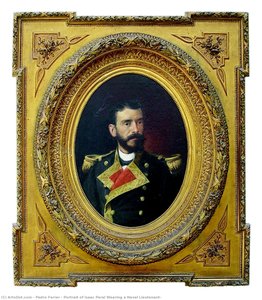
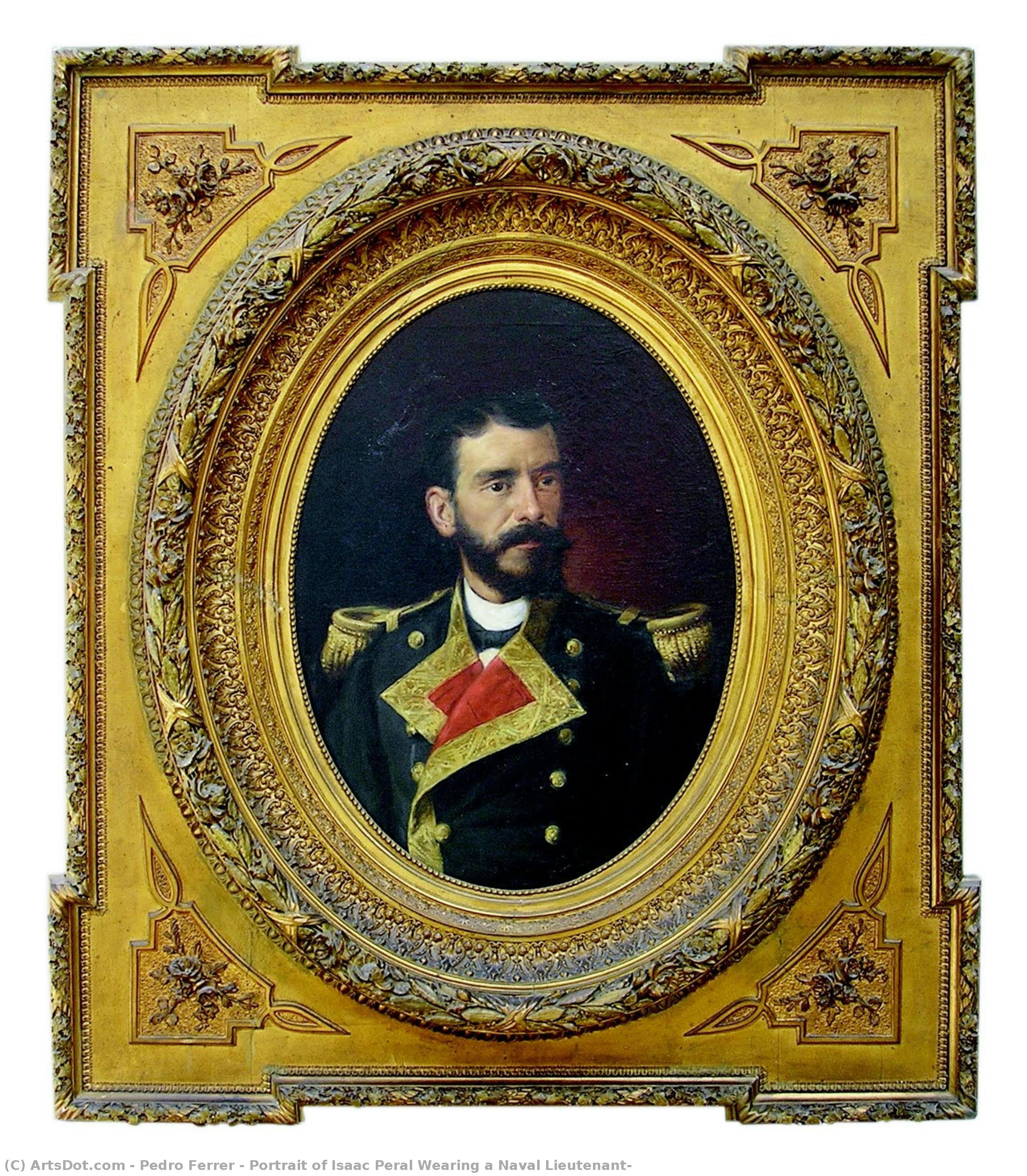
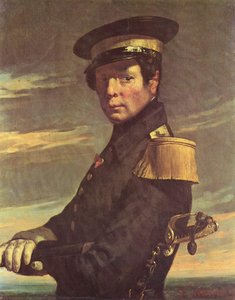
Portrait of Isaac Peral Wearing a Naval Lieutenant


 Read More
Giclée / Art Print
Museum-quality giclée or canvas print with fast production and flexible finish options. ( Buy Hand Made Painting Buy Image)




P118B $10

P118H $10

P118W $10

P438Z $10

P508JH $12

P508YH $12

P805H $10

P805Z $10

P919BZ $10

P919G $10

P919XJ $10

P959ZH $10

P968JZ $12

W106C $8

W218G $10

W218JH $8

W218Y $10

W307PJ $10

W316G $10

W316PJ $8

W316Y $10

W398PJ $8

W4111J $10

W500HY $15

W500JH $15

W692G $12

W849H $8

W940BG $15

W953PJ $8




Pick from our preset sizes that match the artwork's original proportions.

You may enter your own dimensions to fit a specific frame or space. If your selected size does not match the original image's proportions, we will either crop the artwork or extend the image with a mirrored or solid-fill edge. A digital mockup will be sent for your approval before production begins.
Please note that the on-screen preview does not reflect the actual cropping or extension. Only the mockup will accurately show the final composition.
While custom sizes are available, we recommend selecting a dimension from the predefined list to preserve the original proportions.
Worldwide Delivery () in 2 weeks instead of standard 4/5 weeks. (23 August)

Free Worldwide Express Shipping

High-Quality Linen Canvas

Full Shipping Insurance

Customs Tax Refund Guarantee

True Color Matching Guarantee

60-Day Return Policy (Defects Only)

100% Money-Back Guarantee

Bulk Discount Offer
 Glass option is only available in size under 110 CM

Portrait of Isaac Peral Wearing a Naval Lieutenant
Giclée / Art Print
Reproduction Size
-


Total Price
$ 63
Collectible Description
Related Artworks

Artist Biography
Paul Gauguin: A Revolutionary Soul
Paul Gauguin, born Eugène Henri Paul Gauguin in 1848 amidst the tumultuous year of European revolutions, was far more than a painter; he was a provocateur, an iconoclast, and a pivotal figure in the transition from Impressionism to modern art. His life, marked by restless travel, financial struggles, and a relentless pursuit of artistic authenticity, culminated in a body of work that continues to fascinate and challenge viewers today. Gauguin’s journey wasn't one of formal training or academic recognition; instead, it was forged through experience, observation, and an unwavering commitment to expressing his inner vision – a vision often rooted in the exotic and the primal.
Early life provided little indication of the radical artist he would become. Born into a family of modest means in Paris, Gauguin’s childhood was shaped by frequent moves and financial instability. His father, a shipbroker, instilled in him a love for travel and adventure, while his mother's Peruvian ancestry fueled a fascination with the “primitive” – a theme that would profoundly influence his artistic choices. He initially pursued a career as a stockbroker, but found it stifling and unfulfilling. It was during this period of disillusionment that he began to dedicate himself to painting, initially influenced by the Impressionists in Paris, particularly Camille Pissarro. However, Gauguin quickly recognized the limitations of mimicking their style and embarked on a path of independent exploration, seeking a more direct and emotionally resonant form of expression.
The Search for Paradise: Tahiti and Beyond
In 1886, Gauguin made his first journey to Tahiti, an island colony in French Polynesia, driven by a desire to escape the constraints of Western civilization and find a refuge where he could create art unburdened by societal expectations. This move was not merely a vacation; it represented a fundamental shift in his artistic philosophy. He envisioned Tahiti as a “primitive” paradise, a place untouched by the corrupting influences of modernity – a concept that directly contradicted the prevailing trends in European art at the time. His paintings from this period, such as *Nafea fa tatoua* (When Will You Marry?) and *Attea* (The Visionary), are characterized by bold colors, simplified forms, and a focus on Polynesian subjects—women, chiefs, and landscapes—depicted with an almost hallucinatory intensity.
However, his time in Tahiti was fraught with difficulties. Gauguin’s attempts to establish himself as a respected artist were hampered by his unconventional methods and abrasive personality. He clashed frequently with the local population and struggled to find acceptance within the colonial administration. His health deteriorated, and he faced increasing financial hardship. In 1895, disillusioned and exhausted, he embarked on a series of voyages across the South Pacific, visiting islands like Hiva Oa and Easter Island, seeking further inspiration and a renewed sense of purpose. These later works, often characterized by stark contrasts between light and shadow, and featuring figures with haunting expressions, reflect his growing preoccupation with themes of spirituality, death, and the human condition.
A Distinctive Style: Symbolism and Expression
Gauguin’s artistic style evolved dramatically throughout his career. Initially influenced by Impressionism, he quickly developed a highly personal approach that defied categorization. He rejected traditional perspective and realistic representation in favor of flattened planes, simplified forms, and intensely saturated colors. His brushstrokes were often loose and expressive, conveying emotion rather than meticulous detail. He drew inspiration from various sources—including Japanese prints, Spanish Post-Impressionism, and the art of primitive cultures—incorporating elements of each into his unique visual language.
Gauguin’s work is often described as “Symbolist,” although he resisted this label. He used color, line, and composition to evoke specific emotions and ideas, creating a symbolic world that resonated with the subconscious. His paintings are not simply depictions of reality; they are expressions of his inner state—his longing for paradise, his fascination with death, and his search for spiritual meaning. His use of red, particularly, became a signature element, representing passion, violence, and the life force.
Legacy and Influence
Despite facing considerable criticism during his lifetime, Paul Gauguin’s influence on 20th-century art is undeniable. He paved the way for movements such as Fauvism and Expressionism by challenging conventional artistic norms and prioritizing emotional expression over objective representation. His bold use of color, flattened forms, and symbolic imagery inspired generations of artists to explore new ways of seeing and representing the world.
Today, Gauguin’s paintings are celebrated for their power, originality, and enduring appeal. He remains a controversial figure—both admired and criticized—but his legacy as one of the most important and influential artists of the late 19th and early 20th centuries is firmly established. His relentless pursuit of artistic authenticity and his willingness to defy convention continue to inspire artists and viewers alike, reminding us that art can be a powerful tool for exploring the depths of human experience.
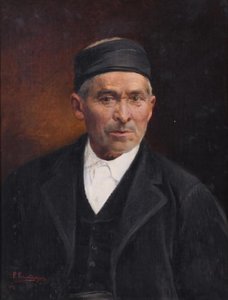
pedro ferrer
1903 - , Cuba
Quick Facts
- Artistic Movement Or Style:
- Post-Impressionism
- Symbolism
- Artists Or Movements Influenced By This Artist:
- Fauvism
- Expressionism
- Artists Who Influenced This Artist:
- Camille Pissarro
- Paul Cézanne
- Date Of Birth: July 7, 1848
- Date Of Death: May 8, 1903
- Full Name: Eugène Henri Paul Gauguin
- Nationality: French
- Notable Artworks:
- Vision of the Sermon
- Iahona and Her Son
- Place Of Birth: Paris, France
Related Articles

Elevating Workspace Aesthetics: Top 5 Art Styles for Contemporary Offices
Elevate your office aesthetic with 's expert guide to the top 5 art styles for contemporary workspaces. Boost productivity & inspire creativity – discover the perfect look today!

19th Century Masterpieces: 10 Paintings That Defined an Era | ArtsDot
Journey through 19th century art with ArtsDot! Explore 10 iconic paintings – from Monet & Renoir to Courbet – and discover the stories behind Romanticism, Realism & Impressionism. Find museum-quality reproductions for your home decor. Explore the full collection online!
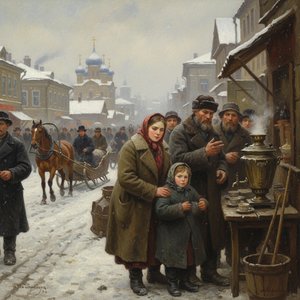
Vladimir Makovsky: Realism, Social Commentary & Russian Life in Late 19th-Century Painting
Explore the captivating world of Vladimir Makovsky, a leading Russian realist painter. Discover his insightful depictions of 19th-century life, social commentary & legacy with ArtsDot.
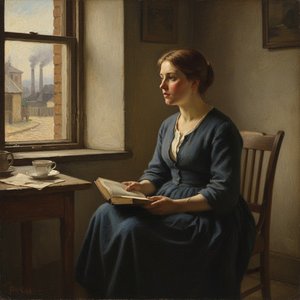
The Gaze of Reality: Exploring Themes & Techniques in 19th-Century Realist Painting
Explore the captivating world of 19th-century Realist painting! Discover key artists like Courbet & Manet, groundbreaking techniques, and the powerful social commentary that defined this influential art movement. Expert insights at ArtsDot.
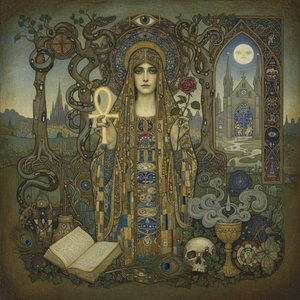
The Evocative Realm of Symbolism: Exploring Meaning & Mysticism in Late 19th-Century Art
Explore the captivating world of Symbolism art! Discover key artists, defining themes & its lasting influence on modern movements. A deep dive into late 19th-century masterpieces.