 Send
Send Share
Share
 Details

 Download
 Similars
 Diaporama
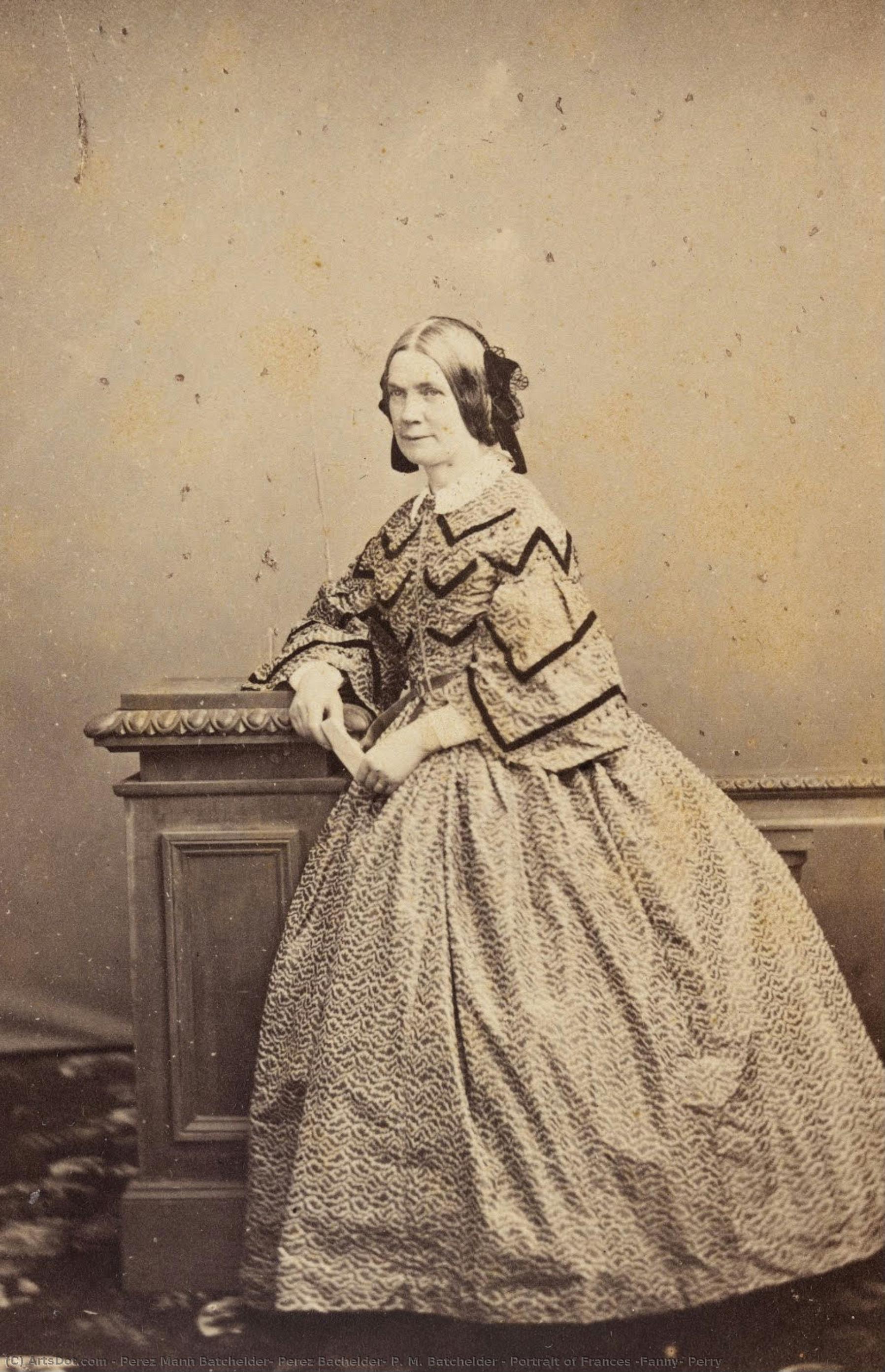
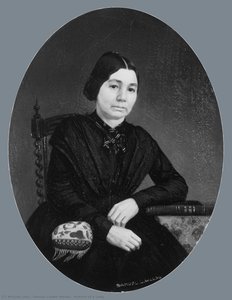
Portrait of Frances (Fanny) Perry


 Read More
Hand Made Oil Reproduction
Hand-painted oil on canvas in your size and frame, made to order by our artists. ( Buy Print Buy Image)




































Pick from our preset sizes that match the artwork's original proportions.

You may enter your own dimensions to fit a specific frame or space. If your selected size does not match the original image's proportions, we will either crop the artwork or extend the painting with additional hand-painted elements. A digital mockup will be sent for your approval before production begins.
Please note that the on-screen preview does not reflect the actual cropping or extension. Only the mockup will accurately show the final composition.
While custom sizes are available, we recommend selecting a dimension from the predefined list to preserve the original proportions.
After order, ArtsDot.com team will email client for instructions and provide a mockup preview
Worldwide Delivery () in 3/4 weeks instead of standard 5 weeks. (4 September). No compromise on quality.

Free Worldwide Express Shipping

High-Quality Linen Canvas

Full Shipping Insurance

Customs Tax Refund Guarantee

True Color Matching Guarantee

60-Day Return Policy (Defects Only)

100% Money-Back Guarantee

Bulk Discount Offer
 Glass option is only available in size under 110 CM

Portrait of Frances (Fanny) Perry
Reproduction Medium
Reproduction Size
-


Total Price
$ 263
A Glimpse Through the Daguerreotype: The Grace of Frances Perry
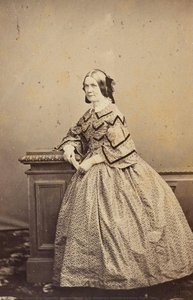
In the delicate, silvered shadows of 1863, a moment was frozen in time by the pioneering hands of Batchelder & O’Neill. This intimate portrait of Frances (Fanny) Perry serves as more than just a photographic record; it is a window into the Victorian era's profound sense of dignity and social purpose. Captured during a period when the daguerreotype was transitioning into more accessible forms, the image presents a woman of remarkable poise. Clad in a dress featuring an exquisite ruffled collar, Frances sits with a quiet strength that belies her historical role as a pillar of Australian philanthropy. The monochrome palette, stripped of the distractions of color, forces the viewer to confront the raw texture of the fabric and the soulful depth of her expression, creating an emotional resonance that transcends the decades separating us from her era.
The composition of this piece offers a fascinating study in Victorian social layers. While Frances remains the undeniable focal point, the presence of figures in the background—one standing, one seated—adds a layer of narrative complexity. This depth suggests a domestic or studio setting that feels lived-in and authentic, rather than staged in a vacuum. The inclusion of a clock on the wall serves as a poignant memento mori, a subtle reminder of the relentless passage of time, contrasting beautifully with the permanence of the photographic medium itself. For the collector, this detail provides a profound symbolic layer, inviting reflections on legacy and the enduring impact of a life dedicated to the welfare of others.
Technically, the work is a testament to the mastery of the Batchelder & O’Neill partnership. Operating out of Collins Street in Melbourne, these American-born innovators brought a sophisticated level of light manipulation to the Australian colonies. The way the light catches the ruffles of Frances's attire and defines the contours of her face demonstrates a high level of technical proficiency in early photographic chemistry. This reproduction captures that precise interplay of light and shadow, making it an ideal centerpiece for those looking to introduce a sense of historical gravity and classical elegance into a contemporary interior. Whether placed in a curated gallery wall or as a standalone statement piece, this portrait brings with it the spirit of a woman who helped shape the medical and social landscape of a burgeoning nation.
For interior designers and art enthusiasts alike, integrating such a piece into a space offers an opportunity to evoke nostalgia and intellectual curiosity. The stark, beautiful contrast of the black and white tones allows it to harmonize with both minimalist modern decor and more ornate, traditional settings. It is not merely a decoration; it is a conversation starter, a fragment of history that invites guests to ponder the lives of those who walked the streets of Melbourne long before the gold rush transformed the world forever.
Related Artworks
Artist Biography
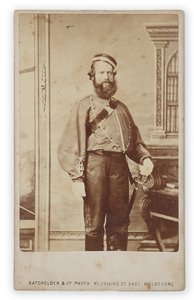
A Pioneer of Light: The Photographic Legacy of Perez Mann Batchelder
In the mid-19th century, as the world began to shrink through technological advancement, few figures captured the shifting essence of human identity as intimately as Perez Mann Batchelder. An American pioneer whose lens traveled across vast continents, Batchelder was not merely a chronicler of faces but a master of the daguerreotype, a medium that required an extraordinary marriage of scientific precision and artistic intuition. His journey, spanning from the burgeoning landscapes of the United States to the rugged frontiers of California and the distant shores of Australia, reflects the restless, exploratory spirit of his era.
Batchelder’s artistry was defined by the unique challenges and rewards of early photography. Unlike the fluid brushstrokes of a painter, the daguerreotype demanded a stillness of subject and a mastery of light to etch silvered images onto polished plates. Through this meticulous process, he achieved a level of detail that felt almost supernatural to his contemporaries. His work often transcended simple documentation; in portraits such as the Portrait of Frances (Fanny) Perry, one finds a profound sense of Victorian elegance and a quiet, enduring dignity that invites the viewer to step back into the year 1863.
From the American Frontier to the Australian Coast
The trajectory of Batchelder’s life was as much an adventure as his photographic compositions. His presence in the California Goldfields allowed him to capture the raw, transformative energy of a landscape in flux, documenting the faces of those driven by the promise of fortune. This period of his life coincided with a global era of migration and discovery, making his visual record an invaluable historical archive of the American West.
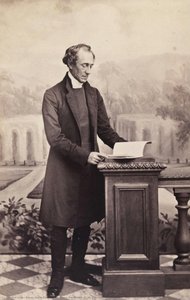
However, it was his expansion into Australia that truly solidified his international significance. By bringing his technical expertise to a new hemisphere, Batchelder helped establish a photographic tradition in a land still defining its own visual identity. His ability to adapt his craft to different climates and cultures allowed him to capture a diverse array of subjects, from the formal Portrait of Right Reverend Dr Charles Perry to sweeping landscapes that echoed the grandeur of the natural world. This versatility ensured that his work remained relevant across vastly different social strata, bridging the gap between high-society portraiture and the rugged reality of colonial life.
Historical Significance and the Art of the Image
The enduring importance of Perez Mann Batchelder lies in his role as a bridge between the era of classical portrait painting and the dawn of the modern photographic age. While he utilized the tools of science, his eye remained that of an artist, sensitive to composition, shadow, and the ephemeral nature of a single moment. His contributions to the history of photography are characterized by several key elements:
- Technical Mastery: His proficiency in the complex daguerreotype process allowed for the creation of highly detailed, permanent records of human life.
- Global Perspective: By operating in both North America and Australia, he provided a rare, interconnected visual narrative of 19th-century global movement.
- Cultural Documentation: His portraits serve as essential windows into Victorian social customs, fashion, and the psychological depth of his subjects.
Today, when we look upon the silvered plates left behind by Batchelder, we are doing more than viewing old photographs; we are engaging with a vanished world. He remains a key figure in art history, a man who understood that while light may be fleeting, the image captured through a disciplined lens can grant a form of immortality to the people and places he so lovingly documented.
perez mann batchelder, perez bachelder, p. m. batchelder
1818 - , United States of America
Quick Facts
- Artistic Movement Or Style: Hudson River School
- Artists Or Movements Influenced By This Artist: ['Thomas Cole']
- Artists Who Influenced This Artist:
- John Boyd
- Nathaniel Jocelyn
- Date Of Birth: 1818, New Haven, CT
- Date Of Death: 1871, Cold Spring, NY
- Full Name: Thomas Prichard Rossiter
- Nationality: American
- Notable Artworks:
- Washington and Lafayette
- Washington's Cabinet
- Mount Vernon Portrait
- Place Of Birth: New Haven, Connecticut
Related Articles

White on Canvas: 10 Masterpieces & Timeless Elegance for Your Home Decor
Explore 10 iconic white paintings by Monet, Whistler & Rothko! Discover the stories behind these serene masterpieces and their impact on art history. Find museum-quality reproductions for your home decor at .

Dark Masterpieces: 10 Iconic Paintings Dominated by Black Tones |
Explore 10 iconic paintings dominated by black tones, from Rembrandt’s chiaroscuro to Goya's dark expressions. Discover the stories behind these masterpieces & find museum-quality art reproductions for your home at .

Monochrome Visions: Exploring the Aesthetic & Historical Significance of Black & White Photography
Explore the rich history & artistic power of black and white photography. From early techniques to iconic masters like Ansel Adams, discover why monochrome continues to captivate art lovers today. Expert insights for collectors.
From Snapshot to Statement: Elevating Personal Photography Through Black & White Fine Art Reproduction
Transform cherished photos into timeless black & white fine art with ArtsDot. Our expert artists create museum-quality reproductions – a lasting legacy for your home and family. Discover the artistry today.
Whistler's Masterpieces: Explore 25 Iconic Paintings & Aesthetic Art for Your Home
Journey through 25 iconic James Abbott McNeill Whistler paintings! Explore his masterpieces of Aestheticism, from 'Nocturne in Black and Gold' to captivating portraits. Find museum-quality art reproductions & elevate your home decor with ArtsDot.com. Discover the full collection online.