

 Preview
 Send
Send Share
Share
 Details

 Download
 Similars
 X-Ray
X-Ray Diaporama
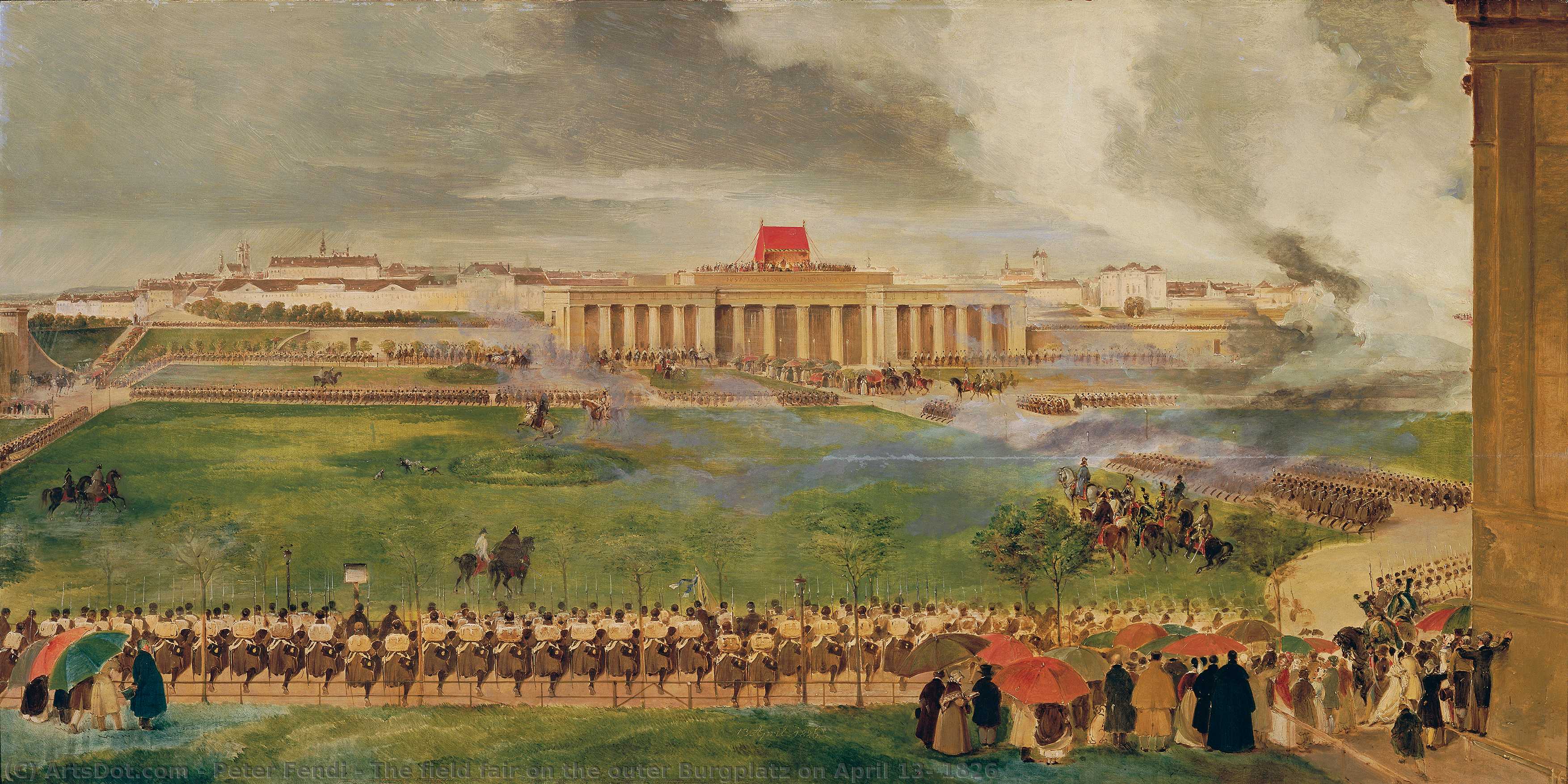
The field fair on the outer Burgplatz on April 13, 1826
 Oil On Panel
- WallArt
- Romanticism
 1826
1826- 19th Century
 63.0 x 126.0 cm
 Kunsthistorisches Museum
 Read More
Purchase a high-resolution, enhanced digital image, far superior to the online preview.
Each file is meticulously prepared by our in-house specialists using advanced tools and expert manual retouching. We ensure every image has exceptional clarity, precise color accuracy, and fine detail.
The final file is delivered via email within 72 hours, optimized for immediate use in professional, editorial, and print environments. This is the same quality trusted by top-tier design studios, publishers, and galleries.
Digital Image
Download a high-resolution file for personal display, printing, and creative projects. ( Buy Print Buy Hand Made Painting)
Included in Every Digital Image Order
Expert Digital Delivery, Guaranteed
When you choose ArtsDot.com, you're not just getting an image - you're receiving a professionally enhanced digital artwork, crafted with precision and backed by a satisfaction guarantee. Here's everything that comes with your order, automatically:

Fast Email Delivery
Your high-resolution digital image file will be emailed to you within 72 hours of ordering - ready for immediate use.

AI-Enhanced Digital File
Your artwork is professionally optimized using advanced AI tools and manual editing, ensuring maximum detail, clarity, and color accuracy.

Free Lifetime Re-Delivery
Accidentally deleted or lost your file? No worries - we'll resend it to you anytime, free of charge.

No Import Fees - Ever
Enjoy your artwork instantly with zero customs, duties, or delivery fees - digital downloads are always tax-free.

Color Accuracy Guarantee
We ensure your digital image reflects the original colors as closely as possible using professional tools and color management.

60-Day Satisfaction Guarantee
If you're not satisfied with your digital image, we'll revise it or refund 100% within 60 days - no questions asked.

100% Money-Back Guarantee
Not satisfied? Get a full refund within 60 days of receiving your digital file - no questions asked.

Bulk Order Discounts
Buy 3 images, save 10% - Buy 5, save 15% - Buy 10+, save 20%. Great for creative projects, galleries, and agencies.
Collectible Description
A Snapshot of Rural Life: Peter Fendi’s “The Field Fair on the Outer Burgplatz”
Peter Fendi's "The Field Fair on the Outer Burgplatz on April 13, 1826" isn’t merely a depiction of a provincial gathering; it’s a vibrant distillation of the Biedermeier aesthetic – a window into the heart of early 19th-century Austria. Painted in 1826, during a period of relative peace and burgeoning national identity following the Napoleonic Wars, this oil on panel captures a quintessential scene: a bustling field fair unfolding within the outer grounds of Burgplatz. The painting immediately draws the eye with its rich palette – earthy browns, ochres, and greens dominate, punctuated by the bright splashes of red and blue in the clothing and umbrellas scattered throughout the composition. Fendi masterfully employs light and shadow to create a sense of depth and movement, guiding the viewer’s gaze across the crowded scene. It's a testament to his skill that he manages to convey both the controlled order of a public event and the joyous chaos inherent in communal celebration.The Biedermeier Vision: Intimacy and Observation
Fendi was a pivotal figure in the development of the Biedermeier style, an artistic movement characterized by its focus on everyday life, domestic interiors, and intimate scenes. Unlike the grand historical paintings that preceded it, Biedermeier art prioritized observation over idealization. Fendi’s work embodies this perfectly; he doesn't attempt to elevate the scene to a heroic narrative but rather presents it with quiet realism. The figures are not posed dramatically, but engaged in ordinary activities – bartering, gossiping, playing games, and simply enjoying the festivities. This emphasis on the familiar, the commonplace, was deliberately intended to foster a sense of national identity and connection amongst the rising middle class who were increasingly commissioning art for their homes. The painting’s composition itself—a slightly elevated viewpoint looking down upon the scene—suggests an observer taking in the activity, mirroring the Biedermeier ideal of the thoughtful, discerning individual.A Detailed Examination: Composition and Technique
Notice the meticulous detail with which Fendi renders each element of the fair. The horses, a central feature of any rural gathering, are depicted with remarkable accuracy – their coats gleaming in the sunlight, their movements captured with subtle grace. The umbrellas, strategically placed throughout the scene, provide not only shade but also contribute to the painting’s dynamic composition, creating diagonals that lead the eye across the canvas. Fendi's brushwork is loose and expressive, particularly evident in the rendering of the crowd – a swirling mass of figures rendered with quick, confident strokes. He utilizes impasto—thickly applied paint—to build up texture and create a sense of physicality, especially noticeable in the fabrics of clothing and the surfaces of the wooden stalls. The use of atmospheric perspective—the subtle blurring of distant objects—further enhances the illusion of depth and space.Symbolism and Social Commentary
Beyond its immediate depiction of a field fair, the painting subtly reflects the social dynamics of 19th-century Austria. The presence of various tradesmen – blacksmiths, bakers, and merchants – highlights the economic vitality of the region. The gathering itself represents a crucial opportunity for community interaction and exchange, reinforcing the importance of local connections. While seemingly idyllic, the scene also subtly hints at the constraints placed upon women in this era; they are largely relegated to the background, observing rather than actively participating. The painting, therefore, offers a nuanced glimpse into the social fabric of the time – a celebration of rural life intertwined with subtle commentary on gender roles and class distinctions.A Timeless Appeal: Reproduction and Interior Design
“The Field Fair on the Outer Burgplatz” remains remarkably relevant today. Its depiction of communal joy, simple pleasures, and the beauty of everyday life resonates deeply with contemporary audiences. Reproductions of this captivating artwork are ideal for adding warmth and character to any interior space – from a country-style living room to a modern apartment. The painting’s vibrant colors and dynamic composition create a focal point that draws attention and sparks conversation. Consider pairing it with complementary furnishings—rustic wooden tables, comfortable armchairs, and perhaps a collection of vintage textiles—to fully capture the spirit of the Biedermeier aesthetic. This piece is more than just decoration; it's an invitation to step back in time and experience the charm of a bygone era.Related Artworks


Artist Biography
Peter Fendi: A Pioneer of Viennese Biedermeier
Peter Fendi, born in Vienna’s heart on September 4th, 1796, was more than just a painter; he was a pivotal figure in the development of Austrian art during the Biedermeier period. His life, marked by an early physical challenge – a fall from a changing table as an infant that left him with lasting spinal issues – ironically fueled a remarkable talent for drawing and ultimately shaped his artistic vision. His father, a schoolmaster, recognized this innate ability, enrolling young Peter at the prestigious St. Anna’s Academy of Fine Art in 1810. There, under the tutelage of esteemed artists like Johann Martin Fischer, Hubert Maurer, and Johann Baptist von Lampi the Elder, Fendi honed his skills, laying the foundation for a prolific career spanning oil paintings, watercolors, prints, etchings, lithographs, and even wood carving. Fendi’s early professional life began at the Imperial Gallery of Coins and Antiquities in 1818, where he served as a draughtsman and engraver under Joseph Barth, an influential art collector and the personal ophthalmologist to Emperor Joseph II. This position provided invaluable access to artistic circles and exposed him to the meticulous detail demanded by imperial commissions. A significant milestone arrived in 1821 when Fendi received a gold medal for his oil painting *Vilenica*, solidifying his reputation within the Viennese art scene. This recognition led to election as a member of the Academy of Fine Arts Vienna in 1836, further cementing his standing amongst his peers.A Dutch Influence and Venetian Inspiration
Fendi’s artistic style was deeply influenced by two distinct yet complementary sources: the Dutch masters and the Italian Renaissance. The realism and genre scenes prevalent in the works of artists like Adriaen Brouwer, Adriaen van Ostade, and Rembrandt resonated profoundly with Fendi, shaping his depictions of everyday life – bustling marketplaces, tavern scenes, and intimate domestic moments. These paintings are characterized by a keen observation of human behavior, often imbued with a subtle sense of humor or social commentary. Simultaneously, Fendi’s journey to Venice in 1821 proved transformative. Immersed in the opulent art collections of Giovanni Bellini, Tintoretto, Titian, and Paolo Veronese, he absorbed their dramatic compositions, rich colors, and masterful use of light – elements that would later infuse his own work with a sense of grandeur and theatricality.Lithographic Innovation and Portraiture
Beyond traditional painting techniques, Fendi was a true innovator in the field of lithography. His multicolored prints, particularly those produced in the 1830s and 40s, were groundbreaking for their time, demonstrating remarkable technical skill and artistic sensitivity. These prints weren’t merely reproductions; they were independent works of art, often depicting scenes from Viennese life with a vibrant palette and dynamic composition. Furthermore, Fendi was a highly sought-after portraitist, capturing the likenesses of both nobles and commoners alike. His portraits are notable for their psychological depth and ability to convey the personality of his subjects – a testament to his keen eye and understanding of human character. Notably, he engraved a series of five Austrian banknotes issued in 1841, showcasing his versatility as an engraver.Legacy and Artistic Significance
Peter Fendi’s legacy extends far beyond the individual artworks that bear his signature. He played a crucial role in shaping the Biedermeier aesthetic – characterized by its intimate scale, realistic depiction of everyday life, and subtle social commentary. His influence can be seen in the works of subsequent generations of Austrian artists. His meticulous attention to detail, combined with his innovative approach to lithography, cemented his place as one of the most important figures of the Biedermeier period. Today, Fendi’s paintings are preserved in prestigious collections such as the Albertina Museum, the Belvedere Gallery, and the Prince of Liechtenstein's collection in Vaduz, ensuring that his artistic contributions continue to be appreciated and studied for generations to come. His work offers a valuable glimpse into 19th-century Austrian society, capturing both its beauty and its complexities with remarkable skill and sensitivity.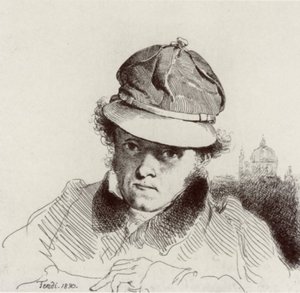
Peter Fendi
1796 - 1842 , Austria
Quick Facts
- Artistic Movement Or Style: Biedermeier
- Artists Or Movements Influenced By This Artist:
- Dutch painters
- Italian Renaissance
- Artists Who Influenced This Artist:
- Rembrandt
- Adriaen Brouwer
- Giovanni Bellini
- Date Of Birth: September 4, 1796
- Date Of Death: August 28, 1842
- Full Name: Peter Fendi
- Nationality: Austrian
- Notable Artworks:
- Princesses Elise & Fanny Liechtenstein
- The rise
- The Sad Message
- Place Of Birth: Vienna, Austria

