 Preview
 Send
Send Share
Share
 Details

 Download
 Similars
 X-Ray
X-Ray Diaporama
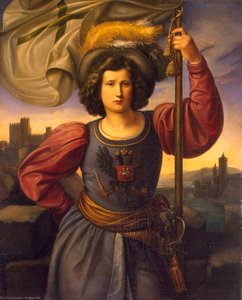
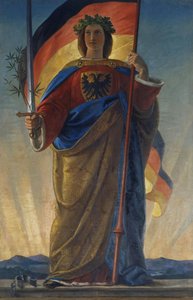
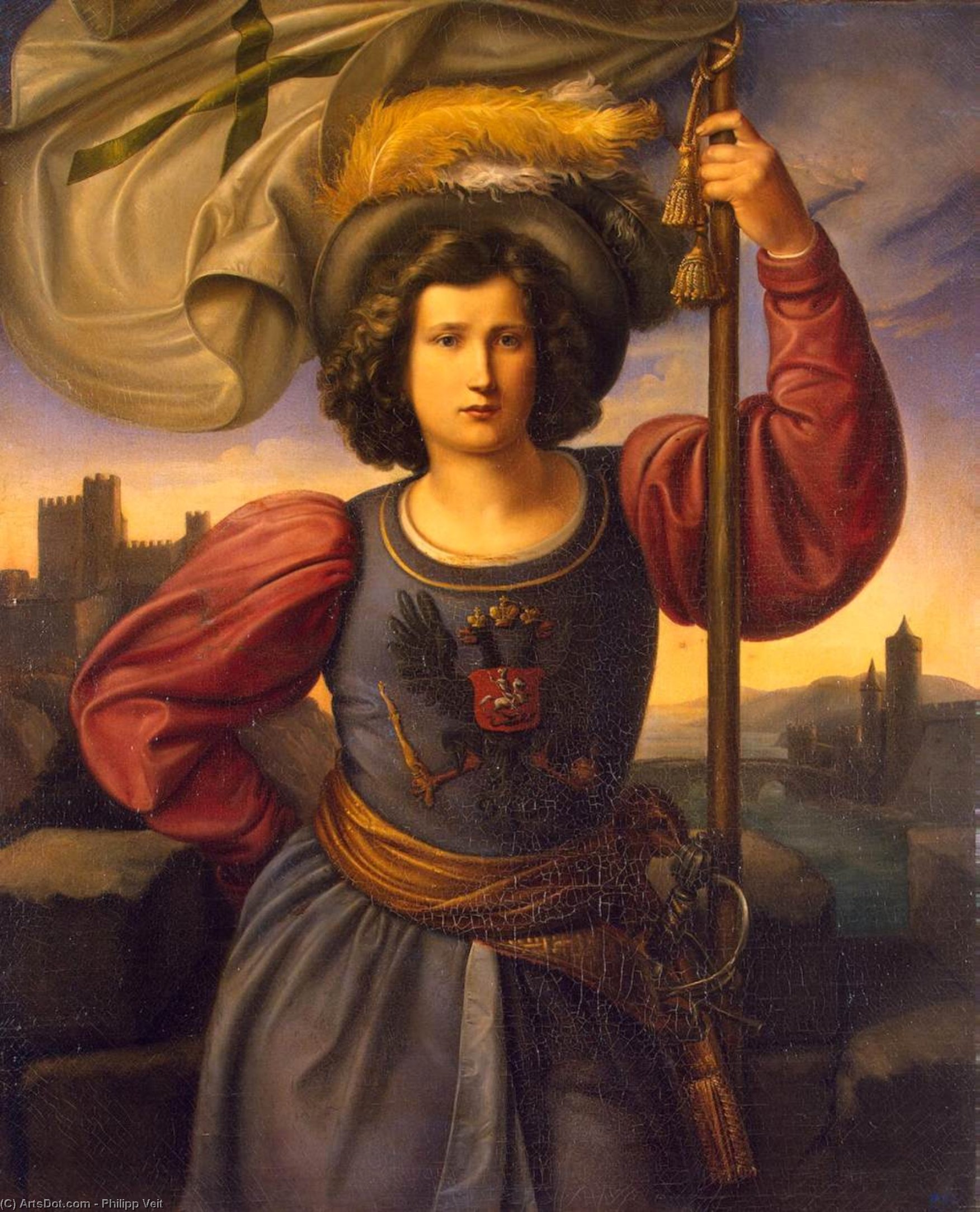
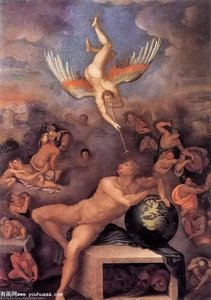
Allegory of Russia
 Oil On Canvas
- WallArt
- Romanticism
 1840
1840- 19th Century
 121.0 x 91.0 cm
 Hermitage Museum
 Read More
Hand Made Oil Reproduction
Hand-painted oil on canvas in your size and frame, made to order by our artists. ( Buy Print Buy Image)




P118B $10

P118H $10

P118W $10

P438Z $10

P508JH $12

P508YH $12

P805H $10

P805Z $10

P919BZ $10

P919G $10

P919XJ $10

P959ZH $10

P968JZ $12

W106C $8

W218G $10

W218JH $8

W218Y $10

W307PJ $10

W316G $10

W316PJ $8

W316Y $10

W398PJ $8

W4111J $10

W500HY $15

W500JH $15

W692G $12

W849H $8

W940BG $15

W953PJ $8




Pick from our preset sizes that match the artwork's original proportions.

You may enter your own dimensions to fit a specific frame or space. If your selected size does not match the original image's proportions, we will either crop the artwork or extend the painting with additional hand-painted elements. A digital mockup will be sent for your approval before production begins.
Please note that the on-screen preview does not reflect the actual cropping or extension. Only the mockup will accurately show the final composition.
While custom sizes are available, we recommend selecting a dimension from the predefined list to preserve the original proportions.
After order, ArtsDot.com team will email client for instructions and provide a mockup preview
Worldwide Delivery () in 3/4 weeks instead of standard 5 weeks. (17 August). No compromise on quality.

Free Worldwide Express Shipping

High-Quality Linen Canvas

Full Shipping Insurance

Customs Tax Refund Guarantee

True Color Matching Guarantee

60-Day Return Policy (Defects Only)

100% Money-Back Guarantee

Bulk Discount Offer
 Glass option is only available in size under 110 CM

Allegory of Russia
Reproduction Medium
Reproduction Size
-


Total Price
$ 263
Artwork Description
Allegory of Russia: A Romantic Vision Embodied in Oil Paint
The painting “Allegory of Russia,” attributed to Philipp Veit (1793-1877), stands as a testament to the Romantic movement’s fascination with national identity and its embrace of bold artistic expression. Created in 1840, this monumental canvas—measuring 121 x 91 cm—captures a complex symbolic representation of Russia during its formative years under Tsar Nicholas I, reflecting both aspirations for grandeur and anxieties about European influence. Veit’s masterful technique—characterized by thick impasto brushstrokes and vibrant color palettes—elevates the artwork beyond mere visual depiction into an immersive experience that speaks to the spirit of its time.- Subject Matter: The central figure is a woman draped in opulent robes, holding aloft a banner emblazoned with the imperial Russian flag – a deliberate allusion to the nation’s ambition for unity and prestige amidst the turbulent political landscape of Europe.
- Style & Technique: Veit's approach aligns closely with Nazarene painting, prioritizing spiritual depth and emotional intensity over academic realism. The artist skillfully employed oil paint on canvas, utilizing layering and blending techniques to achieve remarkable textural richness and luminosity.
- Historical Context: Painted during Nicholas I’s reign (1825-1855), “Allegory of Russia” reflects the anxieties surrounding Russia's perceived vulnerability to Western powers. The depiction of fortified castles symbolizes defense against external threats, mirroring the Tsar’s policies aimed at consolidating national power and preserving traditional values.
- Symbolism: Beyond its literal representation, the painting is laden with symbolic significance. The woman embodies Russia as a noble matriarch—a figure of strength and resilience—while the flag signifies patriotism and allegiance to imperial authority. The castles represent fortified defenses against foreign intrusion.
- Emotional Impact: Veit’s emotive brushwork conveys a palpable sense of grandeur and solemn contemplation, inviting viewers to contemplate the nation's destiny and its role in European affairs. It is an artwork that resonates with themes of faith, duty, and national pride—elements central to Romantic idealism.
Philipp Veit: A Pioneer of Fresco Revival
Philipp Veit (1793-1877) emerged as a prominent figure in German Romanticism, championing the revival of fresco painting – a technique that had fallen out of favor during the Neoclassical era. Unlike many of his contemporaries who favored polished surfaces and idealized forms, Veit sought to recapture the expressive power of Byzantine art, prioritizing textural depth and vibrant color harmonies. His artistic vision was profoundly influenced by biblical iconography and spiritual contemplation, resulting in paintings imbued with a palpable sense of solemnity and emotional resonance.- Early Life & Artistic Training: Born in Berlin, Veit received an exceptional education—primarily focused on theology and art history—which shaped his intellectual pursuits and artistic sensibilities.
- Notable Works: Veit’s oeuvre includes numerous religious scenes depicting biblical narratives with dramatic flair and meticulous detail. His paintings are distinguished by their bold color palettes and masterful use of impasto, creating surfaces that pulsate with life and conveying profound spiritual emotion.
- Nazarene Movement Leadership: Veit spearheaded the Nazarene movement—a group of German artists who deliberately rejected academic conventions in favor of a more spiritually informed aesthetic. This movement aimed to reinvigorate Christian art by returning to Byzantine models and prioritizing expressive color and texture.
The Hermitage’s Acquisition & Artistic Significance
“Allegory of Russia” entered the Hermitage Museum's collection in 1861, originating from the Ropsha Palace—a lavish estate commissioned by Empress Alexandra Feodorovna as a symbol of Russian grandeur and cultural prestige. The painting exemplifies Veit’s commitment to Romantic ideals—specifically, the pursuit of national identity alongside engagement with European artistic traditions. Its inclusion within the Hermitage underscores its enduring importance as a masterpiece of German Romanticism and a compelling visual representation of Russia's aspirations during Nicholas I’s reign.- Provenance: The painting’s journey from Ropsha Palace to the Hermitage reflects the museum’s dedication to preserving cultural heritage and showcasing exceptional artworks from across Europe.
- Hermitage Exhibition: “The State Hermitage Museum” hosted a dedicated exhibition focusing on Veit's artistic legacy, highlighting his contribution to the Nazarene movement and celebrating his masterful depiction of Russia as a noble matriarch—a figure embodying strength and resilience.
Ocean’s Bridge Reproduction: Bringing Artistic Brilliance Home
Ocean’s Bridge offers meticulously crafted oil painting reproductions of “Allegory of Russia,” ensuring that Veit Philipp's artistic vision is accessible to collectors worldwide. Each reproduction adheres to the highest standards of quality—employing skilled artisans who utilize traditional techniques and premium materials to faithfully recreate the original artwork's textures, colors, and emotional impact. Ocean’s Bridge’s commitment to authenticity guarantees that you receive a piece of art history—a stunning visual testament to Romantic idealism and Veit Philipp’s unparalleled artistic skill.Related Artworks

Artist Biography
Alexander Roslin: A Swedish Master of Portraiture and Rococo Splendor
Born in Malmö, Sweden, on July 15th, 1718, Alexander Roslin was a pivotal figure in the late 18th-century European art scene. Though often overshadowed by his contemporaries like Rembrandt and Reynolds, Roslin’s unique blend of Classicist restraint and Rococo exuberance produced portraits of extraordinary psychological depth and technical brilliance. His career spanned decades, encompassing work for aristocratic families across Europe – from Sweden and Russia to France and Italy – reflecting a remarkable adaptability and an ability to capture the essence of his subjects with unparalleled skill. He died in Paris on July 5th, 1793, leaving behind a legacy of exquisitely rendered portraits that continue to captivate viewers today.
Early Life and Artistic Training
Roslin’s early life was marked by a prodigious talent for drawing. His father, Hans Roslin, was a naval physician, and Alexander demonstrated an unusual aptitude for artistic pursuits from a young age. He began his formal training in drawing under the tutelage of Admiralty Captain Lars Ehrenbill in Karlskrona, Sweden, initially intending to pursue a career as a naval draughtsman. However, he quickly transitioned to miniature painting, a skill that honed his observational abilities and attention to detail – qualities crucial to his later success as a portraitist. He was deeply influenced by the artistic currents of Stockholm at the time, particularly the works of Hyacinthe Rigaud and Nicolas de Largillière, both masters of classical portraiture who emphasized elegance, composure, and refined beauty.
The Parisian Period: Rococo Refinement and Royal Patronage
In 1752, Roslin embarked on a transformative journey to France, marking the most significant period of his artistic career. He settled in Paris, immersing himself in the vibrant art scene and quickly gaining recognition for his ability to capture the personalities of his subjects. During this time, he developed his signature style – a masterful synthesis of Classicist principles with the shimmering colors and playful ornamentation characteristic of Rococo. He secured commissions from prominent members of French society, including the Countess Jeanne Sophie de Vignerot du Plessis, whose portrait was later acquired by the Minneapolis Institute of Art for an impressive $3 million. His work during this period showcased a remarkable understanding of fabrics, jewels, and textures, elevating his portraits beyond mere likenesses to evocative representations of status, wealth, and character.
Notable Works and Artistic Style
Roslin’s artistic style was defined by several key elements. He possessed an exceptional ability to portray the psychological nuances of his subjects – capturing their emotions, mannerisms, and inner lives with remarkable sensitivity. His use of color was particularly noteworthy; he employed a rich palette of shimmering hues, often incorporating iridescent effects to create a sense of luxury and opulence. He skillfully blended Classicist restraint with Rococo extravagance, resulting in portraits that were both elegant and dynamic. Examples of his most celebrated works include the portrait of Countess de Vignerot du Plessis, which exemplifies his mastery of capturing personality and detail, as well as pieces displayed at the Metropolitan Museum of Art in New York City. His work reflects a deep understanding of light and shadow, contributing to the dramatic intensity of his compositions.
Legacy and Historical Significance
Alexander Roslin’s contribution to 18th-century portraiture is considerable. He demonstrated an unparalleled ability to combine technical skill with psychological insight, creating portraits that remain remarkably engaging centuries later. While he may not be as widely recognized as some of his contemporaries, his influence can be seen in the works of subsequent generations of artists. His work provides a valuable window into the social and cultural landscape of Europe during the late 18th century, reflecting the wealth, power, and artistic sensibilities of the aristocracy. His portraits are not merely representations of individuals; they are carefully constructed narratives that reveal the complexities of human character and the aspirations of a bygone era.
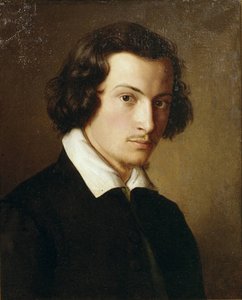
philipp veit
1793 - 1877 , Germany
Quick Facts
- Artistic Movement Or Style: Classicist & Rococo
- Artists Or Movements Influenced By This Artist: ['None specified']
- Artists Who Influenced This Artist:
- Hyacinthe Rigaud
- Nicolas de Largillière
- Date Of Birth: 15 July 1718
- Date Of Death: 5 July 1793
- Full Name: Alexander Roslin
- Nationality: Swedish
- Notable Artworks:
- Jeanne Sophie de Vignerot
- Portrait of Countess Pignatelli
- Place Of Birth: Malmö, Sweden
Related Articles

The Enduring Legacy of Oil on Canvas: Technique, History & Aesthetic Impact
Explore the rich history & techniques of oil painting – from Renaissance masters to Impressionism. Discover pigments, layering methods, and why this timeless medium endures. Expert insights for artists & art enthusiasts.
Ivan Bilibin: A Synthesis of Folklore, Modernism & National Identity in Russian Illustration
Explore the enchanting world of Ivan Bilibin, a master Russian illustrator who synthesized folklore, Art Nouveau & national identity. Discover his iconic fairy tale illustrations and legacy with ArtsDot.

Oil on Canvas: A Historical & Technical Exploration of a Timeless Artistic Medium
Explore the rich history & enduring techniques of oil painting on canvas. Discover the science behind its longevity, conservation practices, and contemporary relevance. Expert insights for art enthusiasts.
Victor Vasnetsov: Myth, Nationalism & the Revival of Russian Fairy Tale Painting
Explore the captivating world of Victor Vasnetsov, a co-founder of Russian folklorist painting. Discover his iconic works, influence on national identity, and lasting legacy in this expert guide.

The Enduring Power of Painting: A Historical & Contemporary Exploration of Form and Emotion
Explore the rich history & enduring techniques of oil painting with ArtsDot. Discover masterpieces, learn about art collecting, and find authentic handmade reproductions crafted by skilled artists.