

 Preview
 Send
Send Share
Share
 Details

 Download
 Similars
 X-Ray
X-Ray Diaporama
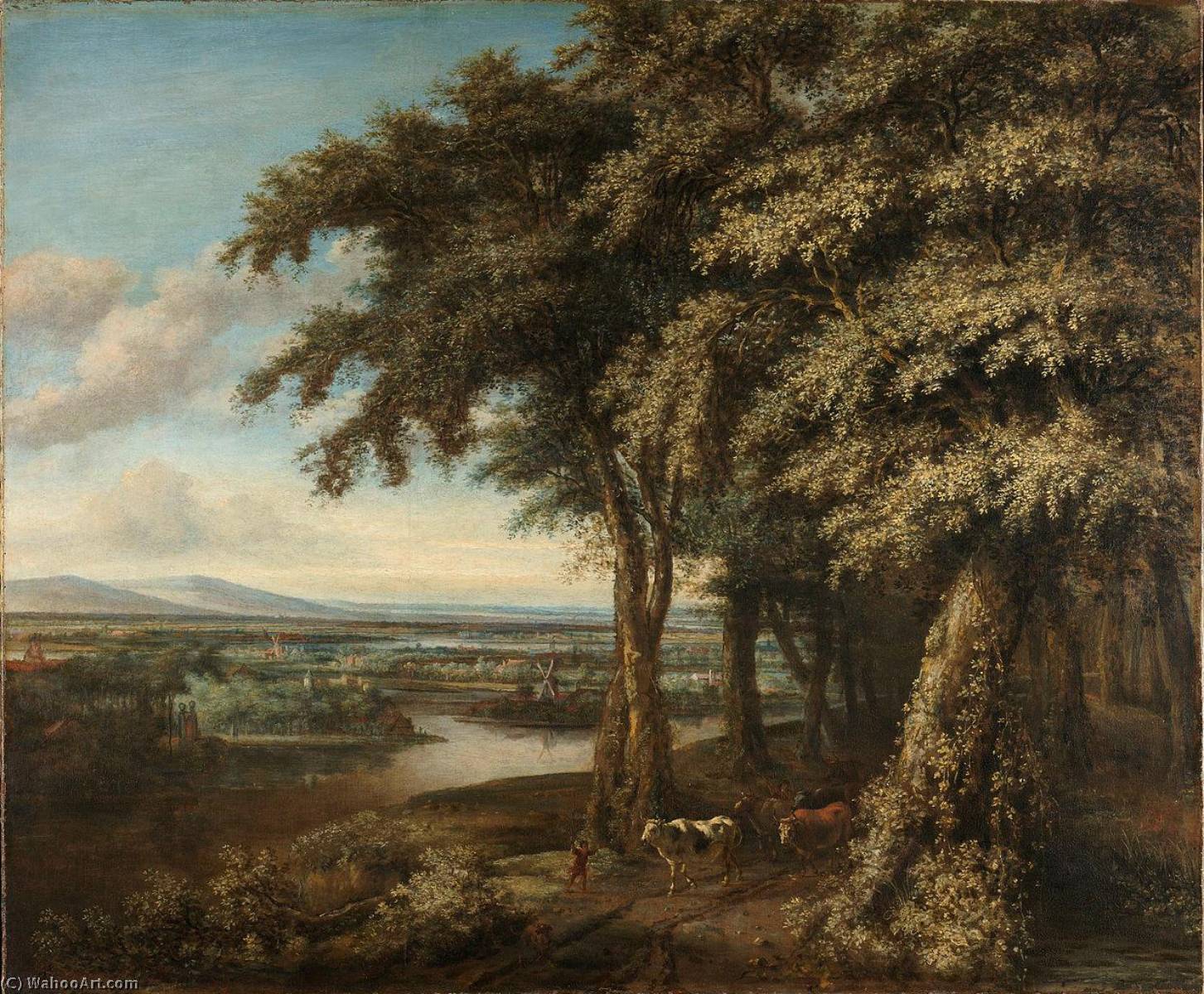
The Entrance to the Woods
 Oil On Canvas
- WallArt
- Baroque
 1688
1688- Early Modern
 138.0 x 166.0 cm
 Rijksmuseum Amsterdam
 Read More
Purchase a high-resolution, enhanced digital image, far superior to the online preview.
Each file is meticulously prepared by our in-house specialists using advanced tools and expert manual retouching. We ensure every image has exceptional clarity, precise color accuracy, and fine detail.
The final file is delivered via email within 72 hours, optimized for immediate use in professional, editorial, and print environments. This is the same quality trusted by top-tier design studios, publishers, and galleries.
Digital Image
Download a high-resolution file for personal display, printing, and creative projects. ( Buy Print Buy Hand Made Painting)
Included in Every Digital Image Order
Expert Digital Delivery, Guaranteed
When you choose ArtsDot.com, you're not just getting an image - you're receiving a professionally enhanced digital artwork, crafted with precision and backed by a satisfaction guarantee. Here's everything that comes with your order, automatically:

Fast Email Delivery
Your high-resolution digital image file will be emailed to you within 72 hours of ordering - ready for immediate use.

AI-Enhanced Digital File
Your artwork is professionally optimized using advanced AI tools and manual editing, ensuring maximum detail, clarity, and color accuracy.

Free Lifetime Re-Delivery
Accidentally deleted or lost your file? No worries - we'll resend it to you anytime, free of charge.

No Import Fees - Ever
Enjoy your artwork instantly with zero customs, duties, or delivery fees - digital downloads are always tax-free.

Color Accuracy Guarantee
We ensure your digital image reflects the original colors as closely as possible using professional tools and color management.

60-Day Satisfaction Guarantee
If you're not satisfied with your digital image, we'll revise it or refund 100% within 60 days - no questions asked.

100% Money-Back Guarantee
Not satisfied? Get a full refund within 60 days of receiving your digital file - no questions asked.

Bulk Order Discounts
Buy 3 images, save 10% - Buy 5, save 15% - Buy 10+, save 20%. Great for creative projects, galleries, and agencies.
Collectible Description
A Serene Passage into Nature's Embrace
To gaze upon Philips de Koninck’s depiction of The Entrance to the Woods is to step across an unseen threshold and leave the clamor of the world behind. This magnificent landscape, painted in 1688, is not merely a record of a forest scene; it is an invitation to tranquility. The composition unfolds with a breathtaking sense of depth, drawing the viewer's eye from the foreground, where grazing horses and scattered figures suggest leisurely passage, deep into the mysterious embrace of the woods beyond. De Koninck masterfully captures that quintessential Dutch Golden Age yearning for pastoral escape, presenting nature not as a backdrop, but as a living, breathing sanctuary.
Mastery of Light and Atmosphere
Technically, de Koninck’s genius shines through in his handling of light. The air itself seems palpable—a soft, diffused glow filtering through the canopy, illuminating patches of water and vibrant green grass. His technique allows for an almost photographic realism while retaining a painterly softness that speaks to the romanticism inherent in landscape art. Notice how the interplay between the open, sun-dappled areas near the water and the deeper shadows within the trees creates a profound sense of dimension. This atmospheric perspective is what gives the scene its enduring emotional resonance; it feels both grand in scale and intimately peaceful.
The Symbolism of the Woodland Gateway
Symbolically, the entrance to the woods has always represented transition—a passage from the known world into the unknown, or perhaps, a journey toward introspection. The presence of the horses, symbols of freedom and untamed spirit, alongside the casually strolling figures, suggests a harmonious coexistence between humanity and nature. It speaks to an idealized vision of life where man can find repose amidst the wild beauty. For the modern collector or designer, this piece offers more than mere decoration; it offers a visual balm, a focal point that promises moments of quiet contemplation.
A Timeless Vision for Any Interior
Whether adorning a grand hall seeking historical gravitas or lending serene depth to a private study, the scale and subject matter of this work make it remarkably versatile. The rich, earthy tones—the deep greens, the cool blues of the water, and the warm browns of the wood—provide an immediate connection to natural materials, grounding any interior space. Owning a reproduction of The Entrance to the Woods is acquiring a piece of Dutch artistic history that whispers tales of pastoral bliss, allowing you to curate not just your walls, but your very mood.
Related Artworks
Artist Biography
Philips de Koninck: A Panoramic Vision of the Dutch Landscape
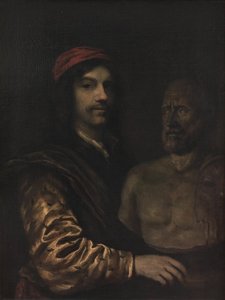
Philips de Koninck (1619–1688) stands as a prominent figure within the Dutch Golden Age, celebrated primarily for his expansive landscapes that capture the grandeur and subtlety of the Dutch countryside. Though relatively prolific compared to some contemporaries like Rembrandt or Rubens, his output remains modest—estimated at around 50 paintings—making him a somewhat enigmatic artist whose legacy is intertwined with scholarly debate regarding attribution and artistic lineage. Born in Amsterdam, de Koninck’s life was marked by considerable success as a businessman, residing on Reguliersgracht, where he cultivated an affluent lifestyle. Yet, his artistic endeavors appear to have been pursued largely independently, reflecting a dedication to craft rather than grand patronage projects.- Early Life and Training: Little is known definitively about de Koninck’s formative years. He apprenticed under Jacob Savery, a Flemish landscape painter who championed the Baroque style, absorbing influences from Rubens and Caravaggio—artists whose dramatic compositions and masterful use of light would undoubtedly shape his artistic sensibilities.
- Amsterdam Workshop and Artistic Style: De Koninck established his own workshop in Amsterdam, attracting students and fostering a collaborative environment. His landscapes are characterized by meticulous detail, capturing the textures of bark, foliage, and water with remarkable accuracy. Crucially, he employed atmospheric perspective—a technique pioneered by Rembrandt—to convey depth and realism, simulating the effects of sunlight filtering through trees and creating an illusion of distance.
Panoramic Views and Rembrandt’s Influence
De Koninck's landscapes are instantly recognizable for their monumental scale and breathtaking vistas. Unlike many artists of his time who favored smaller, more intimate scenes, he opted for panoramic compositions that aimed to immerse the viewer in the grandeur of the Dutch landscape—a deliberate choice reflecting the Baroque fascination with spectacle and conveying a sense of sublime beauty. His paintings frequently depict wooded areas bathed in golden light, capturing fleeting moments of atmospheric drama. The influence of Rembrandt is undeniable; his masterful use of chiaroscuro – the interplay between light and shadow – lends his canvases an emotional resonance that transcends mere visual representation. Consider ‘An Extensive Wooded Landscape’ (AQR46N), where the dappled sunlight illuminates the intricate details of the forest floor, mirroring Rembrandt's signature style.- Notable Works: Among his most celebrated paintings are ‘The Seamstress’ (AQR47J) and ‘The Shepherdess,’ both depicting rural figures against dramatic backgrounds. These works exemplify de Koninck’s ability to convey psychological depth alongside visual splendor.
- Attribution Disputes: De Koninck's oeuvre has been subject to considerable controversy regarding attribution. Many paintings attributed to Rembrandt have been conclusively proven to be executed by his nephew, Salomon de Koninck—a disciple who skillfully imitated Rembrandt’s style. This confusion underscores the challenges faced by art historians in establishing authorship and complicates our understanding of artistic innovation during the Golden Age.
Legacy and Historical Significance
Despite the attribution disputes surrounding his work, Philips de Koninck remains a significant contributor to Dutch landscape painting. His paintings are housed in museums across Europe—including the Rijksmuseum Amsterdam and Kunsthistorisches Museum Wien—testamentary to their enduring appeal. De Koninck’s landscapes stand as powerful embodiments of Baroque aesthetics, reflecting the era's preoccupation with grandeur, emotion, and the sublime. He solidified Rembrandt’s legacy by demonstrating how to translate dramatic lighting into a landscape genre, securing his place among the most influential artists of his time.- Further Exploration: For more information on Philips de Koninck's life and art, consult Art UK (
philips de koninck
1619 - 1688
Quick Facts
- Artistic Movement Or Style: Dutch Landscape Painting
- Artists Or Movements Influenced By This Artist: Baroque
- Artists Who Influenced This Artist: Rembrandt
- Date Of Death: 1688
- Full Name: Philips de Koninck
- Nationality: Dutch
- Notable Artworks:
- An Extensive Wooded Landscape
- The Seamstress
- Place Of Birth: Amsterdam, Netherlands

