 Preview
 Send
Send Share
Share
 Details

 Download
 Similars
 X-Ray
X-Ray Diaporama
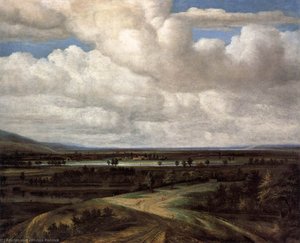
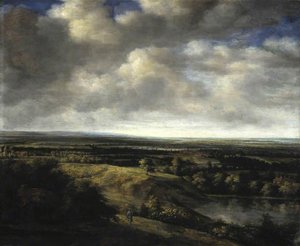
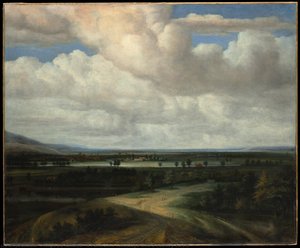
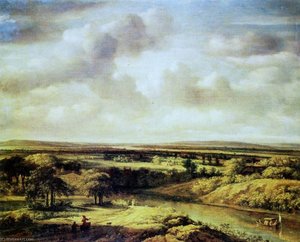
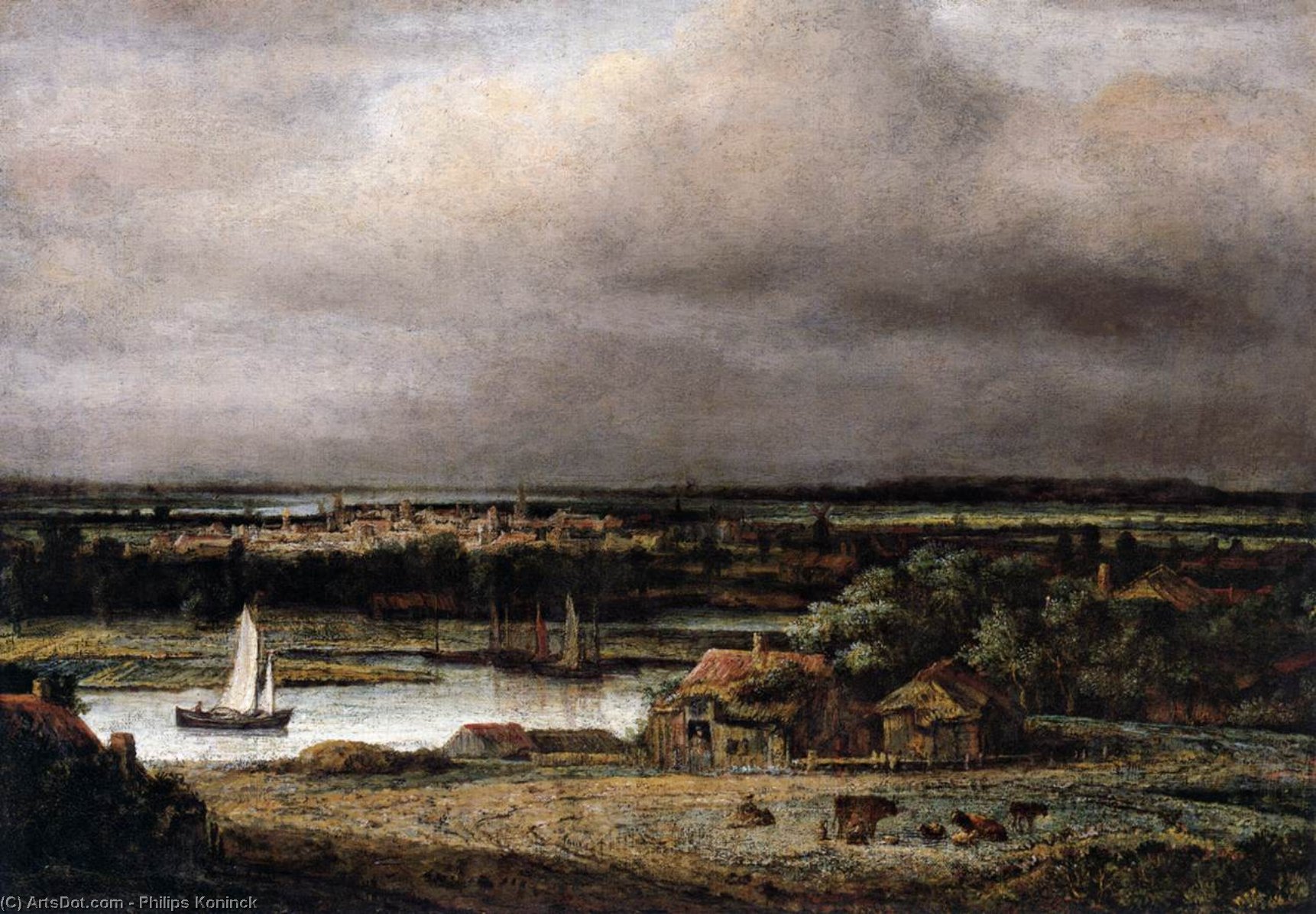
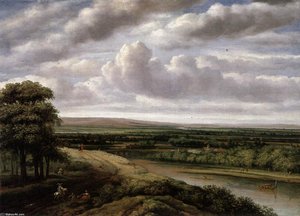
Wide River Landscape
 Oil On Canvas
- WallArt
- Dutch Golden Age
 1648
1648- Early Modern
 41.0 x 58.0 cm
 Metropolitan Museum of Art
 Read More
Hand Made Oil Reproduction
Hand-painted oil on canvas in your size and frame, made to order by our artists. ( Buy Print Buy Image)




P118B $10

P118H $10

P118W $10

P438Z $10

P508JH $12

P508YH $12

P805H $10

P805Z $10

P919BZ $10

P919G $10

P919XJ $10

P959ZH $10

P968JZ $12

W106C $8

W218G $10

W218JH $8

W218Y $10

W307PJ $10

W316G $10

W316PJ $8

W316Y $10

W398PJ $8

W4111J $10

W500HY $15

W500JH $15

W692G $12

W849H $8

W940BG $15

W953PJ $8




Pick from our preset sizes that match the artwork's original proportions.

You may enter your own dimensions to fit a specific frame or space. If your selected size does not match the original image's proportions, we will either crop the artwork or extend the painting with additional hand-painted elements. A digital mockup will be sent for your approval before production begins.
Please note that the on-screen preview does not reflect the actual cropping or extension. Only the mockup will accurately show the final composition.
While custom sizes are available, we recommend selecting a dimension from the predefined list to preserve the original proportions.
After order, ArtsDot.com team will email client for instructions and provide a mockup preview
Worldwide Delivery () in 3/4 weeks instead of standard 5 weeks. (17 August). No compromise on quality.

Free Worldwide Express Shipping

High-Quality Linen Canvas

Full Shipping Insurance

Customs Tax Refund Guarantee

True Color Matching Guarantee

60-Day Return Policy (Defects Only)

100% Money-Back Guarantee

Bulk Discount Offer
 Glass option is only available in size under 110 CM

Wide River Landscape
Reproduction Medium
Reproduction Size
-


Total Price
$ 263
Artwork Description
A Window into the Dutch Golden Age
In the quiet, sweeping vistas of Philips de Koninck’s Wide River Landscape, one finds more than just a depiction of water and earth; one encounters a profound meditation on the serenity of the seventeenth-century Dutch countryside. Painted in 1648, this exquisite oil on canvas serves as a breathtaking portal to an era defined by prosperity, meticulous observation, and a deep-seated connection to the land. As the eye wanders across the meandering river that dominates the foreground, there is an immediate sense of expansion, as if the boundaries of the frame have dissolved to reveal an infinite horizon. The composition masterfully employs atmospheric perspective, where the distant trees and structures soften into a gentle haze, inviting the viewer to lose themselves in the vastness of the scene.
The artistry of De Koninck is particularly evident in his sophisticated use of light and shadow. While the palette is anchored by comforting earth tones—rich ochres, deep umbers, and mossy greens—there is a subtle tension introduced by the overcast sky. This silvery, muted light reflects off the calm surface of the river, creating a rhythmic interplay between the warmth of the land and the cool, contemplative mood of the atmosphere. Such technical precision allows the artist to breathe life into the inanimate, making the stillness of the water feel heavy with history and the distant houses feel like silent witnesses to the passage of time.
The Harmony of Life and Nature
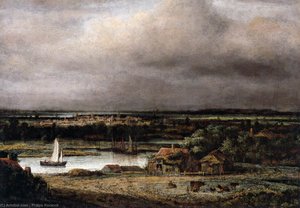
Beyond its technical brilliance, the painting captures a delicate balance between human presence and the natural world. The inclusion of small boats scattered along the riverbank and the faint outlines of dwellings nestled among the foliage adds a layer of narrative depth, suggesting a landscape that is not merely wild, but lived-in and cherished. These tiny details of life and activity provide a sense of scale and purpose, grounding the expansive view in the reality of Dutch daily existence during the Golden Age. It is a scene of quiet industry and peaceful coexistence, where the pulse of human endeavor beats softly against the enduring rhythm of the river.
For the discerning collector or interior designer, this masterpiece offers an unparalleled opportunity to introduce a sense of timeless tranquility into a contemporary space. The painting’s ability to evoke emotion—ranging from nostalgic warmth to a meditative stillness—makes it a versatile centerpiece for any curated collection. Whether placed in a sunlit gallery or a sophisticated study, the Wide River Landscape commands attention through its subtle elegance rather than through loud or jarring colors. It is an investment in atmosphere, providing a focal point that inspires reflection and brings the enduring beauty of the Dutch masters into the modern home.
Related Artworks
Artist Biography
Philips de Koninck: A Panoramic Vision of the Dutch Landscape
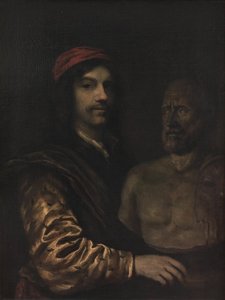
Philips de Koninck (1619–1688) stands as a prominent figure within the Dutch Golden Age, celebrated primarily for his expansive landscapes that capture the grandeur and subtlety of the Dutch countryside. Though relatively prolific compared to some contemporaries like Rembrandt or Rubens, his output remains modest—estimated at around 50 paintings—making him a somewhat enigmatic artist whose legacy is intertwined with scholarly debate regarding attribution and artistic lineage. Born in Amsterdam, de Koninck’s life was marked by considerable success as a businessman, residing on Reguliersgracht, where he cultivated an affluent lifestyle. Yet, his artistic endeavors appear to have been pursued largely independently, reflecting a dedication to craft rather than grand patronage projects.- Early Life and Training: Little is known definitively about de Koninck’s formative years. He apprenticed under Jacob Savery, a Flemish landscape painter who championed the Baroque style, absorbing influences from Rubens and Caravaggio—artists whose dramatic compositions and masterful use of light would undoubtedly shape his artistic sensibilities.
- Amsterdam Workshop and Artistic Style: De Koninck established his own workshop in Amsterdam, attracting students and fostering a collaborative environment. His landscapes are characterized by meticulous detail, capturing the textures of bark, foliage, and water with remarkable accuracy. Crucially, he employed atmospheric perspective—a technique pioneered by Rembrandt—to convey depth and realism, simulating the effects of sunlight filtering through trees and creating an illusion of distance.
Panoramic Views and Rembrandt’s Influence
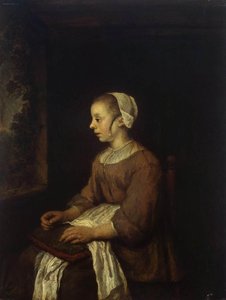
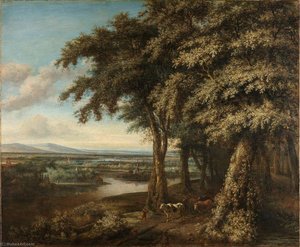
De Koninck's landscapes are instantly recognizable for their monumental scale and breathtaking vistas. Unlike many artists of his time who favored smaller, more intimate scenes, he opted for panoramic compositions that aimed to immerse the viewer in the grandeur of the Dutch landscape—a deliberate choice reflecting the Baroque fascination with spectacle and conveying a sense of sublime beauty. His paintings frequently depict wooded areas bathed in golden light, capturing fleeting moments of atmospheric drama. The influence of Rembrandt is undeniable; his masterful use of chiaroscuro – the interplay between light and shadow – lends his canvases an emotional resonance that transcends mere visual representation. Consider ‘An Extensive Wooded Landscape’ (AQR46N), where the dappled sunlight illuminates the intricate details of the forest floor, mirroring Rembrandt's signature style.- Notable Works: Among his most celebrated paintings are ‘The Seamstress’ (AQR47J) and ‘The Shepherdess,’ both depicting rural figures against dramatic backgrounds. These works exemplify de Koninck’s ability to convey psychological depth alongside visual splendor.
- Attribution Disputes: De Koninck's oeuvre has been subject to considerable controversy regarding attribution. Many paintings attributed to Rembrandt have been conclusively proven to be executed by his nephew, Salomon de Koninck—a disciple who skillfully imitated Rembrandt’s style. This confusion underscores the challenges faced by art historians in establishing authorship and complicates our understanding of artistic innovation during the Golden Age.
Legacy and Historical Significance
Despite the attribution disputes surrounding his work, Philips de Koninck remains a significant contributor to Dutch landscape painting. His paintings are housed in museums across Europe—including the Rijksmuseum Amsterdam and Kunsthistorisches Museum Wien—testamentary to their enduring appeal. De Koninck’s landscapes stand as powerful embodiments of Baroque aesthetics, reflecting the era's preoccupation with grandeur, emotion, and the sublime. He solidified Rembrandt’s legacy by demonstrating how to translate dramatic lighting into a landscape genre, securing his place among the most influential artists of his time.- Further Exploration: For more information on Philips de Koninck's life and art, consult Art UK (
philips de koninck
1619 - 1688
Quick Facts
- Artistic Movement Or Style: Dutch Landscape Painting
- Artists Or Movements Influenced By This Artist: Baroque
- Artists Who Influenced This Artist: Rembrandt
- Date Of Death: 1688
- Full Name: Philips de Koninck
- Nationality: Dutch
- Notable Artworks:
- An Extensive Wooded Landscape
- The Seamstress
- Place Of Birth: Amsterdam, Netherlands
Related Articles

Demandes Commerciales
APS ofrece reproducciones de bellas artes y encargos personalizados desde 2004. Confían en nosotros corporaciones, hoteles y coleccionistas selectos para obras de arte de calidad museística, servicio discreto y soluciones artísticas completas. ¡Póngase en contacto con nosotros para obtener un presupuesto personalizado!
Golden Light & Dutch Skies: Bringing the Magic of Dutch Golden Age Landscapes into Your Home
Transform your home with the breathtaking light of Dutch Golden Age landscapes. Discover how hand-painted oil reproductions of masterworks like Ruisdael and Vermeer bring timeless elegance, atmosphere, and soulful texture to modern interiors. Elevate your space with museum-quality art.
Nicolaes Berchem: Dutch Golden Age Pastoralism & the Evolution of Landscape Painting
Explore the captivating world of Nicolaes Berchem, a leading Dutch Golden Age painter. Discover his idyllic landscapes, masterful technique & lasting influence on art history. Learn more at ArtsDot.
Charles Leickert: Capturing the Dutch Golden Age Light – A Comprehensive Study of Technique, Context, and Legacy
Explore the captivating winter landscapes of Charles Leickert, a master of Dutch Golden Age light & atmosphere. Discover his techniques, symbolism, and lasting legacy – a comprehensive study for art enthusiasts and collectors.

Goya's Masterpieces: Explore 25 Iconic Paintings & Art Prints | ArtsDot
Delve into the world of Francisco Goya with ArtsDot. Explore 25 iconic paintings – from 'The Third of May' to his haunting Black Paintings. Discover the stories, techniques & emotions behind these Spanish masterpieces. Find museum-quality art reproductions for your home at ArtsDot.com!