 Preview
 Send
Send Share
Share
 Details

 Download
 Similars
 X-Ray
X-Ray Diaporama
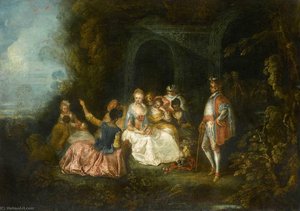
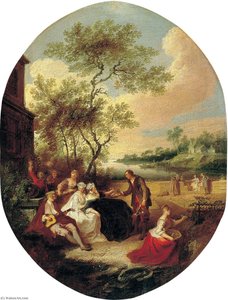
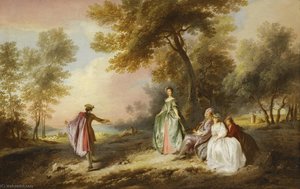
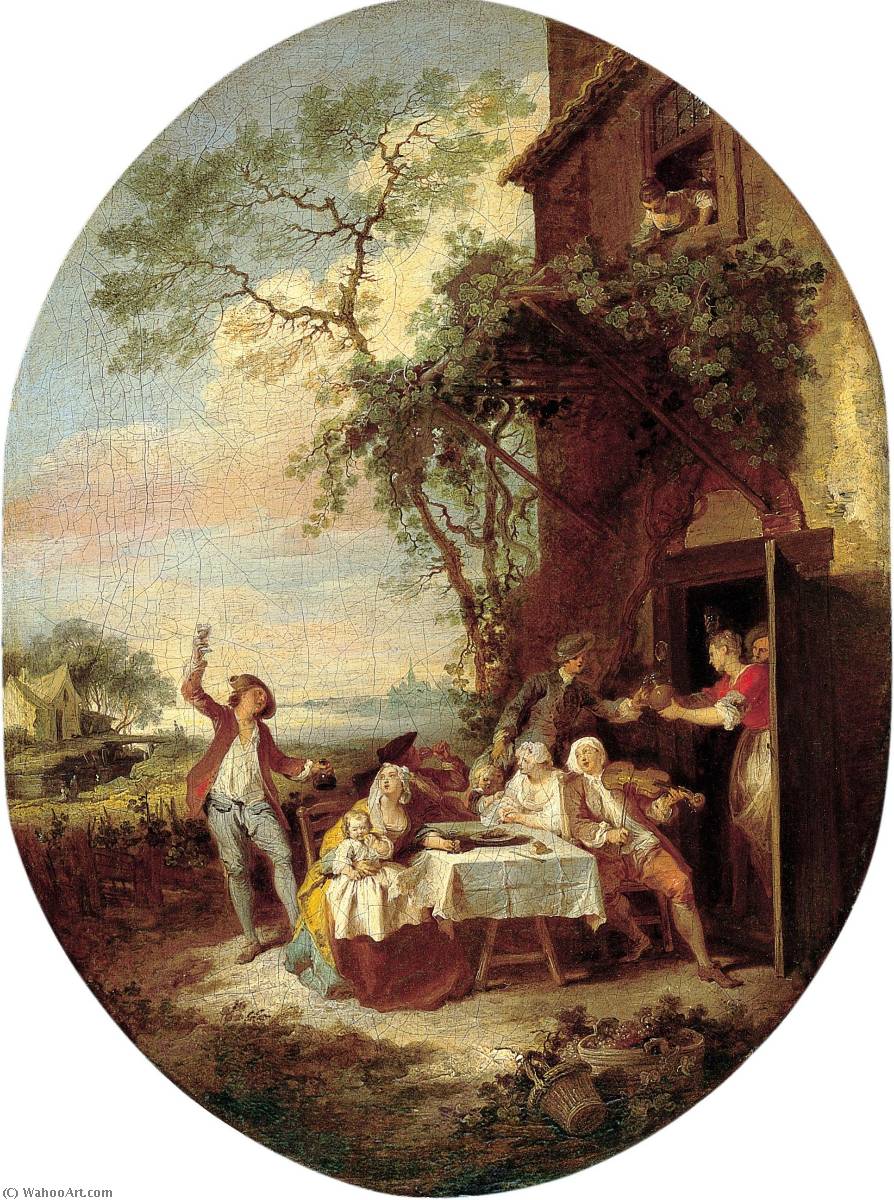
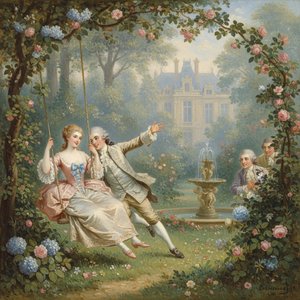
The Four Seasons 3, Autumn


 Read More
Giclée / Art Print
Museum-quality giclée or canvas print with fast production and flexible finish options. ( Buy Hand Made Painting Buy Image)




































Pick from our preset sizes that match the artwork's original proportions.

You may enter your own dimensions to fit a specific frame or space. If your selected size does not match the original image's proportions, we will either crop the artwork or extend the image with a mirrored or solid-fill edge. A digital mockup will be sent for your approval before production begins.
Please note that the on-screen preview does not reflect the actual cropping or extension. Only the mockup will accurately show the final composition.
While custom sizes are available, we recommend selecting a dimension from the predefined list to preserve the original proportions.
Worldwide Delivery () in 2 weeks instead of standard 4/5 weeks. (26 August)

Free Worldwide Express Shipping

High-Quality Linen Canvas

Full Shipping Insurance

Customs Tax Refund Guarantee

True Color Matching Guarantee

60-Day Return Policy (Defects Only)

100% Money-Back Guarantee

Bulk Discount Offer
 Glass option is only available in size under 110 CM

The Four Seasons 3, Autumn
Giclée / Art Print
Reproduction Size
-


Total Price
$ 63
Related Artworks
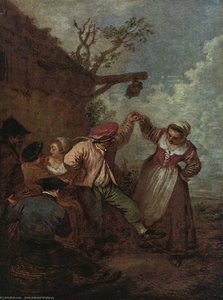
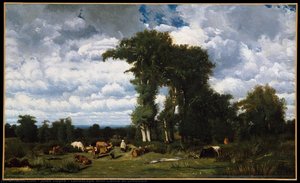
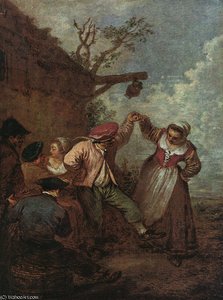
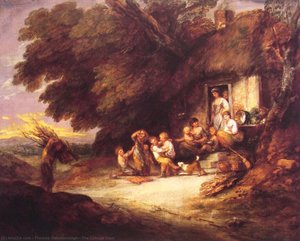

Artist Biography
The Echoes of Watteau’s Atelier
Pierre Antoine Quillard remains a figure shrouded in artistic mystery—a talent tragically cut short before achieving the renown he deserved. Despite the scarcity of definitive biographical details and the frustrating lack of a comprehensive catalogue raisonné, scholars have pieced together fragments of his life and career to illuminate his place within the vibrant Rococo landscape of eighteenth-century France. Born around 1700 in Paris, likely into a family involved in woodworking, Quillard’s early artistic inclinations were nurtured from a remarkably young age. Accounts suggest he began studying art under Antoine Watteau, the celebrated painter of fêtes galantes, though precise confirmation remains elusive. This formative influence is palpable throughout his oeuvre, where Quildard consistently sought to emulate Watteau's distinctive style—characterized by delicate brushstrokes, idealized landscapes, and an emphasis on capturing fleeting moments of aristocratic leisure.
The brilliance of his early talent was recognized almost immediately by the highest echelons of French society. When he was merely ten or eleven years old, his paintings were deemed such perfect copies of Watteau's style that Cardinal Fleury presented some to King Louis XV, who subsequently granted Quillard a pension. This royal recognition provided a foundation of support, yet his path toward academic glory was met with unexpected obstacles. His artistic journey was marked by repeated failures in securing the Prix de Rome, a prestigious scholarship awarded annually by the Académie Royale to promising young artists destined for study in Italy. Despite achieving second place in both 1724 and 1725, Quillard found himself unable to claim the top honor, a setback that may have redirected the course of his life toward the Iberian Peninsula.
A New Horizon in Portugal
Fate intervened decisively when Quillard accepted an invitation from Charles Frédéric de Merveilleux, a Swiss physician attached to the royal court in Lisbon. This position offered him invaluable experience working alongside Merveille0 on Flora, a monumental herbarium project intended to celebrate Portugal’s scientific achievements. Upon his arrival in Lisbon, the Crown Prince—later King Joseph I—awarded him a generous pension, signaling his growing importance within the Portuguese court. Quillard's transition from a French protégé to an international court painter was seamless, as he brought with him the refined elegance of the Rococo movement to a new and eager audience.
His appointment as Court Painter to King John V in 1727 marked the pinnacle of his professional recognition. His early assignments were grand in scale, including the decoration of ceilings in Queen Maria Anna's apartments. These works, though magnificent, suffered a tragic fate; they were ultimately destroyed during the devastating Lisbon earthquake of 1755. Beyond his decorative ceiling paintings, Quillard was also commissioned to illustrate publications issued by the Academia Portuguesa de História. His ability to blend scientific precision with artistic grace made him an ideal collaborator for the era's great intellectual and botanical endeavors.
Legacy and Artistic Contribution
Though his life ended prematurely on November 25, 1733, at the age of only thirty-three, Quillard left behind a legacy that bridged the gap between French Rococo elegance and Portuguese royal splendor. His work serves as a vital link in understanding how the aesthetic language of Watteau traveled across borders to influence the visual culture of Europe. To study his surviving works is to witness a master in the making, an artist who captured the ephemeral beauty of nature and the sophisticated grace of the aristocracy.
The breadth of his artistic output can be categorized through several key themes:
- Portraiture and Court Life: Capturing the dignity and fashion of the Portuguese and French nobility.
- Botanical Illustration: Contributing to the scientific advancement of the era through the Flora project.
- The Rococo Landscape: Emulating the dreamlike, pastoral settings popularized by his mentor, Antoine Watteau.
- Decorative Arts: Executing large-scale ceiling paintings and engravings that defined royal interiors.
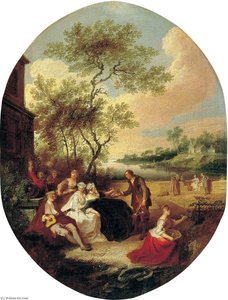
pierre antoine quillard
1700 - 1733
Quick Facts
- Artistic Movement Or Style: Rococo
- Artists Or Movements Influenced By This Artist: ['Louis XV of France']
- Artists Who Influenced This Artist: ['Antoine Watteau']
- Date Of Birth: c. 1700
- Date Of Death: 25 November 1733
- Full Name: Pierre Antoine Quillard
- Nationality: French
- Notable Artworks:
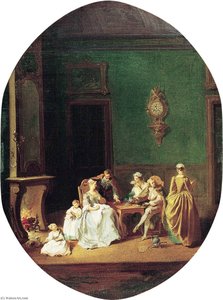
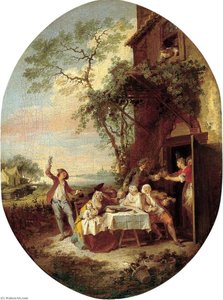
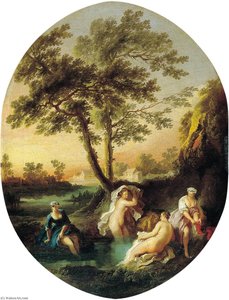
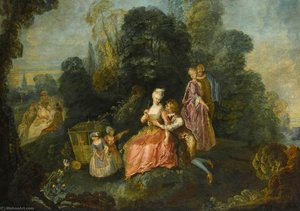
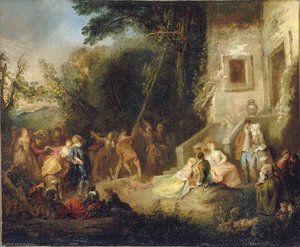
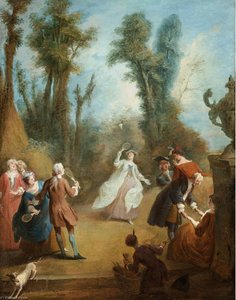
- The Four Seasons 3, Autumn
- The Four Seasons 2, Summer
- The Four Seasons 1, Spring
- Place Of Birth: Paris, France
Related Articles

Rococo's Radiant Legacy: 10 Masterpieces for Your Home |
Indulge in the elegance of Rococo! Explore 10 masterpieces by Fragonard, Boucher & Watteau. Discover the stories behind these iconic paintings and bring timeless art to your home with museum-quality reproductions from .

Romantic Landscapes: 10 Masterpieces for Your Home | ArtsDot
Journey through 10 Romantic landscape masterpieces by Friedrich, Turner & Cole. Explore emotional art, sublime nature scenes & iconic 19th-century paintings. Find museum-quality reproductions for your home at ArtsDot.com – discover the full collection online!

The Rococo Aesthetic: Opulence, Rebellion & the Pursuit of Pleasure in 18th-Century Art
Explore the opulent world of Rococo art! Discover its origins, key artists like Watteau & Boucher, and lasting influence on design. Expert insights for collectors & enthusiasts.

Evocations of Place: A Historical Journey Through Landscape Art
Explore the rich history of landscape art with ArtsDot. Discover renowned artists, movements like Impressionism & Romanticism, and expert guidance for collecting timeless pieces. Find your perfect serene escape today!
The Rococo Reverie of Fragonard: Love, Leisure & Pleasure in 18th-Century France
Explore the captivating world of Jean-Honoré Fragonard! Discover his Rococo masterpieces, intimate portraits & the allure of 18th-century French art. Learn about 'The Progress of Love' and more at ArtsDot.