 Preview
 Send
Send Share
Share
 Details

 Download
 Similars
 X-Ray
X-Ray Diaporama
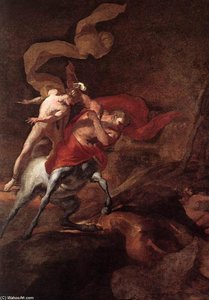
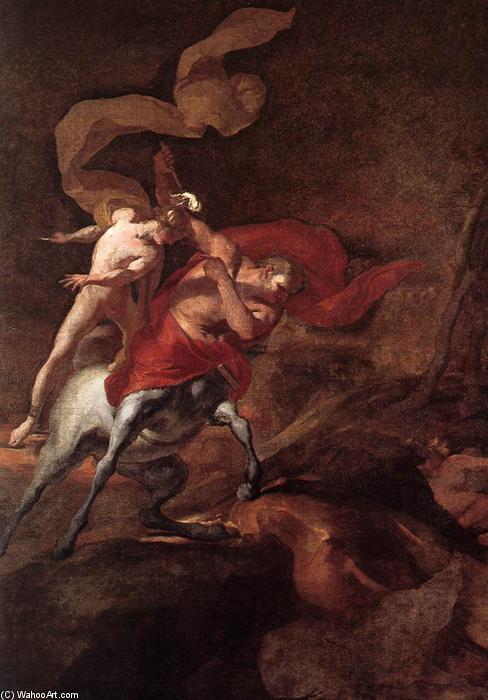
The Education of Achilles by Chiron


 Read More
Hand Made Oil Reproduction
Hand-painted oil on canvas in your size and frame, made to order by our artists. ( Buy Print Buy Image)




P118B $10

P118H $10

P118W $10

P438Z $10

P508JH $12

P508YH $12

P805H $10

P805Z $10

P919BZ $10

P919G $10

P919XJ $10

P959ZH $10

P968JZ $12

W106C $8

W218G $10

W218JH $8

W218Y $10

W307PJ $10

W316G $10

W316PJ $8

W316Y $10

W398PJ $8

W4111J $10

W500HY $15

W500JH $15

W692G $12

W849H $8

W940BG $15

W953PJ $8




Pick from our preset sizes that match the artwork's original proportions.

You may enter your own dimensions to fit a specific frame or space. If your selected size does not match the original image's proportions, we will either crop the artwork or extend the painting with additional hand-painted elements. A digital mockup will be sent for your approval before production begins.
Please note that the on-screen preview does not reflect the actual cropping or extension. Only the mockup will accurately show the final composition.
While custom sizes are available, we recommend selecting a dimension from the predefined list to preserve the original proportions.
After order, ArtsDot.com team will email client for instructions and provide a mockup preview
Worldwide Delivery () in 3/4 weeks instead of standard 5 weeks. (24 August). No compromise on quality.

Free Worldwide Express Shipping

High-Quality Linen Canvas

Full Shipping Insurance

Customs Tax Refund Guarantee

True Color Matching Guarantee

60-Day Return Policy (Defects Only)

100% Money-Back Guarantee

Bulk Discount Offer
 Glass option is only available in size under 110 CM

The Education of Achilles by Chiron
Reproduction Medium
Reproduction Size
-


Total Price
$ 263
Artwork Description
The Education of Achilles by Chiron
Pierre Puget’s “The Education of Achilles by Chiron,” completed in 1690 and currently residing at the Musée des Beaux-Arts in Marseille, France, stands as a testament to the enduring fascination with classical mythology and the masterful execution of Baroque art. More than just a depiction of a legendary tale—the story recounts how Chiron, the revered Centaur healer and teacher, imparted archery skills to the warrior Achilles—it’s an artwork brimming with symbolic resonance and imbued with a palpable sense of dramatic tension.
- Subject Matter: The painting portrays Achilles receiving instruction from Chiron regarding archery. This scene draws upon Homer's Iliad, cementing its place within Western artistic tradition.
- Style & Technique: Puget’s approach aligns perfectly with the Baroque aesthetic—characterized by dynamism, theatricality, and a masterful manipulation of light and shadow. Employing oil on canvas, he achieved remarkable realism through meticulous observation and painstaking detail. The artist skillfully utilized chiaroscuro to sculpt the figures against a dark background, emphasizing their physicality and conveying an emotional intensity that transcends mere representation.
The composition itself is carefully orchestrated. Chiron’s posture exudes movement as he gestures towards Achilles, demonstrating his guidance. Achilles responds with focused attention, holding the bow—a symbol of prowess and readiness for battle—reflecting the heroic ideal prevalent during Puget's time. The dark backdrop serves not merely as a visual device but actively contributes to the narrative by isolating the figures and amplifying their emotional impact.
- Historical Context: Painted in Marseille during the reign of Louis XIV, “The Education of Achilles” embodies the grandeur and moral seriousness of the French Baroque period. Puget’s work reflects the influence of Roman Baroque masters like Pietro da Cortona, who championed dramatic compositions and emotional expression.
- Symbolism: Chiron represents wisdom and mentorship—essential qualities for shaping a hero. The bow symbolizes Achilles' potential for victory but also underscores the importance of discipline and training.
Ultimately, Puget’s “The Education of Achilles” transcends its mythological subject matter to deliver a profound meditation on human development and virtue. It remains an inspiring exemplar of Baroque artistry—a captivating portrayal that continues to resonate with viewers centuries later.
Related Artworks


Artist Biography
Pierre Puget: A Life in Art and Engineering
- Born: Marseille, France (1620)
- Died: 1694
Early Life and Italian Influences
- Apprenticeship: Puget began his career at fourteen, carving ornaments for galleys built in Marseille. This early exposure to craftsmanship laid the foundation for his later artistic pursuits.
- Journey to Italy (1640): Seeking opportunities, he traveled to Italy, initially to Livorno and then Florence. He honed his skills as a woodcarver and painter.
- Rome and Pietro da Cortona: A pivotal moment arrived when he was taken under the wing of Pietro da Cortona in Rome. Puget assisted in painting elaborate ceilings at the Palazzo Barberini and Palazzo Pitti, absorbing the dynamism and grandeur of Roman Baroque art.
- Return to Marseille (1643): After three years in Italy, he returned to Marseille, bringing with him a refined artistic sensibility shaped by Italian masters.
Major Works and Artistic Development
- Early Commissions: Upon his return, Puget received commissions for paintings and altarpieces, demonstrating an evolving style influenced by Annibale Carracci and Rubens.
- Sculptural Breakthroughs: He increasingly focused on sculpture, creating works like the medallions for the stern of French warships, showcasing a growing mastery of form and detail.
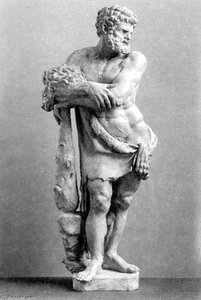
- Vaux-le-Vicomte (1660s): Nicolas Fouquet commissioned Puget to sculpt Hercules for his château at Vaux-le-Vicomte, marking a significant moment in his career and demonstrating the patronage of powerful figures.
- Genoa Period: Following Fouquet's downfall, Puget moved to Genoa, where he created notable works such as the “Hercule Gaulois” (Louvre) and sculptures for churches like Santa Maria di Carignano.
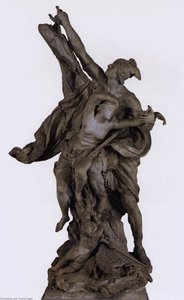
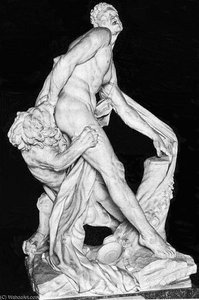
- Versailles Commissions: Colbert brought Puget back to France, leading to commissions for Versailles, including the celebrated groups of “Milo of Croton” and “Perseus and Andromeda.” These works are characterized by their dramatic intensity and expressive realism.
Style and Influences
- Baroque Drama: Puget’s style is firmly rooted in the Baroque tradition, emphasizing movement, emotion, and theatricality.
- Classical Inspiration: While embracing Baroque dynamism, his work also reveals an appreciation for classical forms and ideals.
- Michelangelo and Bernini: His sculptures show influences from Michelangelo's powerful figures and Bernini’s dynamic compositions.
- Unique Expression: Despite these influences, Puget developed a distinctive style marked by its raw energy and expressive intensity, setting him apart from more conventional Baroque artists.
Legacy and Historical Significance
- Bridging Art and Engineering: Puget’s ability to seamlessly blend artistic talent with engineering skills was unique. His work on naval architecture and fortifications demonstrates a practical ingenuity alongside his artistic achievements.
- A Tormented Genius: Théophile Gautier famously described him as the "melancholy emperor of convicts," reflecting the intensity and perhaps struggles inherent in his creative process.
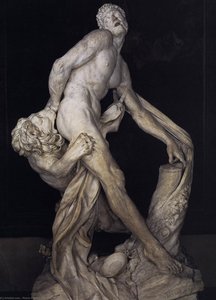
- Lasting Impact: Puget’s sculptures, particularly “Milo of Croton” and “Perseus and Andromeda,” remain iconic examples of French Baroque sculpture, admired for their expressive power and technical virtuosity.
- Recognition Today: His work is celebrated in museums worldwide, including the Louvre and Musée des Beaux-Arts de Marseille, solidifying his place as a significant figure in art history.
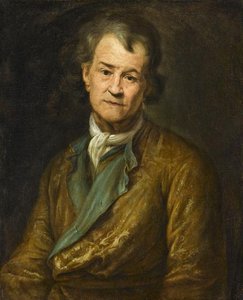
Pierre Puget
1620 - 1694 , France
Quick Facts
- Artistic Movement Or Style: Baroque
- Artists Who Influenced This Artist:
- Annibale Carracci
- Rubens
- Michelangelo
- Bernini
- Date Of Birth: 1620
- Date Of Death: 1694
- Full Name: Pierre Puget
- Nationality: French
- Notable Artworks:
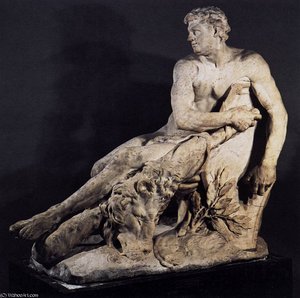
- Hercules at Rest
- The Faun terracotta
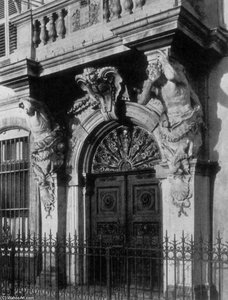
- Door of the Hôtel de Ville
- The Stoning of St Peter
- A Frigate at Sea
- Place Of Birth: Marseille, France
Related Articles
Renoir's Masterpieces: Explore 25 Iconic Paintings & Bring Art Home | ArtsDot
Explore 25 iconic Pierre-Auguste Renoir paintings! Discover the stories behind Impressionist masterpieces like 'Dance at Le Moulin de la Galette' & 'Luncheon of the Boating Party'. Find museum-quality art reproductions and elevate your home decor with ArtsDot.com.

Baroque Classicism: Reconciling Drama & Order in 17th-Century Art
Explore the captivating world of Baroque Classicism! Discover its history, key artists like Caravaggio & Rubens, and defining characteristics. Expert insights & high-quality reproductions at ArtsDot.

Baroque Drama: Bringing Opulence & Emotion into Contemporary Interiors
Explore the opulent world of Baroque interior design! Discover key elements, modern applications & how to bring dramatic elegance into your home with 's authentic reproductions.
Decoding Baroque Grandeur: A Guide to the Drama and Emotion of 17th-Century Art
Explore the breathtaking drama of 17th-century Baroque art. Our expert guide decodes the use of chiaroscuro, emotional intensity, and historical grandeur to help you appreciate and curate timeless masterpieces for your collection.

Baroque Masterpieces: 10 Paintings That Defined an Era |
Journey through the drama & grandeur of Baroque art! Explore 10 masterpieces by Caravaggio, Rembrandt, Rubens & more. Discover stunning oil paintings, rich colors & timeless stories. Find museum-quality reproductions at .