 Preview
 Send
Send Share
Share
 Details

 Download
 Similars
 X-Ray
X-Ray Diaporama
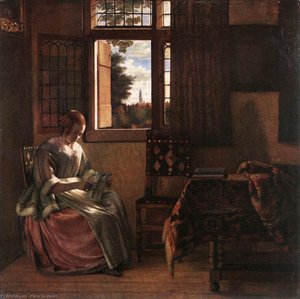
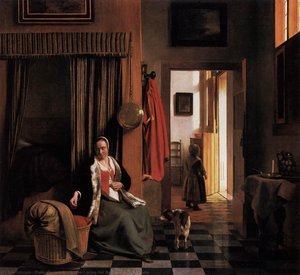
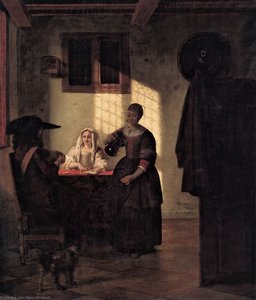
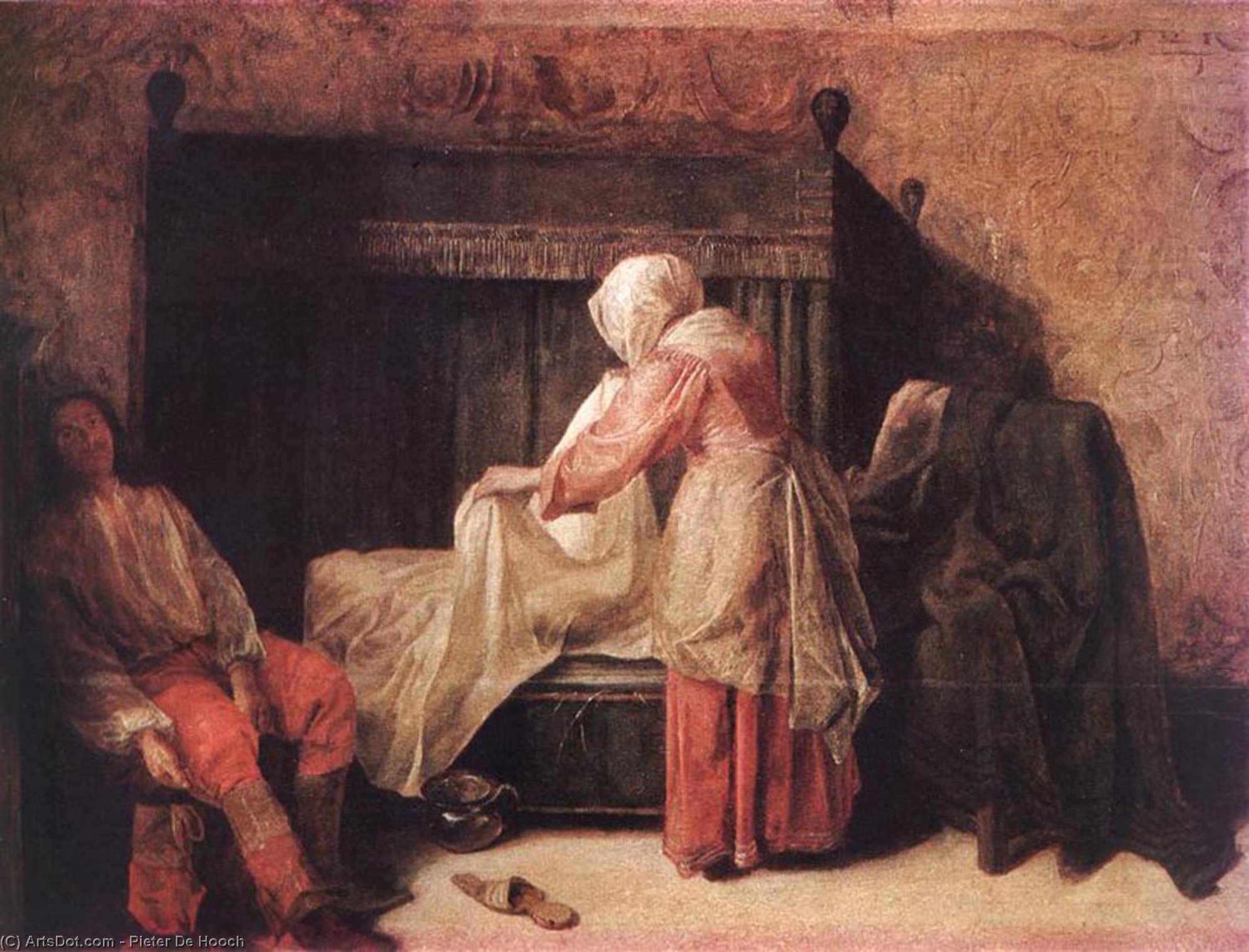
The Morning of a Young Man
 Acrylic On Canvas
- WallArt
- Dutch Golden Age
 40.0 x 53.0 cm
 Pushkin State Museum
 Read More
Giclée / Art Print
Museum-quality giclée or canvas print with fast production and flexible finish options. ( Buy Hand Made Painting Buy Image)




P118B $10

P118H $10

P118W $10

P438Z $10

P508JH $12

P508YH $12

P805H $10

P805Z $10

P919BZ $10

P919G $10

P919XJ $10

P959ZH $10

P968JZ $12

W106C $8

W218G $10

W218JH $8

W218Y $10

W307PJ $10

W316G $10

W316PJ $8

W316Y $10

W398PJ $8

W4111J $10

W500HY $15

W500JH $15

W692G $12

W849H $8

W940BG $15

W953PJ $8




Pick from our preset sizes that match the artwork's original proportions.

You may enter your own dimensions to fit a specific frame or space. If your selected size does not match the original image's proportions, we will either crop the artwork or extend the image with a mirrored or solid-fill edge. A digital mockup will be sent for your approval before production begins.
Please note that the on-screen preview does not reflect the actual cropping or extension. Only the mockup will accurately show the final composition.
While custom sizes are available, we recommend selecting a dimension from the predefined list to preserve the original proportions.
Worldwide Delivery () in 2 weeks instead of standard 4/5 weeks. (16 August)

Free Worldwide Express Shipping

High-Quality Linen Canvas

Full Shipping Insurance

Customs Tax Refund Guarantee

True Color Matching Guarantee

60-Day Return Policy (Defects Only)

100% Money-Back Guarantee

Bulk Discount Offer
 Glass option is only available in size under 110 CM

The Morning of a Young Man
Giclée / Art Print
Reproduction Size
-


Total Price
$ 63
Collectible Description
The Morning of a Young Man – A Dutch Golden Age Intimacy
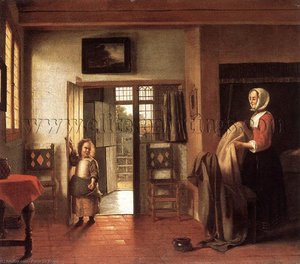
Pieter de Hooch’s “The Morning of a Young Man,” painted circa 1656, isn't merely a portrait; it’s a carefully constructed tableau of domesticity, grief, and the nascent stirrings of consciousness within the burgeoning middle class of 17th-century Delft. This intimate scene, rendered in de Hooch’s signature luminous style, captures a poignant moment – a young woman cradling her companion, likely a deceased brother or lover, amidst the quiet routine of a morning ritual. The painting immediately draws the viewer into its softly lit interior, a space both familiar and subtly unsettling, brimming with details that speak volumes about the lives depicted within. De Hooch’s masterful use of light, filtering through an open doorway and illuminating dust motes dancing in the air, creates a sense of hazy realism—a world observed rather than dramatically staged. The composition is deliberately restrained, focusing on the central figures while subtly hinting at the broader context of their existence.A Study in Light and Shadow – De Hooch’s Technique
De Hooch was renowned for his ability to capture fleeting moments of everyday life with an almost photographic precision, yet he never sacrificed artistic expression. “The Morning of a Young Man” exemplifies this skill perfectly. He employed a technique known as *chiaroscuro*, skillfully manipulating light and shadow to create depth and drama within the confined space. Notice how the light gently caresses the woman’s face and hands, drawing attention to her sorrowful expression, while leaving the background in a softer, more ambiguous state. The brushstrokes are delicate and layered, contributing to the painting's velvety texture and creating an illusion of tangible reality. De Hooch’s meticulous observation of detail—the folds of the fabric, the arrangement of objects on the bed, even the subtle expressions on the faces—demonstrates a deep understanding of his subject matter and a commitment to capturing the essence of human experience. The use of muted colors – predominantly browns, creams, and grays – further enhances the painting’s somber mood, reinforcing the theme of loss and remembrance.Symbolism Within the Domestic Scene
Beyond its immediate depiction of grief, “The Morning of a Young Man” is rich in symbolic meaning. The open doorway acts as a visual threshold, suggesting both closure – the deceased brother’s absence – and transition – the woman's journey through mourning. The bed, a central element of the composition, represents not just rest but also vulnerability and intimacy. The young man’s head resting on her lap is a gesture of comfort and support, highlighting the profound bond between them. The scattered objects—a book, a bowl, a pair of shoes—suggest a disrupted routine, reflecting the disruption caused by death. Even the placement of the figures within the room holds significance; they are positioned in a way that emphasizes their shared sorrow and mutual dependence. The inclusion of a simple, yet elegant chair against the wall speaks to the quiet dignity of mourning, suggesting a space for reflection and remembrance.A Reflection of Delft’s Golden Age – Context and Legacy
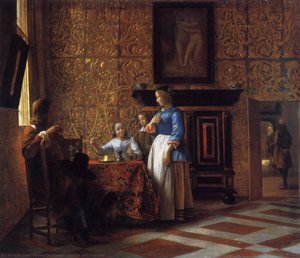
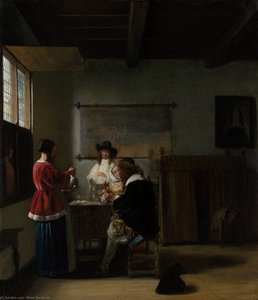
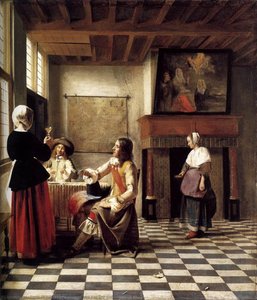
Painted during the height of the Dutch Golden Age, “The Morning of a Young Man” offers a glimpse into the social and cultural values of the time. The painting reflects the growing importance of the middle class—a group increasingly concerned with domestic comfort, refinement, and emotional expression. De Hooch’s focus on intimate scenes of everyday life was a departure from the grand historical or mythological subjects that dominated much of 17th-century art. His work captured the nuances of human relationships and the quiet dramas of ordinary lives, making him one of the most beloved artists of his era. His influence can be seen in later generations of Dutch painters, particularly in the development of genre painting and the exploration of domestic interiors. Reproductions of this piece continue to resonate with viewers today, offering a poignant reminder of the enduring power of art to capture human emotion and illuminate the complexities of life’s most profound experiences. The work stands as a testament to de Hooch's ability to transform simple moments into works of lasting beauty and emotional depth.Related Artworks

Artist Biography
early life and training
pieter de hooch, a prominent figure in the dutch golden age, was born on december 20, 1629, in rotterdam, netherlands. he was the eldest of five children to hendrick hendricksz de hooch, a bricklayer, and annetge pieters, a midwife. little is known about his early life, but it is believed that he worked in rotterdam, delft, and amsterdam. de hooch's artistic training took place in haarlem under the landscape painter nicolaes berchem, alongside jacob ochtervelt. this period laid the foundation for his future success as a painter of quiet domestic scenes with an open doorway.artistic style and themes
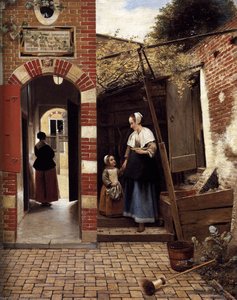
de hooch's work is characterized by its attention to detail, naturalism, and use of light. his paintings often featured everyday life, reflecting the values and aspirations of the emerging middle class. a notable example of this style is "the courtyard of a house in delft" (1658), which showcases his ability to capture the mundane details of everyday life. de hooch's work also shares themes and compositions with emanuel de witte, but his focus on people and their relationships sets him apart. this is evident in "woman nursing" (1658) and "woman with a baby on her lap" (1658), which demonstrate his interest in domestic scenes.notable works and legacy
some of de hooch's most notable works include:- "the merry drinker" (c. 1650)
- "cardplayers in a sunlit room" (1658)
- "a woman preparing bread and butter for a boy" (1661)
museums and collections
de hooch's work can be found in various museums, including the koninklijk museum voor schone kunsten in antwerp, belgium, which features a vast collection of european art from the 15th to the 20th centuries. discover more about pieter de hooch and his works on ArtsDot: [https://ArtsDot.com/@/pieter-de-hooch](https://ArtsDot.com/@/pieter-de-hooch) /en/art/show/art-d3b4kt-en/ (discover the masterpieces of koninklijk museum voor schone kunsten, belgium) note: the provided links are from ArtsDot and are relevant to the topic. no external links were added as per the instructions.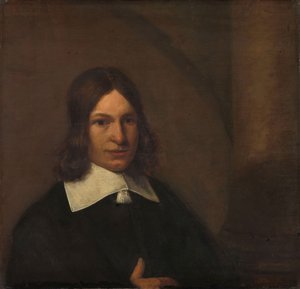
Pieter de Hooch
1629 - 1694 , Netherlands
Quick Facts
- Artistic Movement Or Style: Delft School, Dutch Golden Age
- Artists Or Movements Influenced By This Artist: ['Jan Vermeer']
- Artists Who Influenced This Artist: ['Nicolaes Berchem']
- Date Of Birth: December 20, 1629
- Full Name: Pieter Hendricksz de Hooch
- Nationality: Dutch
- Notable Artworks:
- The Empty Glass
- Woman Reading a Letter
- Cardplayers in a sunlit room
- A woman preparing bread and butter
- Place Of Birth: Rotterdam, Netherlands
Related Articles
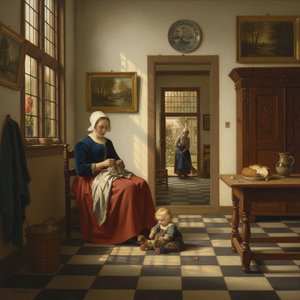
Pieter de Hooch: Illuminating Dutch Domestic Life & Golden Age Charm
Explore the captivating world of Pieter de Hooch, a master of Dutch Golden Age painting. Discover his innovative use of light, intimate domestic scenes, and lasting influence on art history. Learn more at ArtsDot.

Demandes Commerciales
APS ofrece reproducciones de bellas artes y encargos personalizados desde 2004. Confían en nosotros corporaciones, hoteles y coleccionistas selectos para obras de arte de calidad museística, servicio discreto y soluciones artísticas completas. ¡Póngase en contacto con nosotros para obtener un presupuesto personalizado!

Dutch Masters: 10 Golden Age Paintings That Still Inspire |
Journey into the Dutch Golden Age! Explore 10 iconic paintings by Rembrandt, Vermeer & Hals. Discover the stories behind these Baroque masterpieces and find museum-quality art reproductions to elevate your home decor on .

Golden Age Reflections: Dutch Baroque Painting & Cultural Innovation
Explore the Dutch Golden Age of painting! Discover key artists like Vermeer & ter Borch, their innovative techniques, and the rich cultural context behind these Baroque masterpieces. Learn about collecting & appreciating this iconic art period.
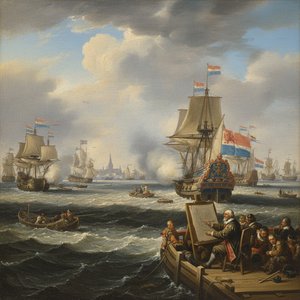
Willem van de Velde the Elder: Master of Maritime Painting & Chronicler of the Dutch Golden Age
Discover the captivating maritime paintings of Willem van de Velde the Elder, a master chronicler of the Dutch Golden Age. Explore his unparalleled realism and lasting influence on naval art history.