 Preview
 Send
Send Share
Share
 Details

 Download
 Similars
 X-Ray
X-Ray Diaporama
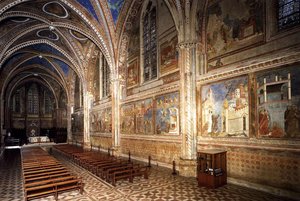
View of the south transept


 Read More
Hand Made Oil Reproduction
Hand-painted oil on canvas in your size and frame, made to order by our artists. ( Buy Print Buy Image)




P118B $10

P118H $10

P118W $10

P438Z $10

P508JH $12

P508YH $12

P805H $10

P805Z $10

P919BZ $10

P919G $10

P919XJ $10

P959ZH $10

P968JZ $12

W106C $8

W218G $10

W218JH $8

W218Y $10

W307PJ $10

W316G $10

W316PJ $8

W316Y $10

W398PJ $8

W4111J $10

W500HY $15

W500JH $15

W692G $12

W849H $8

W940BG $15

W953PJ $8




Pick from our preset sizes that match the artwork's original proportions.

You may enter your own dimensions to fit a specific frame or space. If your selected size does not match the original image's proportions, we will either crop the artwork or extend the painting with additional hand-painted elements. A digital mockup will be sent for your approval before production begins.
Please note that the on-screen preview does not reflect the actual cropping or extension. Only the mockup will accurately show the final composition.
While custom sizes are available, we recommend selecting a dimension from the predefined list to preserve the original proportions.
After order, ArtsDot.com team will email client for instructions and provide a mockup preview
Worldwide Delivery () in 3/4 weeks instead of standard 5 weeks. (22 August). No compromise on quality.

Free Worldwide Express Shipping

High-Quality Linen Canvas

Full Shipping Insurance

Customs Tax Refund Guarantee

True Color Matching Guarantee

60-Day Return Policy (Defects Only)

100% Money-Back Guarantee

Bulk Discount Offer
 Glass option is only available in size under 110 CM

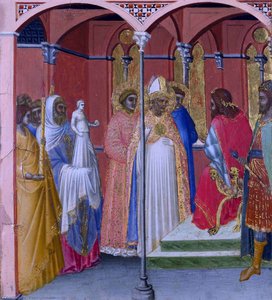
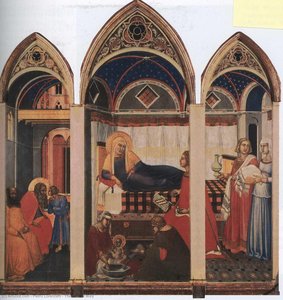
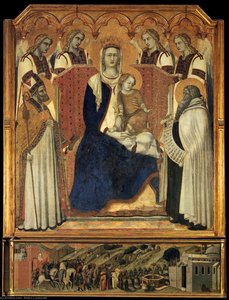
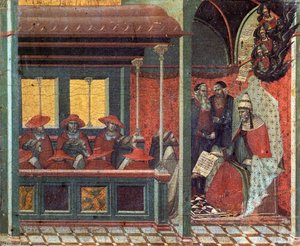
View of the south transept
Reproduction Medium
Reproduction Size
-


Total Price
$ 263
Artwork Description
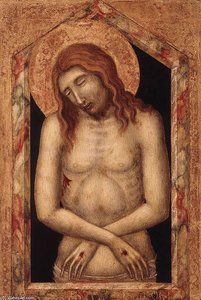
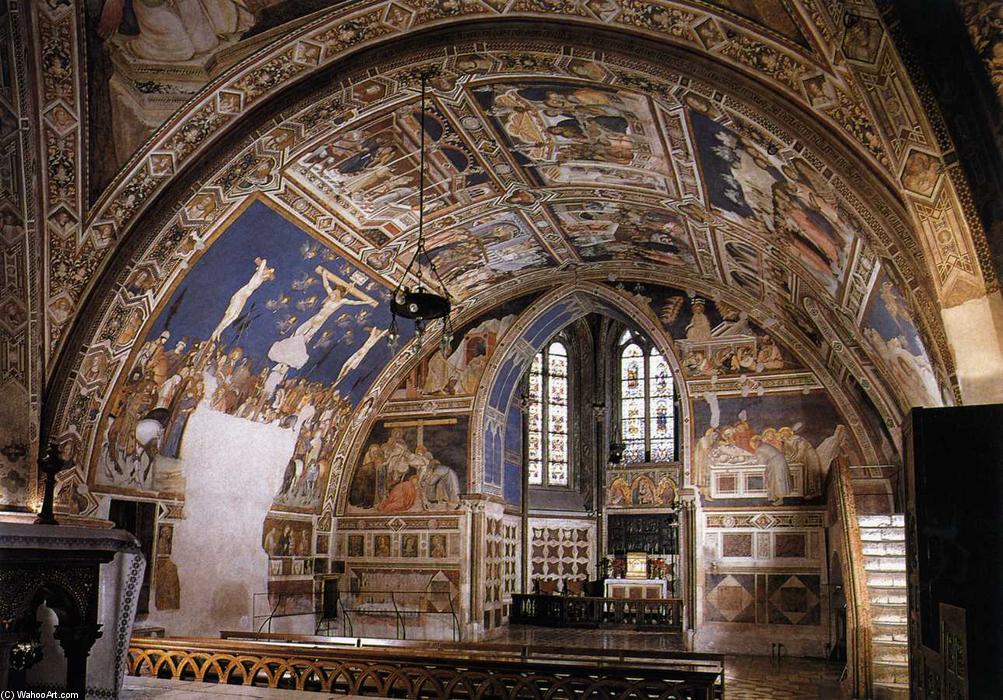
A Glimpse into Medieval Devotion: Pietro Lorenzetti's "View of the South Transept"
Step inside a world steeped in faith and artistry with Pietro Lorenzetti’s “View of the South Transept,” painted around 1320. This remarkable fresco, originally adorning the walls of Siena Cathedral, offers an unparalleled glimpse into the spiritual heart of medieval Italy. More than just architectural documentation, it's a vibrant tapestry woven from religious symbolism and innovative artistic techniques that foreshadowed the Renaissance. The work transports viewers to the south transept, showcasing the grandeur of Gothic architecture and the profound devotion it inspired.Gothic Majesty & Artistic Innovation
The scene is dominated by the soaring space of a Gothic cathedral. Notice the characteristic pointed arches and intricate ribbed vaults that define the architectural style. Lorenzetti masterfully utilizes these elements to create a sense of verticality, drawing the eye upwards towards the celestial realm depicted in the painted ceiling. This ceiling isn't merely decorative; it’s a vibrant panorama of blues and golds, populated with saints, angels, and representations of heavenly bodies – a visual manifestation of divine presence. The artist’s use of *fresco* technique—painting directly onto wet plaster—ensures the pigments become permanently bound to the wall, resulting in a remarkably durable and luminous image. Lorenzetti's departure from purely symbolic representation towards a more naturalistic depiction of space and form is evident here, marking a significant step toward Renaissance artistic principles.Symbolism & Sacred Space
Every element within the fresco carries symbolic weight. The benches in the foreground suggest the active role of worshippers in communal prayer. To the left, an altar adorned with religious statues and candles serves as the focal point for devotion. The large stained-glass window on the right isn't just a source of light; it filters the natural world into the sacred space, symbolizing divine illumination. The floor, rendered in stone or marble, reinforces the solemnity and permanence of the setting. Consider the overall composition: Lorenzetti doesn’t simply depict a room; he creates an immersive environment designed to inspire awe and reverence.Historical Context & Lorenzetti's Legacy
Painted during a period of significant artistic flourishing in Siena, “View of the South Transept” reflects the city’s wealth and patronage of the arts. Pietro Lorenzetti, alongside his brother Ambrogio, was instrumental in moving Sienese art away from Byzantine conventions towards greater naturalism. He drew inspiration from Giotto and Giovanni Pisano, but developed a unique style characterized by its spatial awareness and attempts at realistic representation—qualities that would profoundly influence later generations of artists. This fresco stands as a testament to Lorenzetti’s pioneering role in the transition from medieval to Renaissance art, showcasing his ability to blend religious narrative with innovative artistic techniques.Emotional Resonance & Timeless Beauty
“View of the South Transept” evokes a profound sense of quiet reverence and spiritual contemplation. The interplay of light and shadow, the vibrant colors, and the sheer scale of the composition create an atmosphere of awe-inspiring beauty. Whether you are drawn to its historical significance, artistic innovation, or emotional impact, this fresco offers a captivating window into the heart of medieval faith and artistry—a timeless masterpiece that continues to inspire and move viewers centuries later.Related Artworks
Artist Biography
Pietro Lorenzetti: Bridging Medieval Tradition and Renaissance Vision
Pietro Lorenzetti (c. 1280 – 1348) stands as a pivotal figure in Sienese art, marking the profound transition from Gothic formalism to the burgeoning humanist ideals of the early Renaissance. Born in the vibrant cultural landscape of Siena around 1280, Lorenzetti’s artistic journey unfolded during a period of significant intellectual and artistic transformation in Tuscany. While biographical details remain as elusive as the shadows in a twilight fresco—a common predicament for artists of his era—scholarly consensus points to formative influences from Duccio di Buoninsegna, Siena's celebrated maestro, and Simone Martini. The latter’s refined style profoundly shaped Lorenzetti’s aesthetic sensibilities, and evidence suggests he honed his craft alongside Martini, absorbing a meticulous attention to detail and an expressive use of color that would become hallmarks of his mature work.
Lorenzetti’s artistic style distinguishes itself through a remarkable embrace of three-dimensional spatial arrangements, a characteristic that foreshadowed the groundbreaking innovations of artists like Giotto di Bondone. Unlike the flatter, more decorative traditions of the high Middle Ages, Lorenzetti sought to pull the viewer into the sacred narrative. His paintings frequently employed luminous palettes, prioritizing naturalism and conveying profound emotional depth. This approach centered on capturing the essence of human experience with remarkable accuracy, reflecting the humanist spirit that was gaining momentum across Europe. By infusing religious iconography with a sense of tangible weight and psychological presence, he bridged the gap between the divine and the earthly.
Masterworks of Devotion and Drama
The breadth of Lorenzetti’s oeuvre reveals an artist capable of both intimate tenderness and monumental grandeur. His depictions of the Virgin and Child serve as serene meditations on motherhood and divine grace, utilizing a warm palette to create an atmosphere of quiet sanctity. In these works, the connection between Mary and Jesus is rendered with a soft, human intimacy that invites the faithful into a personal moment of worship. Conversely, his ability to command scale and drama is evident in much more harrowing subjects. His Crucifixion scenes and depictions such as the Man of Sorrow offer poignant portray and visceral portrayals of suffering and sacrifice, utilizing sharp contrasts and emotive gestures to stir the soul of the observer.
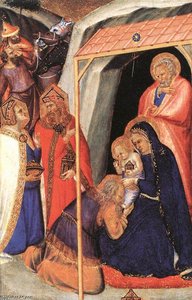
Beyond individual figures, Lorenzetti excelled in complex narrative compositions that utilized architectural depth to tell theological stories. His Adoration of the Magi is a quintessential Proto-Renaissance masterpiece, showcasing a vibrant scene of biblical reverence filled with stunning detail and rich, jewel-like colors. Furthermore, his monumental frescoes, such as The Last Judgment, powerfully communicate complex theological concepts through dramatic visual storytelling, utilizing the vastness of the medium to overwhelm and inspire the viewer with the scale of divine justice.
Legacy and Historical Significance
The historical significance of Pietro Lorenzetti cannot be overstated. He was not merely a successor to the Sienese masters but a precursor to the Renaissance revolution. His meticulous observation of nature, combined with an evolving understanding of human emotion and spatial depth, established him as a cornerstone of Sienese artistic heritage. His influence extended far beyond the walls of Siena, inspiring subsequent generations of artists to pursue a more naturalistic and psychologically complex representation of the world.
Through his work, we witness the following enduring contributions to art history:
- Spatial Innovation: The introduction of three-dimensional depth within a traditionally two-dimensional medium.
- Humanist Naturalism: A shift toward portraying sacred figures with recognizable human emotions and physical presence.
- Narrative Complexity: The use of detailed, multi-layered compositions to convey profound religious and social truths.
- Sienese Excellence: The refinement of the Sienese school's characteristic use of color and light, blending it with structural weight.
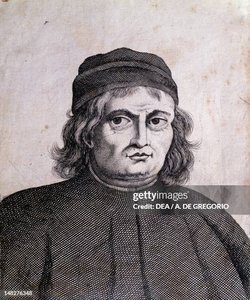
Pietro Lorenzetti
1280 - 1348 , Italy
Quick Facts
- Artistic Movement Or Style: Early Renaissance
- Artists Or Movements Influenced By This Artist: ['Renaissance']
- Artists Who Influenced This Artist:
- Duccio
- Simone Martini
- Giotto
- Date Of Birth: c.1280
- Date Of Death: 1348
- Full Name: Pietro Lorenzetti
- Nationality: Italian
- Notable Artworks:
- Virgin Mary
- Christ Crucified
- Last Judgment
- Place Of Birth: Siena, Italy
Related Articles

The Fresco as Family Legacy: Preserving Heritage Through Wall Art
Explore the rich history & enduring legacy of fresco painting. Discover how to preserve family heritage through stunning wall art. Expert insights & restoration guidance.

The Enduring Legacy of Fresco: Technique, History & Artistic Expression Across Cultures
Explore the rich history & enduring legacy of fresco painting! Discover ancient techniques, Giotto's masterpieces, and modern applications. Expert insights for art lovers & professionals.

The Enduring Legacy of Fresco Painting: Techniques, History & Contemporary Relevance
Explore the rich history & enduring artistry of fresco painting – from Giotto to Michelangelo! Discover techniques, conservation efforts, & modern applications. Learn how ArtsDot brings this timeless art form to your home.
The Enduring Legacy of Fresco: Technique, History & Artistic Expression
Explore the rich history & enduring artistry of fresco painting. Discover techniques from Giotto to Michelangelo, conservation efforts, & modern applications. Learn how ArtsDot brings this timeless art form to your home.

Art That Lives With You: The Emotional Power of a Custom Interior Fresco
Discover the emotional power & timeless beauty of custom interior frescoes. Explore history, design tips & expert guidance from – creating lasting legacies.
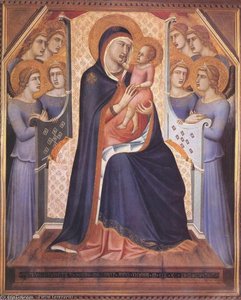

![Madonna and Child, with the Blessing Christ [middle panel]](/media/artworks/images-thumb/77/88/7788e6d9fa683a3079c17a71c8d4ef6c.jpg)