 Preview
 Send
Send Share
Share
 Details

 Download
 Similars
 X-Ray
X-Ray Diaporama
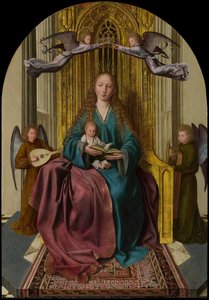
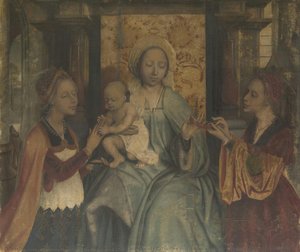
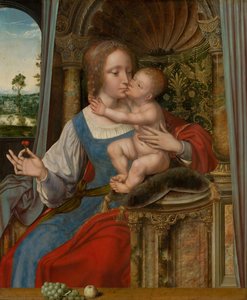
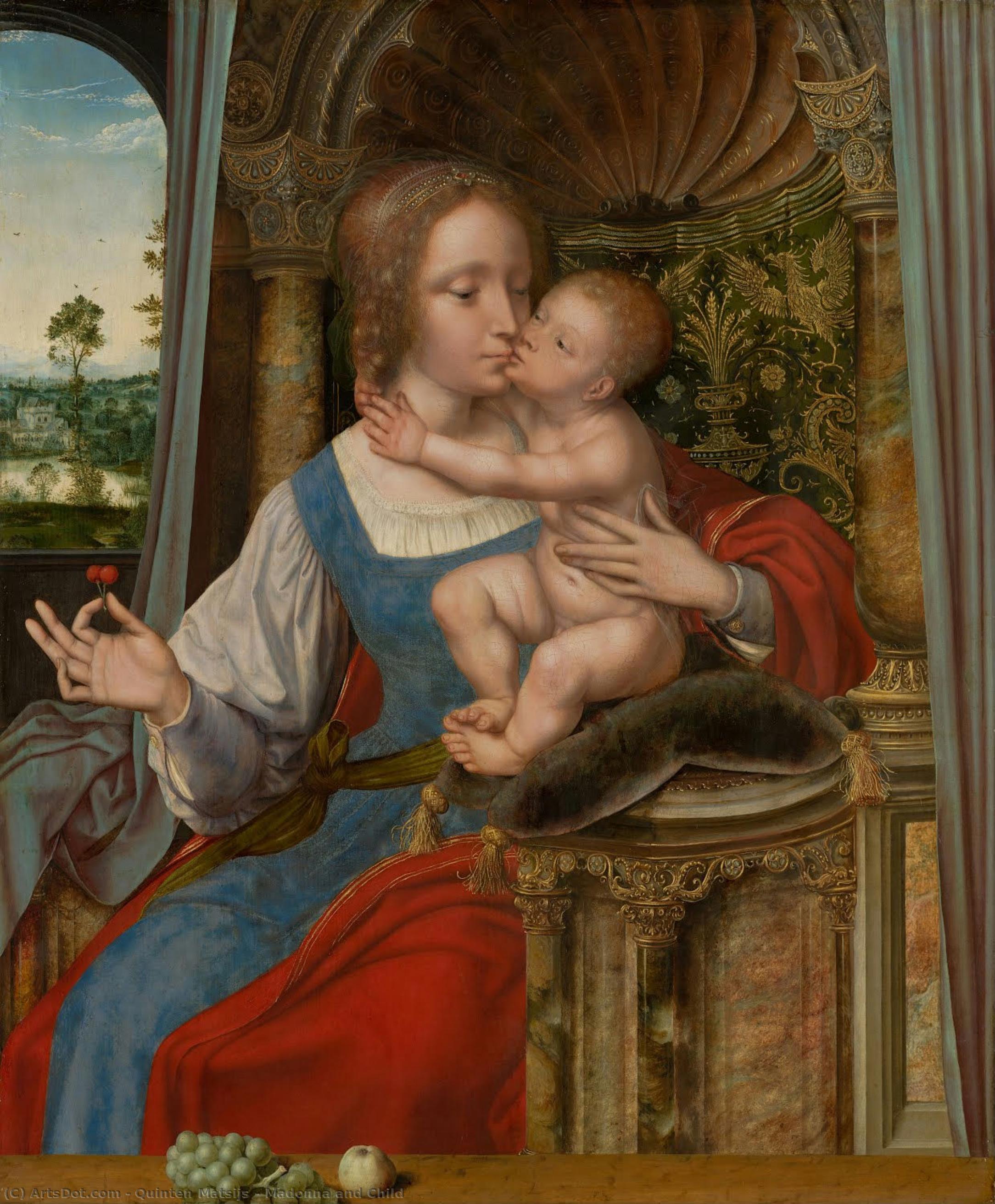
Madonna and Child
 Oil On Canvas
- WallArt
- High Renaissance
 1530
1530- Renaissance
 75.0 x 63.0 cm
 Mauritshuis
 Read More
Hand Made Oil Reproduction
Hand-painted oil on canvas in your size and frame, made to order by our artists. ( Buy Print Buy Image)




P118B $10

P118H $10

P118W $10

P438Z $10

P508JH $12

P508YH $12

P805H $10

P805Z $10

P919BZ $10

P919G $10

P919XJ $10

P959ZH $10

P968JZ $12

W106C $8

W218G $10

W218JH $8

W218Y $10

W307PJ $10

W316G $10

W316PJ $8

W316Y $10

W398PJ $8

W4111J $10

W500HY $15

W500JH $15

W692G $12

W849H $8

W940BG $15

W953PJ $8




Pick from our preset sizes that match the artwork's original proportions.

You may enter your own dimensions to fit a specific frame or space. If your selected size does not match the original image's proportions, we will either crop the artwork or extend the painting with additional hand-painted elements. A digital mockup will be sent for your approval before production begins.
Please note that the on-screen preview does not reflect the actual cropping or extension. Only the mockup will accurately show the final composition.
While custom sizes are available, we recommend selecting a dimension from the predefined list to preserve the original proportions.
After order, ArtsDot.com team will email client for instructions and provide a mockup preview
Worldwide Delivery () in 3/4 weeks instead of standard 5 weeks. (16 August). No compromise on quality.

Free Worldwide Express Shipping

High-Quality Linen Canvas

Full Shipping Insurance

Customs Tax Refund Guarantee

True Color Matching Guarantee

60-Day Return Policy (Defects Only)

100% Money-Back Guarantee

Bulk Discount Offer
 Glass option is only available in size under 110 CM

Madonna and Child
Reproduction Medium
Reproduction Size
-


Total Price
$ 288
Artwork Description
A Vision of Sacred Intimacy: Madonna and Child
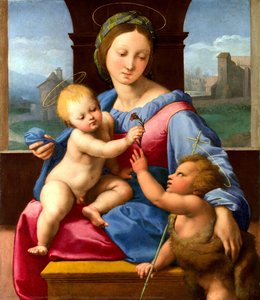
To gaze upon this depiction of the Madonna and Child is to step directly into the hushed reverence of the High Renaissance. It is more than just a portrait; it is a profound meditation on maternal love, divine connection, and enduring devotion. The composition centers with breathtaking tenderness on the Virgin Mary cradling the infant Jesus. Her posture speaks of serene acceptance, while the gentle interaction—the kiss upon her cheek from the Christ Child—captures a moment so fleeting, so utterly perfect, that it seems suspended outside the rush of time itself. This painting invites the viewer not merely to observe, but to participate in a sacred, quiet exchange.
Mastery of Light and Form: Technique and Style
The technical brilliance evident in this work is astounding. The artist employed meticulous layering, or glazing, characteristic of the period's finest oil painting traditions. This technique allows the light to penetrate the surface, giving the skin tones and rich draperies a luminous, almost ethereal quality. Observe how the single, directional light source, originating from the upper left, sculpts the forms, casting soft shadows that give weight and dimension to Mary’s voluminous robes and the delicate features of Jesus. While the overall structure utilizes geometric stability—the throne, the defined folds of fabric—the artist masterfully balances this structure with a palpable sense of organic life, making the figures feel both monumental and intimately real.
Symbolism Woven into the Canvas
Every element within this scene seems imbued with symbolic meaning. The small, vibrant red strawberry held in Mary’s hand is not merely an accessory; it whispers tales of innocence and burgeoning fertility. Conversely, the tender kiss exchanged between mother and son speaks volumes about unconditional love and divine covenant. Furthermore, the background landscape, receding into distant buildings and trees, anchors this sacred moment within a recognizable, yet idealized, world—a common Renaissance device that grounds the miraculous in the tangible reality of human experience.
Historical Echoes and Emotional Resonance
Dating to 1530, this piece stands at the zenith of early Netherlandish influence, reflecting the deep piety and detailed naturalism prized by patrons of the era. The style speaks to a period where religious devotion was inextricably linked with artistic perfection. For the modern collector or decorator, owning a reproduction of such a work is acquiring not just an object, but a conduit to that profound sense of peace and reverence. It possesses an emotional gravity—a quiet assurance—that transforms any space it graces into one of contemplation and enduring beauty.
A Timeless Presence for Your Sanctuary
The rich palette, dominated by deep blues, warm reds, and earthy browns, ensures that this artwork harmonizes beautifully within richly decorated interiors while simultaneously serving as a breathtaking focal point. Whether adorning a chapel, a formal drawing-room, or a personal sanctuary, the Madonna and Child offers an immediate sense of calm and elevated taste. It is a piece designed to be contemplated, its narrative depth rewarding close study and repeated viewing.
Related Artworks

Artist Biography
**early life and training**
quinten matsijs, a prominent figure in the early netherlandish tradition, was born in leuven, belgium, in 1466. according to tradition, matsijs began his career as an ironsmith before transitioning to painting, although this aspect of his life remains somewhat speculative.**artistic career and contributions**
active in antwerp for over two decades, quinten matsijs produced numerous works characterized by their religious undertones and satirical inclinations. his contributions to the early netherlandish art movement are significant, earning him recognition as the founder of the antwerp school of painting. this school would later become a dominant force in flemish art during the 16th century.**notable works and innovations**
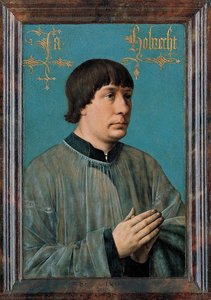
- **the virgin and child with saints catherine and barbara**: a masterpiece showcasing matsijs' skill in blending religious themes with subtle moral undertones. - **jacob obrecht**: a portrait of the renowned choirmaster, exemplifying matsijs' ability to capture the essence of his subjects.**legacy and influence**
matsijs introduced new techniques and motifs to the early netherlandish tradition, paving the way for future generations of artists. his influence can be seen in the works of later flemish painters who built upon his innovations.- key contribution: founding the antwerp school of painting, which became a cornerstone of flemish art in the 16th century.
- notable museums featuring his work: the koninklijk museum voor schone kunsten in antwerp, belgium, houses several of matsijs' masterpieces, offering a glimpse into his artistic genius.
- view more of quinten matsijs' art: explore [ArtsDot.com's collection](https://ArtsDot.com/@/quinten-matsijs) for an in-depth look at his works and the early netherlandish art movement.
**conclusion**
quinten matsijs's legacy is a testament to his enduring impact on flemish painting. through his innovative approach, he not only defined the antwerp school but also influenced the broader landscape of northern renaissance art. his works continue to inspire and intrigue, offering a window into the artistic and cultural nuances of 15th-century flanders.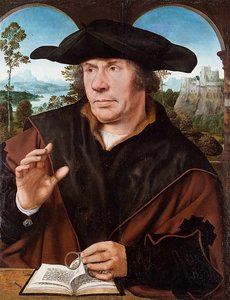
quinten matsijs
1466 - 1530 , Belgium
Quick Facts
- Artistic Movement Or Style: Early Renaissance
- Artists Or Movements Influenced By This Artist: ['Michelangelo']
- Artists Who Influenced This Artist:
- Lorenzo Ghiberti
- Filippo Brunelleschi
- Date Of Birth: c. 1386
- Date Of Death: 1466
- Full Name: Donato di Niccolò di Betto Bardi
- Nationality: Italian
- Notable Artworks:
- Saint George
- David (bronze)
- Equestrian Monument Gattamelata
- Place Of Birth: Florence, Italy
Related Articles

The Enduring Legacy of Oil on Canvas: Technique, History & Aesthetic Impact
Explore the rich history & techniques of oil painting – from Renaissance masters to Impressionism. Discover pigments, layering methods, and why this timeless medium endures. Expert insights for artists & art enthusiasts.

Oil on Canvas: A Historical & Technical Exploration of a Timeless Artistic Medium
Explore the rich history & enduring techniques of oil painting on canvas. Discover the science behind its longevity, conservation practices, and contemporary relevance. Expert insights for art enthusiasts.

The Enduring Power of Painting: A Historical & Contemporary Exploration of Form and Emotion
Explore the rich history & enduring techniques of oil painting with ArtsDot. Discover masterpieces, learn about art collecting, and find authentic handmade reproductions crafted by skilled artists.

The Enduring Legacy of Oil on Canvas: Technique, History & Contemporary Practice
Explore the rich history & enduring techniques of oil painting on canvas. Discover the science behind its longevity, conservation practices, and contemporary relevance. Expert insights for art enthusiasts.
The Enduring Legacy of Oil Paint: Technique, History & Emotional Resonance in Western Art
Explore the rich history & techniques of oil painting! Discover Renaissance masters, scientific principles behind color, and emotional resonance in art. Learn about glazing, layering, and atmospheric perspective – a guide for enthusiasts & collectors.