

 Preview
 Send
Send Share
Share
 Details

 Download
 Similars
 X-Ray
X-Ray Diaporama
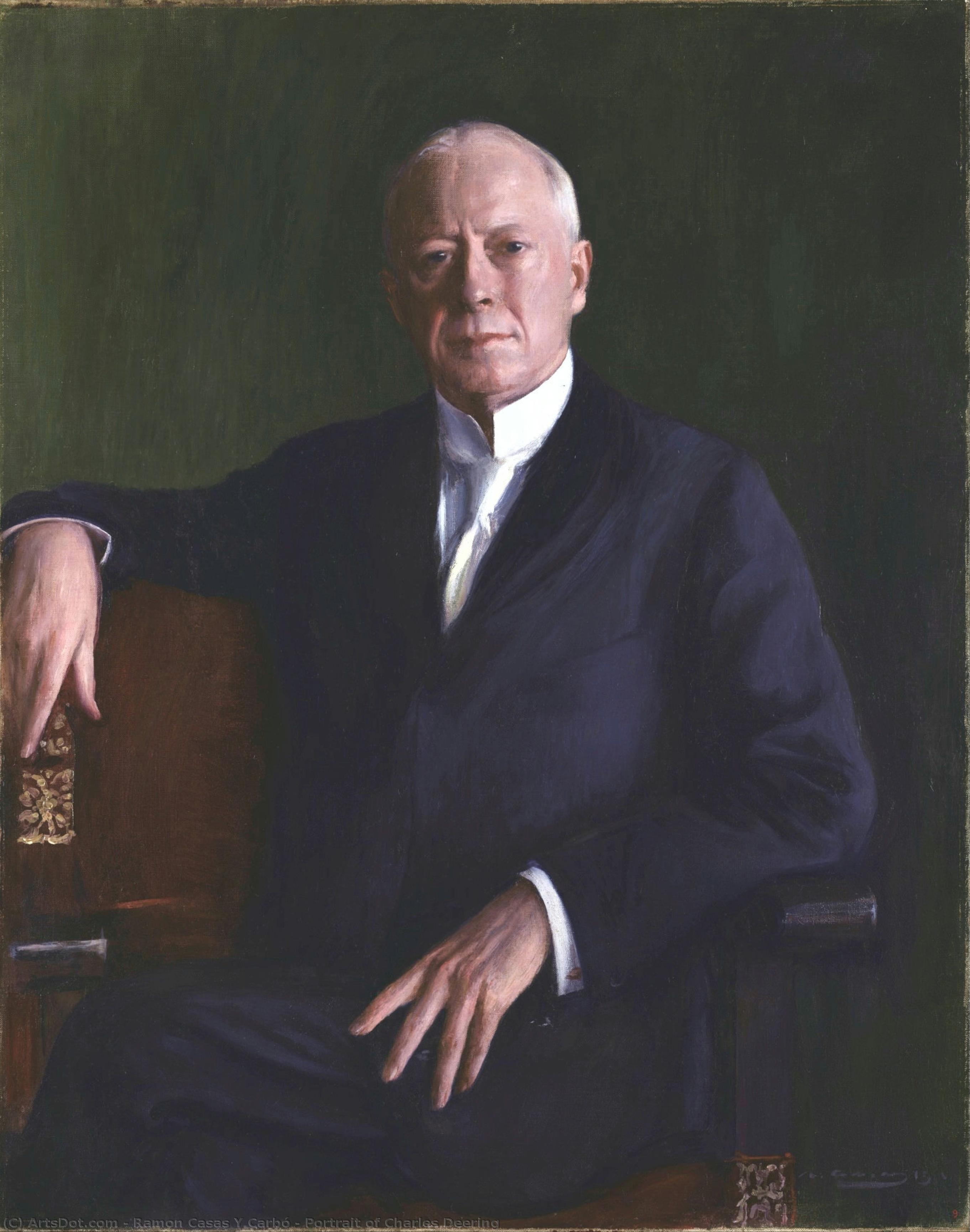
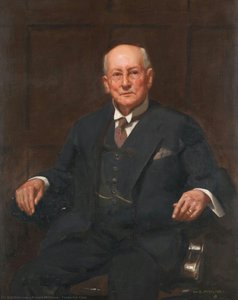
Portrait of Charles Deering
 Oil On Canvas
- WallArt
- Modernisme Catalan
Modernisme
 1914
1914- 19th Century
 92.0 x 74.0 cm
 Maricel Museum
 Read More
Purchase a high-resolution, enhanced digital image, far superior to the online preview.
Each file is meticulously prepared by our in-house specialists using advanced tools and expert manual retouching. We ensure every image has exceptional clarity, precise color accuracy, and fine detail.
The final file is delivered via email within 72 hours, optimized for immediate use in professional, editorial, and print environments. This is the same quality trusted by top-tier design studios, publishers, and galleries.
Digital Image
Download a high-resolution file for personal display, printing, and creative projects. ( Buy Print Buy Hand Made Painting)
Included in Every Digital Image Order
Expert Digital Delivery, Guaranteed
When you choose ArtsDot.com, you're not just getting an image - you're receiving a professionally enhanced digital artwork, crafted with precision and backed by a satisfaction guarantee. Here's everything that comes with your order, automatically:

Fast Email Delivery
Your high-resolution digital image file will be emailed to you within 72 hours of ordering - ready for immediate use.

AI-Enhanced Digital File
Your artwork is professionally optimized using advanced AI tools and manual editing, ensuring maximum detail, clarity, and color accuracy.

Free Lifetime Re-Delivery
Accidentally deleted or lost your file? No worries - we'll resend it to you anytime, free of charge.

No Import Fees - Ever
Enjoy your artwork instantly with zero customs, duties, or delivery fees - digital downloads are always tax-free.

Color Accuracy Guarantee
We ensure your digital image reflects the original colors as closely as possible using professional tools and color management.

60-Day Satisfaction Guarantee
If you're not satisfied with your digital image, we'll revise it or refund 100% within 60 days - no questions asked.

100% Money-Back Guarantee
Not satisfied? Get a full refund within 60 days of receiving your digital file - no questions asked.

Bulk Order Discounts
Buy 3 images, save 10% - Buy 5, save 15% - Buy 10+, save 20%. Great for creative projects, galleries, and agencies.
Collectible Description
Ramon Casas’s Portrait of Charles Deering: A Window into Modernisme Barcelona
Ramon Casas i Carbó's "Portrait of Charles Deering," painted in 1914, offers a captivating glimpse into the world of early 20th-century portraiture and the flourishing Modernisme movement in Barcelona. This meticulously rendered oil on canvas captures the dignified presence of Charles Deering, an American businessman residing in Europe, within the confines of a formal setting that speaks volumes about wealth, status, and the era’s artistic sensibilities. The painting's restrained color palette – dominated by deep blues, whites, and subtle browns – creates a sense of quiet authority, while Casas’s masterful technique reveals a profound understanding of light, texture, and human form.
A Study in Realism and Impressionistic Influence
Casas, born in Barcelona in 1866, was a pivotal figure in Catalan Modernisme. His artistic journey began at the young age of eleven, abandoning formal schooling to pursue his passion under the tutelage of Joan Vicens. This early training profoundly shaped Casas’s style, blending elements of Realism with the burgeoning Impressionistic techniques that were transforming European art. “Portrait of Charles Deering” exemplifies this synthesis; the subject is depicted with a remarkable degree of realism – meticulously detailing Deering's suit fabric, skin texture, and facial features – yet imbued with an Impressionistic sensitivity to light and atmosphere. The diffused lighting, skillfully employed, softens the overall impression and directs the viewer’s attention directly to the sitter.
Composition and Symbolism within a Formal Framework
The composition of the portrait adheres to traditional conventions for formal portraits, centering Deering within the frame with a relaxed yet authoritative pose. The carefully arranged elements – the ornate chair, the muted background – contribute to a sense of controlled elegance. The rectangular shapes—the jacket, collar, and chair—are rendered with precision, reflecting Casas’s attention to detail. Beyond its aesthetic qualities, the portrait carries symbolic weight. Deering's stern expression and formal attire immediately communicate wealth and status, hallmarks of the era’s elite. The indistinct figures in the periphery subtly reinforce this sense of exclusivity and power.
Technique and the Legacy of Modernisme
Casas’s technique is characterized by a layered approach to paint application, creating depth and texture through subtle variations in tone and shading. The meticulous blending achieved suggests considerable skill and patience – a hallmark of Moderniste artists striving for both realism and expressive potential. The painting's execution reflects the broader artistic trends of the time, demonstrating a commitment to capturing not just likeness but also the character and spirit of his subject. This portrait stands as a testament to Casas’s enduring legacy within the vibrant artistic landscape of Barcelona during the early 20th century.
Related Artworks



Artist Biography
Ramon Casas i Carbó: A Catalan Modernisme Pioneer
Ramon Casas i Carbó (January 4, 1866 – February 5, 1932) was a prominent Spanish painter and decorator of the Modernisme movement. Born in Barcelona, Spain, he is celebrated for his portraits, genre scenes, and depictions of Catalan life, blending elements of Realism and Impressionism into a distinctive style.
Early Life, Training, and Artistic Beginnings
- Birth and Family: Casas was born into a wealthy family; his father had amassed considerable fortune in Cuba, while his mother hailed from a well-established Catalan lineage.
- Artistic Education: Recognizing his artistic inclinations early on, at the age of 11 (in 1877), Casas abandoned formal schooling to study art under Joan Vicens, marking the commencement of his dedicated artistic journey.
- Early Works and Recognition: His initial works primarily focused on portraits and caricatures of members of the Catalan, Spanish, and French elite. The painting Self-portrait as a Flamenco Dancer (1883) garnered significant attention, leading to an invitation for him to join the Societé d'Artistes Français.
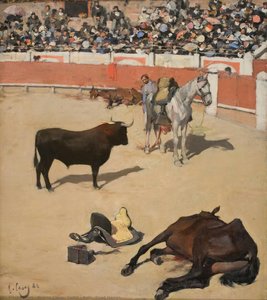
- Early Successes: Corrida de Toros (1884), showcasing his ability to capture dynamic crowd scenes, further solidified his reputation. His work Intérieur du Moulin de la Galette (1891) earned him a medal at the Berlin International Exposition, demonstrating his growing artistic maturity.
Development and Key Artistic Themes
- Influence of Impressionism and Realism: Casas’s style was heavily influenced by both Impressionist techniques – evident in his use of light and color – and Realistic portrayals of everyday life and individuals.
- Catalan Identity: A recurring theme in Casas' work was the depiction of Catalan culture, society, and landscapes. He frequently portrayed scenes of daily life, festivals, and portraits of prominent figures within Catalonia.
- Collaboration with Santiago Rusiñol: In 1889, Casas embarked on a significant artistic journey alongside fellow artist Santiago Rusiñol, traveling through Catalonia and documenting their experiences in sketches and paintings. This collaboration fostered his understanding of Catalan identity and rural life.
- Association with the Societé d'Artistes Français: Becoming an associate of this prestigious society allowed Casas to exhibit his work at their salon without undergoing jury selection, providing him with greater exposure and recognition within the Parisian art world.
Major Achievements and Notable Works
- Portraits: Casas was renowned for his insightful and expressive portraits, capturing not only physical likeness but also the character and personality of his subjects. Examples include Portrait of Mr. Domínguez (1899) which showcases his skill in pencil drawing.
- Genre Scenes: His genre paintings offered vivid glimpses into Catalan life, depicting scenes from bullfights (Corrida de Toros), cafes, and social gatherings.
- Self-portrait as a Flamenco Dancer (1883): This early work established his unique style and demonstrated his ability to blend portraiture with theatrical flair.
- Depictions of Celebrated Figures: Casas created portraits of prominent figures such as composer Isaac Albéniz, poet Jaume Massó, and writer Albert Bernís, solidifying his reputation as a sought-after portraitist.
Legacy and Historical Significance
Ramon Casas i Carbó left an indelible mark on Catalan art and the broader Modernisme movement. His work is celebrated for its vibrant depictions of Catalan life, insightful portraits, and skillful blending of Realism and Impressionism. Today, his paintings are housed in prestigious museums including the Cau Ferrat Museum (Sitges) and the Museu d'Art Contemporani de Barcelona, ensuring that his artistic legacy continues to inspire and captivate audiences.
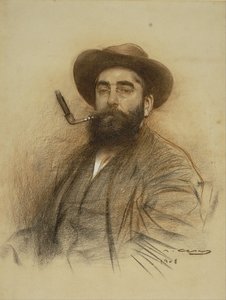
Ramon Casas i Carbó
1866 - 1932 , Spain
Quick Facts
- Artistic Movement Or Style: Catalan Modernisme
- Date Of Birth: January 4, 1866
- Date Of Death: 1932
- Full Name: Ramon Casas i Carbó
- Nationality: Spanish
- Notable Artworks:
- Self-portrait as a flamenco dancer
- Corrida de toros
- Intérieur du moulin de la galette
- Portrait of Mr. Domíngez
- Place Of Birth: Barcelona, Spain

