 Preview
 Send
Send Share
Share
 Details

 Download
 Similars
 X-Ray
X-Ray Diaporama
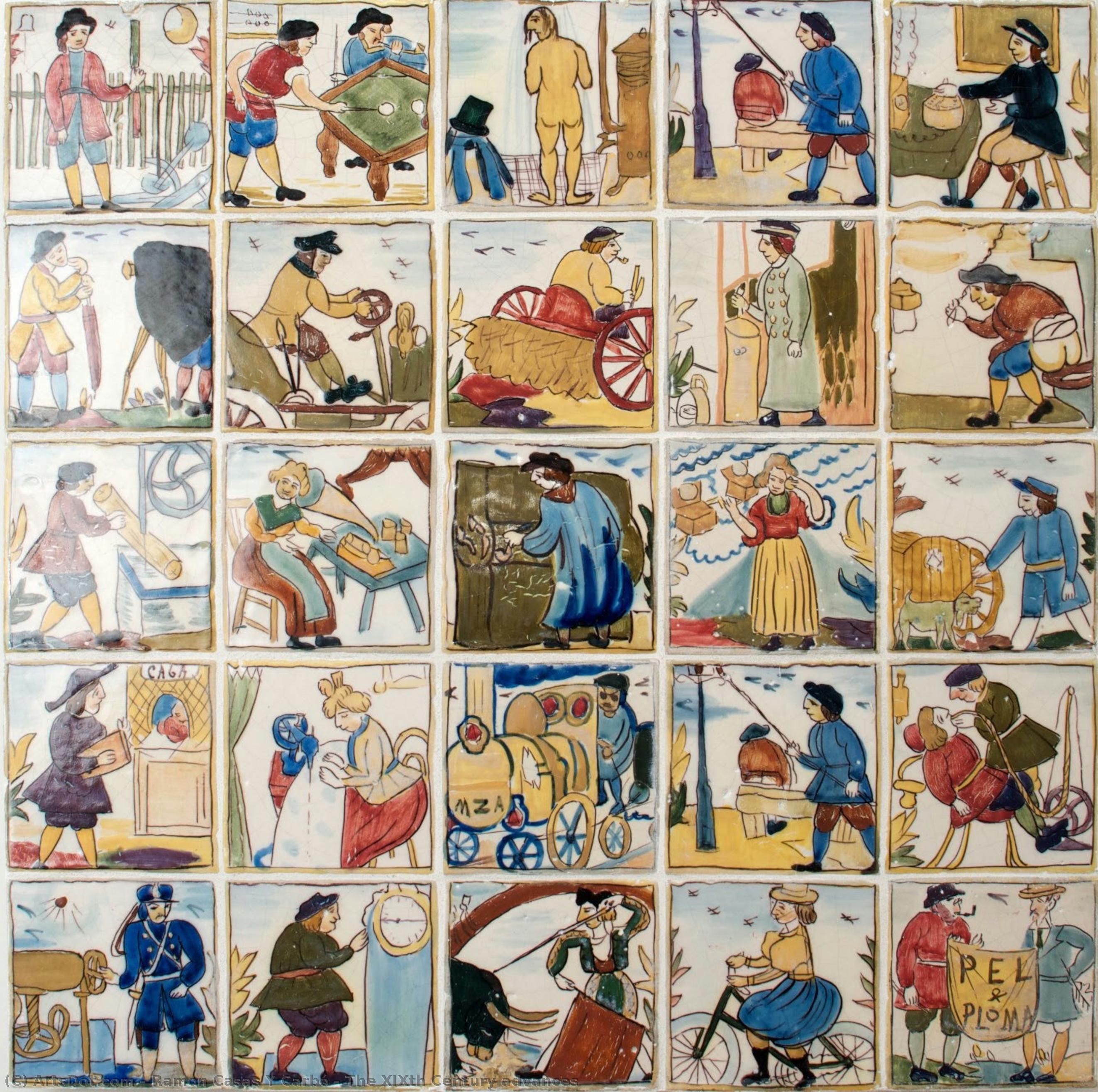
The XIXth Century advances
 Acrylic On Canvas
- WallArt
- Catalan Modernisme
 1902
1902 66.0 x 66.0 cm
 Maricel Museum
 Read More
Hand Made Oil Reproduction
Hand-painted oil on canvas in your size and frame, made to order by our artists. ( Buy Print Buy Image)




P118B $10

P118H $10

P118W $10

P438Z $10

P508JH $12

P508YH $12

P805H $10

P805Z $10

P919BZ $10

P919G $10

P919XJ $10

P959ZH $10

P968JZ $12

W106C $8

W218G $10

W218JH $8

W218Y $10

W307PJ $10

W316G $10

W316PJ $8

W316Y $10

W398PJ $8

W4111J $10

W500HY $15

W500JH $15

W692G $12

W849H $8

W940BG $15

W953PJ $8




Pick from our preset sizes that match the artwork's original proportions.

You may enter your own dimensions to fit a specific frame or space. If your selected size does not match the original image's proportions, we will either crop the artwork or extend the painting with additional hand-painted elements. A digital mockup will be sent for your approval before production begins.
Please note that the on-screen preview does not reflect the actual cropping or extension. Only the mockup will accurately show the final composition.
While custom sizes are available, we recommend selecting a dimension from the predefined list to preserve the original proportions.
After order, ArtsDot.com team will email client for instructions and provide a mockup preview
Worldwide Delivery () in 3/4 weeks instead of standard 5 weeks. (17 August). No compromise on quality.

Free Worldwide Express Shipping

High-Quality Linen Canvas

Full Shipping Insurance

Customs Tax Refund Guarantee

True Color Matching Guarantee

60-Day Return Policy (Defects Only)

100% Money-Back Guarantee

Bulk Discount Offer
 Glass option is only available in size under 110 CM

The XIXth Century advances
Reproduction Medium
Reproduction Size
-


Total Price
$ 263
Artwork Description
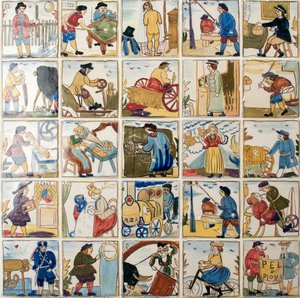
A Snapshot of Catalan Modernisme: “The XIXth Century advances” by Ramon Casas i Carbó
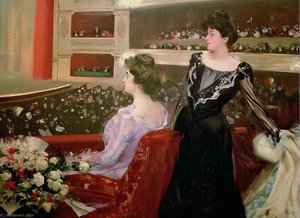
“The XIXth Century advances” is more than just a depiction of individuals; it’s an embodiment of the spirit of Catalan Modernisme, capturing a pivotal moment in artistic and social evolution. Painted in 1902 by Ramon Casas i Carbó, this monumental canvas—measuring 66 x 66 cm—represents a collaborative effort between Casas, Isidore Utrillo, and other prominent figures associated with the influential “Pèl & Ploma” (Fur & Feather) literary circle. This group sought to redefine Catalan identity through art and literature, rejecting academic conventions in favor of expressive realism infused with Impressionistic influences.Composition and Technique: Embracing Light and Texture
Casas’s masterful technique is immediately apparent upon observation. He employs a layered approach, utilizing oil paints on canvas to achieve remarkable textural depth. The artist meticulously renders the figures—primarily men engaged in various activities—with painstaking detail, capturing subtle nuances of musculature and clothing folds. However, Casas doesn't merely aim for photographic accuracy; he skillfully manipulates light and shadow to create an atmosphere of palpable warmth and nostalgia. Notice how the diffused sunlight illuminates the faces of the subjects, casting elongated shadows that contribute to the overall sense of movement and dynamism. The artist’s brushstrokes are loose yet controlled, conveying both precision and spontaneity—a hallmark of Modernisme's stylistic ambition.Historical Context: Catalonia at the Dawn of a New Era
The painting emerged during a period of significant cultural ferment in Catalonia. Following the unification of Spain in 1898, Catalan intellectuals and artists wrestled with questions of national identity and artistic renewal. “Pèl & Ploma” championed a vision of Catalonia as a vibrant, cosmopolitan nation—one that embraced innovation while honoring its traditions. Casas’s work reflects this intellectual climate, aligning itself with the broader movement's rejection of traditional artistic formulas and its embrace of psychological realism. The inclusion of a clock serves as a subtle reminder of time passing, emphasizing the urgency of capturing fleeting moments of beauty and experience – a core preoccupation of Modernisme artists.Symbolism: Beyond Representation—Capturing Emotion
Beyond its formal qualities, “The XIXth Century advances” resonates with symbolic meaning. The figures themselves represent not merely individuals but archetypal representations of masculinity and social engagement. Their postures convey confidence and purposefulness, mirroring the aspirations of Catalonia’s burgeoning intelligentsia. Furthermore, the setting—a sunlit courtyard—suggests a space of contemplation and connection to nature—values central to Modernisme's aesthetic philosophy. Casas skillfully utilizes color palettes—dominated by warm hues—to evoke feelings of comfort, optimism, and remembrance.Emotional Impact: A Legacy of Artistic Vision
Ultimately, “The XIXth Century advances” succeeds in transporting the viewer back to a bygone era, fostering a profound appreciation for artistic craftsmanship and humanist ideals. Casas’s ability to convey emotion through visual imagery—coupled with his masterful command of technique—solidifies his place as one of Catalonia's most celebrated Modernist painters. This artwork continues to inspire collectors and interior designers alike, offering a timeless testament to the transformative power of art and its capacity to capture the essence of human experience.Related Artworks
Artist Biography
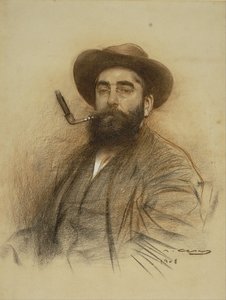
Ramon Casas i Carbó: A Catalan Modernisme Pioneer
Ramon Casas i Carbó (January 4, 1866 – February 5, 1932) was a prominent Spanish painter and decorator of the Modernisme movement. Born in Barcelona, Spain, he is celebrated for his portraits, genre scenes, and depictions of Catalan life, blending elements of Realism and Impressionism into a distinctive style.
Early Life, Training, and Artistic Beginnings
- Birth and Family: Casas was born into a wealthy family; his father had amassed considerable fortune in Cuba, while his mother hailed from a well-established Catalan lineage.
- Artistic Education: Recognizing his artistic inclinations early on, at the age of 11 (in 1877), Casas abandoned formal schooling to study art under Joan Vicens, marking the commencement of his dedicated artistic journey.
- Early Works and Recognition: His initial works primarily focused on portraits and caricatures of members of the Catalan, Spanish, and French elite. The painting Self-portrait as a Flamenco Dancer (1883) garnered significant attention, leading to an invitation for him to join the Societé d'Artistes Français.
- Early Successes: Corrida de Toros (1884), showcasing his ability to capture dynamic crowd scenes, further solidified his reputation. His work Intérieur du Moulin de la Galette (1891) earned him a medal at the Berlin International Exposition, demonstrating his growing artistic maturity.
Development and Key Artistic Themes
- Influence of Impressionism and Realism: Casas’s style was heavily influenced by both Impressionist techniques – evident in his use of light and color – and Realistic portrayals of everyday life and individuals.
- Catalan Identity: A recurring theme in Casas' work was the depiction of Catalan culture, society, and landscapes. He frequently portrayed scenes of daily life, festivals, and portraits of prominent figures within Catalonia.
- Collaboration with Santiago Rusiñol: In 1889, Casas embarked on a significant artistic journey alongside fellow artist Santiago Rusiñol, traveling through Catalonia and documenting their experiences in sketches and paintings. This collaboration fostered his understanding of Catalan identity and rural life.
- Association with the Societé d'Artistes Français: Becoming an associate of this prestigious society allowed Casas to exhibit his work at their salon without undergoing jury selection, providing him with greater exposure and recognition within the Parisian art world.
Major Achievements and Notable Works
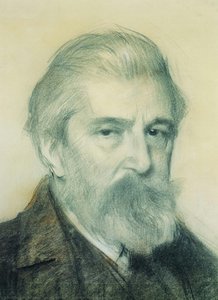
- Portraits: Casas was renowned for his insightful and expressive portraits, capturing not only physical likeness but also the character and personality of his subjects. Examples include Portrait of Mr. Domínguez (1899) which showcases his skill in pencil drawing.
- Genre Scenes: His genre paintings offered vivid glimpses into Catalan life, depicting scenes from bullfights (Corrida de Toros), cafes, and social gatherings.
- Self-portrait as a Flamenco Dancer (1883): This early work established his unique style and demonstrated his ability to blend portraiture with theatrical flair.
- Depictions of Celebrated Figures: Casas created portraits of prominent figures such as composer Isaac Albéniz, poet Jaume Massó, and writer Albert Bernís, solidifying his reputation as a sought-after portraitist.
Legacy and Historical Significance
Ramon Casas i Carbó left an indelible mark on Catalan art and the broader Modernisme movement. His work is celebrated for its vibrant depictions of Catalan life, insightful portraits, and skillful blending of Realism and Impressionism. Today, his paintings are housed in prestigious museums including the Cau Ferrat Museum (Sitges) and the Museu d'Art Contemporani de Barcelona, ensuring that his artistic legacy continues to inspire and captivate audiences.
Ramon Casas i Carbó
1866 - 1932 , Spain
Quick Facts
- Artistic Movement Or Style: Catalan Modernisme
- Date Of Birth: January 4, 1866
- Date Of Death: 1932
- Full Name: Ramon Casas i Carbó
- Nationality: Spanish
- Notable Artworks:
- Self-portrait as a flamenco dancer
- Corrida de toros
- Intérieur du moulin de la galette
- Portrait of Mr. Domíngez
- Place Of Birth: Barcelona, Spain
Related Articles
Emilio Grau Sala: A Catalan Colorist Between Modernisme & Symbolism
Explore the vibrant world of Emilio Grau Sala, a leading Catalan colorist influenced by Parisian Modernisme & Symbolism. Discover his captivating paintings, artistic techniques, and lasting legacy with ArtsDot.
Scenes of Daily Life: A Comprehensive Exploration of Genre Painting Through History
Explore the rich history of genre painting! Discover Dutch Masters & European artists who captured everyday life with stunning realism. Learn about symbolism, techniques & lasting influence.
Joaquim Mir: A Catalan Visionary – Exploring Symbolism, Landscape & Modernist Aesthetic
Explore the captivating world of Joaquim Mir, a pivotal Catalan Modernisme painter. Discover his vibrant landscapes, symbolic depth & lasting influence on Spanish art history. Learn more at ArtsDot.

Josep Mompou Dencausse: Exploring Intimacy & Catalan Identity Through Minimalist Expression
Explore the captivating world of Josep Mompou Dencausse, a master of Post-Impressionism whose intimate paintings reflect Catalan identity and minimalist beauty. Discover his life, style & legacy.
Josep Cusachs i: Exploring Catalan Modernism Through Social Commentary & Artistic Innovation
Explore the captivating world of Josep Cusachs i, a key figure in Catalan Modernism. Discover his realist paintings, social commentary, and influence on 19th-century Spanish art. Hand-painted reproductions available at ArtsDot.