 Preview
 Send
Send Share
Share
 Details

 Download
 Similars
 X-Ray
X-Ray Diaporama
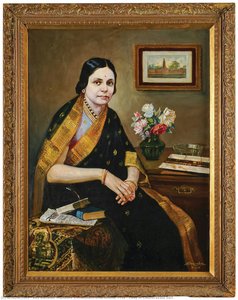
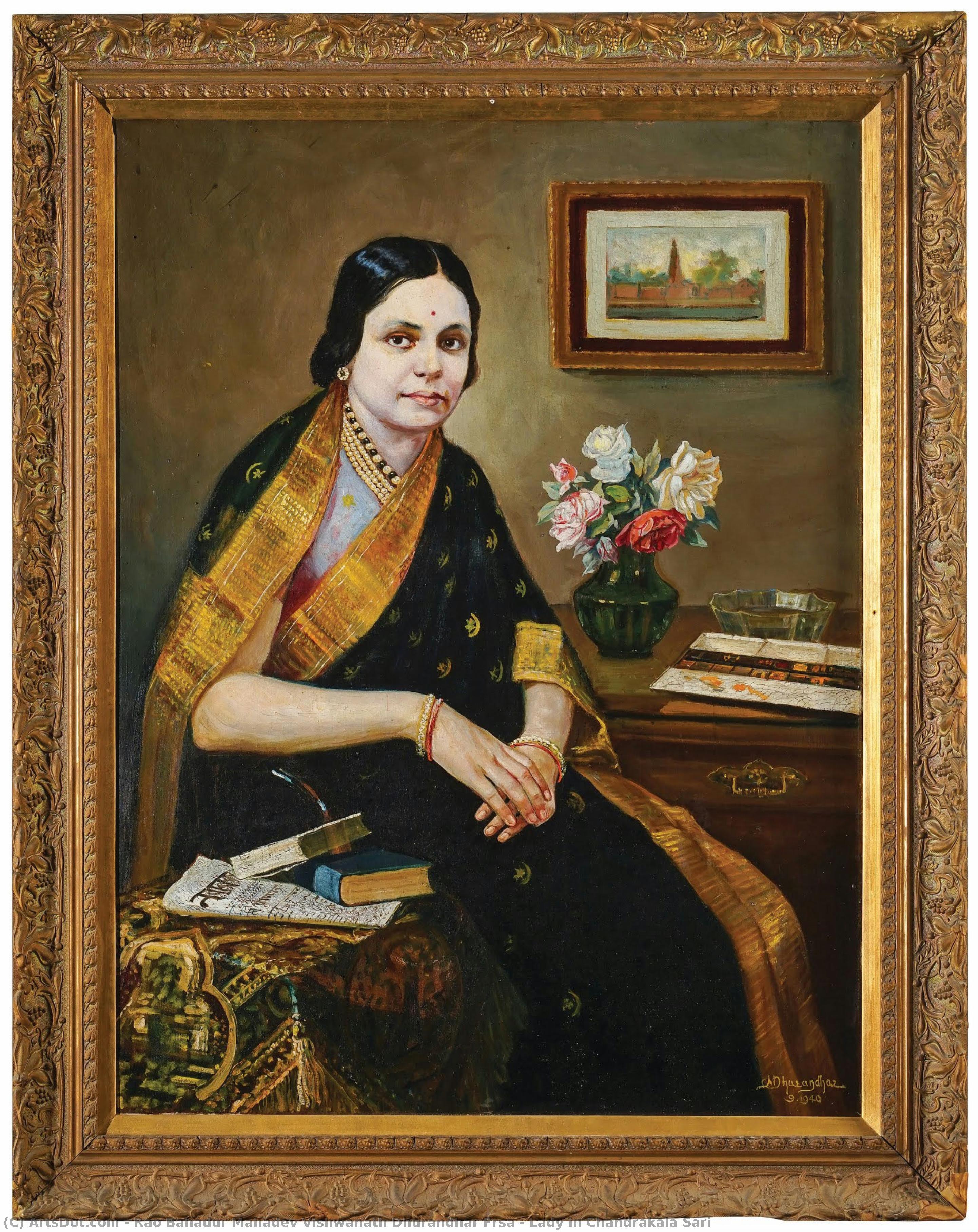
Lady in Chandrakala Sari


 Read More
Hand Made Oil Reproduction
Hand-painted oil on canvas in your size and frame, made to order by our artists. ( Buy Print Buy Image)




P118B $10

P118H $10

P118W $10

P438Z $10

P508JH $12

P508YH $12

P805H $10

P805Z $10

P919BZ $10

P919G $10

P919XJ $10

P959ZH $10

P968JZ $12

W106C $8

W218G $10

W218JH $8

W218Y $10

W307PJ $10

W316G $10

W316PJ $8

W316Y $10

W398PJ $8

W4111J $10

W500HY $15

W500JH $15

W692G $12

W849H $8

W940BG $15

W953PJ $8




Pick from our preset sizes that match the artwork's original proportions.

You may enter your own dimensions to fit a specific frame or space. If your selected size does not match the original image's proportions, we will either crop the artwork or extend the painting with additional hand-painted elements. A digital mockup will be sent for your approval before production begins.
Please note that the on-screen preview does not reflect the actual cropping or extension. Only the mockup will accurately show the final composition.
While custom sizes are available, we recommend selecting a dimension from the predefined list to preserve the original proportions.
After order, ArtsDot.com team will email client for instructions and provide a mockup preview
Worldwide Delivery () in 3/4 weeks instead of standard 5 weeks. (31 August). No compromise on quality.

Free Worldwide Express Shipping

High-Quality Linen Canvas

Full Shipping Insurance

Customs Tax Refund Guarantee

True Color Matching Guarantee

60-Day Return Policy (Defects Only)

100% Money-Back Guarantee

Bulk Discount Offer
 Glass option is only available in size under 110 CM

Lady in Chandrakala Sari
Reproduction Medium
Reproduction Size
-


Total Price
$ 263
A Portrait of Dignity and Reflection: Rao Bahadur Dhurandhar’s Lady in Chandrakala Sari
Rao Bahadur Mahadev Vishwanath Dhurandhar’s “Lady in Chandrakala Sari” stands as a testament to the artistic spirit of early 20th-century India. Painted in 1900, this oil on canvas masterpiece captures an elderly woman seated with quiet grace within what appears to be a meticulously decorated interior—a scene imbued with both realism and subtle romanticism.
The artwork immediately draws the eye to its central figure: a dignified woman draped in a striking Chandrakala sari – a traditional Indian garment adorned with golden motifs symbolizing the moon’s cyclical phases. Dhurandhar skillfully portrays her face with remarkable detail, capturing the wisdom and serenity that come with age. Her gaze directs outwards, hinting at contemplation and inner reflection—a characteristic element of classical portraiture.
Technical Mastery: Impressionistic Brushwork and Atmospheric Depth
Dhurandhar’s technique exemplifies the prevailing artistic trends of his time – primarily influenced by the Sir J. J. School of Art in Mumbai, where he honed his skills under John Griffiths. He employs loose brushstrokes that convey texture and movement, creating an impressionistic effect that softens the contours of the woman's form and enhances the luminosity of the room’s background.
The artist achieves remarkable atmospheric depth through careful layering of paint and subtle use of chiaroscuro—the interplay between light and shadow. The diffused illumination emanating from an unseen window casts gentle shadows, accentuating the textures of the sari fabric and highlighting the woman's skin tones. This masterful manipulation of light contributes significantly to the painting’s emotive power.
Symbolism and Context: A Window into Colonial Bombay
Beyond its aesthetic qualities, “Lady in Chandrakala Sari” offers a glimpse into the cultural milieu of colonial Bombay during Dhurandhar's era. The inclusion of books and papers on the table beside her chair speaks to an intellectual lifestyle—a reflection of the burgeoning educational institutions and scholarly pursuits prevalent at the time.
Furthermore, the vase containing roses serves as a symbol of beauty and refinement, adding a touch of natural elegance to the composition. Dhurandhar’s work aligns with the broader artistic movement celebrating Indian culture and tradition while simultaneously embracing Western influences—a harmonious blend that characterizes much of Bombay’s art scene.
A Legacy of Artistic Excellence
Rao Bahadur Mahadev Vishwanath Dhurandhar's contribution to Indian art extends beyond this singular portrait. He was a prolific illustrator, documenting the city of Bombay and its inhabitants with meticulous observation and artistic flair. His enduring legacy resides in his ability to capture not only visual likeness but also the essence of human dignity and contemplative grace—qualities that continue to resonate with viewers today.
Related Artworks




Artist Biography
Early Life and Education
- Born: March 18, 1867, Kolhapur, India
- Died: June 1, 1944
- Family Background: Rao Bahadur Mahadev Vishwanath Dhurandhar came from a Marathi Pathare Prabhu family.
- Early Education: He attended Rajaram High School in Kolhapur.
- Formal Art Training: Dhurandhar studied at the Sir J. J. School of Art in Mumbai, where he was a student of John Griffiths.
- Academic Achievements: He won numerous medals for his work and graduated in 1895.
Career and Contributions to Indian Art
- Teaching Career: In 1896, Dhurandhar joined the Sir J. J. School of Art as a teacher, dedicating the rest of his career there. He rose through the ranks, becoming Head Master in 1910 and Inspector of Drawing and Craft in 1918.
- Illustrative Works: Dhurandhar was prolific illustrator, creating works for books, periodicals (like *Amar* and *Bhoot*), calendars, advertisements, and postcards.
- Subject Matter: His popular works documented the city of Bombay and its people, scenes from Hindu mythology, and illustrations inspired by Omar Khayyam. He also created ethnographic postcards widely used during the British colonial era.
- Notable Publications: Dhurandhar contributed illustrations to Otto Rothfield's *Women of India* (1920) and S. M. Edwardes’ *By-Ways of Bombay* (1912).
- Recognition: He was elected as a Fellow of the Royal Society of Arts in 1938.
Style, Influences, and Artistic Development
- Influences: Dhurandhar's style was significantly influenced by his training at the Sir J. J. School of Art, where he was exposed to Western artistic techniques.
- Artistic Style: His paintings often depicted scenes from everyday life with meticulous attention to detail and vibrant colors. He blended academic realism favored by British colonials with Indian subjects.
- Evolution of Technique: Dhurandhar embraced the phenomenon of outdoor painting, contributing significantly to this genre alongside artists like Abalall Rahiman and N. R. Sardesai.
- Early Inspiration: Raja Ravi Varma was a significant inspiration for Dhurandhar, who later created works for Varma's printing press.
Major Achievements and Historical Significance
- Prolific Output: Dhurandhar produced an extensive body of work, estimated to include over 5,000 paintings and 50,000 illustrations.
- Awards and Recognition: He received numerous awards throughout his career, including several gold and silver medals from the Bombay Art Society.
- Royal Patronage: His works were acquired by Buckingham Palace and the South Kensington Museum, demonstrating international recognition.
- Pioneer of Indian Art: Dhurandhar is considered a pioneer of Indian art, bridging Western artistic traditions with Indian cultural themes. He played a crucial role in shaping the Bombay School of painting.
- Autobiography: He wrote an autobiography in Marathi titled *Kalamandirantil ekechalish varsham*, providing valuable insights into his life and career at the J.J. School.
Legacy
- Influence on Subsequent Generations: Dhurandhar mentored numerous students, contributing to the development of Indian art education.
- Continued Appreciation: His paintings continue to be admired for their realism, cultural richness, and historical significance.
- Availability of Works: His works are available as reproductions and prints on platforms like ArtsDot.com.
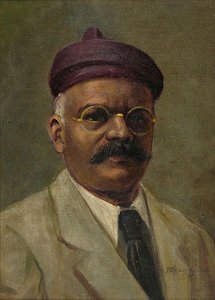
rao bahadur mahadev vishwanath dhurandhar frsa
1867 - 1944 , India
Quick Facts
- Artistic Movement Or Style: Academic realism
- Artists Who Influenced This Artist:
- John Griffiths
- Raja Ravi Varma
- Date Of Birth: March 18, 1867
- Date Of Death: June 1, 1944
- Full Name: Rao Bahadur Mahadev Vishwanath Dhurandhar FRSA
- Nationality: Indian
- Notable Artworks:
- Women of India
- By-Ways of Bombay
- Lady in Chandrakala Sari
- Place Of Birth: Kolhapur, India
Related Articles
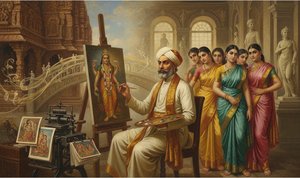
Raja Ravi Varma: Bridging Tradition & Modernity in 19th-Century Indian Art
Explore the life & art of Raja Ravi Varma, a pioneer who fused European techniques with Indian iconography. Discover his iconic paintings, lasting legacy, and influence on modern Indian art at ArtsDot.
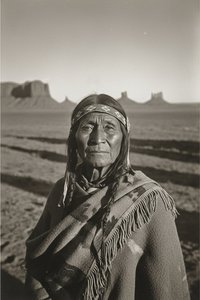
Shadow Catcher: Edward S. Curtis & the Ethnographic Portraiture of a Vanishing West
Explore the life & work of Edward S. Curtis, the 'Shadow Catcher,' and his groundbreaking photographic documentation of Native American cultures. Discover iconic images from *The North American Indian* and a critical look at his lasting legacy.
Joseph Henry Sharp: Capturing the Spirit of the Plains – Life, Art & Legacy
Explore the life & art of Joseph Henry Sharp, a founding member of the Taos Society of Artists renowned for his realistic depictions of Native American culture and Western landscapes. Discover his legacy with ArtsDot.
George Catlin: Witnessing & Representing Indigenous Life on the American Frontier
Explore the captivating art of George Catlin, renowned for his vivid portraits & landscapes documenting Native American life on the frontier. Discover a vanishing world through stunning paintings and historical context.
Panoramic Visions of Empire: The Daniells’ Artistic Collaboration & Legacy
Explore the captivating 'Oriental Scenery' by Thomas & William Daniell. Discover their pioneering aquatint prints of India, imperial context, artistic collaboration, and lasting legacy. A deep dive for history lovers.