 Preview
 Send
Send Share
Share
 Details

 Download
 Similars
 X-Ray
X-Ray Diaporama
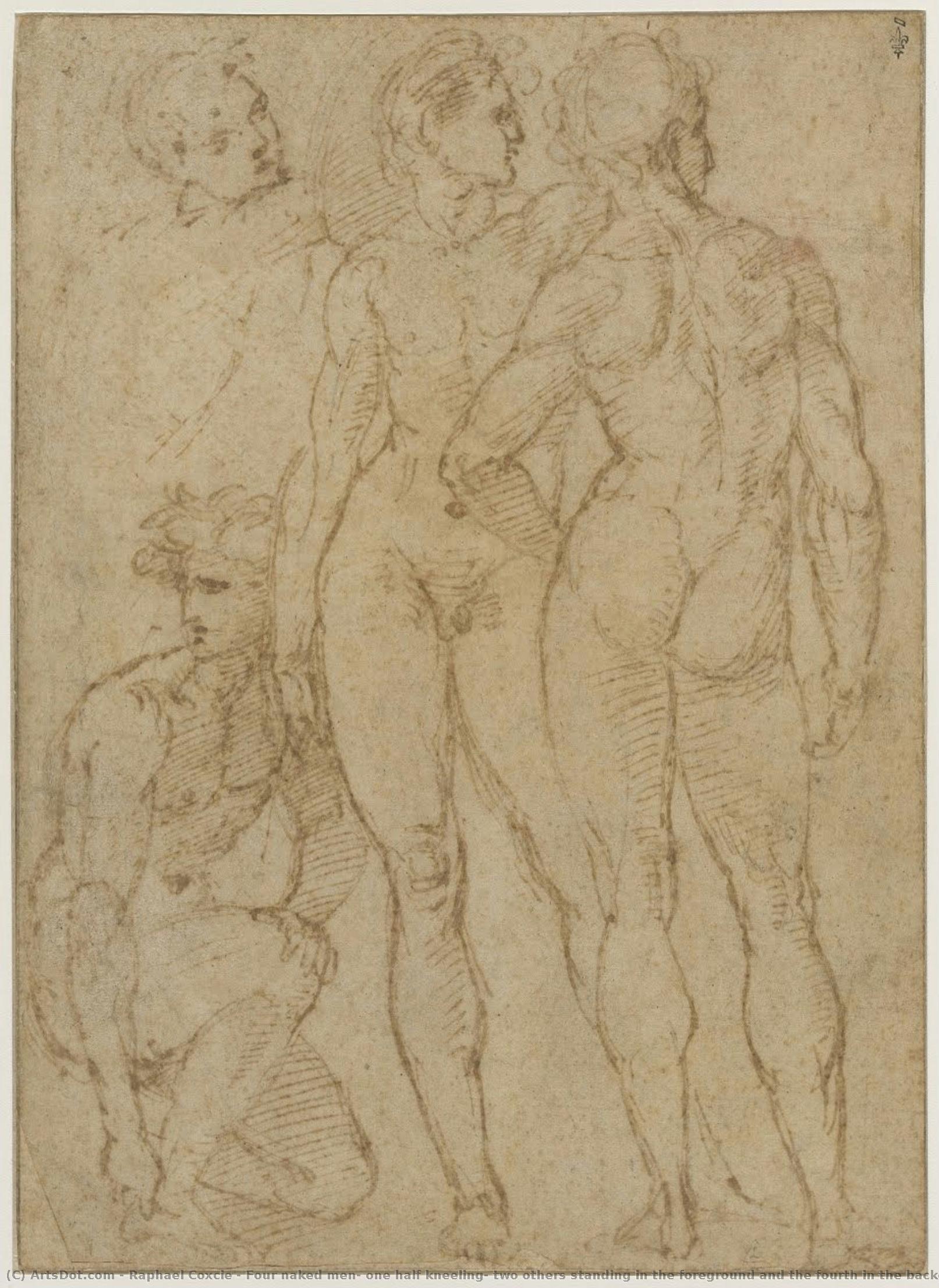
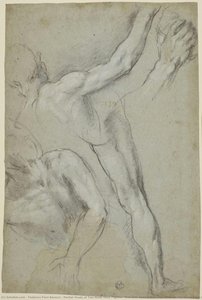
Four naked men, one half kneeling, two others standing in the foreground and the fourth in the background carrying a shield


 Read More
Hand Made Oil Reproduction
Hand-painted oil on canvas in your size and frame, made to order by our artists. ( Buy Print Buy Image)




P118B $10

P118H $10

P118W $10

P438Z $10

P508JH $12

P508YH $12

P805H $10

P805Z $10

P919BZ $10

P919G $10

P919XJ $10

P959ZH $10

P968JZ $12

W106C $8

W218G $10

W218JH $8

W218Y $10

W307PJ $10

W316G $10

W316PJ $8

W316Y $10

W398PJ $8

W4111J $10

W500HY $15

W500JH $15

W692G $12

W849H $8

W940BG $15

W953PJ $8




Pick from our preset sizes that match the artwork's original proportions.

You may enter your own dimensions to fit a specific frame or space. If your selected size does not match the original image's proportions, we will either crop the artwork or extend the painting with additional hand-painted elements. A digital mockup will be sent for your approval before production begins.
Please note that the on-screen preview does not reflect the actual cropping or extension. Only the mockup will accurately show the final composition.
While custom sizes are available, we recommend selecting a dimension from the predefined list to preserve the original proportions.
After order, ArtsDot.com team will email client for instructions and provide a mockup preview
Worldwide Delivery () in 3/4 weeks instead of standard 5 weeks. (17 August). No compromise on quality.

Free Worldwide Express Shipping

High-Quality Linen Canvas

Full Shipping Insurance

Customs Tax Refund Guarantee

True Color Matching Guarantee

60-Day Return Policy (Defects Only)

100% Money-Back Guarantee

Bulk Discount Offer
 Glass option is only available in size under 110 CM

Four naked men, one half kneeling, two others standing in the foreground and the fourth in the background carrying a shield
Reproduction Medium
Reproduction Size
-


Total Price
$ 263
Artwork Description
The Nude Form in Renaissance Study
This captivating drawing presents a profound study of the human figure, capturing four male nudes arranged with an almost theatrical grace. The composition is rich with implied narrative, even in its stillness. One figure rests in a half-kneeling posture, anchoring the foreground, while three others stand nearby, their musculature and drapery suggested through the delicate lines of the artist's hand. The inclusion of additional figures further back—one standing sentinel, another kneeling—adds layers to the scene, suggesting a moment paused in time, perhaps before an important rite or simply for the sake of artistic observation.
Mastery of Form and Line
The technical brilliance evident in this piece speaks volumes about the skill of its creator. The artist has achieved a remarkable balance between detailed anatomical rendering and fluid compositional arrangement. Notice how the varying poses—the grounded weight of the kneeling man contrasted with the verticality of the standing figures—create a dynamic rhythm across the surface. The handling of the skin, though rendered in drawing medium, suggests volumes and textures with an almost palpable realism. It is a testament to the artist's deep understanding of human anatomy, treating the body not merely as subject matter, but as a vehicle for profound artistic exploration.
Historical Echoes and Artistic Context
Dating to 1521, this work emerges from a period when the study of the idealized nude reached breathtaking heights in European art. While the specific context surrounding these figures remains open to interpretation, they resonate deeply with the classical revivalism that permeated Renaissance thought. The presence of shields and varied groupings hints at themes drawn from mythology or historical allegory—subjects favored by patrons seeking works imbued with intellectual weight. It serves as a beautiful bridge between pure academic study and narrative storytelling.
Symbolism and Emotional Resonance
Beyond the technical execution, the drawing invites contemplation on themes of humanity, readiness, and presentation. The varied states of undress and posture can be read as symbolic explorations: vulnerability juxtaposed with strength, repose against alertness. For the modern collector or designer, this piece offers more than mere decoration; it is a conversation starter. It speaks to an enduring human fascination with the perfect form, offering a touchstone of classical idealism that elevates any space it graces.
A Reproduction for the Modern Sanctuary
Owning a high-quality reproduction of such a seminal work allows one to bring the intellectual rigor and sensual beauty of the High Renaissance into contemporary life. Whether displayed in a formal study, an art gallery setting, or a thoughtfully designed living area, this drawing commands attention. It is an investment not just in art history, but in enduring aesthetic quality—a piece that rewards close looking with layers of discovery.
Related Artworks
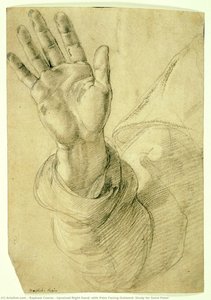
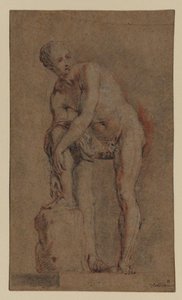
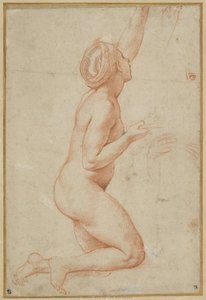
Artist Biography
The Legacy of Raphael Coxcie: A Renaissance Visionary
Born in the historic city of Mechelen, Belgium, around 1540, Raphael Coxcie stands as a pivotal figure within the artistic landscape of the High Renaissance—a period characterized by unparalleled creativity and humanist ideals. His legacy extends far beyond his individual paintings, shaping stylistic trends and influencing generations of artists who followed him. While biographical details remain somewhat sparse compared to contemporaries like Michelangelo or Leonardo da Vinci, Coxcie’s contribution to Flemish art is undeniable, marking him as a significant voice in the burgeoning artistic fervor of his time.
Coxcie's formative years were steeped in profound artistic tradition. He received instruction from Raffaello Sanzio da Urbino—commonly known as Raphael—a master whose influence permeated Coxcie’s early oeuvre. This connection to the Italian masters provided him with a meticulous attention to detail and a masterful command of chiaroscuro, the dramatic interplay between light and dark. This technique became a cornerstone of his approach, allowing him to imbue his canvases with palpable emotion and depth, mirroring the humanist spirit that dominated Renaissance thought. The stylistic echoes of Raphael’s work are particularly evident in Coxcie’s initial compositions, demonstrating a profound respect for classical ideals and a dedication to capturing the human form with remarkable accuracy.
Mastery of Form and Sacred Narrative
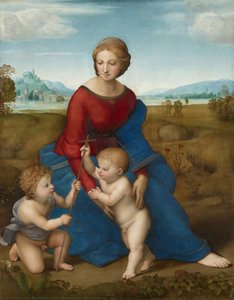
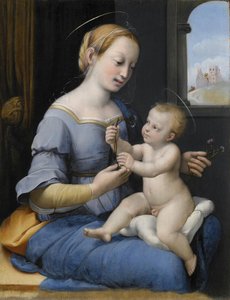
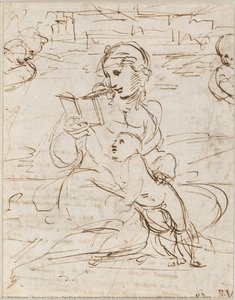
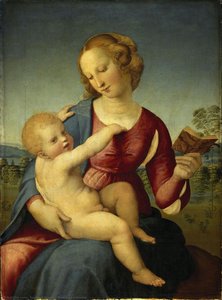
The breadth of Coxcie's artistic output spanned various mediums, most notably frescoes and oil paintings, each serving as a testament to his technical versatility. His work often sought to bridge the gap between the earthly and the divine, utilizing landscape and light to elevate religious subjects. In works such as his Reading Madonna and Child in a Landscape, one can observe a serene depiction of motherhood and faith, where the natural world serves as a quiet backdrop to spiritual contemplation. His ability to integrate figures into lush, atmospheric settings highlights his mastery of perspective and color theory.
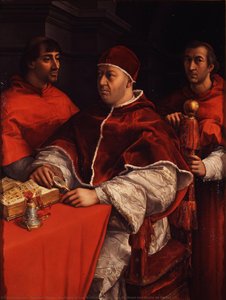
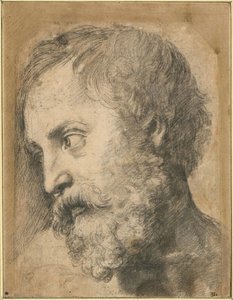
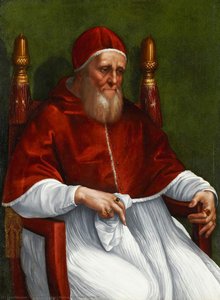
Beyond religious devotion, Coxcie demonstrated an exceptional ability to capture the weight of political and historical authority. His Portrait of Pope Julius II is a masterful study of detail, showcasing the Renaissance pope in rich red robes with a focus on the texture of fabric and the play of light across the face. This capacity for realism extended even to his more contemplative studies, such as his poignant depiction of the figure of Diogenes. In this work, Coxcie utilizes a somber mood and classical style to explore themes of philosophy and solitude, proving that his skill was as much about psychological depth as it was about physical accuracy.
Historical Significance and Artistic Impact
The historical significance of Raphael Coxcie lies in his role as a conduit between the Italian Renaissance traditions and the evolving Flemish school. By synthesizing the monumental scale and dramatic lighting of the South with the detailed observational skills characteristic of Northern art, he helped create a unique stylistic language. His contributions to large-scale works, including his involvement in significant fresco projects, left an indelible mark on the decorative and narrative traditions of European art.
To understand the breadth of his impact, one might consider the following pillars of his career:
- Technical Innovation: The sophisticated use of chiaroscuro to create three-dimensional depth and emotional resonance.
- Classical Influence: A lifelong dedication to the humanist ideals and anatomical precision inherited from the great Italian masters.
- Versatility of Subject: An ability to move seamlessly between the intimate tenderness of Madonnas and the imposing gravity of papal portraiture.
- Cultural Bridge: His role in bringing the refined aesthetics of the High Renaissance to the burgeoning artistic centers of Belgium.
Though centuries have passed since his death in 1616, the works of Raphael Coxcie continue to captivate the modern eye. They remain vital windows into a period of human history where art, science, and spirituality were inextricably linked, inviting viewers to rediscover the beauty of a master who captured the very essence of the Renaissance spirit.
raphael coxcie
1540 - 1616 , Belgium
Quick Facts
- Artistic Movement Or Style: High Renaissance
- Artists Or Movements Influenced By This Artist: ['Michelangelo Buonarroti']
- Artists Who Influenced This Artist: ['Raffaello Sanzio da Urbino']
- Date Of Birth: Mechelen, Belgium (1540)
- Date Of Death: 1616
- Full Name: Raphael Coixcie
- Nationality: Belgian
- Notable Artworks:
- Mass of Bolsena
- Study for the Trivulzio Monument
- Ignudo (29)
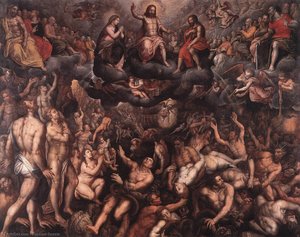
- Last Judgment
- Place Of Birth: Mechelen
Related Articles

Raphael's Masterpieces: 25 Iconic Paintings & Renaissance Art for Your Home
Explore 25 breathtaking Raphael paintings! Journey through the Italian Renaissance with masterpieces like 'School of Athens' & iconic Madonnas. Find museum-quality art reproductions and elevate your home decor on ArtsDot.com.

Giclée Prints: Archival Quality & Aesthetic Nuances for the Discerning Collector
Explore the world of giclée prints with ArtsDot. Learn about archival quality, aesthetic nuances & investment potential. Expert guidance for discerning art collectors seeking museum-quality reproductions and lasting value.
The Enduring Allure of the Nude: A Historical & Artistic Exploration of the Human Form
Explore the captivating history of nude art! Discover iconic paintings & artists from classical to modern eras. Uncover symbolism, techniques & find museum-quality reproductions at ArtsDot.

The Enduring Legacy of Fine Art Prints: Technique, History & Aesthetic Impact
Explore the rich history & techniques of fine art prints. Discover investment potential, assess authenticity, and learn how to preserve your collection with expert guidance. Trusted insights for discerning collectors.
Neo-Classicism's Greatest Hits: 10 Masterpieces for Your Home |
Journey through Neo-Classicism's finest! Explore 10 iconic masterpieces by David, Ingres & Canova. Discover art history, techniques & timeless beauty – perfect for inspiring your home decor. Find museum-quality reproductions at