 Preview
 Send
Send Share
Share
 Details

 Download
 Similars
 X-Ray
X-Ray Diaporama
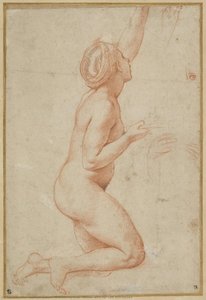
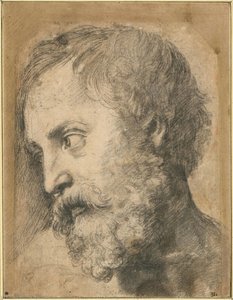
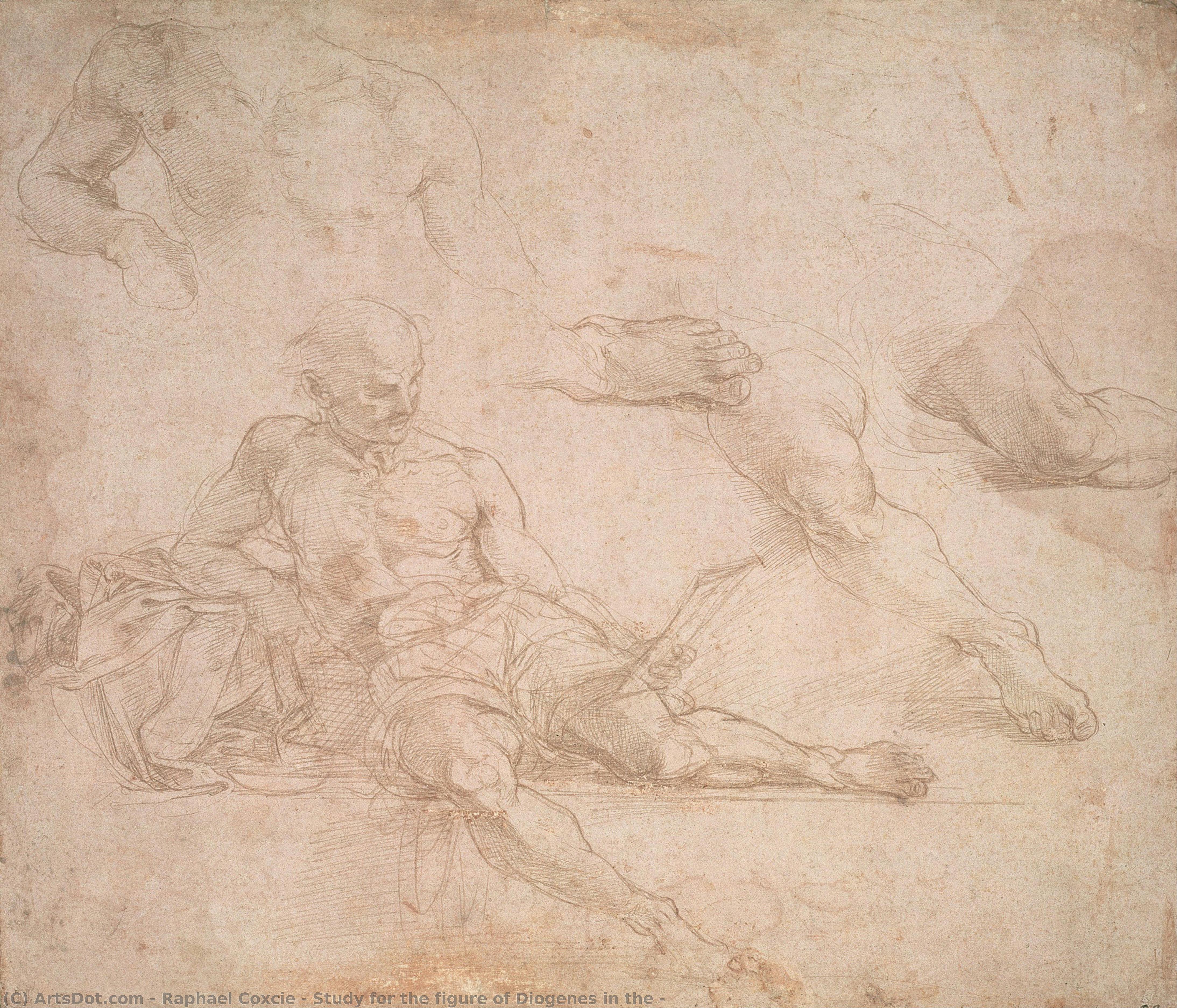
Study for the figure of Diogenes in the
 Acrylic On Canvas
- WallArt
- High Renaissance
 1510
1510 28.0 x 24.0 cm
 Städel Museum
 Read More
Giclée / Art Print
Museum-quality giclée or canvas print with fast production and flexible finish options. ( Buy Hand Made Painting Buy Image)




P118B $10

P118H $10

P118W $10

P438Z $10

P508JH $12

P508YH $12

P805H $10

P805Z $10

P919BZ $10

P919G $10

P919XJ $10

P959ZH $10

P968JZ $12

W106C $8

W218G $10

W218JH $8

W218Y $10

W307PJ $10

W316G $10

W316PJ $8

W316Y $10

W398PJ $8

W4111J $10

W500HY $15

W500JH $15

W692G $12

W849H $8

W940BG $15

W953PJ $8




Pick from our preset sizes that match the artwork's original proportions.

You may enter your own dimensions to fit a specific frame or space. If your selected size does not match the original image's proportions, we will either crop the artwork or extend the image with a mirrored or solid-fill edge. A digital mockup will be sent for your approval before production begins.
Please note that the on-screen preview does not reflect the actual cropping or extension. Only the mockup will accurately show the final composition.
While custom sizes are available, we recommend selecting a dimension from the predefined list to preserve the original proportions.
Worldwide Delivery () in 2 weeks instead of standard 4/5 weeks. (21 August)

Free Worldwide Express Shipping

High-Quality Linen Canvas

Full Shipping Insurance

Customs Tax Refund Guarantee

True Color Matching Guarantee

60-Day Return Policy (Defects Only)

100% Money-Back Guarantee

Bulk Discount Offer
 Glass option is only available in size under 110 CM

Study for the figure of Diogenes in the
Giclée / Art Print
Reproduction Size
-


Total Price
$ 63
Collectible Description
A Moment of Contemplation: Raphael Coxcie’s Study for Diogenes
This intimate study, executed in 1510 by Raphael Coxcie, offers a profound glimpse into the artist's process and a poignant meditation on human existence. Measuring just 28 x 24 cm, the work belies its small scale with a depth of emotion and technical mastery that speaks to Coxcie’s deep engagement with the philosophical currents of his time. The image depicts a solitary figure – a man seated upon the ground, hands clasped before him – an arresting portrayal reminiscent of Diogenes, the legendary Greek philosopher known for his unconventional wisdom and ascetic lifestyle. While not a fully realized portrait, it serves as a crucial preparatory sketch, revealing Coxcie’s meticulous approach to capturing the essence of this iconic character.
- Subject Matter: The central figure embodies the spirit of Diogenes, inviting viewers to contemplate themes of self-sufficiency, skepticism, and the search for truth.
- Style & Technique: Coxcie’s brushwork is characterized by a delicate precision, evident in the rendering of the man's form and the subtle play of light across his features. The use of chiaroscuro – a hallmark of Renaissance painting – dramatically emphasizes the figure’s isolation and introspective mood.
- Historical Context: Created during the High Renaissance, this study reflects the period’s fascination with classical antiquity and its humanist ideals. Diogenes was a popular subject for artists seeking to explore philosophical concepts through visual representation.
The Legacy of Raphael Coxcie
Raphael Coxcie (1540-1616), born in Mechelen, Belgium, represents a vital link between the artistic traditions of the Early Renaissance and the flourishing Mannerist style that followed. Though overshadowed by his namesake, the famed Raphael Sanzio da Urbino, Coxcie carved out a significant niche for himself within the Flemish art scene. His training under the master undoubtedly shaped his early work, imbuing it with a rigorous attention to detail and a sophisticated understanding of perspective and composition. This study demonstrates his ability to translate complex ideas into a tangible form, anticipating some of the stylistic innovations that would define the later Renaissance.
The artist’s biography reveals a dedication to exploring human emotion and philosophical concepts through his art. Coxcie's work reflects the intellectual climate of his time, marked by renewed interest in classical learning and a desire to understand the nature of humanity. His meticulous approach to detail suggests a deep engagement with the subject matter, reflecting a commitment to both artistic skill and intellectual inquiry.
Symbolism and Emotional Resonance
The pose of the figure – seated, hands clasped, gaze directed inward – immediately evokes a sense of contemplation and solitude. The nakedness of the form adds another layer of meaning, suggesting vulnerability, honesty, and a rejection of worldly possessions. This is not merely a depiction of a man; it’s an embodiment of philosophical inquiry, a silent dialogue with one's own thoughts and beliefs. The background figures, though less defined, contribute to the overall atmosphere of isolation and introspection, reinforcing the central figure’s contemplative mood.
The painting’s emotional impact is profound, inviting viewers to share in the subject’s quiet moment of reflection. It speaks to universal themes of human existence – our search for meaning, our struggles with doubt, and our yearning for connection. The work's intimacy encourages a personal response, making it a powerful and enduring image.
A Hand-Painted Reproduction: Bringing Coxcie’s Vision to Life
ArtsDot offers a meticulously crafted hand-painted reproduction of this remarkable study. Utilizing the finest materials and employing traditional artistic techniques, our skilled artisans faithfully recreate Coxcie's original vision, capturing every nuance of light, shadow, and emotion. This is not simply a print; it’s a genuine work of art, imbued with the same spirit and artistry as the original. Perfect for collectors, interior designers seeking to infuse their spaces with timeless beauty, or anyone captivated by the profound insights of Raphael Coxcie's study.
Related Artworks
Artist Biography
The Legacy of Raphael Coxcie: A Renaissance Visionary
Born in the historic city of Mechelen, Belgium, around 1540, Raphael Coxcie stands as a pivotal figure within the artistic landscape of the High Renaissance—a period characterized by unparalleled creativity and humanist ideals. His legacy extends far beyond his individual paintings, shaping stylistic trends and influencing generations of artists who followed him. While biographical details remain somewhat sparse compared to contemporaries like Michelangelo or Leonardo da Vinci, Coxcie’s contribution to Flemish art is undeniable, marking him as a significant voice in the burgeoning artistic fervor of his time.
Coxcie's formative years were steeped in profound artistic tradition. He received instruction from Raffaello Sanzio da Urbino—commonly known as Raphael—a master whose influence permeated Coxcie’s early oeuvre. This connection to the Italian masters provided him with a meticulous attention to detail and a masterful command of chiaroscuro, the dramatic interplay between light and dark. This technique became a cornerstone of his approach, allowing him to imbue his canvases with palpable emotion and depth, mirroring the humanist spirit that dominated Renaissance thought. The stylistic echoes of Raphael’s work are particularly evident in Coxcie’s initial compositions, demonstrating a profound respect for classical ideals and a dedication to capturing the human form with remarkable accuracy.
Mastery of Form and Sacred Narrative
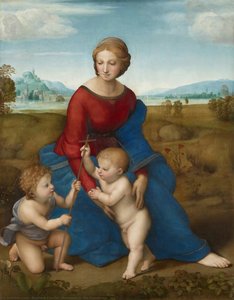
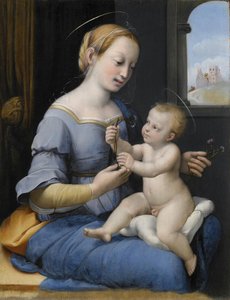
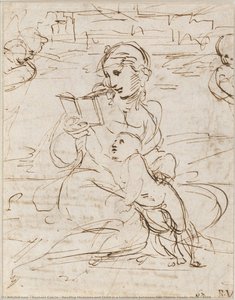
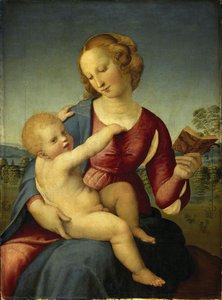
The breadth of Coxcie's artistic output spanned various mediums, most notably frescoes and oil paintings, each serving as a testament to his technical versatility. His work often sought to bridge the gap between the earthly and the divine, utilizing landscape and light to elevate religious subjects. In works such as his Reading Madonna and Child in a Landscape, one can observe a serene depiction of motherhood and faith, where the natural world serves as a quiet backdrop to spiritual contemplation. His ability to integrate figures into lush, atmospheric settings highlights his mastery of perspective and color theory.
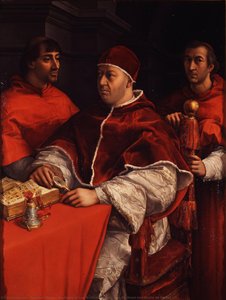
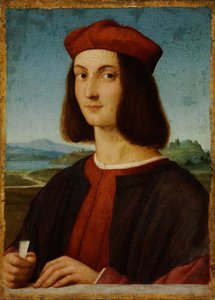
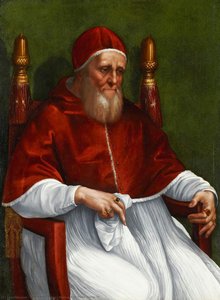
Beyond religious devotion, Coxcie demonstrated an exceptional ability to capture the weight of political and historical authority. His Portrait of Pope Julius II is a masterful study of detail, showcasing the Renaissance pope in rich red robes with a focus on the texture of fabric and the play of light across the face. This capacity for realism extended even to his more contemplative studies, such as his poignant depiction of the figure of Diogenes. In this work, Coxcie utilizes a somber mood and classical style to explore themes of philosophy and solitude, proving that his skill was as much about psychological depth as it was about physical accuracy.
Historical Significance and Artistic Impact
The historical significance of Raphael Coxcie lies in his role as a conduit between the Italian Renaissance traditions and the evolving Flemish school. By synthesizing the monumental scale and dramatic lighting of the South with the detailed observational skills characteristic of Northern art, he helped create a unique stylistic language. His contributions to large-scale works, including his involvement in significant fresco projects, left an indelible mark on the decorative and narrative traditions of European art.
To understand the breadth of his impact, one might consider the following pillars of his career:
- Technical Innovation: The sophisticated use of chiaroscuro to create three-dimensional depth and emotional resonance.
- Classical Influence: A lifelong dedication to the humanist ideals and anatomical precision inherited from the great Italian masters.
- Versatility of Subject: An ability to move seamlessly between the intimate tenderness of Madonnas and the imposing gravity of papal portraiture.
- Cultural Bridge: His role in bringing the refined aesthetics of the High Renaissance to the burgeoning artistic centers of Belgium.
Though centuries have passed since his death in 1616, the works of Raphael Coxcie continue to captivate the modern eye. They remain vital windows into a period of human history where art, science, and spirituality were inextricably linked, inviting viewers to rediscover the beauty of a master who captured the very essence of the Renaissance spirit.
raphael coxcie
1540 - 1616 , Belgium
Quick Facts
- Artistic Movement Or Style: High Renaissance
- Artists Or Movements Influenced By This Artist: ['Michelangelo Buonarroti']
- Artists Who Influenced This Artist: ['Raffaello Sanzio da Urbino']
- Date Of Birth: Mechelen, Belgium (1540)
- Date Of Death: 1616
- Full Name: Raphael Coixcie
- Nationality: Belgian
- Notable Artworks:
- Mass of Bolsena
- Study for the Trivulzio Monument
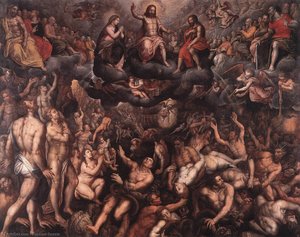
- Ignudo (29)
- Last Judgment
- Place Of Birth: Mechelen
Related Articles
Raphael's Masterpieces: 25 Iconic Paintings & Renaissance Art for Your Home
Explore 25 breathtaking Raphael paintings! Journey through the Italian Renaissance with masterpieces like 'School of Athens' & iconic Madonnas. Find museum-quality art reproductions and elevate your home decor on ArtsDot.com.

Giclée Prints: Archival Quality & Aesthetic Nuances for the Discerning Collector
Explore the world of giclée prints with ArtsDot. Learn about archival quality, aesthetic nuances & investment potential. Expert guidance for discerning art collectors seeking museum-quality reproductions and lasting value.

The Enduring Legacy of Fine Art Prints: Technique, History & Aesthetic Impact
Explore the rich history & techniques of fine art prints. Discover investment potential, assess authenticity, and learn how to preserve your collection with expert guidance. Trusted insights for discerning collectors.

Echoes of Time: Exploring the Enduring Appeal & Historical Context of Vintage Art Prints
Explore the captivating world of vintage art prints! Discover their history, collecting tips & enduring appeal. Expert insights on chromolithography and building a legacy collection with ArtsDot.
The Enduring Legacy of Printmaking: Techniques, Themes & Artistic Innovation Across Centuries
Explore the rich history of printmaking with ArtsDot. Discover techniques from intaglio to lithography, learn about collecting valuable prints & find museum-quality reproductions. Expert insights for art enthusiasts and collectors.