

 Preview
 Send
Send Share
Share
 Details

 Download
 Similars
 X-Ray
X-Ray Diaporama
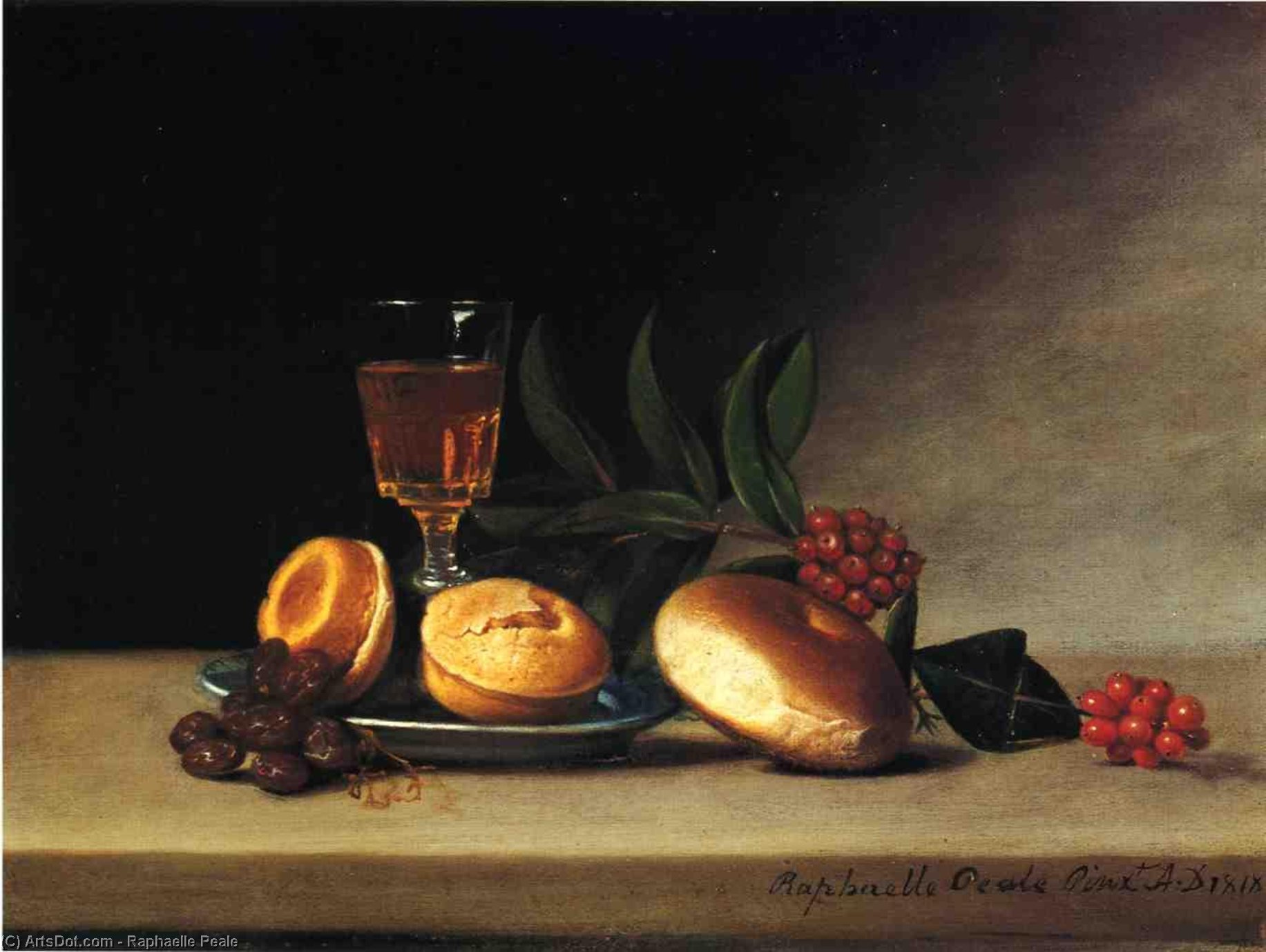
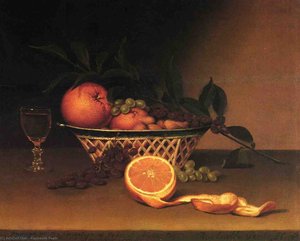
Still Life with Wine Glass


 Read More
Purchase a high-resolution, enhanced digital image, far superior to the online preview.
Each file is meticulously prepared by our in-house specialists using advanced tools and expert manual retouching. We ensure every image has exceptional clarity, precise color accuracy, and fine detail.
The final file is delivered via email within 72 hours, optimized for immediate use in professional, editorial, and print environments. This is the same quality trusted by top-tier design studios, publishers, and galleries.
Digital Image
Download a high-resolution file for personal display, printing, and creative projects. ( Buy Print Buy Hand Made Painting)
Included in Every Digital Image Order
Expert Digital Delivery, Guaranteed
When you choose ArtsDot.com, you're not just getting an image - you're receiving a professionally enhanced digital artwork, crafted with precision and backed by a satisfaction guarantee. Here's everything that comes with your order, automatically:

Fast Email Delivery
Your high-resolution digital image file will be emailed to you within 72 hours of ordering - ready for immediate use.

AI-Enhanced Digital File
Your artwork is professionally optimized using advanced AI tools and manual editing, ensuring maximum detail, clarity, and color accuracy.

Free Lifetime Re-Delivery
Accidentally deleted or lost your file? No worries - we'll resend it to you anytime, free of charge.

No Import Fees - Ever
Enjoy your artwork instantly with zero customs, duties, or delivery fees - digital downloads are always tax-free.

Color Accuracy Guarantee
We ensure your digital image reflects the original colors as closely as possible using professional tools and color management.

60-Day Satisfaction Guarantee
If you're not satisfied with your digital image, we'll revise it or refund 100% within 60 days - no questions asked.

100% Money-Back Guarantee
Not satisfied? Get a full refund within 60 days of receiving your digital file - no questions asked.

Bulk Order Discounts
Buy 3 images, save 10% - Buy 5, save 15% - Buy 10+, save 20%. Great for creative projects, galleries, and agencies.
Collectible Description
A Moment of Refined Indulgence: The Depiction of Still Life
Raphaelle Peale’s “Still Life with Wine Glass,” painted in 1818, is more than a simple arrangement of objects; it's a meticulously crafted tableau capturing the essence of domestic tranquility and the pleasures of the table. The painting immediately draws the eye to its dramatic contrast – a deep, almost velvety black background that serves not as mere backdrop but as a stage for the luminous subjects within. This strategic darkness elevates the colors of the fruit, bread, and wine glass, creating an immediate sense of depth and inviting the viewer into a world of quiet contemplation. The composition is remarkably balanced, guiding the eye through a deliberate arrangement: the grapes and berries cluster towards the right, acting as a vibrant focal point, while the loaf of bread and orange anchor the left side, establishing a solid foundation for the scene. The centrally positioned wine glass itself becomes a vertical axis, subtly directing our gaze upwards, mirroring a sense of aspiration or perhaps simply inviting us to pause and savor the moment.Echoes of the Dutch Golden Age: Style and Technique
Peale’s work firmly establishes itself within the tradition of Dutch Golden Age still life painting, though with a distinctly American sensibility. The smooth brushwork, reminiscent of masters like Jan van Huysum, contributes to an astonishing level of realism – one can almost feel the rough texture of the bread crust or discern the glossy sheen of the orange peel. The artist’s attention to detail is remarkable; each grape appears plump and ripe, each berry a miniature jewel. This commitment to meticulous observation was not merely aesthetic; it reflected Peale's broader ambition to document the natural world with unprecedented accuracy, a pursuit deeply rooted in his father’s legacy as both a painter and a naturalist. The lighting, soft and diffused, casts gentle shadows that add volume and dimensionality to each object, creating an illusion of three-dimensionality within the two-dimensional canvas. The muted color palette – browns, oranges, reds, and greens – evokes a sense of warmth and nostalgia, reminiscent of a comfortable hearth and shared meals.Symbolism and the Language of Objects
Beyond its visual appeal, “Still Life with Wine Glass” is rich in symbolic meaning, typical of still life paintings during this period. The wine glass itself represents indulgence, conviviality, and perhaps even a hint of excess – a celebration of earthly pleasures. The loaf of bread symbolizes sustenance and abundance, while the orange, often associated with wealth and exoticism, hints at prosperity. The scattered berries add to the sense of bounty and seasonal delight. Interestingly, the inclusion of these commonplace objects elevates them to an almost sacred status, suggesting a meditation on the beauty and value found in everyday life. Peale’s signature, “Raphaelle Peale Pine A. 1765,” subtly anchors the work within its historical context, reminding us that this scene was not merely a snapshot of a moment but a carefully considered artistic statement.A Legacy of American Art: Peale and the Dawn of Still Life
Raphaelle Peale’s “Still Life with Wine Glass” stands as a pivotal work in the history of American art, marking him as America's first professional painter dedicated to still life. His meticulous approach, influenced by his father’s scientific pursuits and inspired by the Spanish masters he admired, established a new standard for realism and detail in American painting. The painting exemplifies Peale’s broader ambition to document and celebrate the natural world with unprecedented accuracy and innovation, solidifying his place as a cornerstone of nineteenth-century visual culture. Reproductions of this captivating piece offer a unique opportunity to experience the elegance and quiet beauty of Dutch Golden Age artistry within a distinctly American context. Consider it an exquisite addition to any collection or a thoughtful centerpiece for your home – a timeless reminder of the simple pleasures of life and the enduring power of art.Related Artworks
Artist Biography
The Pioneer of the American Still Life
In the burgeoning landscape of early nineteenth-century American art, where portraiture reigned supreme as the primary vehicle for status and legacy, Raphaelle Peale dared to turn his gaze toward the quiet, often overlooked beauty of the inanimate. Born in Annapolis in 1774, Peale was not merely a painter but a pioneer who carved out a specialized niche that had previously been neglected in the young nation's artistic repertoire. As the son of the legendary Charles Willson Peale, his very existence was intertwined with the pulse of American scientific and artistic discovery. Growing up within the orbit of one of America’s most influential artistic dynasties, Raphaelle was immersed in an environment where meticulous observation was considered both a fine art and a scientific necessity.
His early training was deeply rooted in this dual tradition of naturalism and craftsmanship. Under the watchful eye of his father, Peale learned to see the world through a lens of profound detail, a skill that would later become the hallmark of his mature style. While his siblings often pursued paths in medicine or natural history, Raphaelle channeled this inherited passion for documentation into the medium of oil on canvas. He did not merely seek to represent objects; he sought to elevate them. By focusing on the textures of fruit, the sheen of porcelain, and the subtle decay of organic matter, he brought a sense of permanence to the ephemeral, transforming simple kitchen items into subjects of high art.
Mastery of Texture and Trompe l'oeil
The true brilliance of Peale’s work lies in his technical command over light and surface. He became a master of trompe l'oeil—a technique designed to "deceive the eye"—creating illusions so convincing that viewers were often tempted to reach out and touch the depicted objects. His compositions, such as those featuring peaches, raisins, or fish, are studies in tactile reality. One can almost sense the velvety skin of a ripening peach or the cool, smooth surface of a ceramic jug through his masterful application of glaze and shadow.
Peale’s stylistic development was significantly shaped by an awareness of European traditions, particularly the influence of Spanish masters who had long perfected the art of the still life. By blending this Old World sophistication with a uniquely American sensibility, he created works that felt both globally informed and locally grounded. His paintings often feature:
- Meticulous Detail: An unwavering commitment to capturing the minute imperfections of nature, from tiny blemishes on an apple to the delicate veins in a leaf.
- Dramatic Lighting: The use of chiaroscuro to pull subjects forward from dark, atmospheric backgrounds, lending each object a sculptural presence.
- Compositional Balance: A careful arrangement of elements that guides the viewer's eye through a silent, contemplative narrative of abundance and mortality.
A Lasting Legacy in American Art
Though his career was relatively brief, ending with his death in 1825, Raphaelle Peale’s impact on the trajectory of American art cannot be overstated. He broke the monopoly of portraiture, proving that the domestic and the naturalistic were worthy of the highest level of artistic devotion. In doing so, he laid the groundwork for generations of American still-life painters who would follow in his footsteps, exploring themes of abundance, decay, and the beauty of the everyday.
Today, Peale is remembered not just as a member of a famous family, but as a singular talent who possessed the courage to find greatness in the small. His works remain vital testaments to a period of American history when the nation was still defining its visual identity. Through his brushes, the simple contents of a basket or the humble arrangement of a tabletop became enduring symbols of a burgeoning culture's ability to observe, appreciate, and immortalize the world around it.
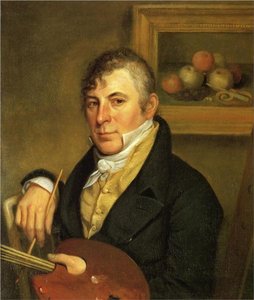
Raphaelle Peale
1774 - 1825 , United States of America
Quick Facts
- Artistic Movement Or Style: Still Life
- Artists Or Movements Influenced By This Artist: ['Spanish Masters']
- Artists Who Influenced This Artist: ['Charles Willson Peale']
- Date Of Birth: February 17, 1774
- Date Of Death: March 4, 1825
- Full Name: Raphaelle Peale
- Nationality: American
- Notable Artworks:
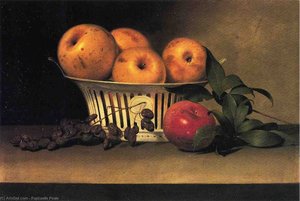
- Still Life with Raisins, Yellow and Red Apples in Porcelain Basket
- Still Life with Jug and Fish
- Place Of Birth: Annapolis, United States

