 Preview
 Send
Send Share
Share
 Details

 Download
 Similars
 X-Ray
X-Ray Diaporama
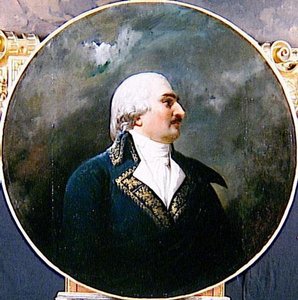
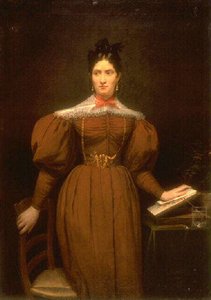
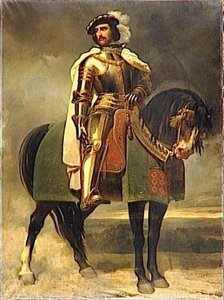
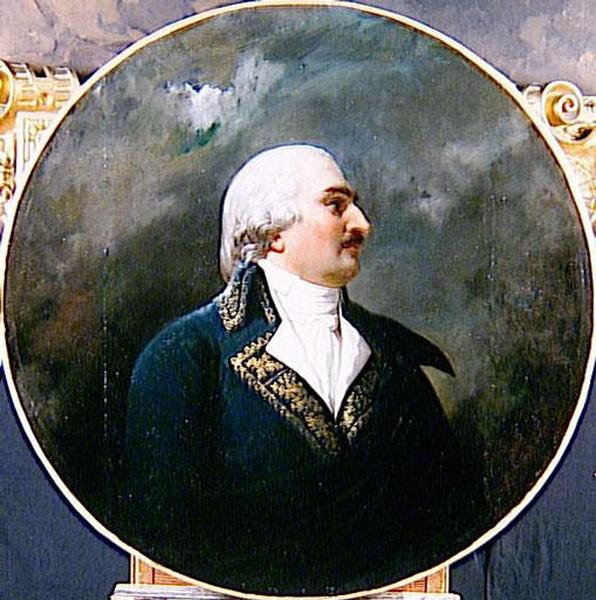
AUGUSTE MARIE HENRI PICOT, COMTE DE DAMPIERRE, MARECHAL DE CAMP EN 1792 (1756 1793)

 Read More
Hand Made Oil Reproduction
Hand-painted oil on canvas in your size and frame, made to order by our artists. ( Buy Print Buy Image)




































Pick from our preset sizes that match the artwork's original proportions.

You may enter your own dimensions to fit a specific frame or space. If your selected size does not match the original image's proportions, we will either crop the artwork or extend the painting with additional hand-painted elements. A digital mockup will be sent for your approval before production begins.
Please note that the on-screen preview does not reflect the actual cropping or extension. Only the mockup will accurately show the final composition.
While custom sizes are available, we recommend selecting a dimension from the predefined list to preserve the original proportions.
After order, ArtsDot.com team will email client for instructions and provide a mockup preview
Worldwide Delivery () in 3/4 weeks instead of standard 5 weeks. (25 August). No compromise on quality.

Free Worldwide Express Shipping

High-Quality Linen Canvas

Full Shipping Insurance

Customs Tax Refund Guarantee

True Color Matching Guarantee

60-Day Return Policy (Defects Only)

100% Money-Back Guarantee

Bulk Discount Offer
 Glass option is only available in size under 110 CM

AUGUSTE MARIE HENRI PICOT, COMTE DE DAMPIERRE, MARECHAL DE CAMP EN 1792 (1756 1793)
Reproduction Medium
Reproduction Size
-


Total Price
$ 263
Related Artworks
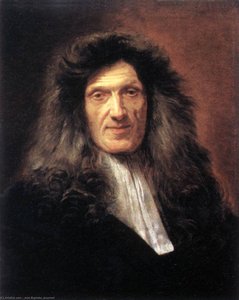

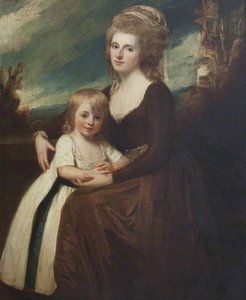
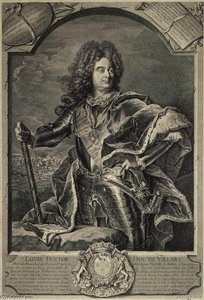
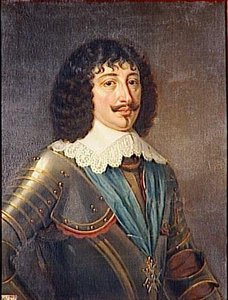
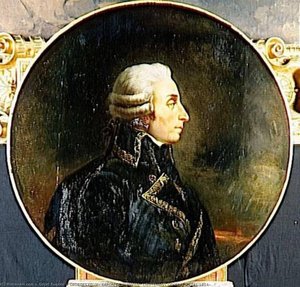
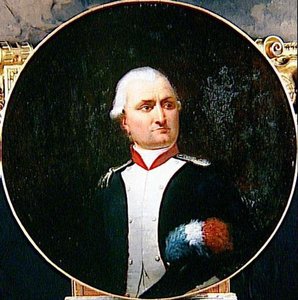
Artist Biography
The Wandering Brush: The Life and Legacy of Raymond Monvoisin
Born in the historic streets of Bordeaux in 1790, Raymond Auguste Quinsac Monvoisin was a man whose artistic destiny was shaped by both tradition and a restless, global spirit. Though his father initially envisioned a life for him within the disciplined ranks of the military, the pull of the canvas proved irresistible. By the age of eighteen, the young Monvoisin had abandoned the prospect of soldiering to dedicate himself entirely to the pursuit of fine art. This transition led him from the provinces to the heart of the art world in Paris, where he entered the prestigious workshop of Pierre Gérin. Under this master’s guidance, Monvoisin immersed himself in the rigorous academic traditions of the Académie des Beaux-Arts, mastering the Neoclassical and mythological themes that defined the era's intellectual and aesthetic discourse.
Monvoisin’s early career was marked by a rapid ascent through the ranks of the French art establishment. His ability to blend classical precision with a certain dramatic elegance caught the attention of the influential critics of his day. A defining moment arrived in 1819, when he participated in the prestigious Salon at the Louvre, an exhibition that catapulted him into the international spotlight. The success of his works, which resonated deeply with the burgeoning middle class—a new generation of merchants and bankers eager to adorn their lives with culture—eventually earned him the Legion of Honor, the highest distinction in French art. His thirst for knowledge further led him to Italy, where a scholarship at the Villa Medici in Rome allowed him to commune with the ghosts of classical antiquity, refining his technique and deepening his understanding of humanist studies.
A Bridge Between Continents: From Europe to the Americas
While his roots remained firmly planted in European tradition, Monvoisin’s heart was drawn toward the horizons of the newly independent Americas. Seeking fresh opportunities and driven by an adventurous soul, he embarked on a transformative journey through Argentina and eventually into Chile. This period of his life represents one of the most significant chapters in 19th-century art history, as he acted as a vital conduit for European aesthetic values in the Southern Hemisphere. In 1848, at the invitation of the Chilean government, he arrived in Santiago to direct the newly established Academy of Painting. Though he faced the daunting challenge of working with minimal funds, his reputation preceded him, allowing him to integrate seamlessly into the upper echelons of Chilean society.
In Chile, Monvoisin became more than just a painter; he became a cultural architect. His presence helped shape the visual identity of a nation finding its footing, as he introduced the nuances of French fashion and Neoclassical grace to the local aristocracy. His work during this era was characterized by:
- Masterful Portraiture: He became the preferred portraitist for high-class families, capturing the dignity and social aspirations of the Chilean elite with remarkable psychological depth.
- Educational Influence: Through his role as a professor, he mentored a new generation of South American artists, including notable figures such as Francisco Mandiola and Procesa Sarmiento.
- Cultural Synthesis: Alongside fellow painter Clara Filleul, he mobilized the pictorial arts in both Chile and Argentina, creating a lasting legacy of academic excellence.
Beyond the studio, Monvoisin’s life was one of remarkable versatility. He explored the rugged landscapes of the Chilean countryside, invested in mining ventures, and even established a ranching estate. This blend of artistic devotion and entrepreneurial spirit mirrors the dynamism of his age. When he passed away in 1870, he left behind a world forever changed by his brushstrokes—a legacy that remains etched in the history of both France and Chile, bridging the gap between the old world and the new through the universal language of art.
raymond auguste quinsac monvoisin
1790 - 1870
Quick Facts
- Artistic Movement Or Style: Neoclassical & Mythological
- Artists Or Movements Influenced By This Artist: ['Chilean Art Society']
- Artists Who Influenced This Artist: ['Pierre Guérin']
- Date Of Birth: 1790
- Date Of Death: 1870
- Full Name: Raymond Auguste Quinsac Monvoisin
- Nationality: French
- Notable Artworks:
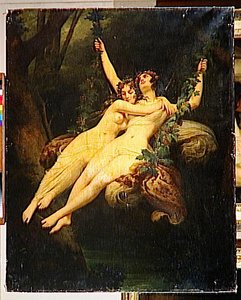
- L'ESCARPOLETTE
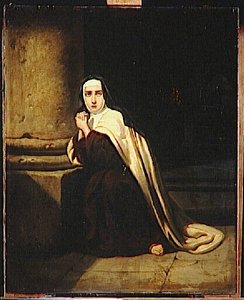
- Sainte Thérèse Religieuse à genoux près d'un pilier
- NICOLAS BEAUREPAIRE
- Place Of Birth: Bordeaux, France
Related Articles

The Enduring Legacy of Oil on Canvas: Technique, History & Aesthetic Impact
Explore the rich history & techniques of oil painting – from Renaissance masters to Impressionism. Discover pigments, layering methods, and why this timeless medium endures. Expert insights for artists & art enthusiasts.

Oil on Canvas: A Historical & Technical Exploration of a Timeless Artistic Medium
Explore the rich history & enduring techniques of oil painting on canvas. Discover the science behind its longevity, conservation practices, and contemporary relevance. Expert insights for art enthusiasts.

The Enduring Power of Painting: A Historical & Contemporary Exploration of Form and Emotion
Explore the rich history & enduring techniques of oil painting with ArtsDot. Discover masterpieces, learn about art collecting, and find authentic handmade reproductions crafted by skilled artists.

The Enduring Legacy of Oil on Canvas: Technique, History & Contemporary Practice
Explore the rich history & enduring techniques of oil painting on canvas. Discover the science behind its longevity, conservation practices, and contemporary relevance. Expert insights for art enthusiasts.
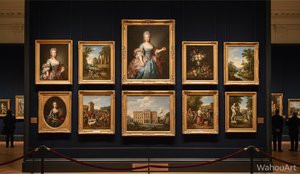
18th Century Masters: 10 Artworks That Define an Era | ArtsDot
Journey through 18th century art! Explore 10 iconic paintings – from Rococo elegance to Neoclassical grandeur. Discover Fragonard, David & more. Find museum-quality reproductions and elevate your home decor on ArtsDot.com.