 Preview
 Send
Send Share
Share
 Details

 Download
 Similars
 X-Ray
X-Ray Diaporama
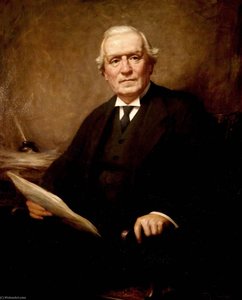
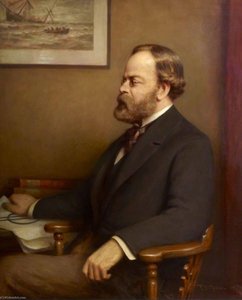
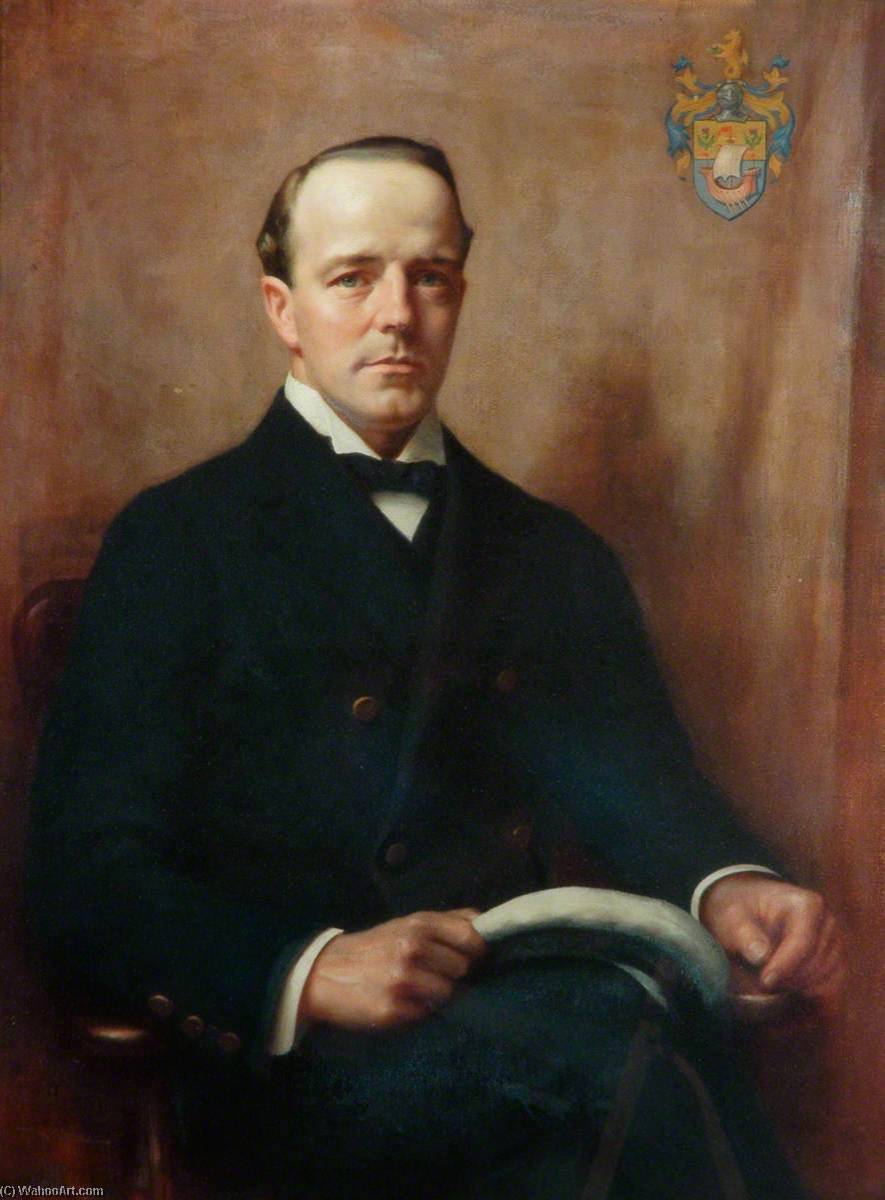
The Right Honourable Walter Runciman (1847–1937), MP
 Contemporary Realism
 1914
1914 102.0 x 77.0 cm
 Read More
Giclée / Art Print
Museum-quality giclée or canvas print with fast production and flexible finish options. ( Buy Hand Made Painting Buy Image)




































Pick from our preset sizes that match the artwork's original proportions.

You may enter your own dimensions to fit a specific frame or space. If your selected size does not match the original image's proportions, we will either crop the artwork or extend the image with a mirrored or solid-fill edge. A digital mockup will be sent for your approval before production begins.
Please note that the on-screen preview does not reflect the actual cropping or extension. Only the mockup will accurately show the final composition.
While custom sizes are available, we recommend selecting a dimension from the predefined list to preserve the original proportions.
Worldwide Delivery () in 2 weeks instead of standard 4/5 weeks. (20 August)

Free Worldwide Express Shipping

High-Quality Linen Canvas

Full Shipping Insurance

Customs Tax Refund Guarantee

True Color Matching Guarantee

60-Day Return Policy (Defects Only)

100% Money-Back Guarantee

Bulk Discount Offer
 Glass option is only available in size under 110 CM

The Right Honourable Walter Runciman (1847–1937), MP
Giclée / Art Print
Reproduction Size
-


Total Price
$ 63
Related Artworks
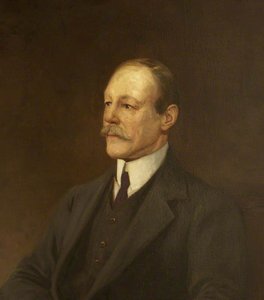
Artist Biography
Reginald Henry Campbell: A Portrait of Early 20th Century Scotland
Reginald Henry Campbell (1877-1953) emerges from the vibrant artistic landscape of late Victorian and Edwardian Britain, a Scottish painter whose career intertwined with both commercial success – most notably through his iconic Ovaltine advertisements – and critical recognition within established art circles. Born in Edinburgh, Campbell’s journey reflects the shifting currents of British society, navigating the transition from traditional academic painting to burgeoning modernism while simultaneously capturing the spirit of a nation undergoing rapid industrialization and social change.
Campbell's formal artistic training began at the Royal Scottish Academy, an institution that provided a rigorous foundation in classical technique and subject matter. He quickly distinguished himself, earning the prestigious Maclaine-Watter’s Medal in 1899 – a testament to his early talent and potential. This achievement marked the beginning of a career characterized by a meticulous approach to portraiture and a keen eye for detail. Moving to London at the height of his artistic promise, Campbell established himself as a respected figure within the city's thriving art scene, exhibiting regularly at prestigious venues like the Royal Academy and the Society of Scottish Artists.
The Rise of Ovaltine: A Commercial Legacy
Campbell’s career took an unexpected turn in the early 20th century when he was commissioned to create a series of advertisements for Ovaltine, the popular malted milk drink. This seemingly commercial endeavor proved remarkably successful, establishing Campbell as one of the most recognizable faces – and artists – of his time. The Ovaltine campaigns, featuring Campbell’s elegantly posed subjects enjoying the beverage, became ubiquitous in British advertising, cementing his place in popular culture. While some critics initially viewed this work with skepticism, it undeniably provided Campbell with a steady income and broadened his public profile.
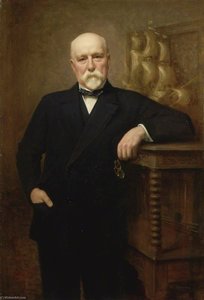
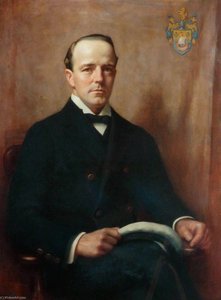
However, to reduce Campbell solely to an advertisement artist would be a significant oversight. His portraits of prominent figures – including Walter Runciman, 1st Baron Runciman, a key figure in British trade policy, and Samuel Plimsoll, the social reformer who championed safer working conditions for sailors – demonstrate a genuine interest in capturing character and conveying historical significance. These works, now housed at the British National Maritime Museum, offer valuable insights into the personalities of these influential individuals and reflect Campbell’s skill as a portraitist.
Style and Technique: A Blend of Tradition and Observation
Campbell's artistic style can be characterized as a blend of academic tradition and keen observational skills. He adhered to classical principles of composition, perspective, and tonal value, demonstrating a mastery of technique honed through rigorous training. Yet, his portraits are not merely technical exercises; they possess a remarkable sense of immediacy and psychological depth. Campbell’s ability to capture subtle nuances of expression – a flicker of amusement in the eyes, a hint of melancholy in the posture – reveals a deep understanding of human nature.
His use of light and shadow is particularly noteworthy. He skillfully employed chiaroscuro techniques to create dramatic contrasts and highlight key features, lending his portraits a sense of realism and atmosphere. Furthermore, Campbell’s meticulous attention to detail—from the texture of clothing to the sheen of hair – speaks to his dedication to his craft and his desire to faithfully represent his subjects.
Later Years and Legacy
Despite his commercial success with Ovaltine, Campbell continued to pursue artistic endeavors throughout his later years. He remained active as a portrait painter, producing works that showcased his enduring skill and artistic vision. He also exhibited at various Scottish institutions, including the Royal Glasgow Institute of Fine Arts, solidifying his position within the local art community.
Reginald Henry Campbell’s legacy is complex and multifaceted. He was an artist who successfully navigated the intersection of commercialism and fine art, leaving behind a body of work that reflects both the artistic conventions of his time and the evolving social landscape of early 20th-century Britain. His Ovaltine advertisements may be instantly recognizable, but his portraits offer a more profound glimpse into the character and spirit of a bygone era – a testament to the enduring power of observation, technique, and artistic vision.
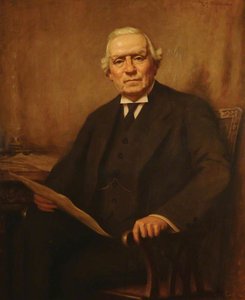
reginald henry campbell
1877 - 1953
Quick Facts
- Artistic Movement Or Style: Portraiture
- Artists Or Movements Influenced By This Artist: ['Ovaltine advertisements']
- Artists Who Influenced This Artist: ['Royal Scottish Academy']
- Date Of Birth: 1877
- Date Of Death: 1953
- Full Name: Reginald Henry Campbell
- Nationality: British
- Notable Artworks:
- The dreamer
- A lady with a parasol
- Self Portrait of the Artist
- Place Of Birth: Edinburgh, Scotland
Related Articles

The Enduring Legacy of Oil on Canvas: Technique, History & Aesthetic Impact
Explore the rich history & techniques of oil painting – from Renaissance masters to Impressionism. Discover pigments, layering methods, and why this timeless medium endures. Expert insights for artists & art enthusiasts.
Reginald Grenville Eves: Bridging Portraiture & Modern British Landscape Painting
Explore the life & work of Reginald Grenville Eves, a leading British portraitist who transitioned to captivating landscape painting. Discover his legacy and prominent works at ArtsDot.

Oil on Canvas: A Historical & Technical Exploration of a Timeless Artistic Medium
Explore the rich history & enduring techniques of oil painting on canvas. Discover the science behind its longevity, conservation practices, and contemporary relevance. Expert insights for art enthusiasts.

The Enduring Power of Painting: A Historical & Contemporary Exploration of Form and Emotion
Explore the rich history & enduring techniques of oil painting with ArtsDot. Discover masterpieces, learn about art collecting, and find authentic handmade reproductions crafted by skilled artists.
The Enduring Legacy of Likeness: Commissioning Oil Portraits as Vessels of Memory and Emotional Connection
Commission a timeless oil portrait with ArtsDot.com! Expert artists capture your legacy & emotions in museum-quality paintings. Preserve family history – explore our bespoke services today.